Kanye Interrupted Taylor Swift Not Out of Madness — It All Started When His Mom Died
When Kanye West stormed the MTV VMA stage in 2009 and snatched the mic from a stunned Taylor Swift, the world saw a madman — brash, egotistical, and unapologetic. But what if that moment wasn’t just about Beyoncé or ego? What if it was rooted in unresolved grief, triggered by the most devastating event of his life — the death of his mother, Donda West?
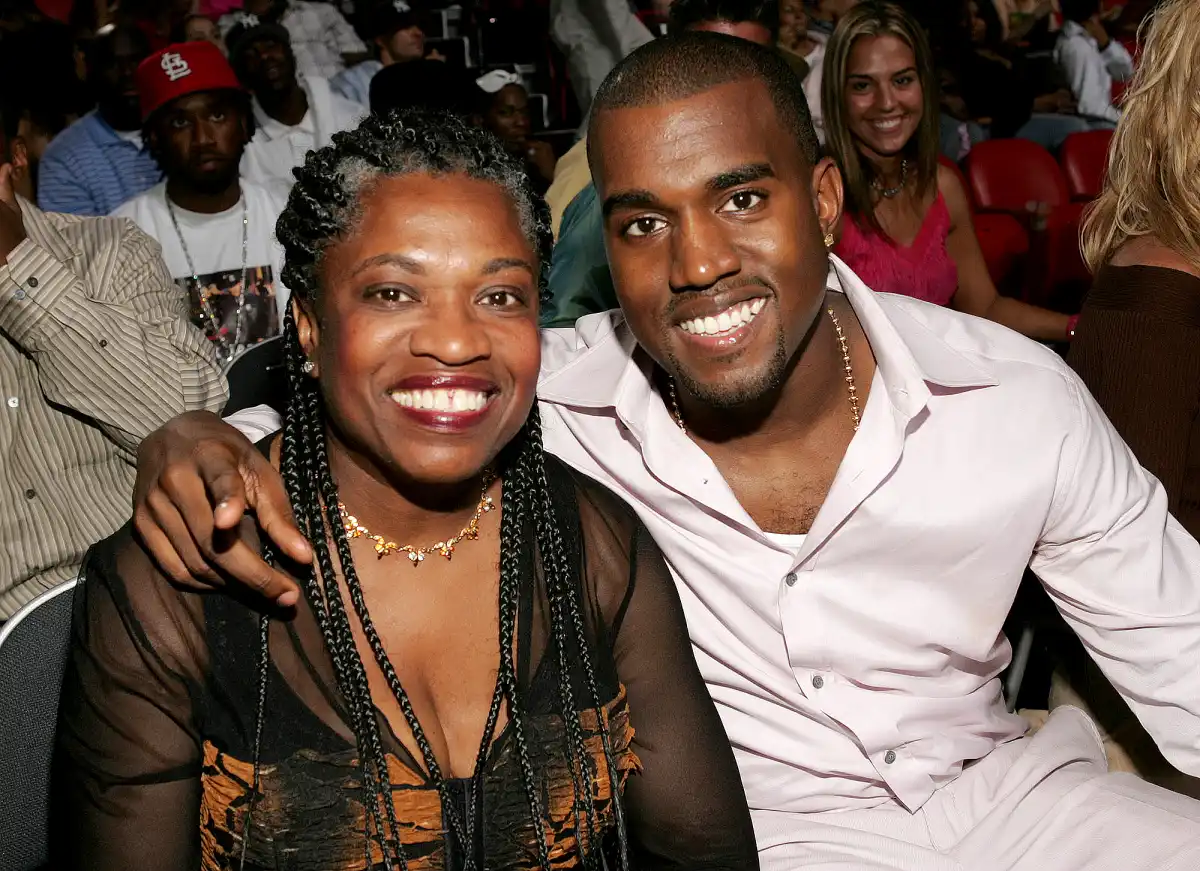
It’s easy to reduce Kanye West to his viral tantrums, unfiltered rants, and Twitter breakdowns, but beneath the headlines and controversy lies a complicated man whose public unraveling can be traced back to a single moment in 2007 — when the only woman he ever truly trusted, admired, and loved died unexpectedly from surgical complications.
The VMAs Incident: A Public Cry for Help?
When Kanye interrupted Taylor Swift during her acceptance speech for Best Female Video at the 2009 VMAs, millions saw it as peak arrogance. But for those who’ve followed Kanye closely, the timing was telling.
Just two years after Donda’s death, Kanye was spiraling: drinking heavily, canceling shows, alienating collaborators. In his own words, he was “running away” from his emotions — literally and musically.
That infamous VMA night? He was seen chugging a bottle of Hennessy on the red carpet. It wasn’t a stunt. It was anesthesia — for pain, for grief, for guilt.
And when Taylor Swift stepped up to accept her award, something in Kanye snapped. He wasn’t just speaking over Taylor. He was screaming through his trauma.
“Runaway” – An Anthem of Self-Sabotage
In 2010, Kanye released “My Beautiful Dark Twisted Fantasy”, an album critics hailed as a masterpiece. But nestled within its sonic brilliance is the haunting ballad “Runaway”, perhaps the most emotionally honest piece Kanye has ever made.
The song opens with a single, lonely piano note — repeated like a pulse, or a heartbeat. “Let’s have a toast for the douchebags…”
But beyond the sarcasm, Runaway is a confessional, a man admitting his flaws, his destructive tendencies, and the pain of pushing people away. Many saw it as an apology to exes or industry peers. But deeper listeners heard something else: a man still grieving his mother, and struggling with how her loss warped his relationships. “I always find something wrong / You been puttin’ up with my sh*t just way too long…”
This isn’t just about lovers. It’s about Kanye knowing he’s broken — and unable to fix it.
From Grief to Gospel: The Sunday Service Redemption
By 2019, Kanye’s trajectory took another sharp turn. Amid scandals, canceled tours, and a messy divorce with Kim Kardashian, he found faith. He launched Sunday Service, a weekly spiritual experience blending gospel, hip-hop, and sermon.
Many dismissed it as another Kanye stunt. But to Kanye, it was a lifeline. A way to reconnect with meaning, purpose, and perhaps most importantly, with his mother’s teachings. “She raised me in the church. She always told me, ‘Keep God first,’” Kanye said in a 2019 interview.
Sunday Service wasn’t performance. It was penance.
In his spiritual rebirth, Kanye found a way to mourn Donda — not through spectacle, but through praise, purpose, and music. It was an evolution few saw coming, but one that made perfect sense to those who understood his grief.
The Media’s Role in the Spiral
Kanye’s relationship with the media has been, to say the least, combative. But after Donda’s death, it became toxic. Rumors swirled about the circumstances of her surgery, paparazzi hounded him relentlessly, and tabloids gleefully documented his every breakdown.
Kanye began to see the press as an enemy — a machine profiting off his pain. This paranoia would later fuel his rants about “the system,” his battles with record labels, and his aggressive pursuit of creative and narrative control.
This obsession with “controlling the story” may explain his decision to air private disputes on social media, from family drama to business battles. In a world that twisted his truth, Kanye fought to reclaim it — even if it cost him everything.
“She Was My Everything”: Kanye’s Eternal Tribute
Through all the chaos, one thing has remained constant: Kanye West’s devotion to his mother, Donda. From naming his 2021 album “Donda” to recreating his childhood home on stage, Kanye has found countless ways to honor her memory — not just as a mother, but as his anchor, his muse, and his moral compass.
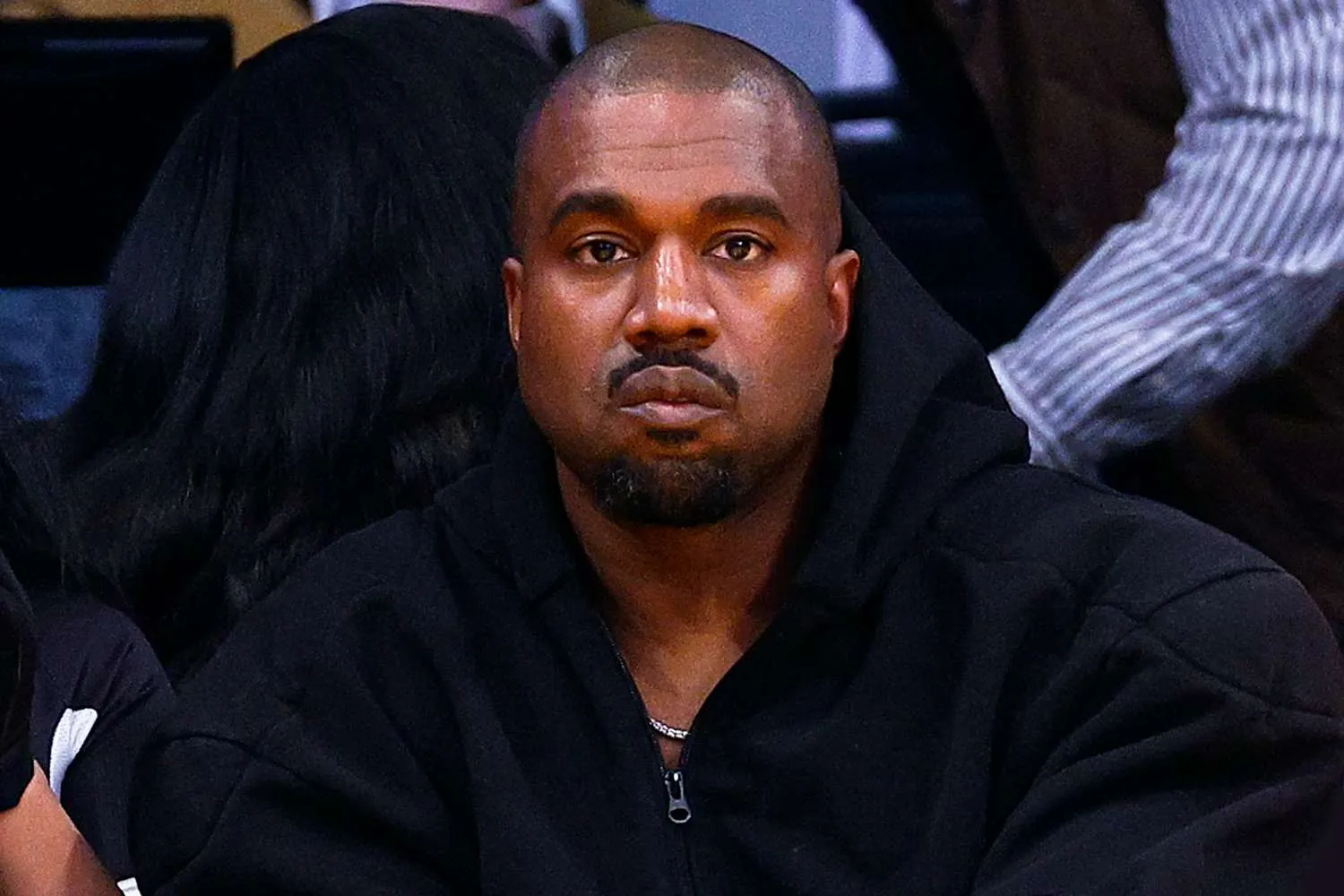
Her voice appears on his songs, her teachings echo in his Sunday Services, and her absence is felt in every emotional unraveling he’s ever had. For Kanye, losing Donda wasn’t just losing a parent — it was losing the only person who truly understood him. “She was my everything,” he once said. And perhaps, even now, he’s still searching for her — through faith, through music, through every bold, broken thing he creates.
In the end, maybe it was never about the VMAs, or even about fame. Maybe it was always about a son lost in the world, still grieving the woman who made him whole.