








Jeff Bezos Shocks Everyone With Amazon’s Untold Origin Story
Amazon just celebrated its 31st anniversary, but not everyone is popping champagne. While the company’s rise is often hailed as one of modern capitalism’s most remarkable success stories, an unspoken tension has gripped critics, workers, and even loyal customers who wonder: What’s the real price of this trillion-dollar empire?
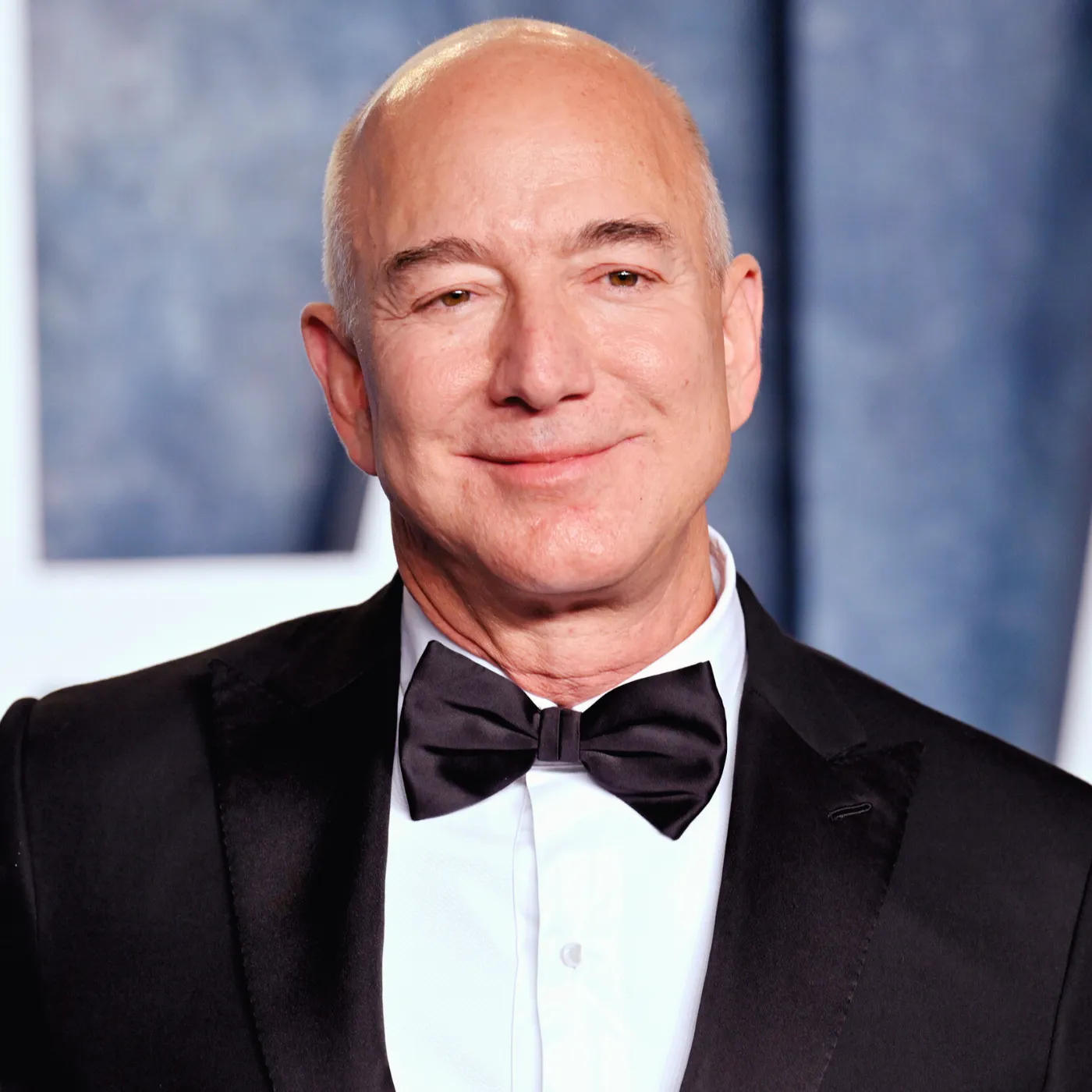
This week, Jeff Bezos’s Amazon marked 31 years since it was founded in a suburban garage in Bellevue, Washington. The world watched the anniversary unfold in a swirl of self-congratulations, press releases, and social media posts. But behind the celebratory tone lurks a darker, thornier question that even Amazon’s fiercest defenders can’t ignore.
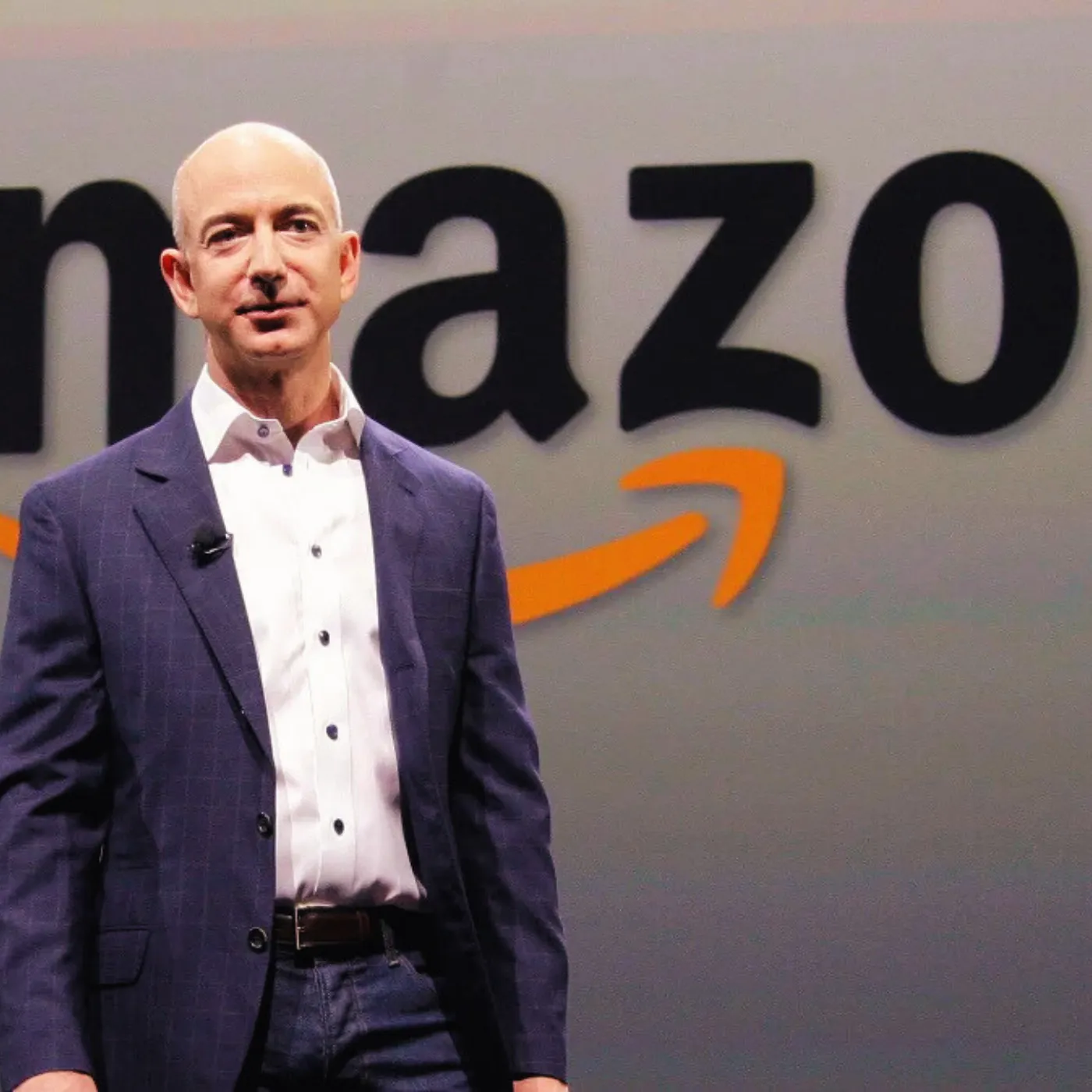
Is 31 years of Amazon truly something to celebrate — or something to fear?
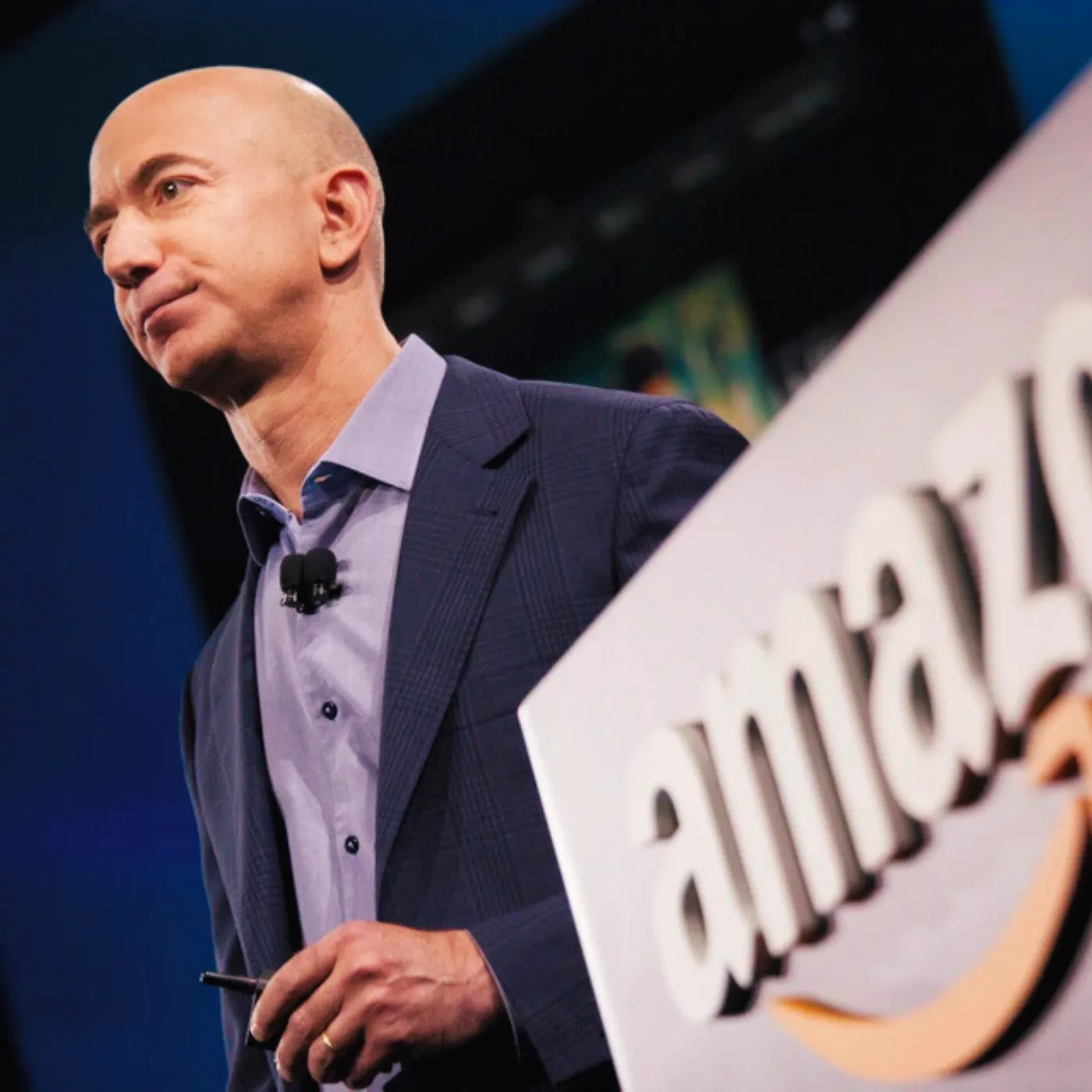
The Origin Story They Love to Tell
The “official” Amazon origin myth is marketing gold. Jeff Bezos, a driven Wall Street executive, supposedly had an epiphany about the internet’s potential in 1994, quit his job, packed up a Chevy Blazer, and headed to Seattle with his wife, MacKenzie. He would build the “everything store” from scratch, risking it all for a dream.
It’s a classic American entrepreneur story — bootstrap culture at its best.
But even in the early years, there was a strategic ruthlessness that rarely makes the corporate blog. Price undercutting, unpaid sales taxes, and aggressive acquisition of rivals were part of Amazon’s path to dominance. Critics argue these tactics weren’t just savvy — they were destructive to competition and local economies.
Amazon’s 31st anniversary becomes a moment to reflect on whether that origin story is still true, or whether it was always just PR spin designed to hide the real plan: to dominate markets at any cost.
A Marketplace or a Monopoly?
Amazon’s transformation from an online bookseller to a $1.9 trillion conglomerate is the stuff of corporate legend.
-
It sells everything from cheap socks to luxury watches.
-
It controls a staggering share of U.S. e-commerce.
-
Its third-party seller platform takes in over half of its retail sales.
-
It owns grocery chains, film studios, and a streaming empire.
“Marketplace” sounds friendly. But critics call it a monopoly in disguise.
While Amazon celebrates “empowering small businesses,” many sellers feel trapped in its system. Fees have steadily risen. Counterfeit goods flood the platform. And if a small brand gets too successful? Amazon might launch its own version and bury the competition in its own search results.
For customers, the promise of cheap, fast delivery is compelling — even addictive. But it has also cemented Amazon’s hold over consumer habits. Some say that’s not competition. That’s control.
Jeff Bezos The Billionaire Next Door or Ruthless Tycoon?
Jeff Bezos didn’t just build a company. He built an empire.
As Amazon turns 31, he is no longer CEO, but his presence is inescapable. He is executive chairman. He holds massive equity. And his personal brand is woven into Amazon’s DNA.
To some, Bezos represents American innovation at its best. To others, he is the ultimate corporate overlord who used aggressive tactics, crushed competition, and squeezed workers to fuel his fortune.
Worth over $200 billion, Bezos has become a cultural symbol of the 1%.
He’s known for:
-
Buying The Washington Post.
-
Funding space exploration with Blue Origin.
-
Building a $500 million yacht.
-
Making public philanthropic gestures that critics call too small, too late.
Even as he projects a softer image — smiling selfies in cowboy hats, motivational Instagram captions — many see it as damage control in the face of years of bad press.
Labor Controversies That Won’t Go Away
If there is one thing that haunts Amazon’s shiny 31st birthday party, it’s the steady drip of labor controversies.
While Amazon posts glossy recruitment videos and touts $15+ minimum wages, workers on the ground describe something less glamorous:
-
Grueling warehouse quotas that punish bathroom breaks.
-
High turnover rates designed to keep labor costs down.
-
Strict surveillance of delivery drivers.
-
Injuries in automated facilities that critics call inevitable.
Amazon insists safety is a priority and that it offers good jobs with benefits. But workers’ groups say the company uses its scale to suppress unions, underpay, and burn through human labor like disposable parts in its logistics machine.
As one labor activist put it:
“Amazon celebrates 31 years of innovation, but what they’re really good at is innovating ways to extract more from workers while paying them less.”
Environmental Promises Versus Reality
Don’t be fooled by Amazon’s celebratory green marketing during its anniversary.
Yes, Amazon pledged to reach net-zero carbon by 2040. It purchased electric delivery vans. It funds carbon offset programs.
But shipping billions of packages is inherently dirty. Critics argue Amazon’s rapid shipping model drives higher emissions than consolidated, slower systems.
-
Warehouses consume massive energy.
-
Packaging waste is a global problem.
-
Air cargo expansion increases carbon footprint.
A company built on speed and scale faces a fundamental contradiction: more packages delivered faster is bad for the planet.
The Tax Debate Amazon Can’t Escape
Another reason Amazon’s 31st birthday is controversial? Its tax reputation.
Though Amazon proudly states it pays taxes, the reality is complicated.
For years, the company faced criticism for paying minimal federal income tax despite massive profits. Loopholes, credits, and reinvestment strategies all play a role.
Cities that once offered Amazon huge tax breaks to build facilities now wonder if the trade-off was worth it.
-
Housing prices in “Amazon towns” often soar.
-
Local businesses get displaced.
-
Infrastructure strains to support new workers.
While Amazon insists it brings jobs and investment, critics argue it extracts more than it gives.
Is This the Legacy Jeff Bezos Wants?
As Amazon enters its fourth decade, the conversation about its legacy grows sharper.
Sure, the company made shopping easier. It brought cloud computing to the masses. It entertained millions with Prime Video.
But the criticisms keep piling up:
-
Crushing small businesses.
-
Treating workers like replaceable cogs.
-
Driving consumer addiction to cheap, fast delivery.
-
Escaping fair taxation.
-
Fueling environmental harm.
For a company that revolutionized commerce, these are serious shadows on its legacy.
And Jeff Bezos, no matter how much he tries to pivot to space or philanthropy, is inextricably tied to that legacy.
Consumers Are Complicit Too
Here’s the uncomfortable truth.
We love Amazon.
Even the most vocal critics admit it’s hard to quit Prime. The prices. The speed. The convenience.
That’s part of the genius — or the trap.
Amazon didn’t just change retail. It changed expectations. It made next-day delivery the new normal. It made competitors scramble to match its scale.
So while we point fingers at Bezos and his boardroom, there’s a mirror involved. Every one-click purchase fuels the system.
What Happens Next?
As Amazon turns 31, it faces new challenges:
-
Regulators sniffing around anti-competitive behavior.
-
Labor unrest in multiple countries.
-
Growing demands for environmental accountability.
-
Competitors innovating in new niches.
Bezos no longer runs day-to-day operations. Andy Jassy, the current CEO, faces a tougher landscape.
But will Amazon truly change? Or will it double down?
Some analysts say Amazon will do just enough to placate critics without sacrificing margins. Others predict a reckoning if consumers and governments finally say “enough.”
The Birthday No One Can Ignore
Ultimately, Amazon’s 31st anniversary isn’t just about Bezos, shareholders, or Wall Street analysts.
It’s about us.
Do we want a world where one company shapes how we shop, read, watch, eat, and even think?
Or do we want a marketplace with real choice, fair competition, humane jobs, and sustainable practices?
These questions aren’t going away just because Amazon posted celebratory videos on social media this week.
If anything, those videos make the questions sharper.
Conclusion The Party Is Over But the Debate Is Just Beginning
Amazon’s 31-year journey is one of brilliance, scale, and unprecedented convenience.
But the cost?
Small businesses shuttered.
Workers exhausted.
Communities transformed.
A planet under strain.
A billionaire who can fund space tourism while workers fight for bathroom breaks.
If this is the model of success, is it a model worth celebrating?
Or is it time to ask harder questions about how much power we’re willing to hand over for the sake of convenience?
As Amazon begins its 32nd year, one thing is clear. The conversation is far from over. And the true legacy of Jeff Bezos’s empire may depend on how honestly we’re willing to confront it.