





From Million-Dollar Rapper to a ‘Fatherless’ Son – The Confession Fans Couldn’t Believe
Introduction – The Shocking Statement That Still Echoes
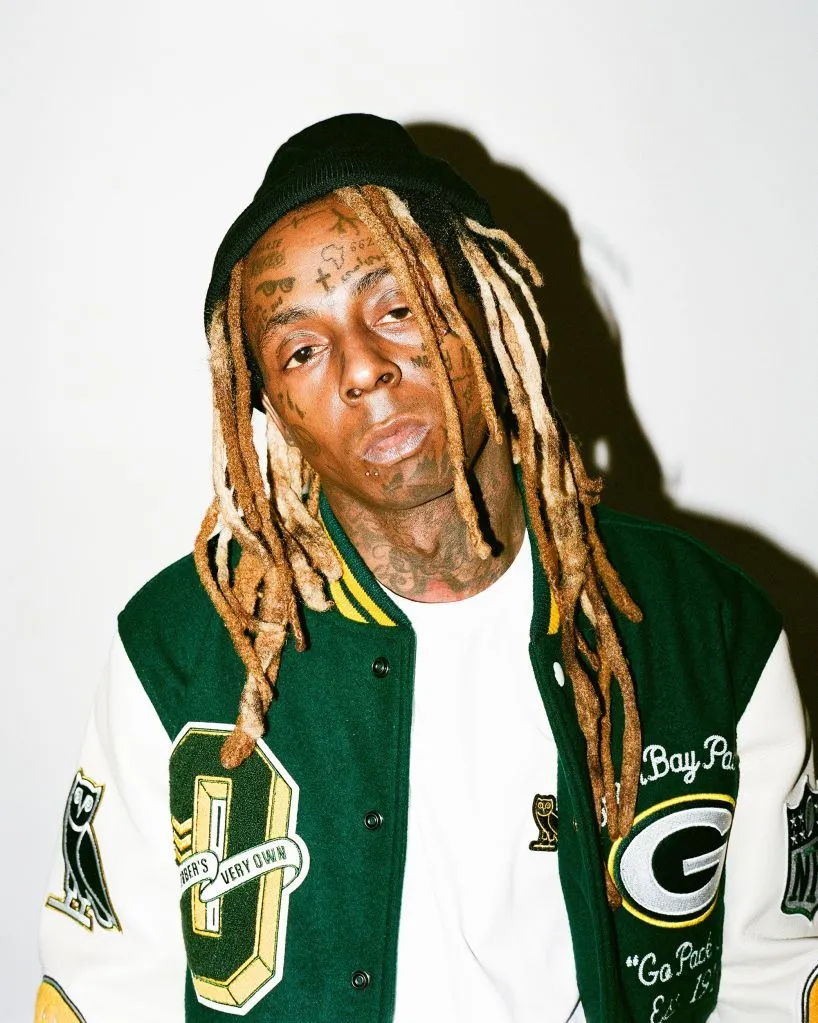
For decades, Lil Wayne has been one of the most recognizable names in hip-hop. From Tha Carter series to collaborations with Drake, Nicki Minaj, and Eminem, he has shaped the sound of an entire generation. But behind the millions of dollars, Grammy awards, and a music catalog that continues to stream in the billions, there is a deeply personal truth that he has never shied away from sharing — one that still leaves fans stunned. In multiple interviews over the years, Wayne has made it crystal clear: he does not consider his biological father, Dwayne Michael Turner, to be his “father” at all.
Lil Wayne’s Rise from New Orleans Streets to Global Fame
To understand the weight of that confession, we need to go back to September 27, 1982, when Dwayne Michael Carter Jr. was born in New Orleans. Raised in the tough Hollygrove neighborhood, Wayne’s early life was marked by poverty, gun violence, and instability. His mother, Jacida Carter, gave birth to him when she was just 19 years old. His father, Dwayne Turner, was largely absent. In countless interviews, Wayne has said Turner left the family when Wayne was only two years old.
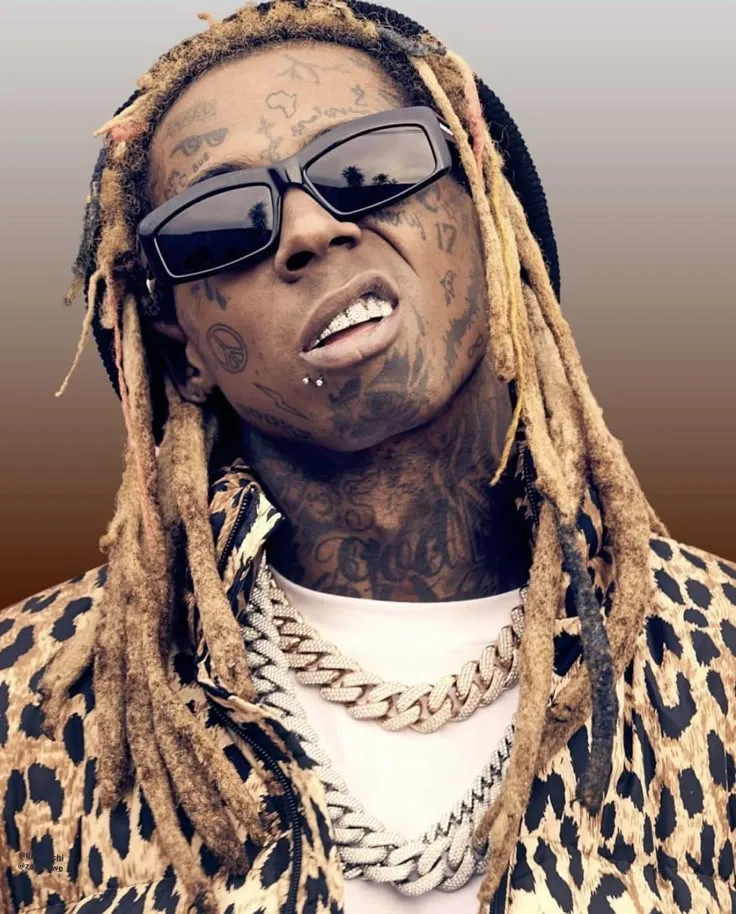
By the age of 8, Wayne was already writing rap lyrics, inspired by local artists and the New Orleans bounce scene. At 11, he met Bryan “Birdman” Williams, the co-founder of Cash Money Records, who became a mentor, label boss, and, in Wayne’s own words, a “real father figure.” It was Birdman, not Turner, who supported Wayne’s early career, taking him into the studio, putting him on records, and making sure he stayed focused.
The Name Change That Spoke Volumes
One of the most symbolic decisions Wayne ever made was dropping the ‘D’ from Dwayne and choosing to go by “Wayne.” When asked why, he explained that it was to distance himself from his father. This wasn’t just a branding choice — it was a rejection of a man he says never played a role in his life.
In a now-famous GQ Magazine interview, Wayne bluntly said, “He don’t give a shit about me, and I don’t give a shit about him.” Those words weren’t fueled by sudden anger — they reflected a decades-long reality of zero communication and emotional connection between father and son.
The Emotional Weight Behind the “Fatherless” Label
Calling himself “fatherless” wasn’t just a dramatic soundbite. It’s a statement loaded with emotional history. Wayne has often spoken about how his mother was forced to raise him alone, relying on family support and working multiple jobs.
His music often hints at this absence. In tracks like La La La and Georgia…Bush, you can hear both the pain of abandonment and the pride of overcoming it. In a culture where rap often glorifies toughness, Wayne’s willingness to be raw and unfiltered about personal wounds is part of what makes him connect so deeply with fans.
Birdman – The Father Figure Who Stepped In
While his biological father was absent, Birdman stepped into that void, giving Wayne the mentorship, resources, and protection he needed to rise in the industry. The two even called each other “father” and “son” publicly, fueling a unique bond that lasted for years.
Although they had a public falling-out in 2014 over financial disputes — leading Wayne to sue Cash Money Records — they eventually reconciled. Wayne has never hesitated to say that Birdman was more of a father than Turner ever was.
Why Fans Can’t Stop Talking About This Confession
This revelation keeps resurfacing because it breaks the illusion many have about celebrity life. How can a man with so much fame, money, and influence still carry the pain of being “fatherless”? That contrast — between the luxury of a superstar and the emptiness of a broken family bond — is exactly what fuels the public’s fascination.
Fans react with a mix of empathy and shock. Some admire Wayne’s honesty, saying it inspires those who grew up without fathers. Others express sadness that a man so successful still has to carry such an emotional scar.
The Impact on His Music and Persona
Wayne’s fatherless upbringing shaped not just his personal life, but his artistry. His aggressive work ethic, relentless touring, and refusal to be outworked are partly driven by a need to prove himself.In the rap industry, where “self-made” is a badge of honor, Wayne’s story fits the archetype perfectly. Yet, it also challenges the idea that success can erase childhood wounds. His confession reminds fans that no amount of money replaces emotional security.
Comparing to Other Hip-Hop Stories of Absent Fathers
Wayne is not alone in this narrative. Other rap legends like Jay-Z, Eminem, and 50 Cent have also spoken about growing up without their fathers. But Wayne’s case stands out because he has made a clear and permanent disassociation from his biological father, even removing the shared name. This isn’t just estrangement — it’s a deliberate and public declaration of independence from that relationship.
Why This Story Has Viral Power in 2025
In the era of viral news cycles, deeply personal confessions from high-profile figures hit differently. The combination of celebrity status, emotional vulnerability, and family drama creates the perfect storm for engagement.
On social media, quotes from Wayne about his father often go viral, generating thousands of comments debating fatherhood, forgiveness, and personal boundaries. Fans ask: Should he forgive? Should he care? Or is cutting ties the healthiest move?
Final Thoughts – More Than Just a Rap Story
Lil Wayne’s confession about his father isn’t just a gossip headline — it’s a window into how childhood experiences shape even the most powerful figures. It’s a reminder that money and fame do not erase emotional history. Whether fans view him as inspirational or tragic, the fact remains: Wayne has built his empire without the man who gave him his name. And maybe, in his eyes, that’s the ultimate victory.
Related News