








Fans Think ‘TV Off’ Is Just a Regular Hit — But Kendrick Lamar’s Hidden Message Could Blow Your Mind
Kendrick Lamar’s “TV Off” isn’t just a song—it’s a statement. Released as a single on November 26, 2024, and sitting seventh on Lamar’s critically acclaimed sixth album, GNX, the track arrives as a musical blitz, combining razor-sharp lyricism, West Coast swagger, and theatrical bravado. With collaborators like Mustard, Sounwave, Jack Antonoff, Kamasi Washington, Sean Momberger, Larry Jayy, and Lefty Gunplay, the record is a sonic powerhouse, blending orchestral touches, hip-hop aggression, and cinematic sampling into one unforgettable package.
The “Mustard!” Yell That Broke the Internet
At the two-minute mark, Lamar shouts “Mustard!,” a producer tag that has since become a viral meme online. But in the studio, it’s more than a shout—it’s a staging cue, a wink, and a power switch rolled into one. This moment signals a beat switch, launching the track into its second half, designed for arenas and loud speakers, creating a shared cultural experience for fans around the world.
Dual Movements: From Rivals to Stadium Anthems
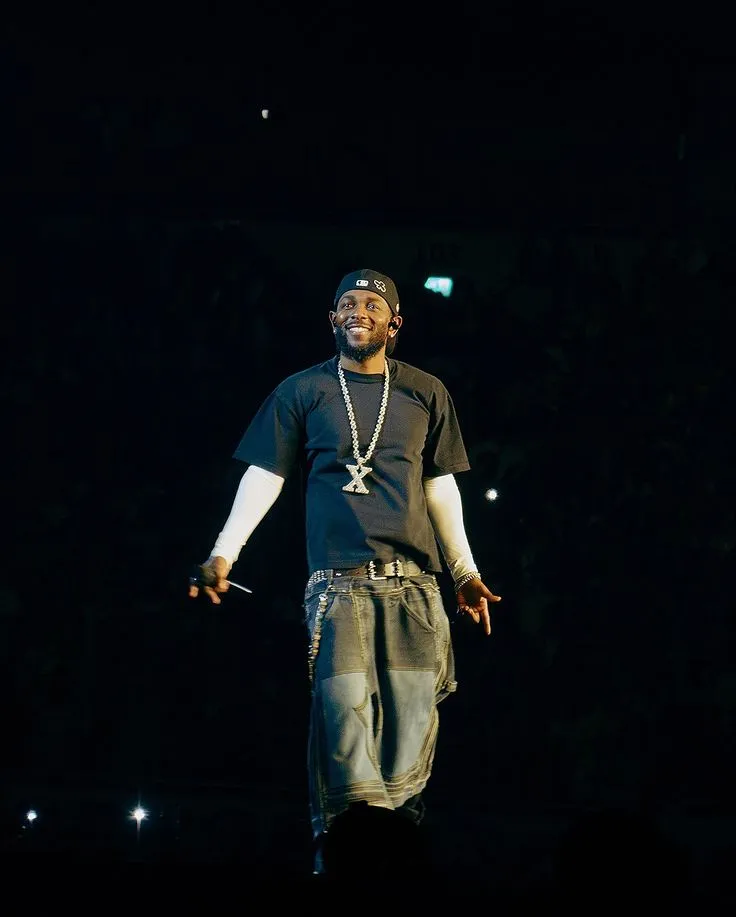
The song is structured in two tightly woven movements. The first half is intimate yet cutting, where Lamar sizes up rivals, drops pointed barbs, and establishes pecking orders. Lyrics land like push notifications, each line brief, dense, and loaded with subtext. By the second half, the record explodes into a big-room anthem, with Mustard’s drums driving the momentum and Lamar taunting, “turn his TV off,” transforming a living-room gesture into a public silencing, a move both symbolic and performative.
Sampling and Sonic Collage
TV Off’s production is a masterclass in sampling and musical storytelling. It interpolates Monk Higgins’ take on MacArthur Park, flashes horn figures from John Barry’s The Black Hole – Overture, and references The Notorious B.I.G.’s “Kick in the Door”, fusing West Coast tension, cinematic sweep, and East Coast grit. The result is a multi-dimensional sonic landscape, allowing Lamar to pivot from street-level quips to widescreen declarations without losing momentum.
Dense, Quotable Lyricism
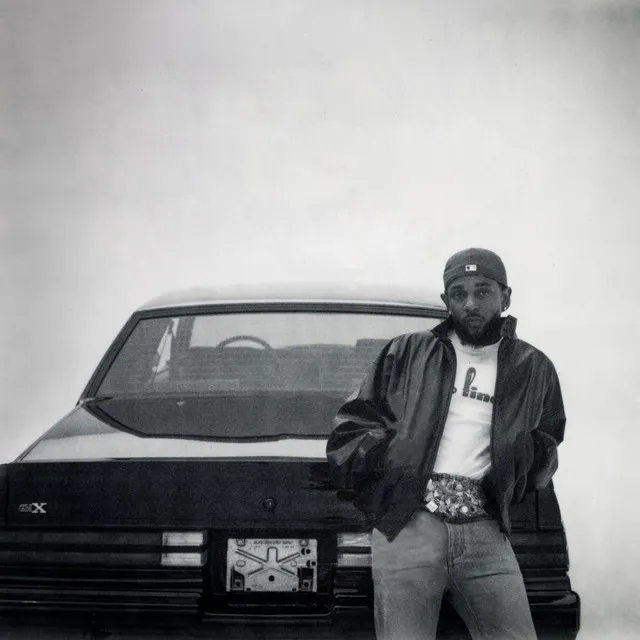
Every bar is meticulously crafted. From “All I ever wanted was a black Grand National,” referencing the rare 1987 Buick GNX and Lamar’s birth year, to “This is not a song” and “alpha and omega,” the track reads like a manifesto. Each line is under ten words but loaded with cultural meaning and symbolic heft, demanding attention from listeners who crave more than surface-level hooks.
Diss Culture and Subtext Released after months of feuds and diss records, TV Off functions as Lamar’s strategic response to the 2024 rap landscape. Fans and critics alike have noted side-eyes at peers, with hints at entitlement and competitive friction. Though names like Drake and J. Cole are never explicitly mentioned, the track resonates as a cultural chess move, reflecting the tension, spectacle, and narrative of an entire year in hip-hop.
Lefty Gunplay’s Outro and Internet Culture
The hypnotic outro chant—“crazy, scary, spooky, hilarious”—is emblematic of Lamar’s genius at merging music and meme culture. Four words, no commas, delivered with rhythm, create a verbal calling card that fans instantly map onto the year’s drama, diss tracks, and public spectacle. This linguistic signature demonstrates Lamar’s ability to set trends while critiquing the media landscape simultaneously.
The Super Bowl LIX Moment
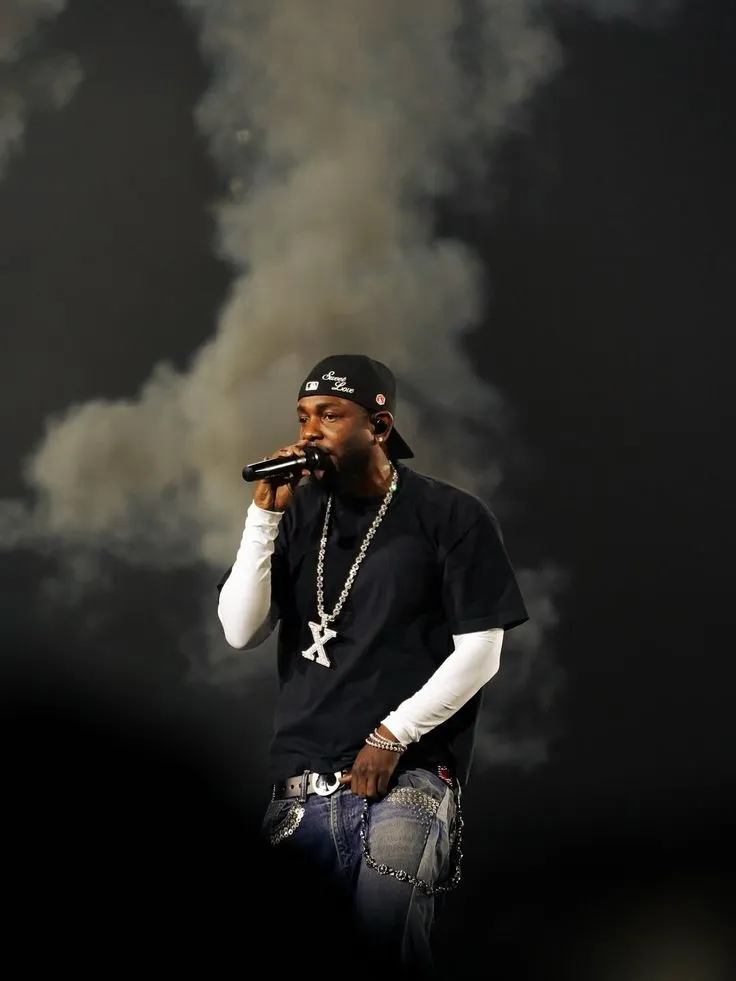
Lamar cemented TV Off’s cultural impact by closing his Super Bowl LIX halftime performance with the song’s second half, sharing the stage with Mustard in a carefully staged spectacle.
This move wasn’t just a performance—it was world-building, integrating sports television, live audiences, and global viewership into the track’s narrative. By turning a mass media platform into part of the song’s story, Lamar underscored TV Off’s dual power as entertainment and editorial commentary.
Commercial and Chart Performance
As a single, TV Off dominated charts globally, driving GNX’s visibility and powering urban radio rotations through 2025. The track exemplifies a headline-making record: it moves quickly, resonates with fans, and occupies multiple top chart spots at once. For a song metaphorically about switching off screens, its reach was nearly omnipresent, bridging digital streams, radio, and live performances effortlessly.
Cultural Critique and Media Commentary
At its core, TV Off operates as a cultural critique. Lamar flips the familiar phrase, “This revolution been televised,” daring audiences to stop doom-scrolling and pay attention, or better yet, to literally turn their TVs off.
The track blends self-aware humor with a sharp critique of media saturation, social spectacle, and audience distraction. It’s a victory lap, a West Coast rallying cry, and a statement about the digital age, all simultaneously.
Why Fans Can’t Look Away
Part of TV Off’s viral energy comes from its layered listening experience. Casual fans enjoy the bounce and infectious chorus. Hardcore listeners dissect lyrical subtext, production nods, and references to 2024 feuds.
The track creates multiple entry points for engagement, from stadium chants to memeable producer tags, from cultural critique to lyrical manifesto. It’s accessible yet dense, a rare combination that fuels both discussion and replay value.
The Internet Phenomenon
The “Mustard!” shout, Lefty Gunplay’s outro, and the repeated hook “turn his TV off” all became internet phenomena, inspiring TikTok trends, meme formats, and fan covers. In a year dominated by social media spectacle, TV Off leveraged digital culture to amplify its impact, proving that Kendrick Lamar doesn’t just release songs—he orchestrates cultural moments.
Victory Lap and Legacy Framing
Ultimately, TV Off reads as a victory lap, a self-conscious assertion of dominance, and a clever media critique. By combining diss track elements, stadium-ready hooks, and pointed cultural commentary, Lamar establishes a blueprint for how modern hip-hop can intersect with public spectacle, personal narrative, and digital virality. The song doesn’t just play—it demands attention, conversation, and analysis.
Conclusion: TV Off as Cultural Milestone
Kendrick Lamar’s TV Off is a layered masterpiece. Its genius lies not only in lyrical dexterity and production prowess but in its ability to spark conversation, trend online, and dominate live performance arenas. Whether you’re a casual listener enjoying the beat, a fan decoding bar-by-bar references, or a culture critic mapping the 2024 hip-hop ecosystem, TV Off delivers something unforgettable.
From the “Mustard!” meme to the stadium chants, from cultural critique to victory lap, the track proves that Kendrick Lamar remains a master of both music and spectacle. And as screens flicker across the globe, the ultimate challenge he leaves listeners with is simple yet profound: Will you turn your TV off—or watch closely?
Related News