








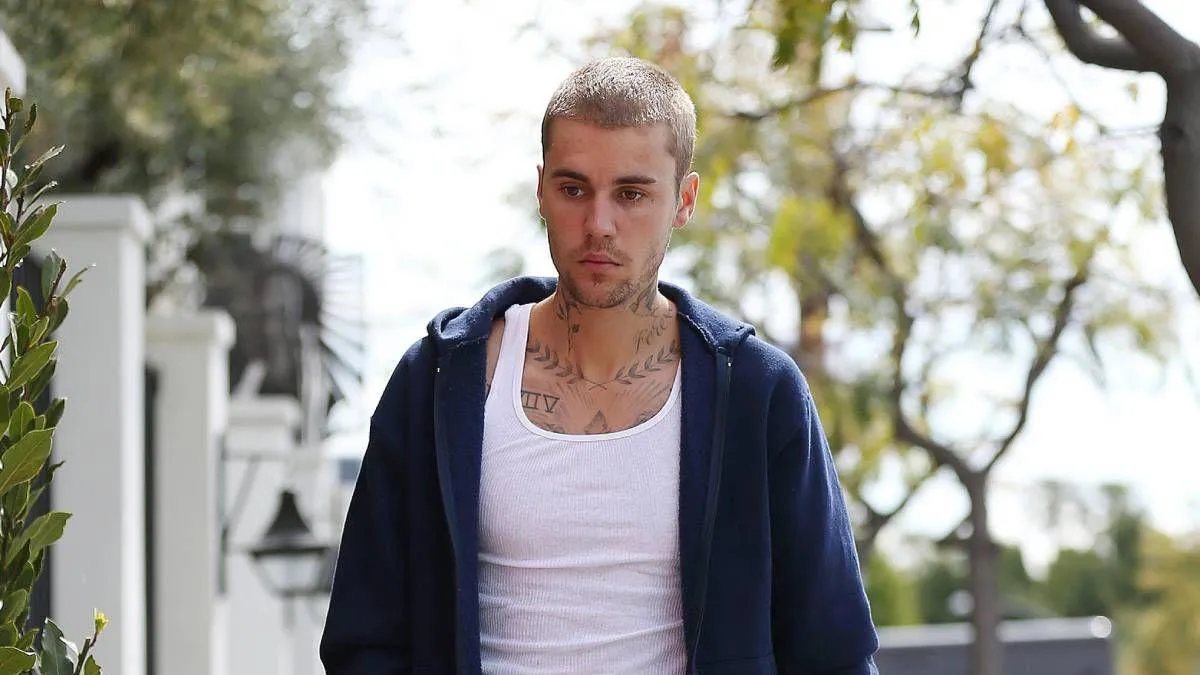
Fans Are Worried After Justin Bieber Admits He Wasn’t a ‘Clean Man’ — The Truth Behind His Cryptic Post
At first glance, the post seemed like a reflective piece, possibly even a spiritual confession. But with no direct context and a tone that hinted at both vulnerability and redemption, Justin Bieber’s fans and followers were left to wonder: what exactly did he mean by not being “clean”? Was he referencing a relapse? A moral failing? Or something deeper from his past that he hadn’t shared before?

The Cryptic Post That Sparked Concern Across Social Media
The message in question was shared on Justin’s Instagram stories and then re-shared on his feed by fan pages, influencers, and news outlets alike. It read:
“Thank you Jesus for your forgiveness! Thank you that when I was at my worst you never gave up on me. I’m not a clean man. But I’ve been washed in your blood. I’m not proud of my past, but I am proud of what you’re doing with my future.”
The wording was intense. “I’m not a clean man.” It hit hard, especially for fans who have followed Bieber’s long and often public struggle with identity, fame, substance abuse, and mental health. The post carried the tone of someone speaking from a place of redemption, but also a man still confronting the gravity of his past.
People quickly took to Twitter, TikTok, and Reddit to analyze and discuss the meaning of the post. Was Justin Bieber confessing something he hadn’t before? Was this a public cry for help masked as religious gratitude? Or simply a reflection of spiritual growth?
A Glimpse Into Bieber’s Troubled Past and Public Struggles
To understand the weight of Bieber’s message, one must reflect on the very public life he has led. As a teenager, Justin Bieber experienced the kind of global fame most people can only imagine. But that fame came with intense scrutiny, relentless pressure, and the eventual unraveling of a young star trying to find himself.
By his early twenties, Bieber had been involved in multiple controversies, including run-ins with the law, accusations of reckless behavior, and documented use of drugs and alcohol. He spoke candidly in the YouTube docuseries “Seasons” about his battle with addiction, revealing moments when he felt “really, really suicidal.” He admitted to using drugs as a way to cope with the demands and expectations that came with fame.
During interviews and past posts, he discussed a period of time when he would wake up and immediately use substances just to get through the day. He admitted to disrespecting women, being emotionally closed off, and pushing away the people who loved him most. The phrase “I wasn’t a clean man” could very well be an acknowledgment of this darker period in his life — not just physically through addiction, but emotionally, morally, and spiritually.
Hailey Bieber’s Role in His Recovery and the Journey to Redemption
Much of Bieber’s road to redemption is intertwined with his marriage to Hailey Bieber. The couple has spoken about how their relationship was tested in the early days of marriage, especially as Justin was still facing mental health challenges and trying to live a life grounded in faith and sobriety.
Hailey has been vocal about her Christian faith and the importance of forgiveness and healing in their relationship. According to past interviews, Hailey never saw herself as the one who “saved” Justin, but rather someone walking alongside him through recovery. Her unwavering presence, combined with therapy, pastoral guidance, and spiritual practices, helped create a structure in Bieber’s life that he had lacked before.
This makes his recent Instagram post even more poignant. When he says, “I’ve been washed in your blood,” he isn’t just making a spiritual statement. He’s referencing a transformation that his fans have seen in real-time — from troubled pop star to a man seeking faith, love, and responsibility.
Still, the use of words like “not proud of my past” reminds fans that Bieber continues to reckon with his history. He may be sober and stable now, but the scars remain — and he’s not pretending otherwise.
The Ongoing Weight of Public Expectations
Despite his progress, Justin Bieber is still, at his core, someone whose every move is watched. This constant surveillance can have detrimental effects on mental health. The recent post could also be a subtle critique of how unforgiving public opinion can be — especially for celebrities who mess up at a young age.
In 2020, Bieber shared another revealing message, saying:
“I went from a 13-year-old boy from a small town to being praised left and right by the world with millions saying how much they loved me and how great I was… everyone did everything for me so I never even learned the fundamentals of responsibility.”
That kind of self-awareness isn’t common among celebrities, but it’s become a hallmark of Bieber’s online presence in recent years. His cryptic Instagram note could be yet another layer of that evolving self-narrative — a confession of imperfection and a plea for grace in a world that often denies it to those in the spotlight.
The Power of Faith in Justin Bieber’s Life
One cannot interpret the post without understanding Bieber’s strong Christian faith. Over the years, his connection to churches like Hillsong and later Churchome became not just a backdrop but a central part of his identity. He frequently uses religious language to discuss his experiences, and much of his healing appears tied to his understanding of divine grace and forgiveness.
When Bieber says he’s “been washed,” he’s echoing the Christian concept of being cleansed through the sacrifice of Jesus — a fresh start. His followers who share his faith took comfort in these words, but others were concerned about the possible implication of guilt or internal conflict.
Religious language, especially when coupled with phrases like “not proud of my past,” can stir concern in a fanbase not just for spiritual well-being, but emotional stability. Was this a celebration of healing? Or a veiled cry about lingering guilt?
Mental Health and the Reality of Trauma
Another possibility raised by fans and professionals alike is that this post could be tied to mental health challenges. Bieber has been open about dealing with anxiety, depression, and complex trauma from both his personal life and the strains of stardom. Trauma doesn’t vanish with fame or marriage. It lingers, often resurfacing during times of stress, introspection, or spiritual reflection.
In a previous interview with GQ, Bieber said, “There were times when I was really, really suicidal. Like, man, is this pain ever going to go away?” That kind of internal struggle can result in long-lasting effects, even in moments of apparent stability.
So when fans saw the phrase “I wasn’t a clean man,” it may have triggered concern that he was once again grappling with those old, painful emotions. It wasn’t just about drugs or fame — it was about identity, shame, and the ongoing battle for inner peace.
A Moment of Honesty — or Something More?
Bieber’s fans are now split between admiration and worry. Some commend his openness and vulnerability, saying posts like these break down the illusion of celebrity perfection and help reduce stigma around topics like addiction, mental health, and spiritual doubt. Others worry that he’s falling into old patterns, or worse, that he’s still carrying unprocessed guilt that could threaten his stability.
It’s important to note that Bieber has not followed up with any clarifying messages. He hasn’t done an interview or released a statement to expand on the meaning of his words. Whether intentional or not, this silence has amplified the public’s speculation. It has also magnified the emotional weight of the original post.
In today’s world, where every word from a public figure is dissected and reshared within seconds, messages like these don’t remain private reflections. They become global discussions — conversations about accountability, healing, spirituality, and the complexity of being human in front of billions of eyes.
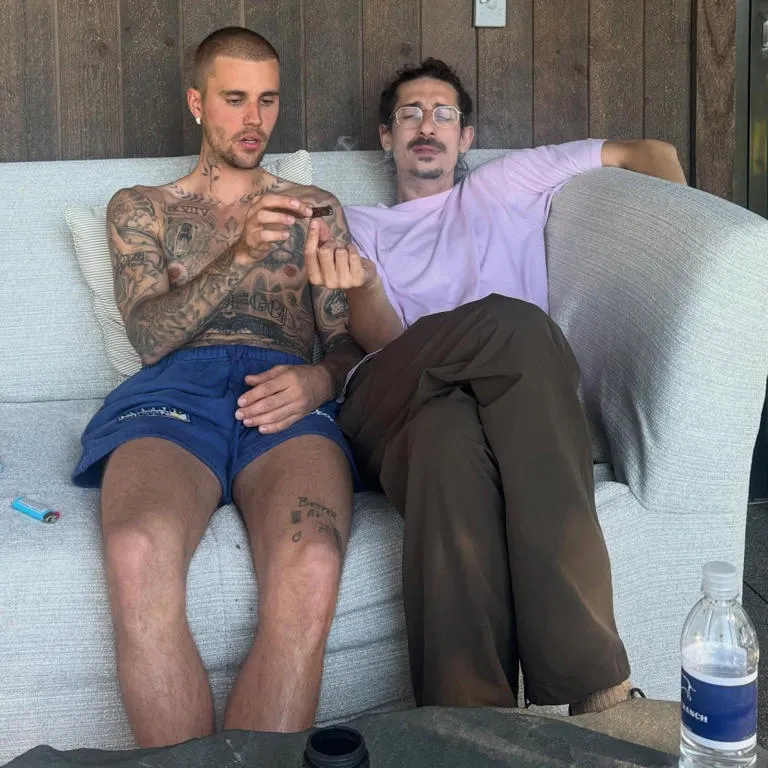
The Road Ahead for Justin Bieber
At 31, Justin Bieber is not the boy wonder of “Baby” fame anymore. He’s a man who has survived the crushing machinery of celebrity culture and come out on the other side — not unscathed, but still standing. Posts like this one show that while the journey may continue to be rocky, it is also real, raw, and worth respecting.
His honesty — as unsettling as it may be — is perhaps one of the most powerful things he offers his audience now. Not perfection. Not curated happiness. But the truth. And in that truth, there’s pain, faith, and a longing to be understood not as a pop star, but as a person.
For fans, the challenge is not just to react, but to listen. To hold space for a man who is still healing, still evolving, and still finding the right words to explain a life that has never been truly private.
In a world saturated with filtered lives and curated personas, Justin Bieber’s confession might just be what authenticity looks like — messy, unfinished, but deeply human.
Related News