Fabio Quartararo Surprises with Revelation: “Yamaha Makes Me Feel Like I’m Racing on a Wet Track!”
🎗101
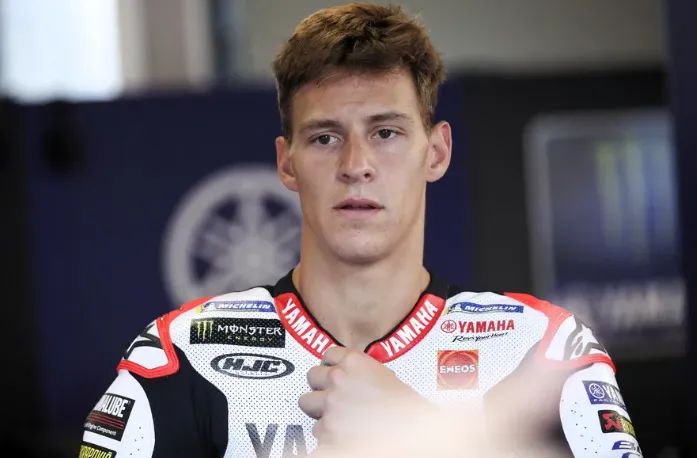
The 2026 Dutch MotoGP at Assen became yet another chapter in Fabio Quartararo’s ongoing struggle with Yamaha’s race-day competitiveness. Despite demonstrating elite one-lap speed by securing pole position, Quartararo was left frustrated during the race, likening the lack of grip to riding on a wet track. Yamaha’s race pace woes, traction issues, and horsepower deficit once again proved too much for the Frenchman to overcome.
Speaking candidly after the race, Fabio Quartararo did not sugarcoat the situation. From the moment the lights went out, the 2021 MotoGP World Champion struggled to find grip. His description painted a bleak picture:
“The first laps were a complete disaster for us. We have zero grip. Especially in the first laps, my bike looks like I’m riding on the wet. Sliding, I cannot follow, and it’s a bit frustrating.”
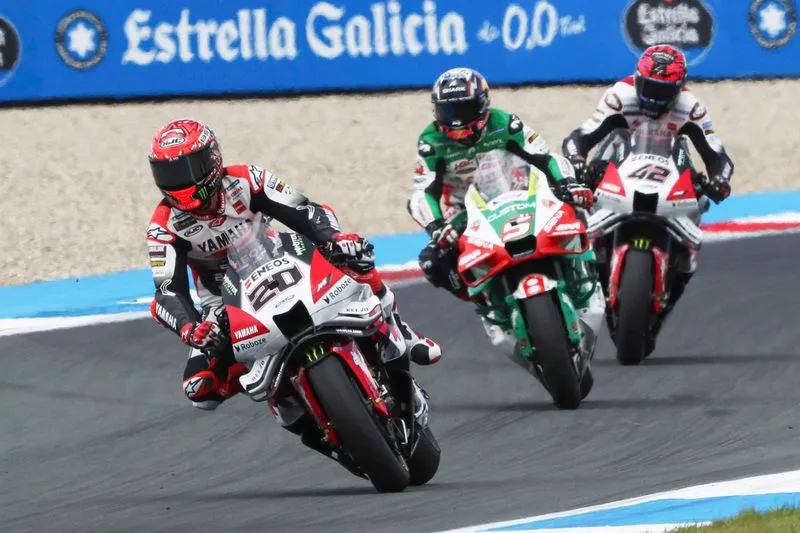
This lack of grip forced Quartararo to go on the defensive instead of capitalizing on his pole position. Things got worse when he had to avoid the fallen Fermin Aldeguer, which disrupted his rhythm and allowed several riders to pass him.
Despite showing better pace later in the race, the damage was done. Quartararo finished a disappointing tenth, unable to climb higher in the competitive MotoGP field.
In the second half of the race, Fabio Quartararo finally found some speed as the tires warmed and conditions stabilized. However, a lack of acceleration and top-end power rendered him powerless to pass slower riders ahead.
“Then in the second part of the race, I could go much, much faster – but I’m not able to overtake.”
Yamaha’s Achilles’ heel has long been its inability to convert one-lap speed into race-winning form. This was highlighted once again as Quartararo followed Enea Bastianini’s KTM to the finish, unable to mount a meaningful challenge.
Acceleration and Power Deficit Exposed
One of the most critical areas where Yamaha falls short is acceleration from slow corners. Quartararo explained that exiting tight turns is where the M1 loses the most time compared to rival machines:
“Basically, when we have to start from a really slow corner onto the straight, it’s really bad. We have zero grip and we don’t really know how to use the power.”
Quartararo noted that competitors like KTM, Ducati, and Aprilia are able to manage wheelies and deploy power more effectively, giving them a clean drive out of corners. In contrast, Yamaha riders face excessive wheelspin, underwhelming power delivery, and poor traction.
“They pull away in first and second gears. And when they get to third, fourth, fifth, sixth, we miss a lot of horsepower.”
This lack of straight-line speed is exacerbated on circuits like Assen, where acceleration zones are followed by long straights.
Spinning in Sixth Gear: Quartararo Paints a Grim Picture
Perhaps most alarming was Quartararo’s admission that the Yamaha spins up even in sixth gear, robbing him of critical stability before high-speed corners.
“Spinning in sixth gear before you arrive at a fast corner is not the best… We know we need much better things to go faster.”
Despite his technical struggles, Quartararo remained positive about Yamaha’s team spirit, highlighting the unified effort between the Monster Energy Yamaha and Pramac Yamaha squads.
“We are a team and we are all working together to try to find the best situation possible.”
However, the reality is harsh: without significant technical upgrades, even the best teamwork cannot close the gap to the front.
Fabio Quartararo’s 2026 Season: A Rollercoaster of Hope and Frustration
The 2026 MotoGP season has been a frustrating rollercoaster for Quartararo. On the one hand, he has returned to the MotoGP podium for the first time since 2023 with a stellar second-place finish at Jerez. He has also secured four pole positions, underlining his brilliance in qualifying.
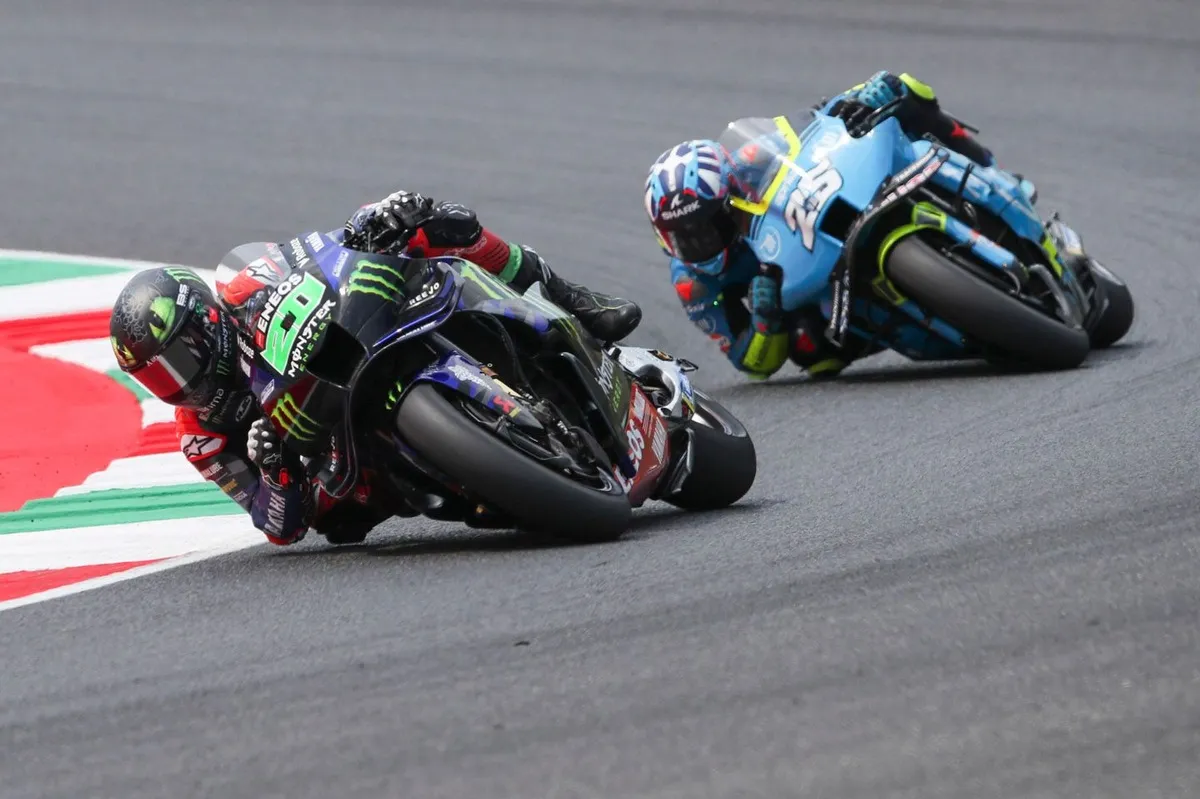
But Sunday’s race pace tells a different story. After leading at Silverstone, a ride-height device failure robbed Quartararo of a potential victory. He followed that heartbreak with non-scores in three consecutive races, including disappointing finishes of 14th at Mugello and 10th at Assen.
These struggles have dropped Quartararo to eleventh in the MotoGP world championship standings, a far cry from the title contender he once was.
Yamaha’s Constructors’ Standings Nightmare
Yamaha’s struggles extend beyond Quartararo. His teammate Alex Rins sits only 17th in the standings, and the manufacturer is currently last in the MotoGP constructors’ standings. Yamaha’s once-dominant position in MotoGP has eroded, leaving them as a shadow of their former selves.
The company is now developing a V4 engine, expected to debut in 2026. This move marks a significant shift in Yamaha’s engineering philosophy, as they move away from their traditional inline-four configuration. However, the question remains: can they develop the new engine fast enough to return to the front of the grid?
The Dutch GP: A Symbol of Yamaha’s Struggles
The 2026 Dutch Grand Prix perfectly encapsulated Yamaha’s predicament. Quartararo’s pole position showed the M1’s potential over a single lap. But once the race began, a lack of grip, poor acceleration, and straight-line speed left him exposed.
Even when Quartararo was faster in race trim, he couldn’t overtake riders who had stronger acceleration and horsepower. This left him stuck in a train of slower bikes, unable to maximize his own pace.
Yamaha’s Road to Recovery: Can They Solve Their Problems in Time?
The 2026 season has turned into a development year for Yamaha. The V4 project represents a long-term fix, but short-term solutions are also desperately needed. Quartararo has been vocal about the areas needing improvement:
Traction control and grip management from slow corners.
Power delivery optimization in first and second gears.
Straight-line horsepower increases without sacrificing reliability.
However, these are complex technical problems that cannot be solved overnight. Yamaha’s Japanese headquarters and European race team face an enormous challenge if they hope to provide Quartararo with a competitive machine before 2026.
Quartararo’s Mental Strength Tested to the Limit
For Quartararo, these struggles have been mentally taxing. A fierce competitor by nature, he knows his own capabilities are far greater than his results reflect. Despite this, he continues to fight, maintaining a positive attitude toward the team.
“I know my potential as a rider and I know how fast I can go. Realistically, we know that when we go into the race, we are not going to make great results. It’s difficult, because we cannot make an overtake.”
These words show the mental resilience that Quartararo has built in the face of adversity.
MotoGP Rivals Pulling Away
While Yamaha battles technical limitations, their rivals are moving forward. Ducati, KTM, and Aprilia have each improved their bikes’ balance between horsepower and handling. Honda, despite their own difficulties, have also made strides toward rebuilding.
Meanwhile, Quartararo and Yamaha remain stuck in development limbo, their early-race grip woes and lack of top-end speed becoming predictable weaknesses that rivals exploit.
Assen’s Painful Lessons: A Turning Point or More of the Same?
The Dutch Grand Prix could serve as a wake-up call for Yamaha. The harsh truth is that qualifying speed means little without race pace. Unless Yamaha can fix the bike’s core weaknesses, Quartararo’s talent will continue to be wasted fighting for minor points rather than podiums.
Fans and experts alike are left wondering how much longer Quartararo will tolerate this struggle. With his contract running through 2026, many believe that unless Yamaha turns things around quickly, Fabio Quartararo could seek a new home when the V4 era begins.
What’s Next for Fabio Quartararo and Yamaha?
The summer break offers a brief window for reflection and regrouping. Yamaha’s engineers will be under intense pressure to deliver updates that can improve grip and acceleration. However, major engine changes are unlikely until the V4 package arrives.
For Quartararo, the mission remains clear: fight for every position, maximize qualifying sessions, and continue pushing Yamaha’s development forward. He remains one of the most naturally gifted riders on the grid, capable of extracting the maximum from even a flawed machine.
Conclusion: A Future in the Balance
Fabio Quartararo’s description of Yamaha feeling “like I’m riding on the wet” is more than just a colorful quote—it’s a stark reflection of the M1’s current competitiveness. Unless Yamaha makes significant progress, Quartararo’s 2026 season risks being another frustrating campaign of what-ifs and missed opportunities.
The question for Yamaha is no longer whether they need change—it’s whether they can deliver it fast enough to keep one of MotoGP’s brightest stars on their roster.