






Everyone Thought It Was Just a Brilliant Plot — Until One Tiny Detail Made Everyone Think Twice
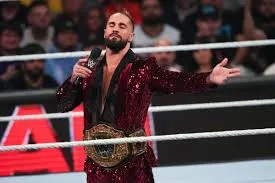
We’ve had it confirmed — from none other than the most sanctified voice in WWE, The Oracle himself, Paul Heyman: Seth Rollins was never actually injured. The crutches, the limping, the grave facial expressions — all of it was part of a grand deception, designed to mask a perfectly timed Money in the Bank cash-in.
Sure, the reveal gave us one of the most iconic images of SummerSlam — Rollins tossing his crutches aside, storming the ring like a warrior reborn. But here’s the uncomfortable truth: just because it was clever doesn’t mean it was right.
Wrestling Has a Long History of Faking Injuries — But This One Crossed a Line
Let’s be clear: fake injury angles are nothing new in pro-wrestling. From backstage attacks to stretcher jobs, the genre thrives on blurring the line between real and scripted. But typically, the deception is short-lived and clearly framed as part of the show — and almost always used to fool the opponent, not the entire fanbase.
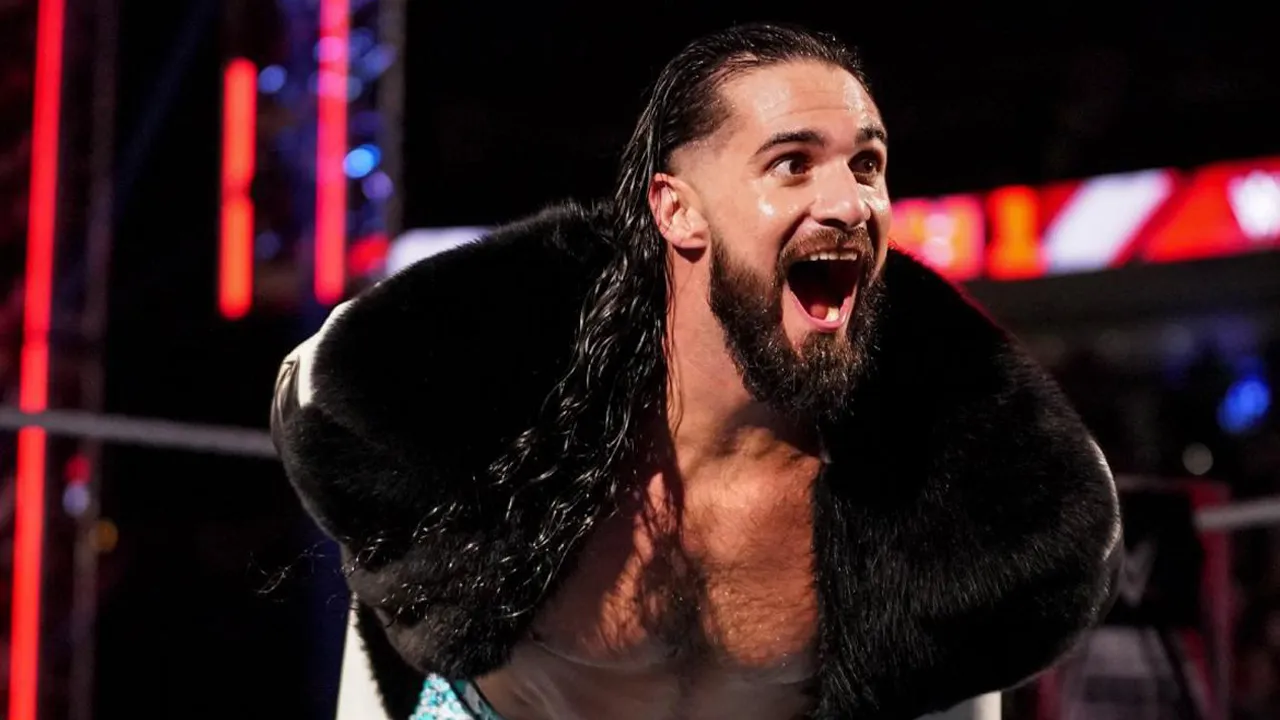
The Seth Rollins storyline wasn’t framed that way. It was designed to feel real, to tap into the audience’s empathy in a disturbingly authentic way. And it worked — precisely because we’ve seen injuries like that before. Not long ago, Zoey Stark suffered a knee injury that looked horrifyingly similar to what was being teased for Rollins. You didn’t need to be a smart mark to believe it — you just needed to be human.
Injury sells because it hits different. When Kevin Owens revealed he needed neck surgery, fans didn’t question whether it was a work — they worried. They sympathized. That’s the point of pro-wrestling: we suspend disbelief so that emotions feel real, even when the punches aren’t.
But this? This was manipulating the very empathy that keeps wrestling alive.
WWE Is Opening Pandora’s Box
By making injuries into plot twists, WWE risks turning every future in-ring accident into a guessing game. The next time a wrestler is helped out by medical staff, will fans rally with compassion — or sit there waiting for the next swerve?
Once the audience starts questioning what’s real and what’s not, you lose more than just the surprise — you lose their trust.
And that’s before we even get to the worst part: many inside the locker room believed the Rollins injury was legit. Multiple reports confirm that talent backstage offered support, sympathy, and concern — only to find out they’d been worked. It wasn’t just the audience being manipulated; it was the family.
That’s a slippery slope. Wrestling has a long, complicated history of promoters “working the boys” — and it rarely ends well. When talent no longer knows if what they’re being told is true, resentment builds. Morale tanks. And eventually, people stop caring altogether.
The Only Defense? Paul Heyman’s “Vision”
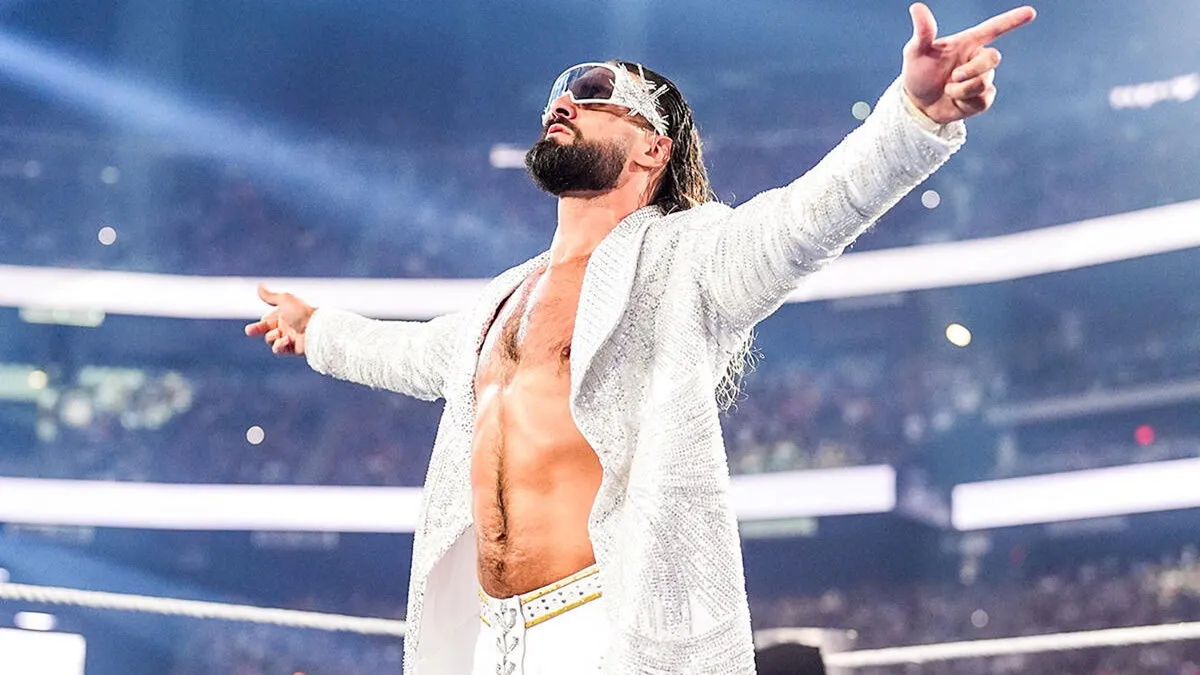
If there’s a case to be made for this entire angle, it comes (naturally) from Paul Heyman. On The Ariel Helwani Show, Heyman framed Rollins as a genius manipulator — the “visionary” who tricked everyone, from CM Punk to the fans, to even his fellow Superstars.
“This is what we call The Vision,” Heyman said.
And to be fair, he’s not wrong. It does add a new layer to Rollins’ character — calculated, unpredictable, even sociopathic. It sets up a fascinating next chapter, especially in his rivalry with Punk. The stakes are higher than ever.
But still, you have to ask:
Is the juice really worth the squeeze?
Wrestling thrives on emotion — but it relies on trust. Break that, and even the most brilliant storylines can collapse under their own weight. As compelling as this angle was, it came at a cost: the respect of a fanbase that doesn’t want to feel used.
And while I don’t often second-guess the Wise Man himself… this time, I’ll make an exception.
Related News