






Drake’s Next Move Could Break the Internet — But UMG Might Just Break
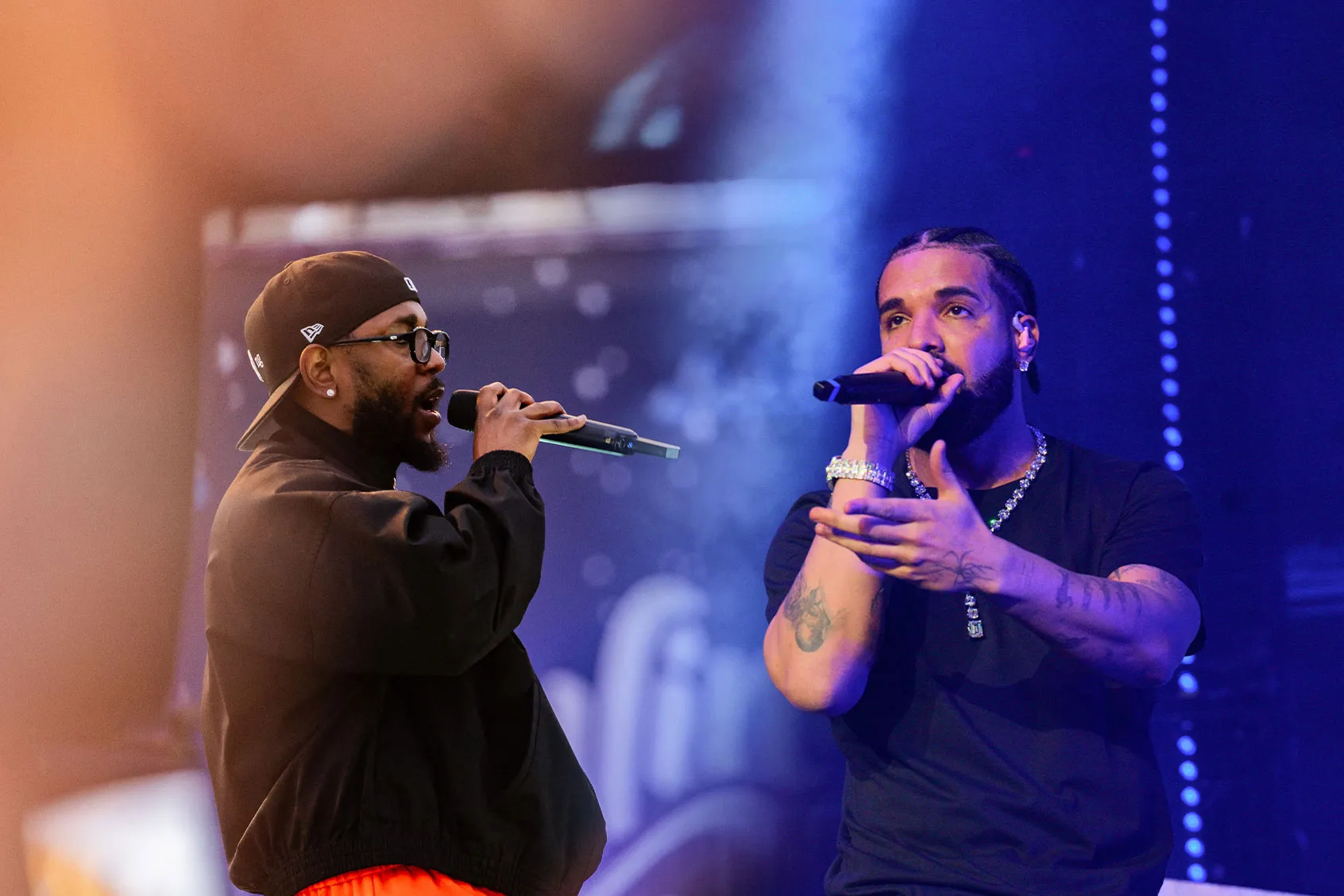
Universal Music Group (UMG) is in a precarious position as Drake intensifies his legal battle against the label, seeking to unseal Kendrick Lamar’s confidential contract. Drake’s legal team argues that exposing the contract could destabilize UMG’s business model and provide competitors with a strategic advantage. The dispute centers around Lamar’s 2024 diss track, “Not Like Us,” which Drake claims defamed him and led to significant personal and professional repercussions.
UMG’s Concerns: The Potential Fallout
Universal Music Group (UMG) has taken a strong stance in court, filing a formal motion to urge Judge Jeannette A. Vargas to keep Kendrick Lamar’s contract fully sealed. UMG argues that even redacted sections of the confidential contract could reveal sensitive business terms that rival labels or competing artists might exploit in their own negotiations. The label emphasizes that public access to these details would severely impact UMG’s negotiation leverage, potentially undermining its ability to strike future deals with major artists.
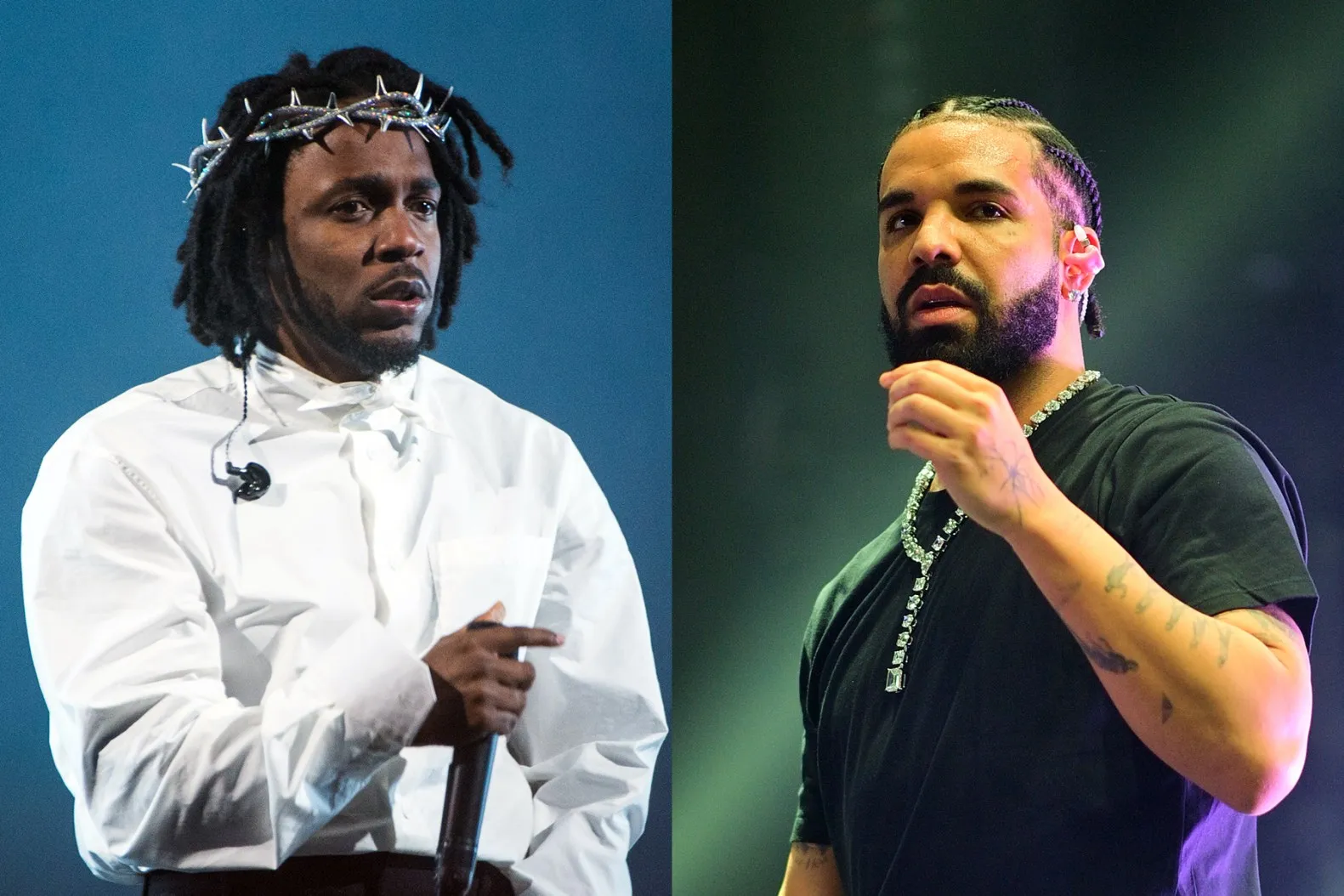
UMG further stresses that Kendrick Lamar’s contract contains critical information about the company’s authority over his music, videos, and ongoing projects—information that is proprietary and strategically vital. Disclosing any part of this contract, even partially, could jeopardize UMG’s business relationships and disrupt ongoing collaborations with Lamar and other top-tier artists. In essence, UMG frames the unsealing of the contract as a potential industry-wide risk, where competitors could weaponize inside knowledge to their advantage, threatening the label’s market position and influence.
Drake’s Allegations: Defamation and Strategic Manipulation
In a high-profile move, Drake filed a lawsuit in January 2025 against Universal Music Group (UMG), alleging defamation and asserting that the label deliberately promoted Kendrick Lamar’s diss track “Not Like Us” to tarnish his reputation. According to the lawsuit, the song contains false and damaging claims that paint Drake as a pedophile, causing significant personal and professional harm.
The lawsuit further details alarming consequences following the song’s release. Drake claims that the track directly contributed to three attempted home invasions at his Toronto estate, including one incident in which his security guard was shot. These events, he argues, demonstrate the real-world danger and reputational damage stemming from UMG’s promotion of Lamar’s controversial recording.
Additionally, Drake accuses UMG of orchestrating a coordinated pay-to-play scheme, leveraging platforms such as Spotify, iHeartRadio, and a network of social media influencers to artificially amplify the reach of “Not Like Us.” The lawsuit suggests that this strategic manipulation was designed to pressure Drake into accepting a less favorable recording deal, highlighting the high-stakes tension between the artist and one of the world’s largest record labels.
UMG’s Response: Dismissal and Denial
Universal Music Group (UMG) has cited multiple legal precedents to bolster its request to keep Kendrick Lamar’s contract under seal. The label argues that public disclosure of the confidential contract could set a dangerous precedent, exposing sensitive business terms and proprietary information that competitors or rival labels could exploit. By referencing prior court rulings, UMG emphasizes that judges have historically protected artist contracts from public view to prevent competitive harm and preserve the integrity of negotiation strategies.
UMG also underscores that Kendrick Lamar’s contract contains critical details regarding the company’s control over his music, videos, and revenue structures. Revealing even redacted sections could compromise UMG’s ability to negotiate with other high-profile artists, weaken the label’s market position, and erode the trust of current and future collaborators. In essence, UMG frames the confidentiality of Lamar’s contract as essential not just for its relationship with Kendrick Lamar, but for maintaining standard industry practices and protecting the company’s strategic interests.
Legal Precedents and Confidentiality Concerns
Universal Music Group (UMG) has emphasized the importance of confidentiality in the music industry by citing multiple legal precedents to justify keeping Kendrick Lamar’s contract sealed. The label points to prior court rulings where judges protected business contracts from public disclosure, recognizing that exposing sensitive terms could cause significant competitive harm. According to UMG, even partial disclosure of Lamar’s recording contract could reveal proprietary strategies, financial arrangements, and negotiation tactics that rival labels or artists might exploit to their advantage.
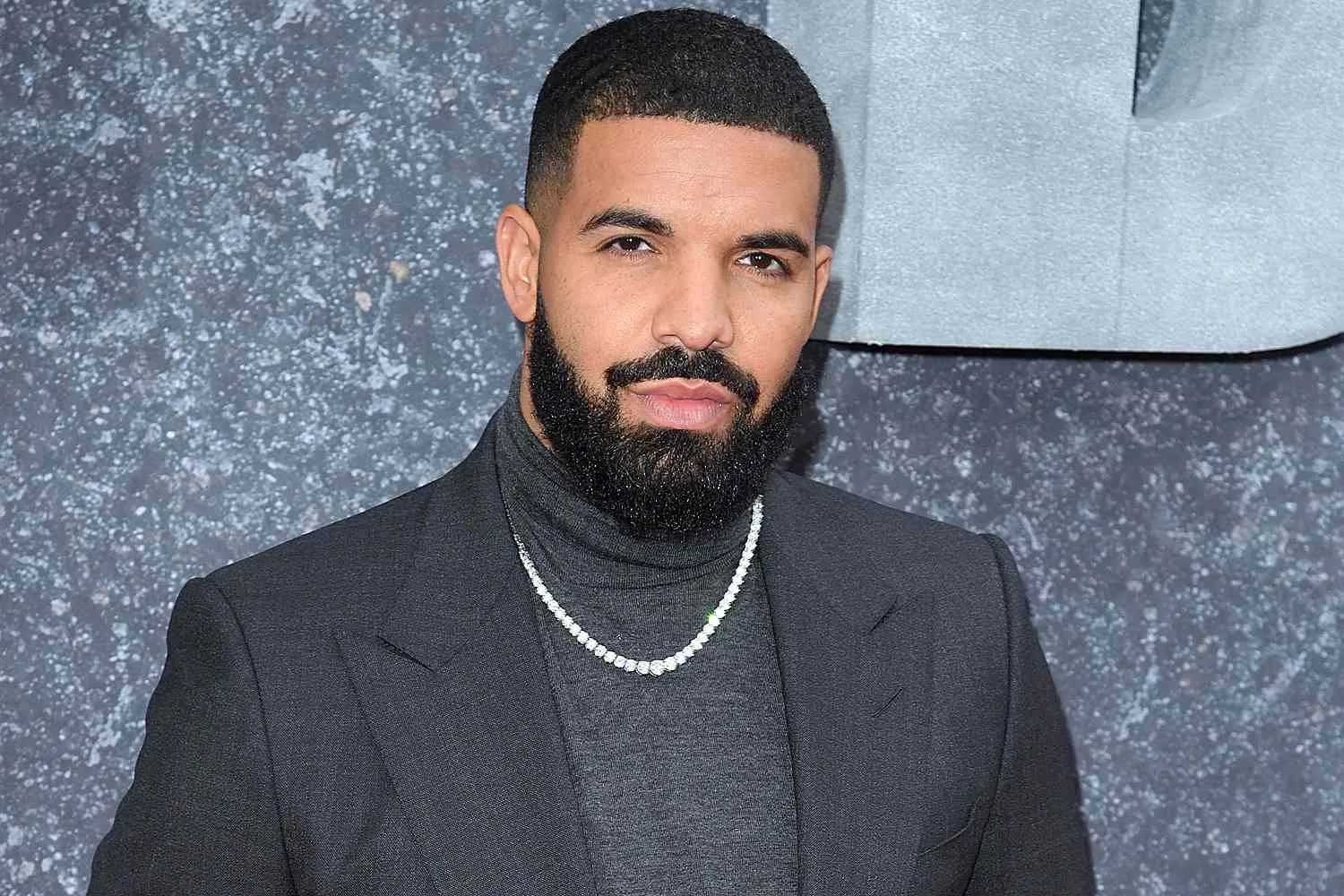
Furthermore, UMG argues that revealing the terms of Kendrick Lamar’s contract could set a dangerous precedent for the entire music industry. If confidential contracts are made public, it could undermine standard practices that have long safeguarded artist-label relationships and negotiation integrity. The label stresses that maintaining confidentiality is critical not only for protecting its own business interests but also for ensuring that the music industry’s ecosystem—from emerging artists to global superstars—remains balanced and fair.
Drake’s Legal Strategy: Seeking Transparency
Drake’s legal team is pushing for greater transparency, seeking to compel UMG to produce an unredacted version of Lamar’s recording contract. They argue that the contract is central to proving their defamation case, as it may contain evidence of UMG’s involvement in the release and promotion of “Not Like Us.” The legal team has also demanded access to documents related to UMG’s historical censorship practices and financial incentives, suggesting that a rivalry between UMG labels Republic (Drake) and Interscope (Lamar) may have motivated the allegedly defamatory campaign.
The Broader Implications: Industry Standards at Stake
The outcome of this high-profile legal battle between Drake and Universal Music Group (UMG) could carry far-reaching implications for the music industry. If the court rules in favor of unsealing Kendrick Lamar’s contract, it could establish a precedent for greater transparency in artist-label agreements, giving artists more insight into the terms and negotiations of their peers. Such a decision could reshape industry norms, empowering artists to make more informed decisions about their own careers and contracts.
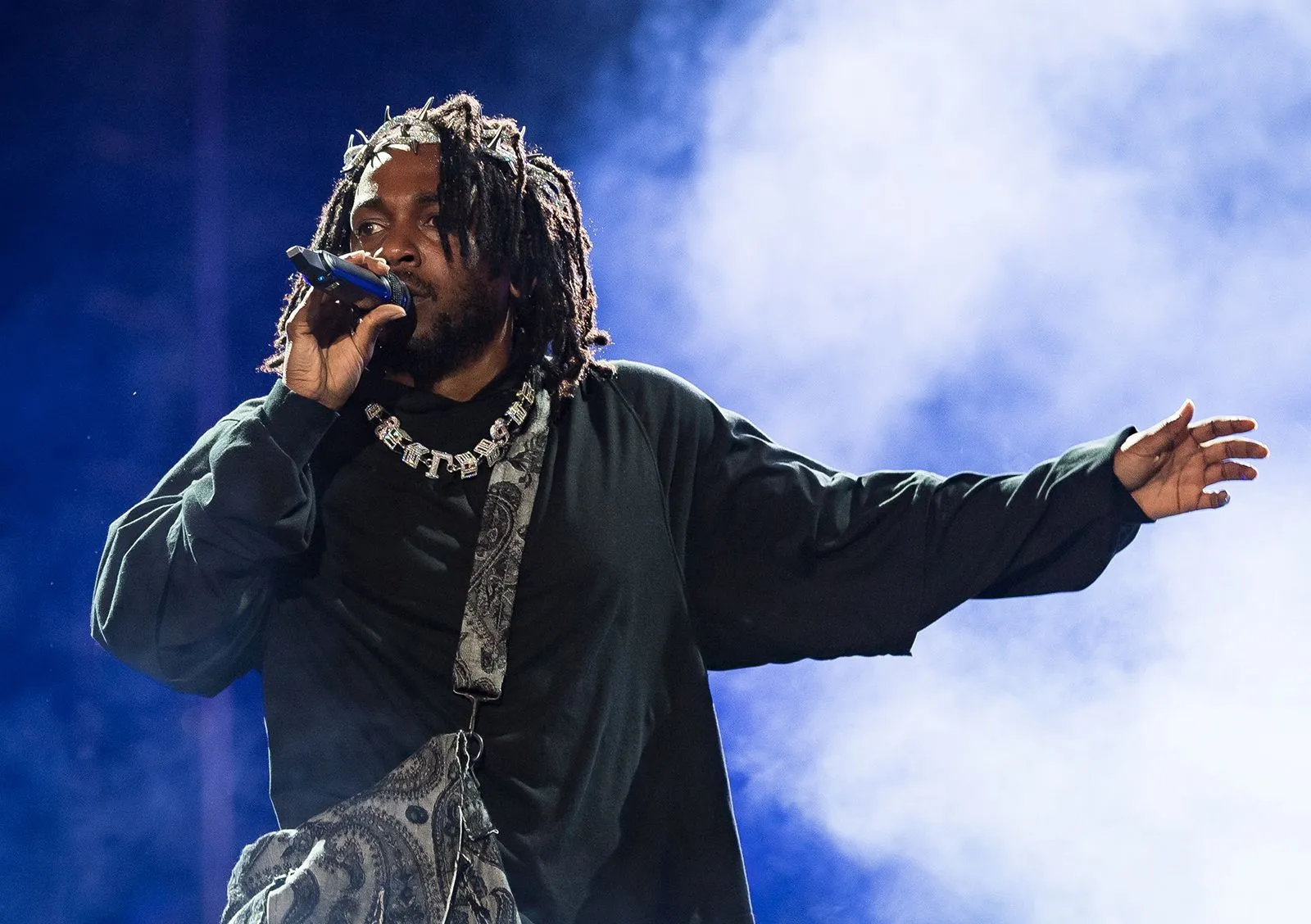
Conversely, if the court sides with UMG, it would reinforce the industry’s standard practices of confidentiality, protecting sensitive business terms and proprietary strategies from public exposure. This outcome could limit artists’ access to information about other contracts, preserving the status quo where labels maintain negotiation leverage and proprietary control over key agreements. In either scenario, the ruling will signal how confidentiality and transparency are balanced in the music world, affecting not just Drake and Lamar but potentially the entire global music industry.
Conclusion: A Defining Moment for the Music Industry
As the legal proceedings continue, the music industry watches closely. The case raises important questions about the balance between confidentiality and transparency, the responsibilities of record labels, and the rights of artists. The decision in this case could redefine industry standards and influence the dynamics between artists and their labels for years to come.
Related News