

Did the Guardians Lose Their Only Shot at a World Series Ring When They Let Francisco Lindor Go?
When the Cleveland Guardians (then known as the Cleveland Indians) traded away Francisco Lindor to the New York Mets in January 2021, the baseball world erupted with opinions, analysis, and fierce debates. For many, this move was more than just a routine trade. It represented a fundamental shift in the Guardians’ direction as an organization and possibly their last chance at making a legitimate run for a World Series in the foreseeable future. The lingering question remains: Did the Guardians lose their only real shot at a championship by letting one of the game’s most electrifying players walk out the door?
To truly understand the implications of Lindor’s departure, it’s crucial to analyze his role in Cleveland’s competitive window, the rationale behind the trade, and the ripple effects that have continued to shape the franchise since that pivotal moment.
The Golden Era of Francisco Lindor in Cleveland
For several years, Francisco Lindor was more than just the face of the franchise — he was its heartbeat. Drafted eighth overall in 2011, Lindor quickly ascended through the minors and debuted in 2015, instantly becoming a cornerstone for the team’s future. His combination of defensive wizardry, offensive production, and charismatic leadership made him a perfect franchise player for a city that desperately needed a star to rally behind.
Between 2015 and 2020, Lindor amassed multiple All-Star selections, won two Gold Gloves, two Silver Slugger Awards, and placed highly in MVP voting. More importantly, he helped lead the team to its most successful stretch in decades, including the 2016 World Series appearance that ended in heartbreaking fashion in Game 7 against the Chicago Cubs. For many fans, that 2016 run remains bittersweet — so close, yet ultimately unfulfilled.
Lindor was not just an elite player on the field; he was also a marketing dream and a beloved clubhouse leader. His ability to thrive under pressure, produce consistently, and bring joy to a team that often played under the shadow of bigger-market franchises made him invaluable.
Why the Guardians Traded Their Star
The decision to trade Lindor wasn’t purely about performance. In fact, it had little to do with that. The primary driver was financial constraints. As a small-market team, the Guardians have long faced limitations in retaining elite talent. Lindor, nearing free agency, was expected to command a contract in excess of $300 million — a figure Cleveland ownership simply wasn’t willing or able to match.
The front office, led by Chris Antonetti and Mike Chernoff, saw two options: hold onto Lindor for one last year, risk losing him for nothing in free agency, or trade him for a package of young players to sustain the team’s competitiveness. They chose the latter.
The return from the Mets included Andrés Giménez, Amed Rosario, Josh Wolf, and Isaiah Greene. At the time, Giménez was seen as a promising infielder with upside, while Rosario was a solid big-league player. The inclusion of two prospects added long-term potential, but even the most optimistic analysts acknowledged that none of these players could match Lindor’s star power or immediate impact.
For fans, the trade felt like an admission that the Guardians were stepping back from truly contending for a title, at least in the near term.
The Immediate Aftermath: A New Reality
The post-Lindor era began with a sharp change in identity. The Guardians shifted from a star-powered team to one defined by youth development and pitching depth. While Cleveland’s farm system had always been a strength, losing a player of Lindor’s caliber created an undeniable void both on and off the field.
The 2021 season was emblematic of this transition. Cleveland finished with a .500 record, missing the playoffs and struggling with injuries, inconsistencies, and an offense that lacked a true centerpiece. It wasn’t until 2022 that the Guardians found some stability, led by a new generation of talent, including José Ramírez (who signed a team-friendly extension), Giménez, and a young core of pitchers.
Still, for all their resilience, the Guardians haven’t replicated the magic of their Lindor-led runs. The team has remained competitive in the AL Central, but they haven’t felt like a legitimate World Series threat. This reality has left many wondering whether trading Lindor effectively closed the door on their most promising championship window.
Could They Have Built Around Lindor?
One of the biggest debates in the aftermath of the trade is whether the Guardians could have found a way to keep Lindor and build a team around him. Critics argue that ownership lacked the willingness to spend big when it mattered most. After all, the Guardians still had a competitive core featuring Ramírez, Shane Bieber, and several other promising young arms.
Had they extended Lindor and supplemented the roster with strategic free-agent signings, Cleveland might have remained among the AL’s top contenders. Instead, their conservative financial approach effectively prioritized sustainability over immediate contention. While this model has kept the team from collapsing entirely — avoiding the long rebuilds that plague other small-market franchises — it has also made it difficult for them to seriously chase a championship in the post-Lindor era.
The Rise of Lindor in New York
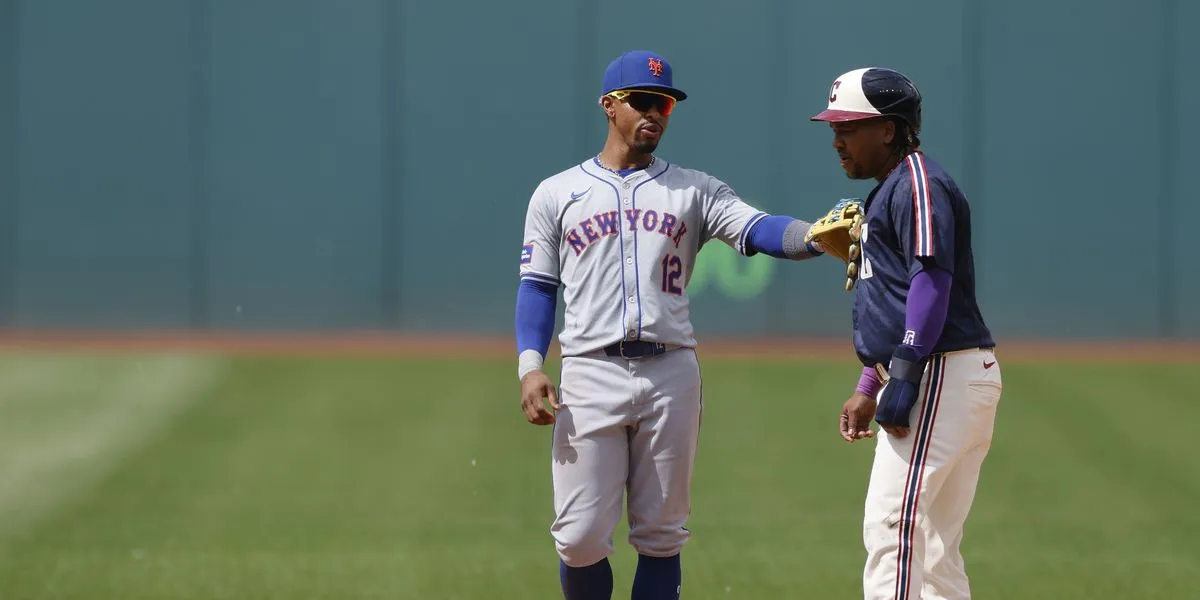
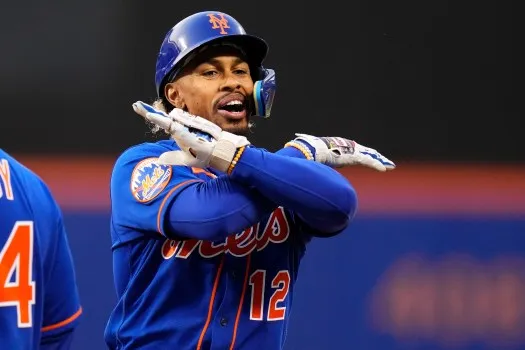
While Cleveland recalibrated, Francisco Lindor embraced his new chapter in New York. After signing a 10-year, $341 million contract with the Mets, Lindor has continued to deliver elite defense and strong offensive production. Though his first season in Queens was uneven, he rebounded with a stellar 2022 campaign and has remained a key piece of a Mets team with championship aspirations.
Seeing Lindor thrive elsewhere has been bittersweet for Cleveland fans. It reinforces the painful truth that their homegrown superstar could have been the anchor for a contending team, but financial limitations prevented that vision from materializing.
Have the Guardians Truly Lost Their Championship Window?
The question at the heart of this debate is whether Cleveland’s best chance at a World Series went out the door with Lindor. In one sense, the answer leans toward yes. The 2016-2020 Guardians, led by Lindor, Ramírez, and a deep pitching staff, were built for October. They had the experience, the talent, and the cohesion to compete with baseball’s best.
Now, the team relies more heavily on player development and overachieving talent rather than star power. While this approach has kept them competitive, it’s difficult to imagine them making a deep postseason run without adding significant offensive firepower. The postseason is often decided by difference-making stars, and the Guardians currently lack the kind of transcendent talent that Lindor provided.
A Future Built on Hope, Not Certainty
That said, the Guardians are not a hopeless franchise. Their emphasis on developing pitching has paid off, with arms like Triston McKenzie, Tanner Bibee, and Logan Allen giving them a foundation to build around. Additionally, Andrés Giménez has blossomed into an All-Star in his own right, proving that at least part of the Lindor trade package is bearing fruit.
But can this group realistically deliver a championship? Without bold moves in free agency or the emergence of another true superstar, the Guardians may find themselves stuck in baseball’s middle ground — good enough to compete but not great enough to win it all.
Conclusion: A Painful What-If
So, did the Guardians lose their only shot at a World Series ring when they let Francisco Lindor go? While it’s impossible to say definitively, it’s hard to ignore that Cleveland’s most legitimate championship window likely closed when Lindor left. He wasn’t just a star; he was the type of player who could elevate an entire franchise.
The Guardians chose sustainability over star power, and while that decision has kept them competitive, it hasn’t made them contenders in the same way they were during Lindor’s prime years. For a fan base still yearning for its first championship since 1948, that trade will forever stand as a painful what-if — a reminder that sometimes the cost of financial prudence is the loss of a dream fulfilled.
Related News