









Controversy Erupts Over Bill Gates-Funded Fruit Coating: Danger or Misunderstanding?
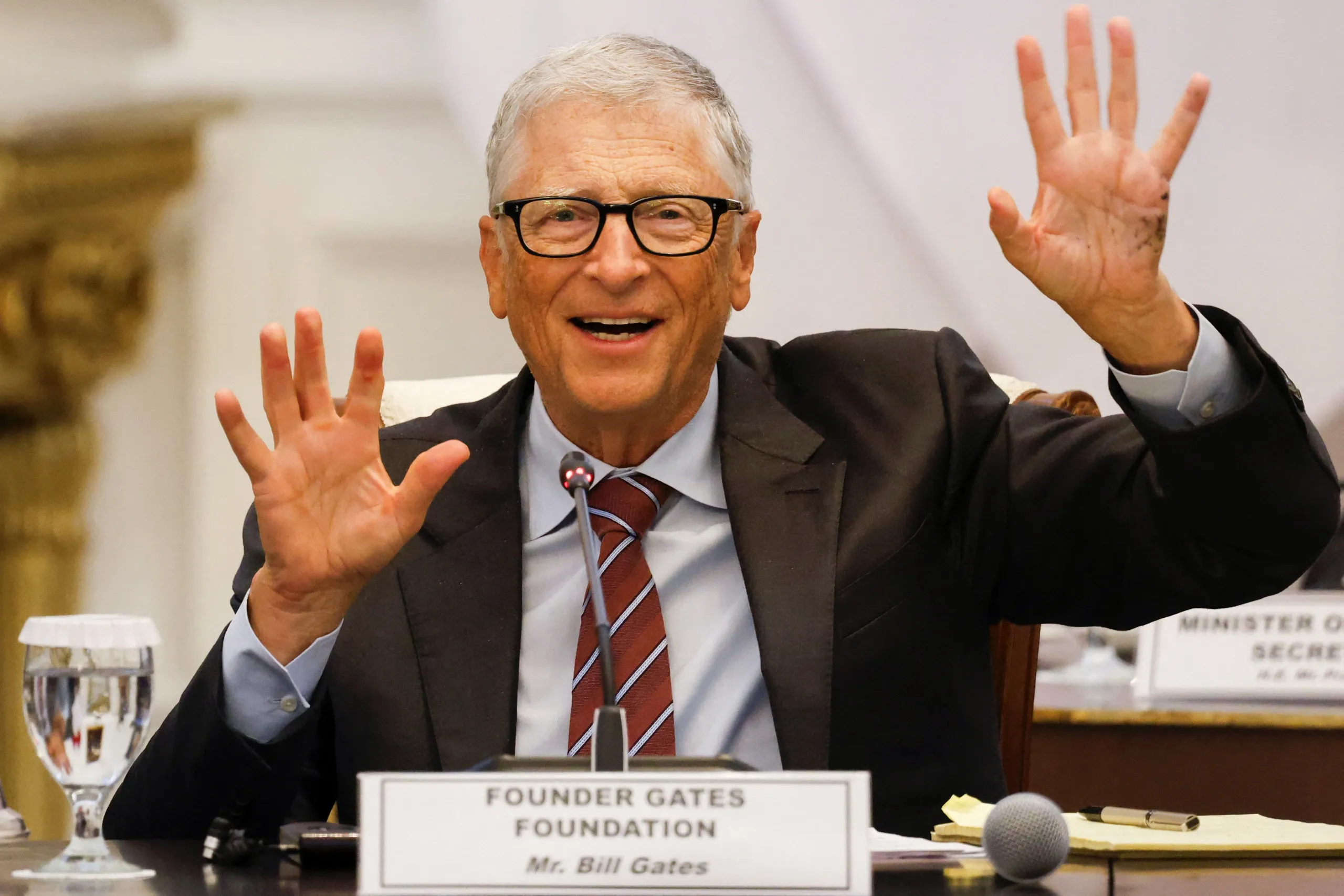
In recent weeks, a heated debate has taken over social media, health forums, and news outlets as Bill Gates finds himself once again at the center of a global controversy. This time, it’s not about vaccines, AI, or climate change, but something far more surprising: a fruit and vegetable coating backed by his foundation. Supporters claim it could revolutionize food preservation, while critics raise alarm over potential health and environmental risks. The clash of opinions has sparked a storm of conspiracy theories, scientific rebuttals, and consumer anxiety. So, is this innovation truly dangerous, or is it all just a misunderstanding fueled by misinformation?
What Is the Fruit Coating?
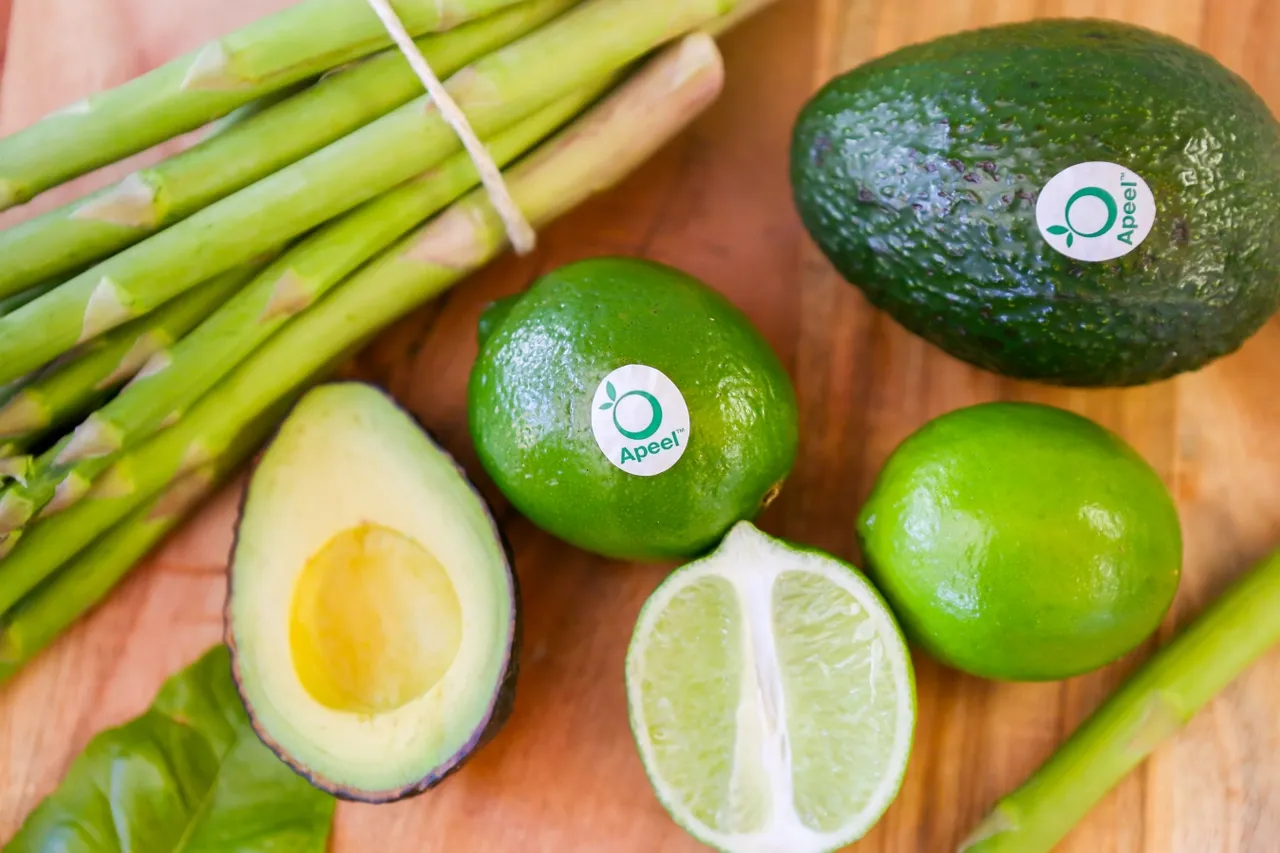
The product in question is a plant-based protective coating designed to extend the shelf life of fresh produce. By adding a thin, edible layer to fruits and vegetables, the coating slows down oxidation and moisture loss, making food stay fresher for longer. This technology, sometimes referred to as “edible packaging” or post-harvest protection, aims to reduce global food waste — a problem that costs the world nearly a trillion dollars annually and contributes significantly to climate change.
Companies like Apeel Sciences, which has received funding from the Bill & Melinda Gates Foundation, have been at the forefront of this innovation. According to its developers, the coating is made from natural substances already found in peels, seeds, and pulp of fruits and vegetables, making it safe for consumption and environmentally friendly.
Why the Backlash?
Despite these claims, the coating has triggered widespread suspicion. Critics on social media argue that it could pose health hazards, with some alleging that chemicals within the coating might cause digestive issues, allergic reactions, or even long-term toxicity. Viral posts warn that the product is part of a “global food control agenda,” pointing to Gates’s previous involvement in controversial projects such as genetically modified organisms (GMOs) and vaccine distribution.
Some detractors even claim the coating cannot be washed off properly, sparking concerns about forced ingestion of something consumers may not want. The imagery of fruits covered in an invisible layer of unknown material has fueled fear, with some calling it “plastic for food.”
Expert Opinions: Safe or Risky?
Food safety experts, however, insist the fears are overblown. Regulatory agencies in the United States and Europe have already approved the coating as safe for human consumption. The ingredients used are classified as Generally Recognized as Safe (GRAS) by the U.S. Food and Drug Administration (FDA). Scientists argue that the coating is essentially made from lipids and glycerolipids — the same types of molecules humans consume daily in fruits, vegetables, and cooking oils.
According to food scientists, the coating poses no greater risk than eating the natural wax already used on apples or cucumbers in supermarkets. In fact, supporters argue it may improve food security, especially in regions where refrigeration is limited, by keeping produce fresh during long supply chains.
Gates and the Trust Problem
Part of the uproar has less to do with the product itself and more with Bill Gates’s reputation. As one of the wealthiest men on earth, Gates has long been the target of skepticism and conspiracy theories, particularly surrounding his investments in agriculture, biotechnology, and health. Many critics believe his philanthropic projects mask a larger agenda of controlling global food systems.
The fruit coating has therefore become a lightning rod for distrust. To some, it’s not just about whether the product is safe, but whether a billionaire should have such influence over what ends up on our plates. The optics of Gates backing a technology that consumers cannot easily see, taste, or avoid has only intensified fears of hidden manipulation.
Environmental and Ethical Questions
Beyond health concerns, critics have also raised environmental and ethical issues. While the coating reduces food waste, some argue it could create dependency on patented technologies, forcing farmers and retailers into contracts with companies like Apeel. This could disadvantage small-scale farmers in developing countries who may not afford the costs of using such technologies.
Others worry that the promise of longer shelf life could encourage overproduction and shipping of food across long distances, undermining local food systems. The debate touches not just on safety but also on who benefits from such innovations and whether they truly address root causes of food waste.
Danger or Misunderstanding?
The controversy surrounding the Bill Gates-funded fruit coating highlights the growing disconnect between scientific innovation and public trust. On the one hand, the technology offers clear benefits in reducing waste, cutting greenhouse gas emissions, and improving food security. On the other, it faces deep skepticism rooted in concerns about corporate power, transparency, and consumer choice.
For many consumers, the issue is not simply whether the coating is safe, but whether they should have the right to choose whether to consume it. Clearer labeling, independent studies, and public education could go a long way in bridging the gap between innovation and acceptance.
Conclusion
The uproar over Bill Gates’s involvement in funding edible fruit coatings may ultimately be less about the product itself and more about broader anxieties surrounding trust in billionaires, corporations, and food safety. While science suggests the coating is safe, the controversy underscores a vital lesson: technological solutions cannot succeed without transparency, accountability, and public trust.
So, is the fruit coating dangerous or simply misunderstood? For now, the answer seems to lie somewhere in between. The science may back its safety, but until consumers feel they have genuine choice and full information, suspicion will remain. What’s clear is that the battle over this innovation reflects a much larger debate about the future of food, power, and who gets to decide what ends up on our tables.
Related News