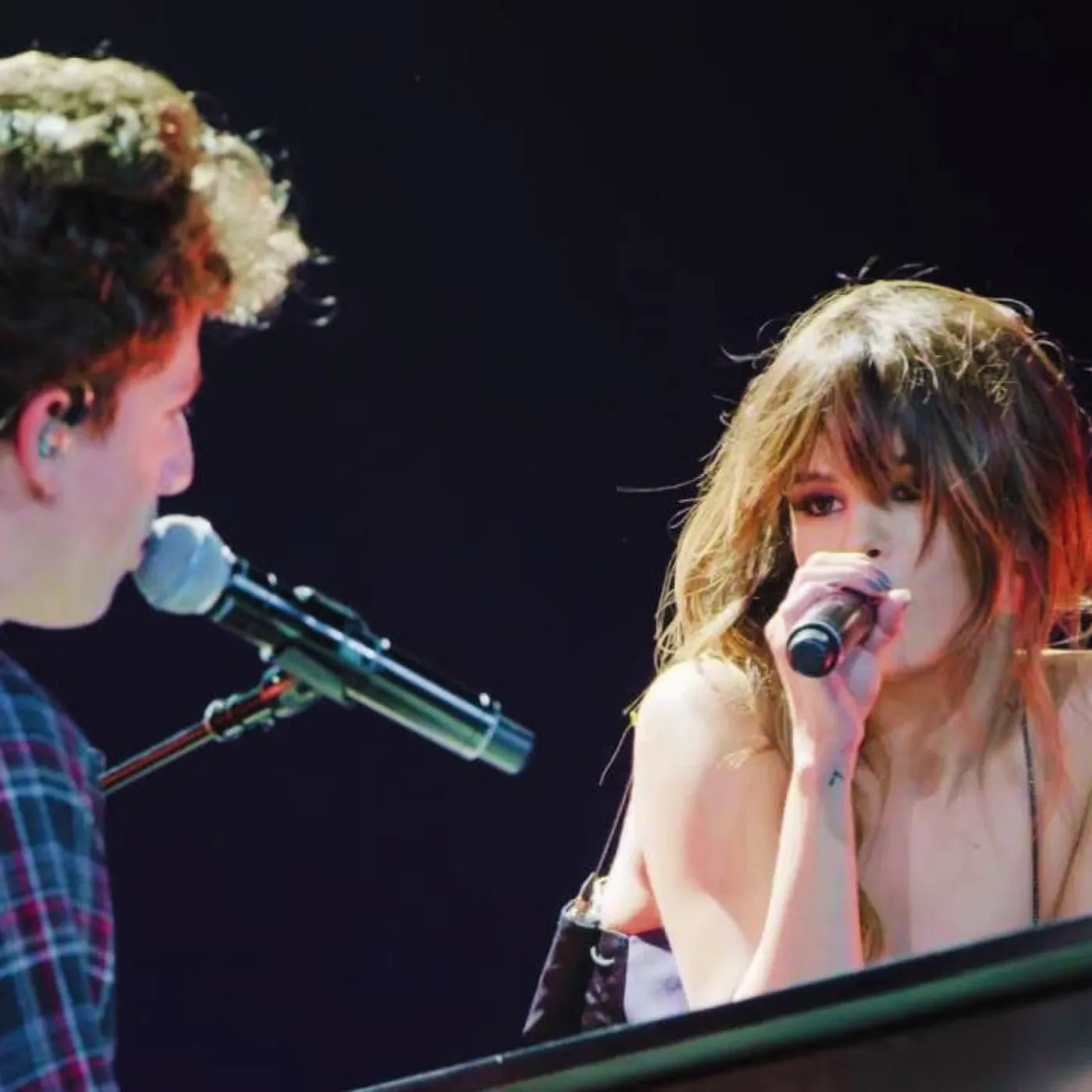
Charlie Puth’s Chart Stunt Sparks Fierce Debate About ‘We Don’t Talk Anymore’
There’s something almost unsettling about the longevity of Charlie Puth’s biggest ghost. It’s been years since We Don’t Talk Anymore featuring Selena Gomez first crawled onto the charts. And yet, today, it refuses to fade. Instead, it’s making headlines again for a milestone that’s both impressive and uncomfortable: Apple Music has ranked the track at #304 on its all-time most-streamed list.

Think about that. Hundreds of thousands of tracks released every year. Millions of uploads. And this moody, catchy, conversation-ending anthem has not only survived but climbed to a permanent spot in the cultural bloodstream. Even Charlie Puth himself can’t shake it off. For better or worse, We Don’t Talk Anymore isn’t just a song. It’s his legacy. And for a man who’s tried to rebrand, mature, and even pivot away from old narratives, that might be the most annoying compliment he’s ever received.
But why won’t this track die? Why do people still click, stream, and share it like it’s a fresh heartbreak? Is it the irresistible hook? The chemistry no one wants to admit was there? The gossip that never really went away? Or something deeper about the way we can’t let go of songs that let us wallow?
This ranking didn’t just reveal a hit. It revealed a messy, unending conversation—about nostalgia, celebrity drama, relationship wounds, and the strange way that pop music traps our emotions forever.
The Song That Sparked a Thousand Rumors
Let’s get this straight. When Charlie Puth first teased We Don’t Talk Anymore, he was already building a reputation as a genius-level producer and songwriter. People respected his craft. But let’s be real: the second Selena Gomez’s name was attached, it became tabloid gold.
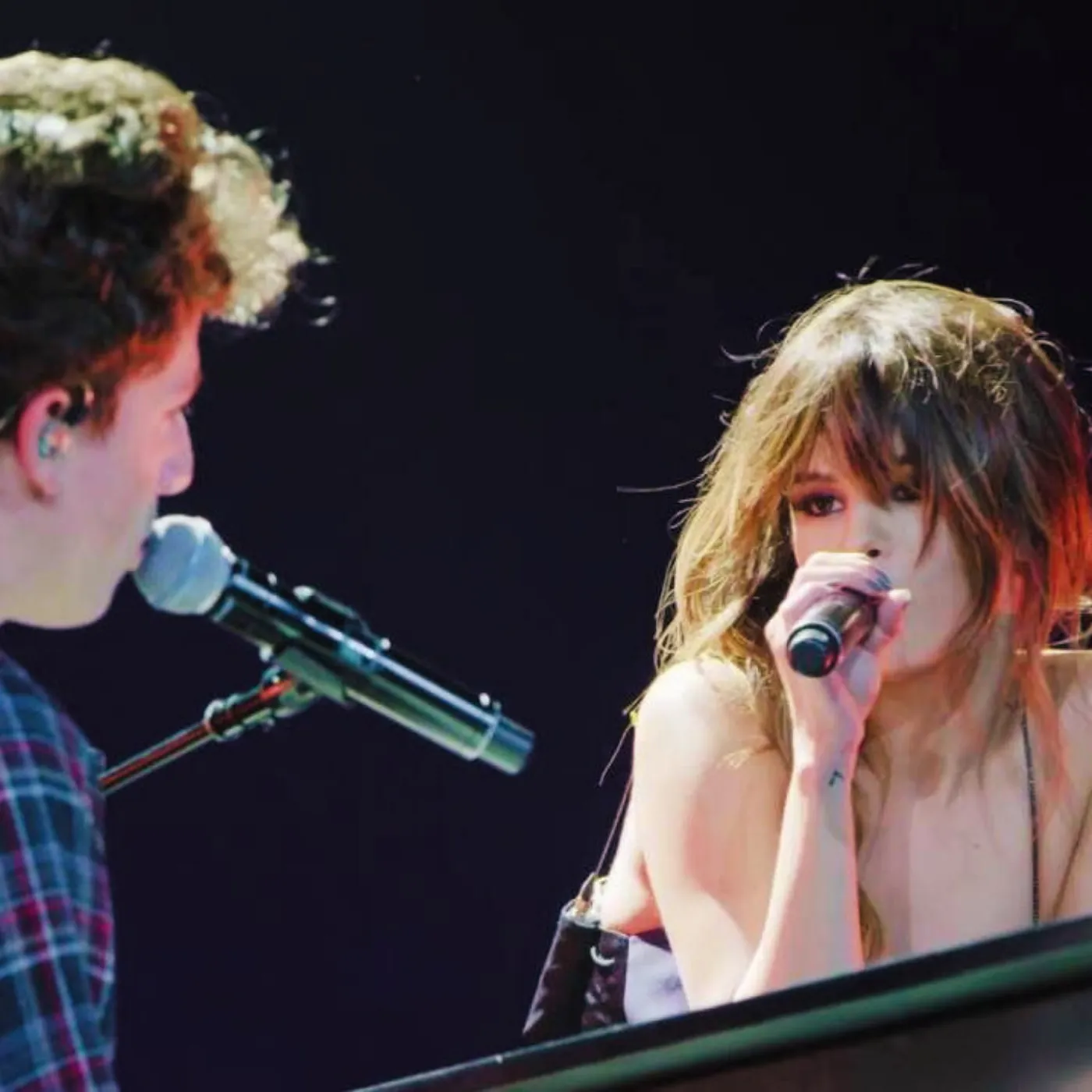
No one forgot the recording session rumors, the speculation about secret texting, the tension that oozed from live performances. Even though the artists denied any real dating drama, the public didn’t care. They wanted the song to be real. They wanted to imagine the awkward silences, the late-night calls, the wounds that wouldn’t close. We Don’t Talk Anymore was tailor-made for listeners who wanted to read between the lines.
It was toxic marketing brilliance, even if that wasn’t the plan. And while Charlie Puth would go on to prove himself over and over—with other chart-toppers, collaborations, and solo projects—this track was the one that defined him. It’s the skeleton in his closet, except instead of rattling, it’s hitting replay.
Apple Music’s Top 500 A Graveyard of Legends or a Badge of Honor
If you’re rolling your eyes at #304 and saying, “So what? It didn’t crack the top 100,” think again. Apple Music’s all-time list isn’t about flash-in-the-pan virality. It’s about persistence. Getting onto this list requires constant, unrelenting streaming for years. It means playlists, radio plays, user libraries, algorithmic recommendations—basically, digital immortality.
For We Don’t Talk Anymore, that’s a staggering achievement. It has outlasted countless other big-budget singles. It’s outstreamed songs from artists who were bigger, flashier, and in some cases, more critically beloved. That should be a victory lap for Charlie Puth. But there’s a twist.
Because the song isn’t just Charlie Puth. It’s Charlie Puth featuring Selena Gomez. Her name is burned into the title. Her voice is woven into the melody. No matter how much time passes, the hit is permanently co-owned. It’s like an ex you can’t scrub from old photos. For Charlie Puth, it’s a testament to his talent and an eternal reminder of a partnership the public just won’t shut up about.
The Selena Factor An Unwanted Gift
It’s impossible to talk about this ranking without admitting the obvious: Selena Gomez’s involvement is a major reason the song refuses to go away. Her audience is massive, loyal, and deeply invested in anything she touches. Even now, they revisit her old collaborations like comfort food. The fact that We Don’t Talk Anymore is arguably one of her most successful features ensures that the streams keep flowing.
But that’s a double-edged sword. While Selena’s draw is undeniable, it also means Charlie Puth has to share the spotlight forever. The public rarely praises it as Charlie Puth’s masterpiece. It’s “that song with Selena.” For an artist who has worked hard to be taken seriously on his own terms, that’s got to sting.
Industry insiders have often hinted that Puth is frustrated by how overshadowed he feels by this track. He’s dropped vague, passive-aggressive comments in interviews about collaborations that weren’t easy, about “certain artists” he’d avoid working with again. He rarely says it outright, but the subtext is there. For a meticulous producer who obsesses over details, being reduced to “Selena’s duet partner” must feel like an insult.
Why Are People Still Obsessed
So why does We Don’t Talk Anymore remain this magnetic, unkillable beast? Blame us. Blame our endless appetite for nostalgia. Blame streaming algorithms that know we want familiar heartbreak. Blame gossip culture that keeps those old “Did they? Didn’t they?” questions alive.
It’s a song about the most relatable kind of pain—the conversation you’ll never have again. That universal sentiment is perfectly packaged in a sticky, minimalist production. It’s easy to listen to. Easy to share. Easy to get stuck in your head. And let’s face it, easy to project your own drama onto.
Every time someone gets ghosted in 2025, they’ll add it to their breakup playlist. Every time someone wants to throw shade at an ex on social media, they’ll quote it. Apple Music’s ranking isn’t just a testament to the song’s quality. It’s proof that as long as humans keep messing up relationships, this track will keep getting streams.
Charlie Puth’s Complicated Legacy
This ranking also forces an uncomfortable question onto Charlie Puth himself: is he happy about it? On paper, he should be. It’s money. It’s exposure. It’s a clear signal he knows how to make hits that last. But the context is messier.
He’s spent years reinventing himself, leaning into production work, experimenting with TikTok virality, and even showing off a quirkier, more self-aware side online. He’s tried to move past the sanitized, heartbroken-boy image that We Don’t Talk Anymore cemented. But no matter what, the public keeps pulling him back.
Whenever he drops a new track, the YouTube comments fill with requests to “do another like We Don’t Talk Anymore.” His social media gets flooded with nostalgic takes. Industry execs want him to replicate it. Even if he wants to be known as a serious producer, his biggest payday is forever tied to a track about not talking.
That’s the trap of modern pop superstardom. Your success can become your prison.
Selena’s Shadow Never Fades
Meanwhile, for Selena Gomez, this ranking is pure upside. She’s not the one constantly fielding questions about the track. She can be gracious about it, treating it like a fun old memory. It doesn’t define her discography in the same way it does Puth’s. She’s moved into acting, producing, and other musical projects without people constantly dragging this one song back into the conversation.
But for Charlie? Every anniversary, every milestone, every new Apple Music stat ensures he can’t just let it die. The collaboration was lightning in a bottle, but it’s also the bottle that keeps floating back onto shore.
The Future of a Song That Won’t Die
What happens next? If We Don’t Talk Anymore is already #304, it’s probably not stopping. It could climb higher. It could become one of the most evergreen breakup tracks ever. And that possibility is both a blessing and a curse.
Streaming services love it. Playlists love it. Old and new listeners love it. Even casual listeners who don’t know who Charlie Puth or Selena Gomez are will keep stumbling onto it because it feels timeless. For Apple Music, Spotify, YouTube—it’s the gift that keeps on giving.
For Charlie, it’s more complicated. He’ll cash the checks, sure. But if he’s serious about building a new artistic identity, he may have to work twice as hard to convince people he’s not just “the guy who did that Selena duet.”
Final Thoughts
In the end, We Don’t Talk Anymore being #304 on Apple Music’s all-time chart is more than just a streaming stat. It’s a mirror held up to Charlie Puth’s career—showing both his brilliance and the compromises that come with hit-making. It’s a reminder that pop music is a business where the story behind the song can matter more than the song itself.
The question is whether Charlie Puth will ever be able to escape it—or if he even should try. Because in a world obsessed with nostalgia, maybe the smartest move isn’t to run from your biggest ghost, but to invite it onstage and let it sing backup.
One thing is certain: whether he likes it or not, Charlie Puth will always have people talking. Even if they don’t talk anymore.
There’s something almost unsettling about the longevity of Charlie Puth’s biggest ghost. It’s been years since We Don’t Talk Anymore featuring Selena Gomez first crawled onto the charts. And yet, today, it refuses to fade. Instead, it’s making headlines again for a milestone that’s both impressive and uncomfortable: Apple Music has ranked the track at #304 on its all-time most-streamed list.
Think about that. Hundreds of thousands of tracks released every year. Millions of uploads. And this moody, catchy, conversation-ending anthem has not only survived but climbed to a permanent spot in the cultural bloodstream. Even Charlie Puth himself can’t shake it off. For better or worse, We Don’t Talk Anymore isn’t just a song. It’s his legacy. And for a man who’s tried to rebrand, mature, and even pivot away from old narratives, that might be the most annoying compliment he’s ever received.
But why won’t this track die? Why do people still click, stream, and share it like it’s a fresh heartbreak? Is it the irresistible hook? The chemistry no one wants to admit was there? The gossip that never really went away? Or something deeper about the way we can’t let go of songs that let us wallow?
This ranking didn’t just reveal a hit. It revealed a messy, unending conversation—about nostalgia, celebrity drama, relationship wounds, and the strange way that pop music traps our emotions forever.
The Song That Sparked a Thousand Rumors
Let’s get this straight. When Charlie Puth first teased We Don’t Talk Anymore, he was already building a reputation as a genius-level producer and songwriter. People respected his craft. But let’s be real: the second Selena Gomez’s name was attached, it became tabloid gold.
No one forgot the recording session rumors, the speculation about secret texting, the tension that oozed from live performances. Even though the artists denied any real dating drama, the public didn’t care. They wanted the song to be real. They wanted to imagine the awkward silences, the late-night calls, the wounds that wouldn’t close. We Don’t Talk Anymore was tailor-made for listeners who wanted to read between the lines.
It was toxic marketing brilliance, even if that wasn’t the plan. And while Charlie Puth would go on to prove himself over and over—with other chart-toppers, collaborations, and solo projects—this track was the one that defined him. It’s the skeleton in his closet, except instead of rattling, it’s hitting replay.
Apple Music’s Top 500 A Graveyard of Legends or a Badge of Honor
If you’re rolling your eyes at #304 and saying, “So what? It didn’t crack the top 100,” think again. Apple Music’s all-time list isn’t about flash-in-the-pan virality. It’s about persistence. Getting onto this list requires constant, unrelenting streaming for years. It means playlists, radio plays, user libraries, algorithmic recommendations—basically, digital immortality.
For We Don’t Talk Anymore, that’s a staggering achievement. It has outlasted countless other big-budget singles. It’s outstreamed songs from artists who were bigger, flashier, and in some cases, more critically beloved. That should be a victory lap for Charlie Puth. But there’s a twist.
Because the song isn’t just Charlie Puth. It’s Charlie Puth featuring Selena Gomez. Her name is burned into the title. Her voice is woven into the melody. No matter how much time passes, the hit is permanently co-owned. It’s like an ex you can’t scrub from old photos. For Charlie Puth, it’s a testament to his talent and an eternal reminder of a partnership the public just won’t shut up about.
The Selena Factor An Unwanted Gift
It’s impossible to talk about this ranking without admitting the obvious: Selena Gomez’s involvement is a major reason the song refuses to go away. Her audience is massive, loyal, and deeply invested in anything she touches. Even now, they revisit her old collaborations like comfort food. The fact that We Don’t Talk Anymore is arguably one of her most successful features ensures that the streams keep flowing.
But that’s a double-edged sword. While Selena’s draw is undeniable, it also means Charlie Puth has to share the spotlight forever. The public rarely praises it as Charlie Puth’s masterpiece. It’s “that song with Selena.” For an artist who has worked hard to be taken seriously on his own terms, that’s got to sting.
Industry insiders have often hinted that Puth is frustrated by how overshadowed he feels by this track. He’s dropped vague, passive-aggressive comments in interviews about collaborations that weren’t easy, about “certain artists” he’d avoid working with again. He rarely says it outright, but the subtext is there. For a meticulous producer who obsesses over details, being reduced to “Selena’s duet partner” must feel like an insult.
Why Are People Still Obsessed
So why does We Don’t Talk Anymore remain this magnetic, unkillable beast? Blame us. Blame our endless appetite for nostalgia. Blame streaming algorithms that know we want familiar heartbreak. Blame gossip culture that keeps those old “Did they? Didn’t they?” questions alive.
It’s a song about the most relatable kind of pain—the conversation you’ll never have again. That universal sentiment is perfectly packaged in a sticky, minimalist production. It’s easy to listen to. Easy to share. Easy to get stuck in your head. And let’s face it, easy to project your own drama onto.
Every time someone gets ghosted in 2025, they’ll add it to their breakup playlist. Every time someone wants to throw shade at an ex on social media, they’ll quote it. Apple Music’s ranking isn’t just a testament to the song’s quality. It’s proof that as long as humans keep messing up relationships, this track will keep getting streams.
Charlie Puth’s Complicated Legacy
This ranking also forces an uncomfortable question onto Charlie Puth himself: is he happy about it? On paper, he should be. It’s money. It’s exposure. It’s a clear signal he knows how to make hits that last. But the context is messier.
He’s spent years reinventing himself, leaning into production work, experimenting with TikTok virality, and even showing off a quirkier, more self-aware side online. He’s tried to move past the sanitized, heartbroken-boy image that We Don’t Talk Anymore cemented. But no matter what, the public keeps pulling him back.
Whenever he drops a new track, the YouTube comments fill with requests to “do another like We Don’t Talk Anymore.” His social media gets flooded with nostalgic takes. Industry execs want him to replicate it. Even if he wants to be known as a serious producer, his biggest payday is forever tied to a track about not talking.
That’s the trap of modern pop superstardom. Your success can become your prison.
Selena’s Shadow Never Fades
Meanwhile, for Selena Gomez, this ranking is pure upside. She’s not the one constantly fielding questions about the track. She can be gracious about it, treating it like a fun old memory. It doesn’t define her discography in the same way it does Puth’s. She’s moved into acting, producing, and other musical projects without people constantly dragging this one song back into the conversation.
But for Charlie? Every anniversary, every milestone, every new Apple Music stat ensures he can’t just let it die. The collaboration was lightning in a bottle, but it’s also the bottle that keeps floating back onto shore.
The Future of a Song That Won’t Die
What happens next? If We Don’t Talk Anymore is already #304, it’s probably not stopping. It could climb higher. It could become one of the most evergreen breakup tracks ever. And that possibility is both a blessing and a curse.
Streaming services love it. Playlists love it. Old and new listeners love it. Even casual listeners who don’t know who Charlie Puth or Selena Gomez are will keep stumbling onto it because it feels timeless. For Apple Music, Spotify, YouTube—it’s the gift that keeps on giving.
For Charlie, it’s more complicated. He’ll cash the checks, sure. But if he’s serious about building a new artistic identity, he may have to work twice as hard to convince people he’s not just “the guy who did that Selena duet.”

Final Thoughts
In the end, We Don’t Talk Anymore being #304 on Apple Music’s all-time chart is more than just a streaming stat. It’s a mirror held up to Charlie Puth’s career—showing both his brilliance and the compromises that come with hit-making. It’s a reminder that pop music is a business where the story behind the song can matter more than the song itself.
The question is whether Charlie Puth will ever be able to escape it—or if he even should try. Because in a world obsessed with nostalgia, maybe the smartest move isn’t to run from your biggest ghost, but to invite it onstage and let it sing backup.
One thing is certain: whether he likes it or not, Charlie Puth will always have people talking. Even if they don’t talk anymore.