






Burial Ground or Billionaire Playground? Mark Zuckerberg’s Hawaii Expansion Sparks Outrage
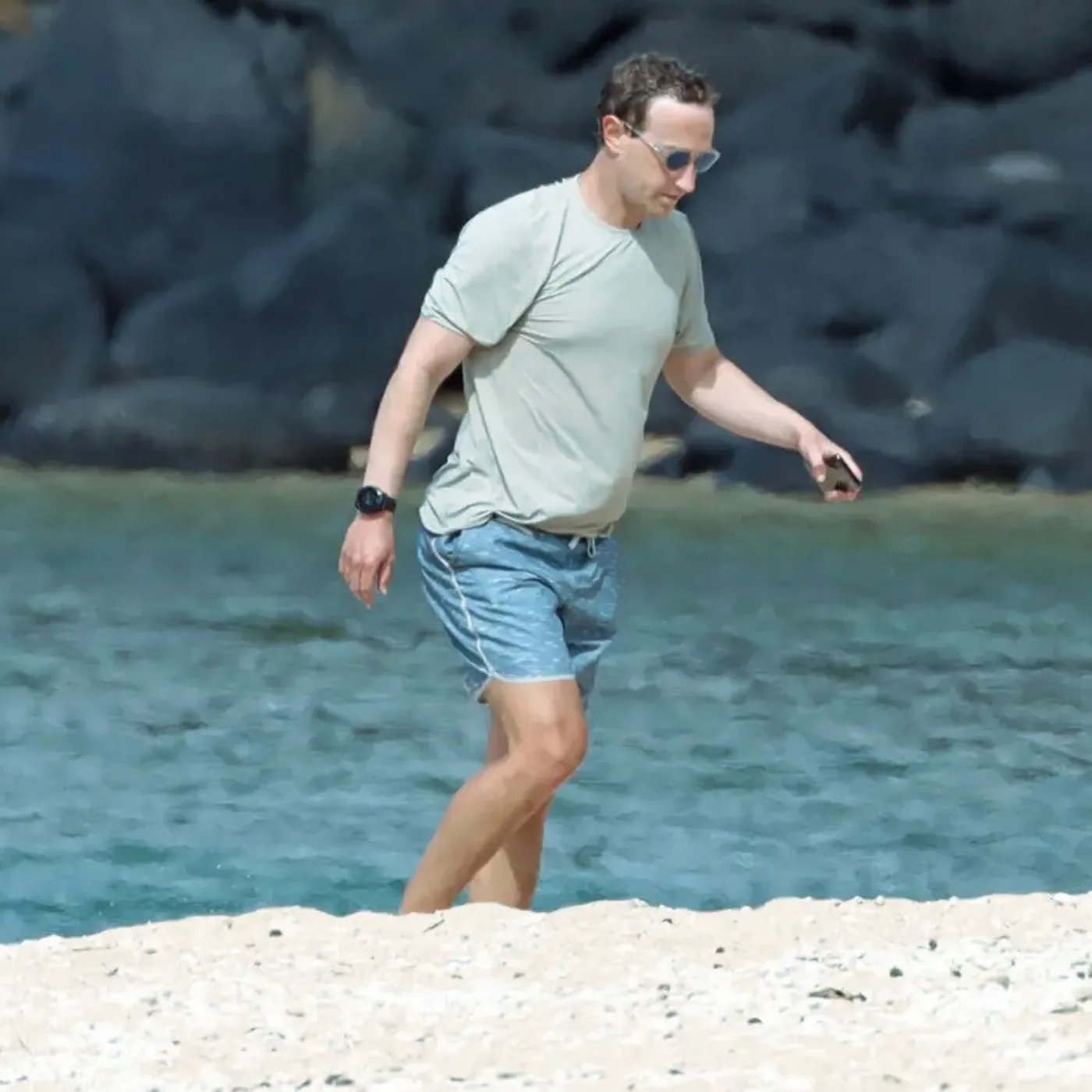
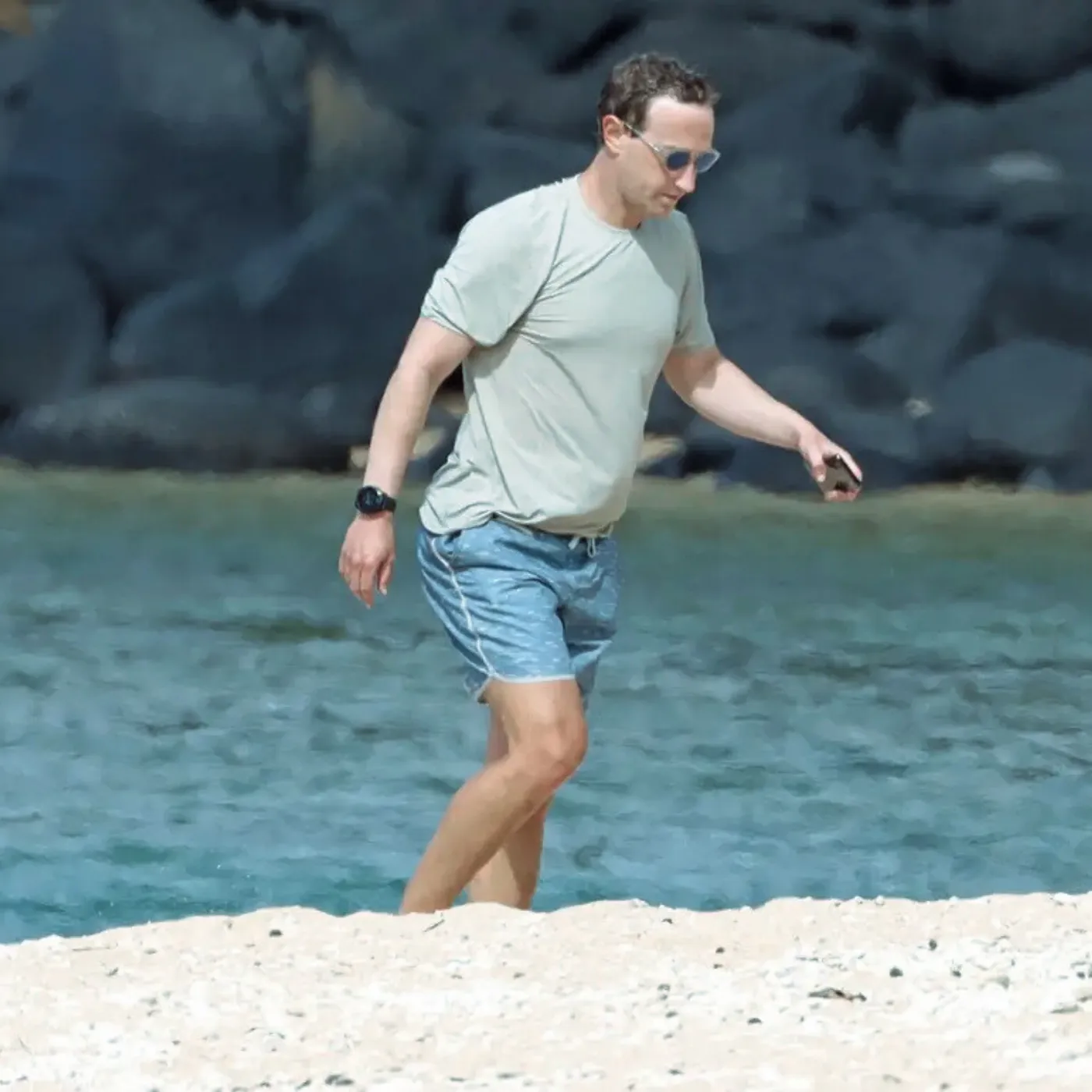
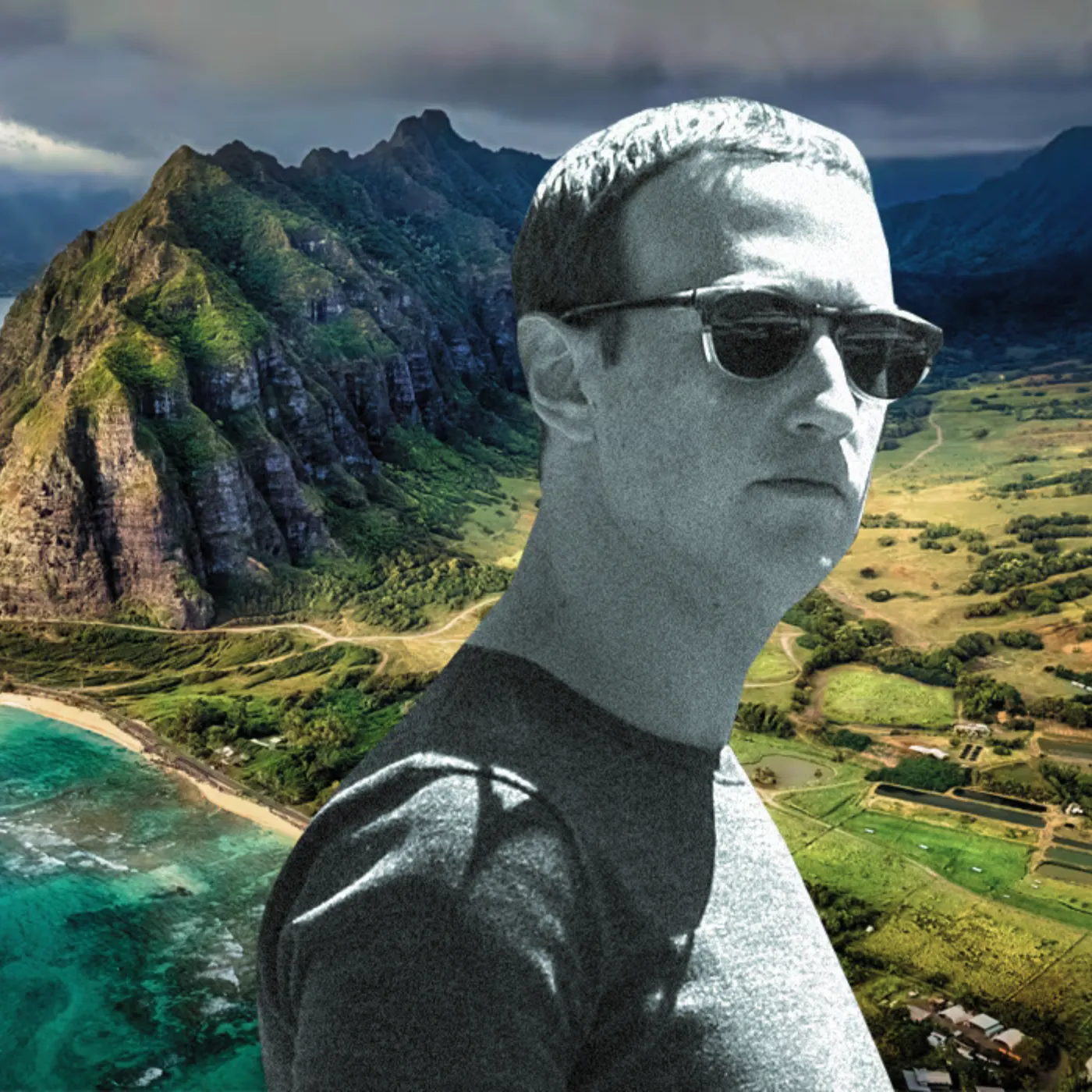
Mark Zuckerberg, the tech mogul behind Meta, is no stranger to controversy. But his latest move—expanding his already-massive Hawaiian compound by nearly 1,000 acres—has reignited tensions with local residents and raised fresh questions about land ownership, privacy, and power. The new land acquisition pushes his Kauai estate to well over 1,500 acres, making him one of the largest private landowners in Hawaii.

What was once seen as a billionaire’s remote retreat has evolved into something far more intense: a multi-million dollar fortress shrouded in secrecy, speculation, and resentment. Reports suggest that a portion of the newly acquired land sits atop ancient burial grounds, deepening the rift between Zuckerberg and local Native Hawaiian communities.
A Billionaire’s Paradise or a Fortress of Isolation?
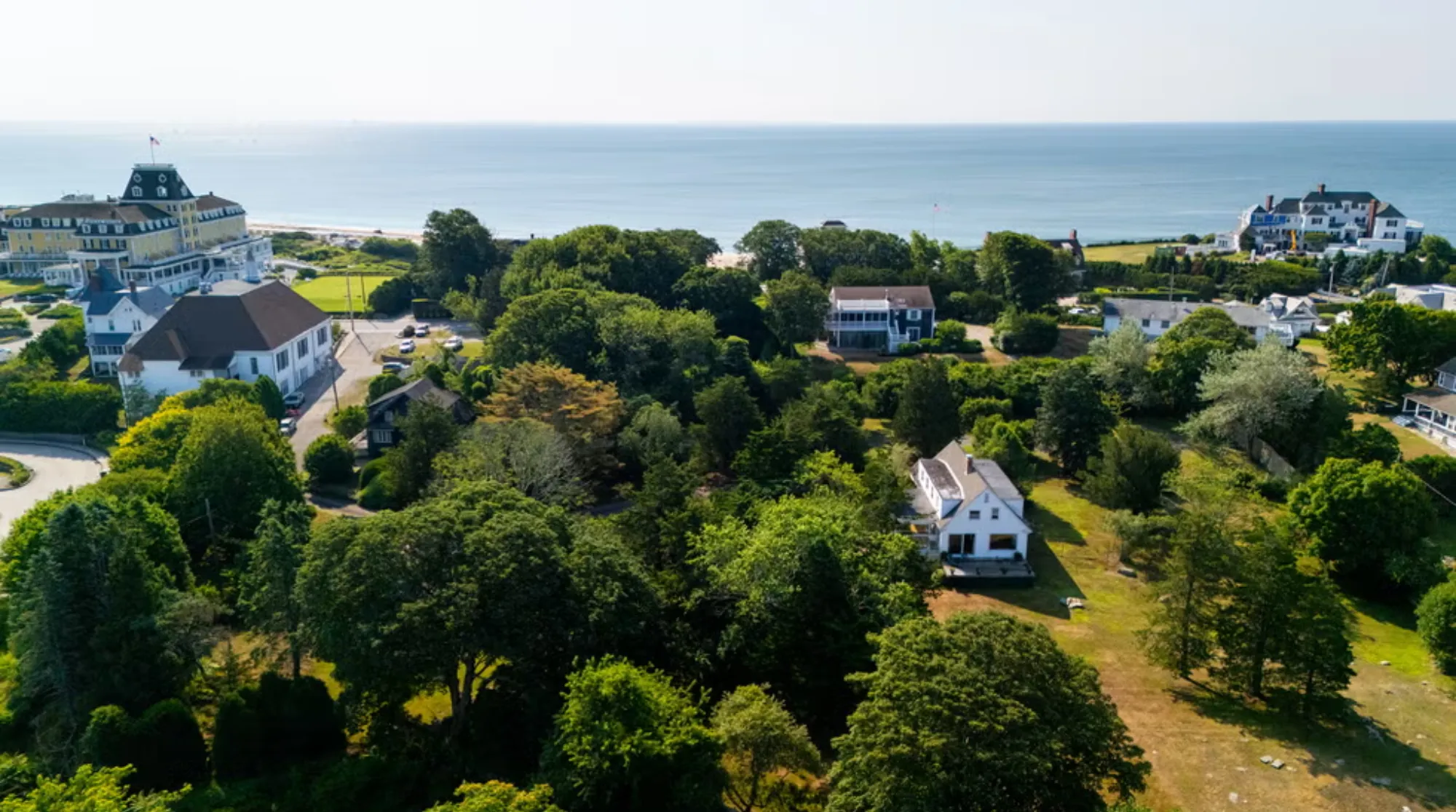
When Zuckerberg first purchased land in Hawaii back in 2014, it was framed as a personal escape—a quiet refuge from the chaos of Silicon Valley. Fast forward a decade, and the narrative has shifted drastically. The property now boasts surveillance towers, hidden infrastructure, and military-grade security, according to drone footage leaked by investigative vloggers and local whistleblowers.
Insiders claim that construction continues at a feverish pace. New bunker-like buildings have cropped up near the coast, while rumors of underground tunnels, emergency escape routes, and private water sources are stirring anxiety. Locals whisper that Zuckerberg is “building something he’s not telling us about.”
The Burial Ground Allegations
Perhaps the most contentious issue is the accusation that portions of Zuckerberg’s new land sit on top of sacred Native Hawaiian burial sites. While the tech billionaire has not publicly addressed these claims, local activists say they have been trying to alert county officials about the cultural and historical significance of these areas for years.
One anonymous source told us, “There’s kapu [forbidden] land that should never be touched, but the fences go up anyway. He has the money, so he gets what he wants.”
Zuckerberg has previously faced lawsuits for attempting to force local families off ancestral land through a legal maneuver known as “quiet title” actions—a method often used by corporations to clear up ownership disputes. Though he ultimately dropped most of the lawsuits after backlash, the damage to his image among Hawaiians was already done.
Meta Money, Real-World Impact
The $300 million estate, officially referred to as the Ko‘olau Ranch, is not just a summer home. It’s a self-contained estate that includes farmland, a private reservoir, and access to vital resources that most residents couldn’t dream of affording.
Critics argue that Zuckerberg is building a doomsday-ready facility, leveraging his wealth to create an elite sanctuary insulated from global instability. Others see the development as a symptom of Hawaii’s ongoing gentrification crisis, where locals are increasingly priced out of their own land.
“He’s treating the island like it’s his sandbox,” one community member wrote on social media. “We live here. We struggle here. We’re not just a backdrop for your billionaire fantasy.”
No Transparency, No Trust
Despite mounting pressure, Zuckerberg has refused interviews and offered no public comment regarding the recent expansion. All permits and filings are processed through shell companies and law firms that offer maximum privacy.
His media team issued a single, vague statement noting that “The land will be used for agricultural purposes and conservation.” But skeptics aren’t buying it. Many believe that statement is simply PR deflection, a way to quiet critics without offering any accountability.
Why This Story Won’t Go Away
Part of what fuels the fire is that Zuckerberg’s expansion doesn’t exist in a vacuum. It plays into larger conversations about wealth inequality, colonial legacy, and tech elitism. The optics of a Silicon Valley billionaire swallowing sacred land during a housing crisis are hard to ignore.
Social media is already buzzing. Viral TikToks, Instagram exposés, and threads on Reddit and X (formerly Twitter) dissect the latest aerial images and blueprints filed with the Kauai County Office. The more Zuckerberg hides, the more curious the internet becomes.
Is There a Breaking Point?
Hawaii has always been more than a postcard-perfect paradise. It is a living culture, a layered history, and for native communities—sacred ground. But Mark Zuckerberg’s relentless land acquisition is fast becoming a flashpoint in a much larger war: the erosion of identity at the hands of unchecked wealth.
Tension between mainland billionaires and native Hawaiians isn’t new. Wealthy elites have long treated the islands like a sandbox for their fantasies, constructing massive estates while locals are priced out of generational homes. But Zuckerberg’s $300M expansion—nearly 1,000 new acres—is no longer just about a billionaire’s privacy. It’s about power.
And this time, it’s personal.
The area Zuckerberg expanded into reportedly sits atop ancient burial grounds, a sacred site to many Native Hawaiians. While no laws have been broken, many locals believe something more important has — —respect.
Grassroots organizations are now rallying. Online petitions demanding accountability have gained traction. A coalition of activists is planning a public demonstration later this year near one of Zuckerberg’s gates, aiming to draw attention to what they call “digital colonialism made real.”
One viral post read:
“You can build a wall around your land, Mark. But you can’t fence off a culture.”
Others are calling for legislation that restricts land ownership by non-residents, with some proposing a land-back model that would return portions of acquired land to native stewardship—a symbolic and practical act of rebalancing.
What makes this more volatile is Zuckerberg’s silence. While Meta executives have spoken broadly about “community values,” Mark himself has said little to nothing publicly about the local backlash. His silence, in this context, reads less like humility and more like strategic distance—and that is fueling even more anger.
This isn’t just about land. It’s about erasure. And as his compound grows, the pressure from within the island—and across the internet—is starting to reach a boiling point.
Final Thoughts
Whether you see it as a personal project gone overboard or a dangerous symbol of unchecked power, Mark Zuckerberg’s Hawaii compound is no longer just real estate. It’s a mirror reflecting all the tensions of our time: wealth vs. culture, privacy vs. transparency, and ownership vs. belonging.
And as the compound grows, so too does the controversy—and the eyes watching from every direction.