







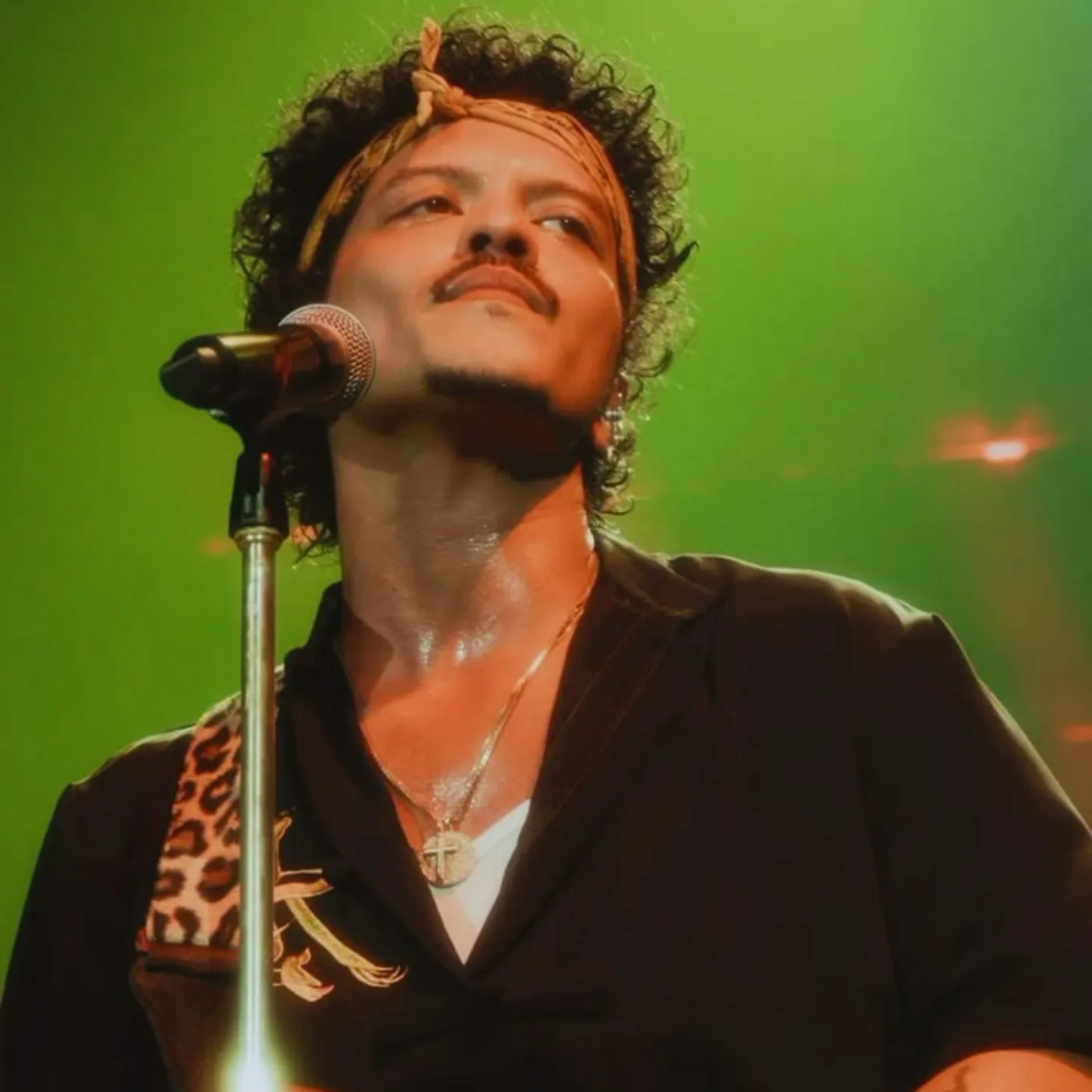
Bruno Mars Just Lost His Crown—Yet the World Still Can’t Escape His 9-Year Silence
It’s been a staggering 9 months of dominance, a feat few in the music industry could have predicted. For nearly a full year, Bruno Mars reigned as the artist with the most monthly listeners on Spotify, sitting comfortably atop the streaming throne while other A-listers scrambled for virality. But this month, the unexpected happened: Mars slipped into second place, logging 111.5 million monthly listeners—a number that most artists would kill for, yet for him, it marks a curious shift.
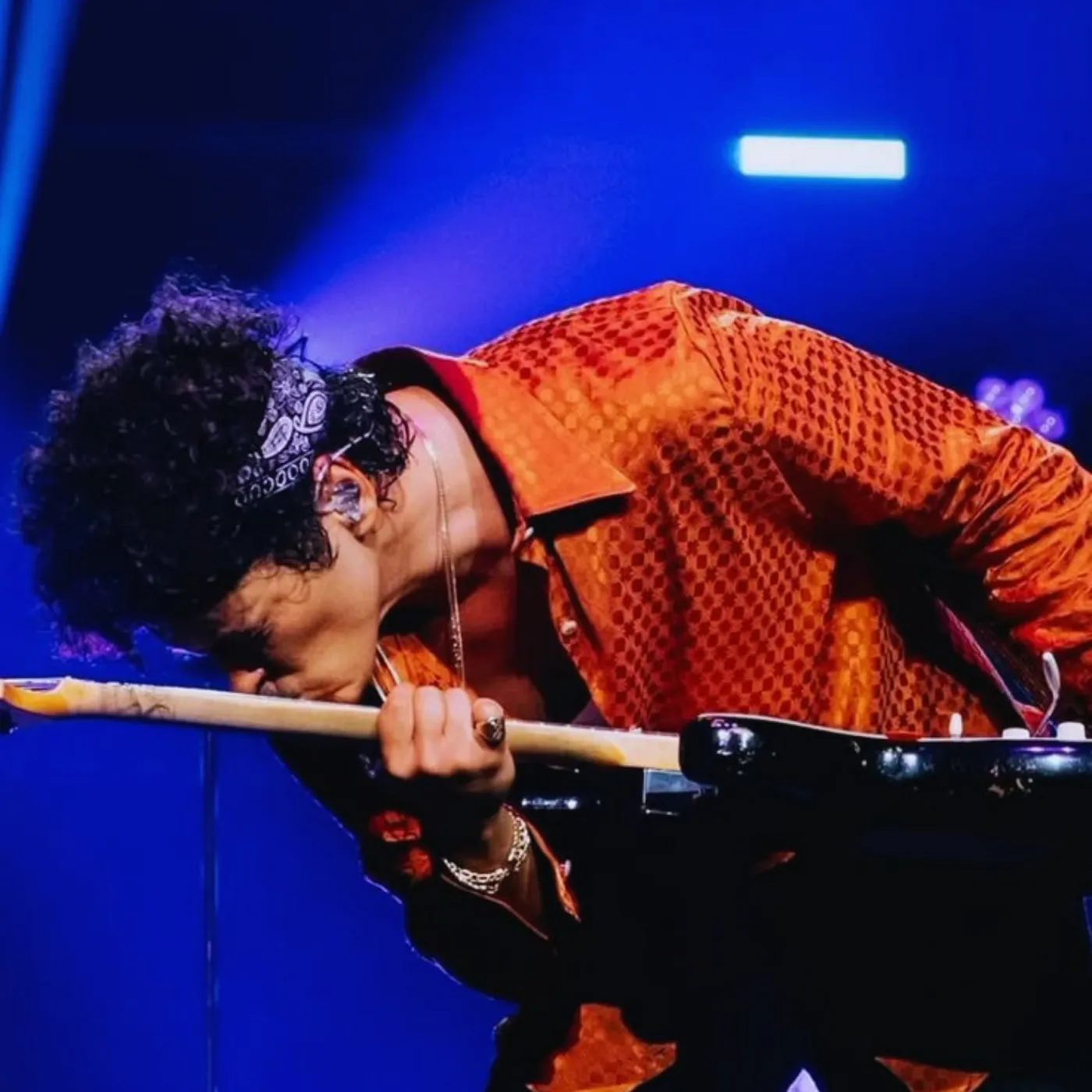
But here’s where things get deeply unusual—Bruno Mars hasn’t dropped a solo album in nearly 9 years. No full-length LP, no grand comeback rollout, no massive solo campaign. And yet, he still towers over a generation raised on TikTok hits, algorithm-chasing trends, and AI-manufactured chart bait.
So what’s really going on here? How does an artist thrive in complete radio silence, and what does this say about the state of modern music, fan psychology, and perhaps more controversially—the illusion of “newness” in pop culture?
Let’s unpack what’s really keeping Bruno Mars so dangerously relevant, even in retreat.
The Numbers Don’t Lie—But They Don’t Tell the Whole Truth Either
111.5 million monthly listeners.
That’s not just “doing well.” That’s obliterating global charts without lifting a finger. To put this into context, most of today’s streaming giants—Drake, Bad Bunny, Taylor Swift, even The Weeknd—are churning out content on a conveyor belt. They dominate through volume. Bruno Mars dominates through absence.
There is no recent album. No TikTok trend choreographed by his team. No emotionally exploitative breakup ballad engineered for sympathy streams. And still, the masses return to his catalog in waves. Old hits like “Just the Way You Are,” “Locked Out of Heaven,” “That’s What I Like,” and “When I Was Your Man” refuse to die—instead, they haunt global playlists with the staying power of immortal pop.
It begs the question: Is nostalgia the new innovation? Or is Bruno Mars tapping into something more primal—a cultural craving for consistency in an age of chaos?
The Silk Sonic Factor: Strategy Disguised as Passion
To say Mars has been completely silent would be dishonest. In 2021, he joined forces with Anderson. Paak to form Silk Sonic, a retro-funk duo that sounded like it emerged straight from a vinyl-scratched soul album in 1976. Their debut project, An Evening With Silk Sonic, was a love letter to groove, romance, and silky production—a sonic palate cleanser in a world oversaturated by synthetic beats and disjointed features.
But even Silk Sonic was limited: a side project, not a Bruno Mars solo effort. No matter how sleek the Grammy wins or how iconic “Leave The Door Open” became, Mars kept his name partially off the center stage. He let the music speak, then went quiet again.
Yet ironically, this strategic restraint made him even louder. While other artists beg for attention, Mars plays hard to get—and the audience keeps chasing.
9 Years Without a Solo Album—How Did We Get Here?
It’s worth pausing on that stat: no solo album in almost a decade.
Bruno Mars’ last solo studio album, 24K Magic, dropped in 2016. That was three U.S. presidents, a global pandemic, and countless TikTok trends ago. In pop years, that’s an eternity. By industry standards, that’s career suicide.
But here’s where Mars defies logic. The longer he’s gone, the more legendary he becomes. He’s become a pop phantom, haunting the charts not with new releases, but with enduring relevance. His hits still dominate weddings, car rides, gym playlists, coffee shop ambience—and yes, viral covers and AI remixes that multiply across platforms without his involvement.
What we’re witnessing is not just the success of a pop star—it’s the birth of a streaming-era mythos. Bruno Mars, the artist who doesn’t need to try, because he already exists as an emotional necessity in the lives of millions.
Why This Feels Unsettling for the Industry
Behind the glossy headlines is a growing anxiety in the music industry. If Mars can achieve this level of dominance without releasing new music, what does that say about the futility of constant content creation?
It’s a silent rebuke to the hustle-harder mentality pushed on today’s younger artists. In an era where even mainstream names must post daily to stay relevant, Bruno Mars is proof that timelessness can outpace timeliness.
Worse (or better, depending on who you ask), Mars’ silence is not punished—it’s rewarded. His mystique fuels speculation threads, fan-made leaks, and countdowns to projects that don’t even exist. And when artists like him take up this much oxygen in the room, others—especially up-and-coming creators—struggle for even a moment of attention.
Is Bruno Mars a genius… or a glitch in the matrix?
The Dangerous Power of Nostalgia
Here’s the uncomfortable part: Nostalgia sells better than novelty. Whether it’s Gen Z discovering his hits for the first time or millennials clinging to 2010s memories, Bruno Mars taps into the kind of emotional memory that newer songs simply can’t replicate.
His music doesn’t just sound good—it feels safe. Romantic. Familiar. A comfort blanket in an unstable cultural climate.
But this creates a paradox: if older songs offer emotional security and outperform new tracks, what incentive is there for true innovation in pop?
Bruno Mars may not be intentionally holding back the industry, but his success without new material is a symptom of a deeper disruption—the creeping realization that the future of music may belong not to the next big thing, but to the last great era.
Fan Frenzy: Obsession Without a New Era
Across Facebook, TikTok, and Reddit, fans are split between celebration and impatience. One half praises his slow-burn strategy as “classic artistry.” The other half feels emotionally starved.
Comment sections are littered with phrases like
“This man’s holding back a whole genre.”
“We needed a new solo era, like yesterday.”
“Bruno Mars is the only one who can ghost us for 9 years and still stay relevant.”
The obsession isn’t just about the music—it’s about what Bruno Mars represents. He’s a figure of resistance to the streaming machine. A modern Elvis with a microphone and no urgency.
And whether fans realize it or not, they’re addicted to waiting for him.
Final Thoughts: Is Bruno Mars the Future—or the Past in Disguise?
Let’s be clear: Bruno Mars isn’t fading—he’s becoming folklore. His place in music history is no longer about what he releases but about how he exists in the culture.
The fact that he can reclaim the spotlight after 9 years of solo silence and still command over 110 million monthly listeners proves something much bigger than marketing.
It proves that a true cultural imprint doesn’t need to be reuploaded every week. It proves that music, when done with surgical precision and deep emotional truth, doesn’t expire.
But it also raises a darker, more dangerous question for today’s industry:
If someone like Bruno Mars can win without even playing the game anymore, what hope does everyone else really have?
And maybe that’s the real controversy—he’s already won.
Related News