





Austrian GP Reveals the Real Test for Oliveira and Yamaha
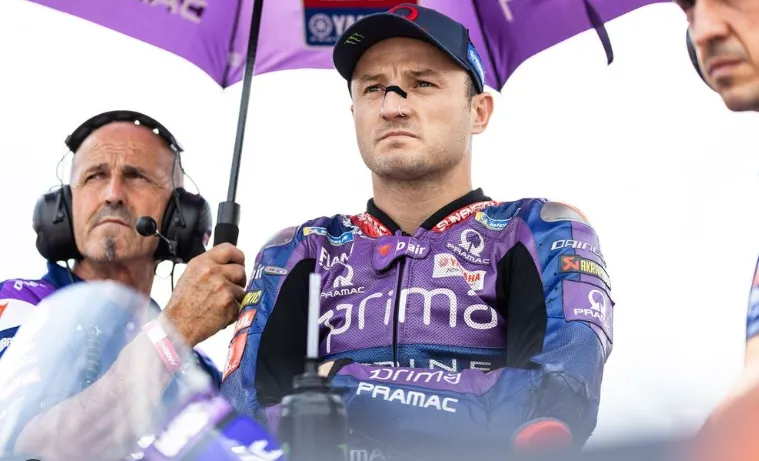
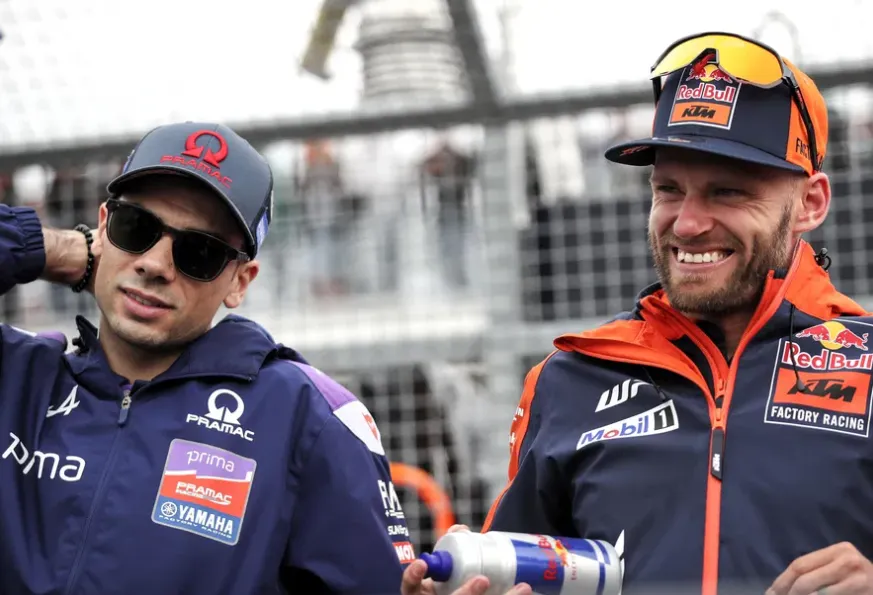
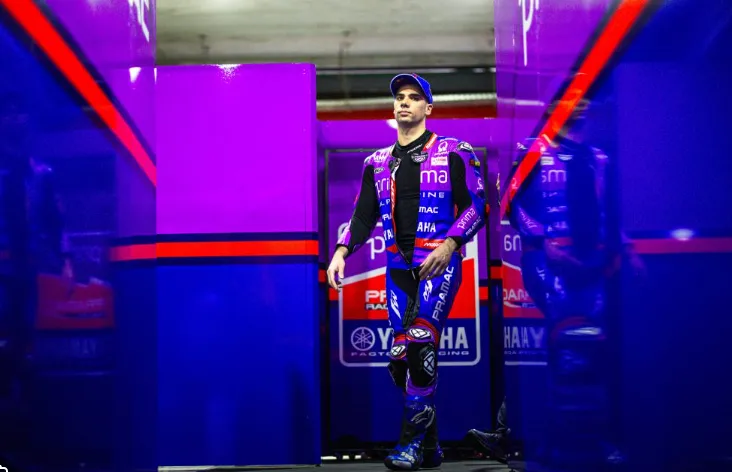
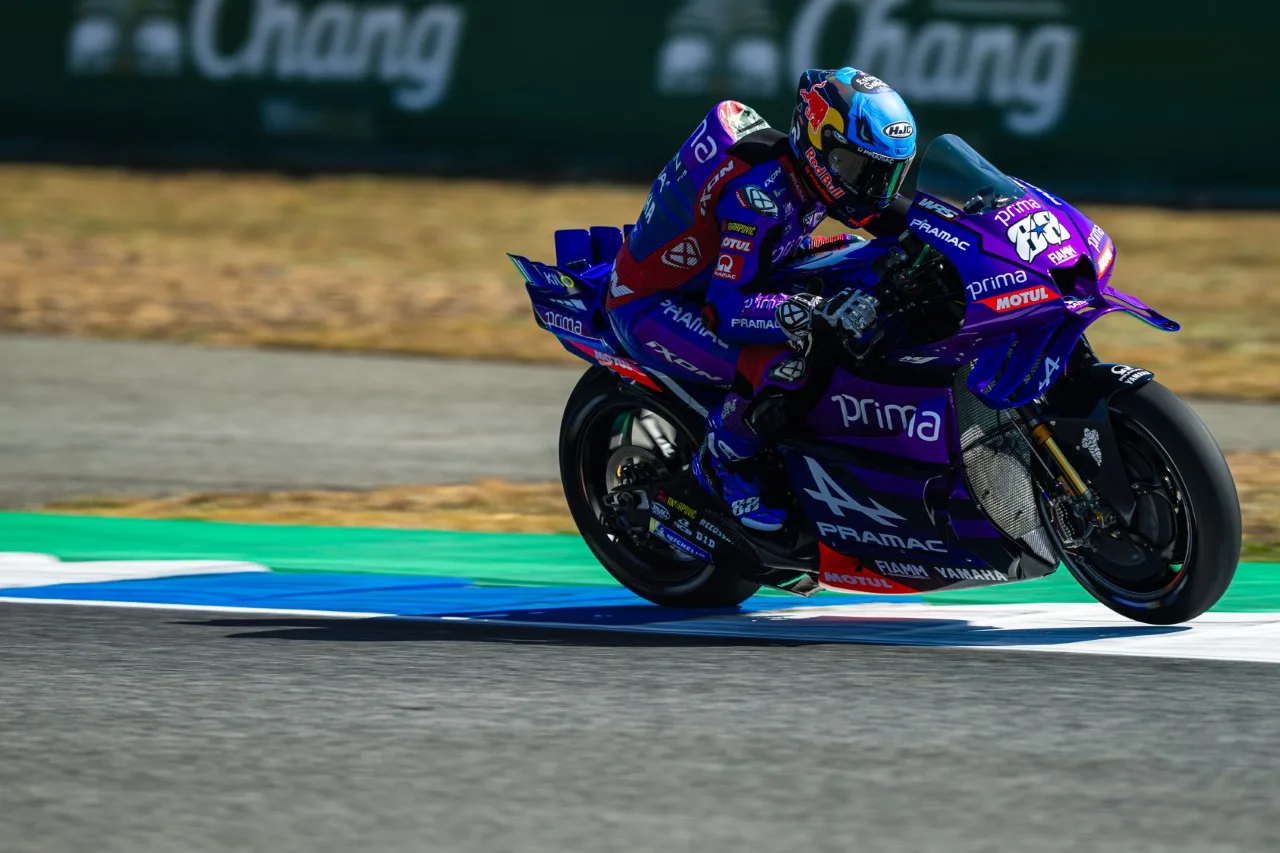
The Austrian Grand Prix at the Red Bull Ring has proven to be a demanding weekend for Miguel Oliveira and the Yamaha team, exposing both technical limitations and the challenges riders face under pressure. With Oliveira finishing P19 in practice, the Portuguese rider is confronting a tough combination of bike performance issues, track-specific challenges, and the high stakes of securing a 2026 ride.
Yamaha’s Struggles on a Demanding Track
The Red Bull Ring is renowned for its mix of slow, tight corners and high-speed straights, placing a premium on traction, acceleration, and overall bike stability. Oliveira openly acknowledged the difficulties Yamaha faces in these conditions: “It was a complicated day for all of us on the Yamahas. Coming here, I already knew it was going to be a difficult track for us. We have to accelerate out of very slow corners, but we lack the traction and the outright power to do that. Our front is quite good, but we only stop with the front, so… it’s not easy, but we try our best.”
This candid assessment highlights the fundamental challenge: while Oliveira can rely on the bike’s front-end stability for braking, the Yamaha struggles to provide smooth, consistent acceleration out of corners. At a circuit like Austria, this limitation directly affects lap times and overall competitiveness, putting riders like Oliveira under intense pressure.
A Surprising Crash at Turn 5
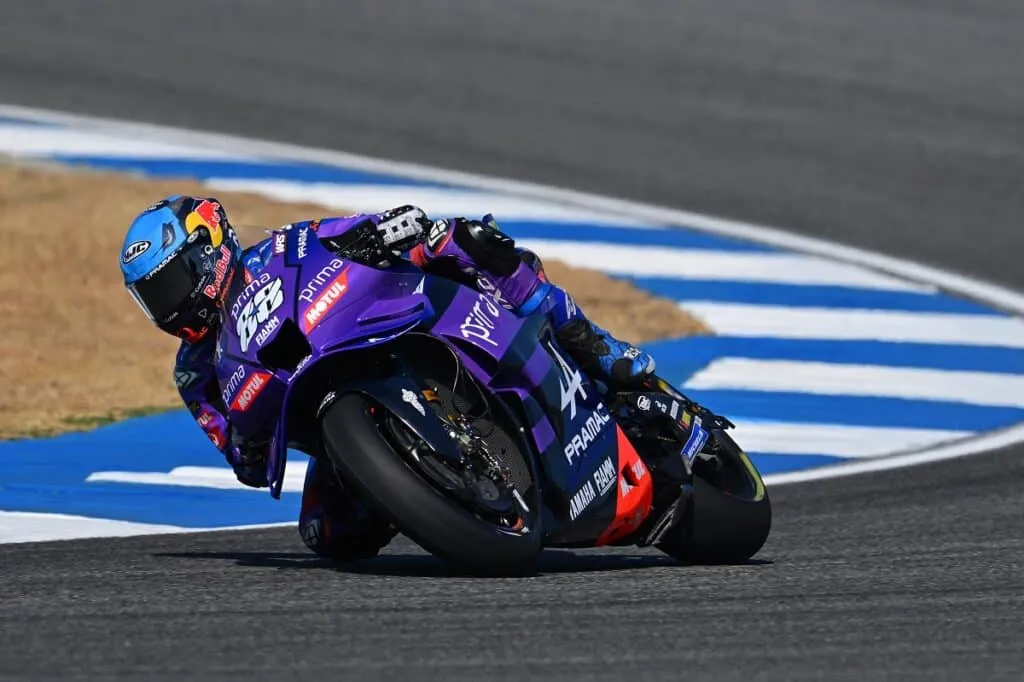
The weekend became even more complicated when Oliveira suffered a crash at Turn 5. He recounted the incident: “I saw the orange panel with yellow stripes on the inside of Turn 5 and I was already heading to the pits, so I slowed down even more. I saw debris from Fabio’s bike, stayed on the inside, and suddenly I was down.”
This crash not only disrupted Oliveira’s rhythm but forced him to switch to a backup bike. Unfortunately, the replacement machine had different gearbox and shock absorber settings, which he explained had previously helped him achieve better pace. The combination of a crash and a mechanical shift made it difficult for Oliveira to replicate his previous performance.
Mechanical Challenges Hamper Time Attack
Adding to his frustration, Oliveira experienced a gearbox problem during the time attack session. “When shifting down, the lever got stuck between fourth and third… she just didn’t want to collaborate,” he said. Mechanical setbacks like these are especially costly in MotoGP, where even small issues can prevent a rider from setting competitive lap times.
For Oliveira, the Austrian GP has become a test not just of speed but of adaptability, resilience, and the ability to extract performance under suboptimal conditions. His struggle reflects a larger issue for Yamaha, which is still working to optimize traction and power delivery for its 2025 bike.
The Pressure of the 2026 Pramac Seat
Beyond the immediate challenges on track, Oliveira is facing the ongoing uncertainty of the 2026 Pramac Yamaha seat. Alongside teammate Jack Miller, Oliveira is competing for a single spot in the satellite Yamaha team next season. The tension is intensified by the recent clarification from Yamaha managing director Paolo Pavesio, who dismissed rumors that struggling factory rider Alex Rins might be replaced.
Pavesio stated, “I don’t know where those rumours are coming from. We have a contract and we are fully committed to helping Alex exploit his potential.” With Rins’ factory seat secure, the possibility of a sudden promotion for Oliveira is slim, leaving the Pramac position as the only realistic option for next season.
Yamaha’s Strategic Evaluation
Pavesio also confirmed that the decision on the Pramac seat, originally expected at the start of the summer break, had been deliberately postponed: “To be honest, we want to give ourselves a bit more time. We are assessing the riders. I understand that for the riders it might not be ideal, but this is an important decision. If we can have more time to be a bit more informed, taking this not easy decision, we want to try to get it – and we are getting it.”
This approach suggests Yamaha is evaluating performance across multiple metrics, including consistency, adaptability, and technical feedback. Oliveira and Miller must not only perform on track but also demonstrate that they can provide detailed input to help improve the Yamaha machinery.
First-Day Practice Struggles at Austria
The Austrian GP has so far highlighted the Yamaha team’s technical challenges. On Friday, none of Yamaha’s four riders managed to qualify directly for Q2, indicating a tough start for both the factory and Pramac squads.
-
Fabio Quartararo, the factory team leader, finished 14th, a sign that even the top Yamaha bike struggles on this circuit.
-
Alex Rins managed 17th, ahead of the Pramac duo but still far from the front.
-
Miguel Oliveira finished 19th, narrowly ahead of teammate Jack Miller, who ended 20th after an engine problem disrupted his session.
These results emphasize that Austria is exposing not only rider challenges but also ongoing bike performance limitations, particularly in acceleration and traction out of corners.
Mental Resilience Under Pressure
For Oliveira, the Austrian GP serves as a significant mental test. Beyond mechanical and technical hurdles, he faces the pressure of performance evaluation for the 2026 season, where every lap is scrutinized by Yamaha’s management. Maintaining focus, adaptability, and composure amid setbacks like crashes and mechanical issues is critical.
In MotoGP, mental resilience often separates good riders from championship contenders. Oliveira’s ability to handle these challenges while continuing to push the bike to its limits will influence both his immediate results and long-term career prospects.
Looking Ahead: Qualifying and Race Strategy
With practice completed, the focus now shifts to qualifying and race strategy. For Oliveira, extracting the most from the Yamaha bike under the current limitations will be key. Tire management, line selection, and consistent braking are all crucial factors that could help him overcome the performance gap and climb the order on race day.
For Yamaha, ongoing technical adjustments, including gearbox and shock absorber settings, will be essential to improving overall competitiveness. Success at Austria may hinge on incremental improvements and the riders’ ability to adapt quickly to evolving conditions.
Conclusion: Austria as a Defining Test
The Austrian Grand Prix has revealed the real test for Miguel Oliveira and Yamaha: a combination of technical performance, mental resilience, and strategic decision-making. While P19 in practice is not ideal, the weekend serves as a critical benchmark for both rider and team.
Off the track, Oliveira also faces the uncertainty of the 2026 Pramac Yamaha seat, adding another layer of pressure. Meanwhile, Yamaha is committed to stability at the factory level with Alex Rins, while evaluating both Pramac riders carefully for the next season.
Ultimately, Austria tests not just speed, but adaptability, perseverance, and consistency. For Oliveira, overcoming these challenges will be essential in proving his worth to Yamaha and securing a strong position for the future. Fans and analysts alike will be watching closely to see how he and the Yamaha team respond to these trials at the Red Bull Ring.