





Aprilia Reveals the Main Reason for Jorge Martin’s “Blow-Up” in Hungary
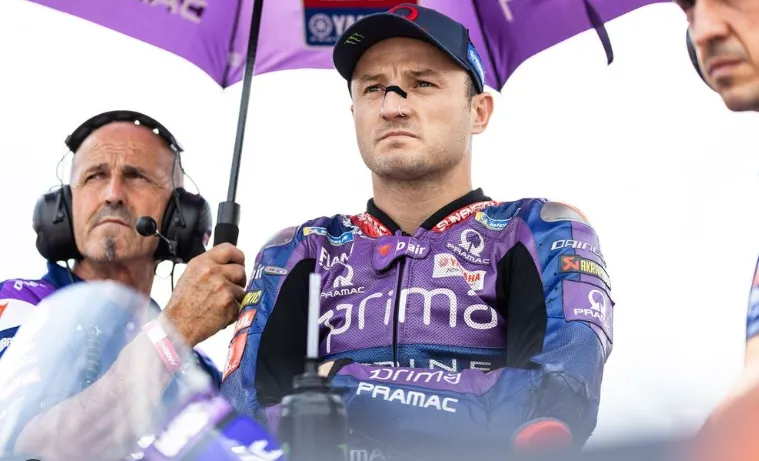
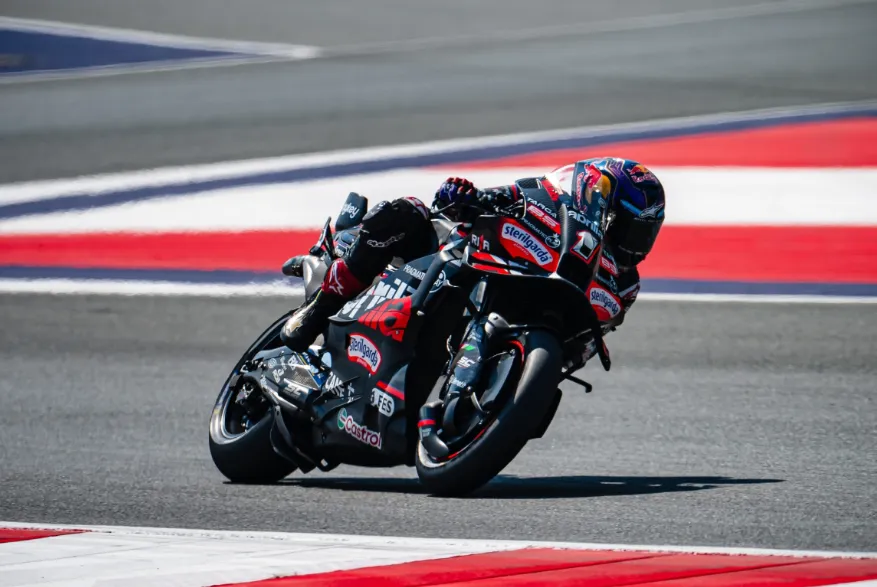
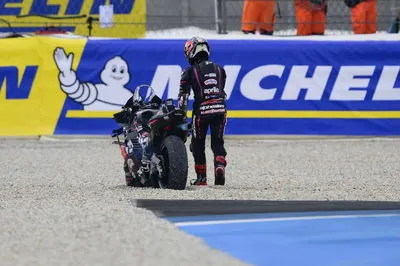
The Hungarian Grand Prix at Balaton Park delivered a dramatic start for Aprilia, with Jorge Martin among the riders to face significant technical difficulties during FP1. The Spanish rider’s RS-GP engine failed dramatically as he accelerated from the final corner, leaving the bike stranded upright in the gravel before marshals could intervene. The incident, while unusual, has now been linked to the aftermath of Martin’s crash in Austria, highlighting how past incidents can influence present performance.
FP1 Chaos: Technical Issues Strike Aprilia
The problems were not limited to Martin. Shortly after his engine failure, Raul Fernandez’s Trackhouse Aprilia also suffered a mechanical issue during braking for Turn 5. Fernandez’s bike leaked oil onto the track, prompting a red flag and temporarily halting FP1.
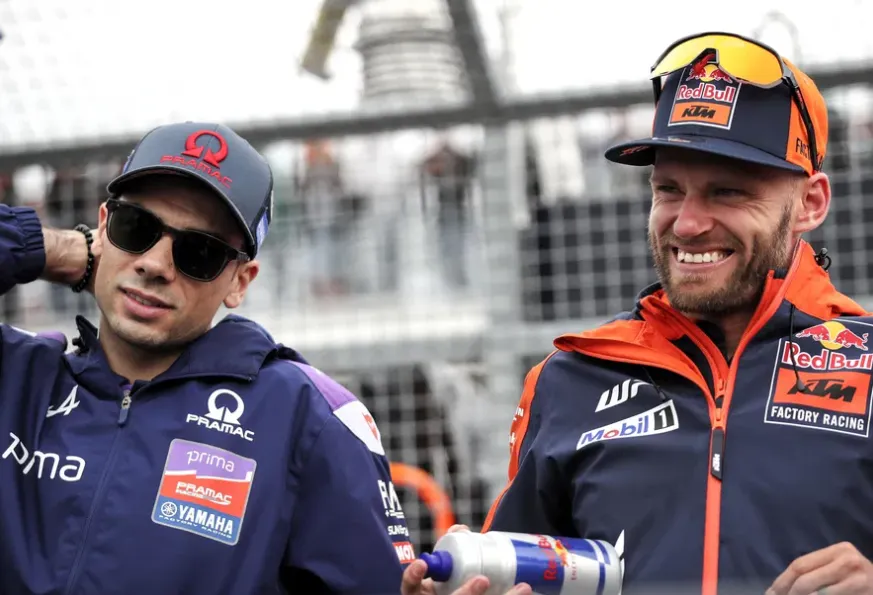
For Aprilia, these setbacks served as a reminder of the fine margins involved in running high-performance MotoGP machines, particularly under the pressures of consecutive race weekends. Despite the disruption, both riders were able to return to the track after the session resumed, with Martin finishing 10th and Fernandez 16th. Meanwhile, teammate Marco Bezzecchi demonstrated the RS-GP’s potential by claiming sixth place, showing that the package remains competitive when functioning correctly.
Martin’s Engine: A Carryover From Austria
Speaking to the MotoGP international TV feed, Aprilia Racing Team Manager Paolo Bonora explained that Martin was riding the same bike he crashed on at the Red Bull Ring in Austria. Bonora indicated that the team had conducted extensive checks following the crash to ensure the engine’s reliability.
“First of all, it’s necessary to say that we have to understand better the two problems,” Bonora said. “Probably they have two different reasons. On Friday, during FP1, we put the more used engine on the bike and they are more used for both of the riders [Martin and Fernandez]. In particular, for Jorge, it’s necessary to remember that he used the bike he crashed in Spielberg during the race.”
While Aprilia believes the engine should have been reliable, the failure suggests that previous race incidents can leave subtle vulnerabilities, even after rigorous checks. The team confirmed that technicians are now analyzing both engines to determine the exact cause of the blow-ups.
Learning From Setbacks
Despite the setback, both Martin and Fernandez were able to resume practice, underscoring Aprilia’s resilience and adaptability. Martin’s return to the track and ability to post competitive times — finishing 10th — indicates that the team can still extract performance while assessing technical reliability.
For Aprilia, incidents like this are part of a broader process of refinement, especially as the team balances engine usage, reliability, and performance across a demanding season. Bonora emphasized the importance of understanding each failure in detail to prevent recurrence, especially when dealing with machines that have already been involved in crashes.
Broader Implications for Hungarian GP
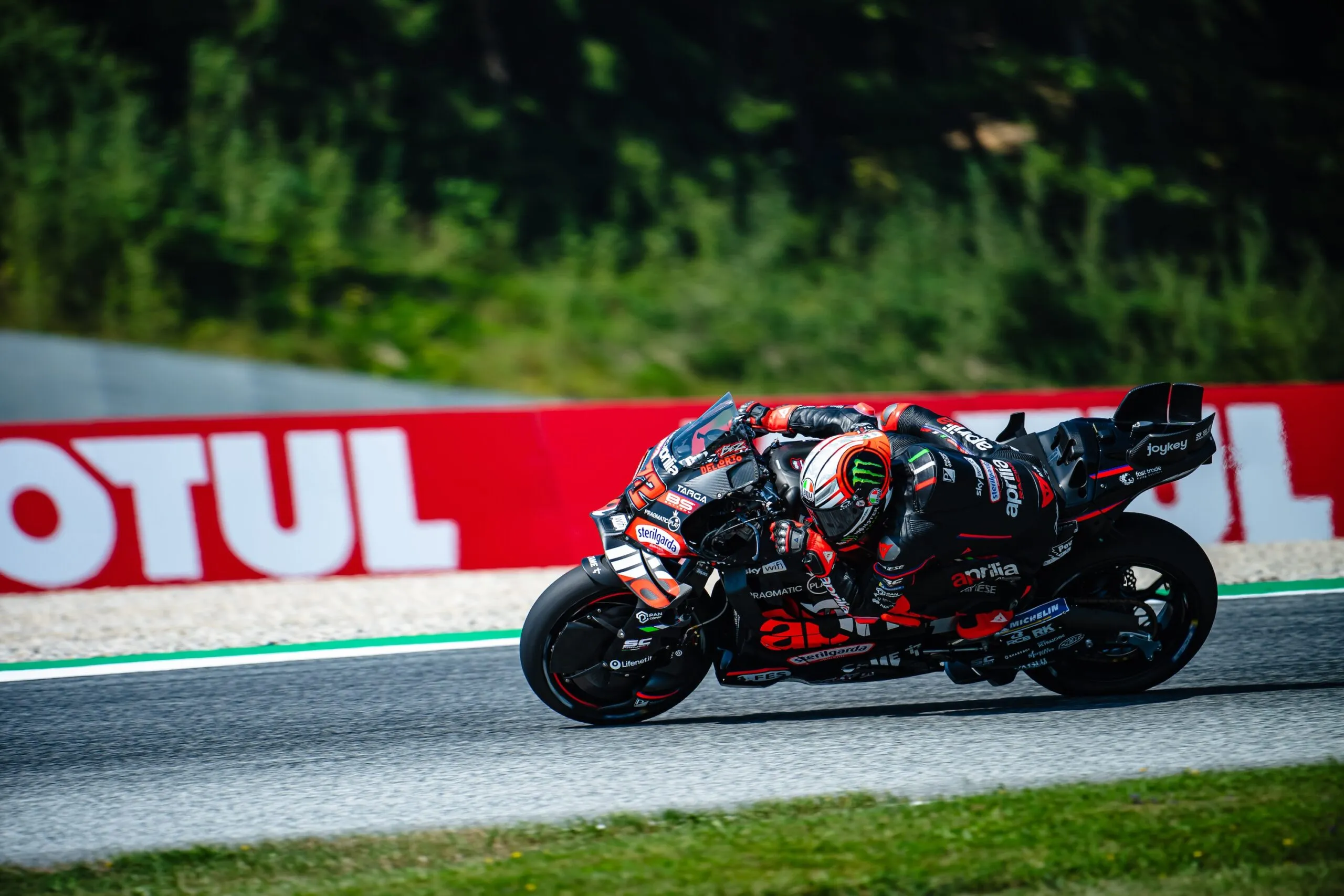
The engine blow-up during FP1 was a reminder of the technical challenges riders face at Balaton Park. The circuit is both technical and demanding, placing significant stress on the bikes through tight corners, fast directional changes, and heavy acceleration zones. Managing machinery that has already been through significant stress — such as Martin’s crashed bike from Austria — adds an extra layer of complexity for the team and rider.
While Martin and Fernandez continue to work through these issues, Bezzecchi’s sixth-place finish demonstrates that Aprilia has the potential to compete for strong results, provided the machinery holds up.
Conclusion: Investigating, Learning, and Moving Forward
Jorge Martin’s FP1 engine failure at the Hungarian GP serves as a case study in how past incidents and technical stresses can impact present performance in MotoGP. Riding the bike involved in his Austria crash may have contributed to the failure, though Aprilia’s team is thorough in its investigation to pinpoint the exact cause.
With FP1 concluded and both riders back on track, Aprilia will now focus on extracting race pace, understanding reliability limits, and preventing future technical failures. The Hungarian GP weekend continues to be a test of both human and machine resilience, and Aprilia’s ability to manage these challenges will be crucial in the hunt for competitive results.