







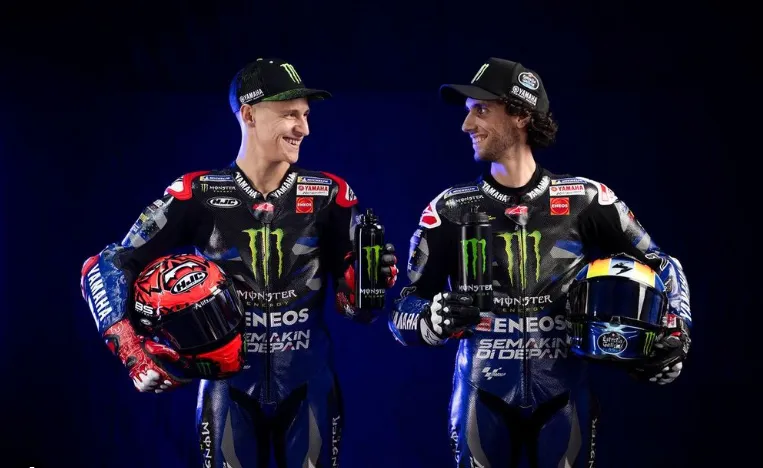
Alex Rins Points Out the Critical Weakness That Makes Fabio Quartararo Vulnerable
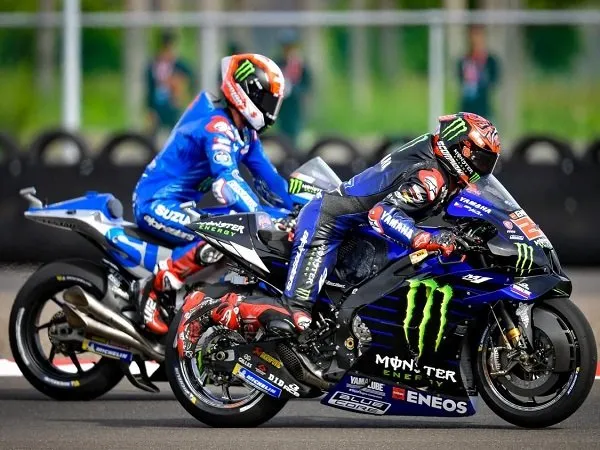
Alex Rins heads into the second half of the 2025 MotoGP season with a clear understanding of where his performance is falling short — and where Fabio Quartararo might also be most vulnerable. Sitting 18th in the world championship and nine positions behind his Monster Yamaha team-mate, Rins knows the numbers don’t tell the full story. While Quartararo has been consistently faster on Saturdays, Rins insists the race pace gap between them is far smaller than most observers might think.
The real difference, Rins says, comes down to qualifying performance — an area where Quartararo has been one of the best on the grid in 2025.
The Qualifying Divide
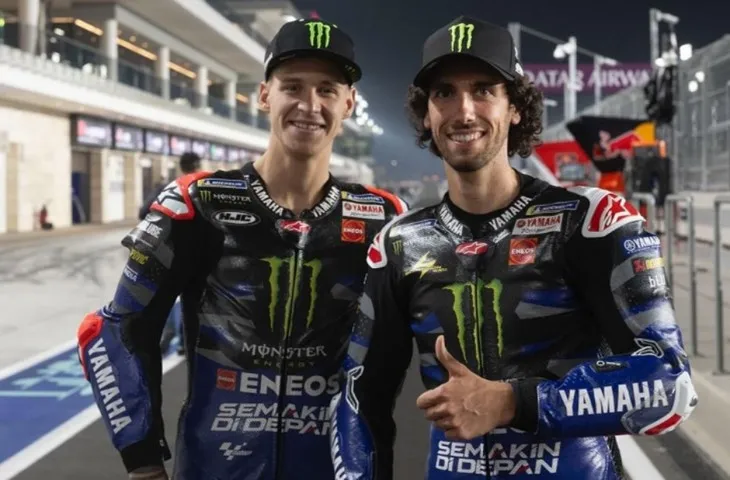
So far this season, Quartararo has claimed four pole positions and is ranked the third-best qualifier overall. In stark contrast, Rins sits just 16th in the qualifying rankings, a deficit that has left him fighting uphill battles on Sundays. In MotoGP’s modern era — with ultra-close lap times, limited overtaking opportunities, and fierce battles in the opening laps — starting position often determines finishing position.
For Rins, the message is simple: if he can qualify better, the race results will naturally follow.
“Right now, it’s really tough to do better — not in terms of result, in terms of lap time,” Rins explained. “We have no option to overtake or to fight after the first laps. But if we need to focus on one thing right now, it is trying to improve the qualifying, to start in a better position.”
The Key Deficit: Nailing the Perfect Lap
Rins believes his challenge isn’t about raw speed over a race distance, but about delivering one flawless flying lap when it matters most.
“Just do one nice lap — with no mistakes, pushing in every corner to the limit. That’s what’s missing,” he said. “I try, and sometimes we go through to Q2, sometimes not. We just need to be a little more regular.”
This inconsistency in qualifying is magnified by Yamaha’s current struggles with grip limitations and overtaking difficulty. If a rider can’t start near the front, the chances of climbing up the order diminish drastically, even with strong race pace.
Brno Performance: Closer Than It Looks
The Czech Grand Prix in Brno highlighted Rins’s point. While Quartararo qualified 6th and finished in the same position, Rins started further back and ended up 15th, around 11 seconds behind his team-mate. Despite the gap, Rins insists their pace wasn’t worlds apart.
“Fabio did a good qualifying [6th], and he was there in the race [6th], but our lap times — OK, they were a little bit different — he wasn’t putting one second per lap on me. It was just tenths,” Rins noted. “So everything depends on the qualifying lap. Let’s keep working.”
Championship Context
The championship standings underline how much qualifying success can influence results. Quartararo has scored 102 points this season, making him Yamaha’s clear leader. The next best Yamaha rider is Jack Miller with 52 points, followed by Rins on 42 points. Miguel Oliveira has just 6 points, having missed three early rounds due to injury.
Given that Rins’s race pace often matches — or comes close to — Quartararo’s, the Spaniard sees qualifying improvement as his best opportunity to close the points gap in the latter part of the season.
Why This Weakness Matters for Quartararo Too
While Quartararo has excelled in qualifying this year, Rins’s comments point to a potential weak spot for the Frenchman. If Quartararo ever finds himself unable to start near the front — whether due to mistakes, technical issues, or tricky track conditions — his Yamaha’s lack of overtaking strength could make it difficult to recover. In that sense, qualifying is as much Quartararo’s safety net as it is Rins’s Achilles heel.
This reality underscores how crucial Saturdays have become for Yamaha riders. The bike’s strengths — stability, cornering precision, and tire preservation — shine brightest when starting from a strong position, but its lack of explosive acceleration and passing ability can turn any mid-pack start into a frustrating Sunday.
Looking Ahead
For the second half of the season, Rins’s plan is straightforward but demanding: become a more consistent Q2 presence, secure better grid positions, and give himself the chance to fight with Quartararo and the front runners over race distance.
If Rins can regularly start inside the top 10, the small race pace difference between him and Quartararo could translate into dramatically improved results — and perhaps even podium challenges.
The MotoGP paddock has seen countless cases where a rider’s Sunday fortunes were transformed simply by mastering the art of qualifying. For Alex Rins, unlocking that potential could be the key to turning his 2025 season around and closing the gap to a team-mate who has so far dominated the intra-Yamaha battle.