A Little-Known Truth About Shohei Ohtani You Might Not Know
When people talk about Shohei Ohtani, they often highlight his jaw-dropping statistics, his $700 million contract, or the fact that he’s a rare two-way player in modern baseball. But there’s one little-known truth that rarely gets the spotlight: his remarkable self-reliance when it comes to nutrition. This isn’t just a quirky preference; it’s a carefully studied, strategic part of his preparation that traces back to his teenage years in Japan.
The Day Ohtani Refused Special Treatment
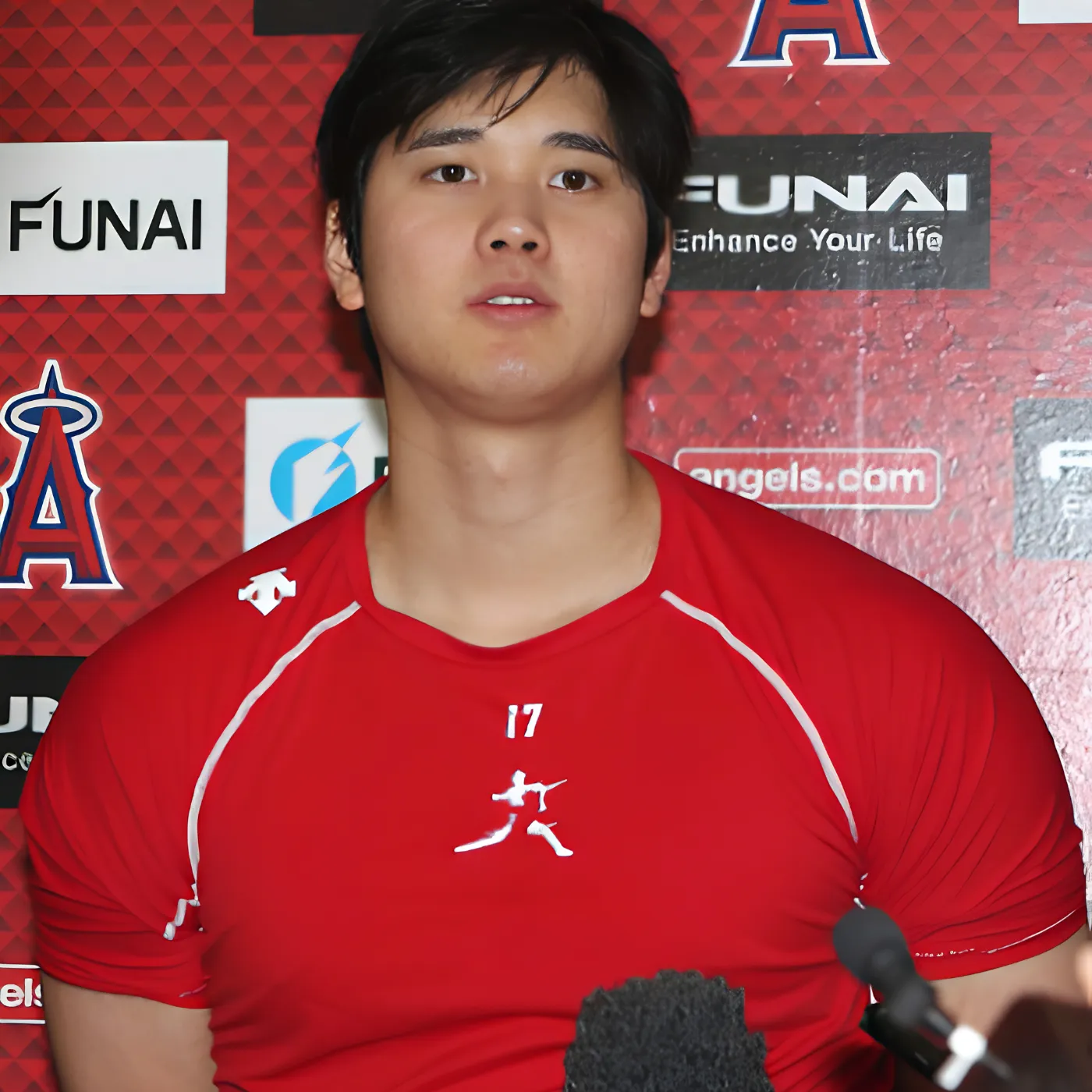
In his first year in MLB (2018), a senior executive at the Angels offered to prepare Japanese food for Shohei Ohtani, assuming he’d need cultural comfort during his transition to American life. Ohtani’s response?
| OHTANI: I’ve studied nutritional science and how to eat so that I could go anywhere in the world and would not run into any problems. They don’t need to do anything special for me.
That moment wasn’t just impressive — it was revealing. Ohtani didn’t expect anyone to accommodate him. He had already trained his body and mind to be adaptable. His nutritional preparation is symbolic of his independence and fierce discipline.
Why This Matters More Than You Think
Nutrition is often a blind spot even for professional athletes. Many rely on team chefs or nutritionists. But Ohtani took it upon himself to understand the science of food, digestion, and metabolism. This deep knowledge ensured he could perform consistently, whether on a hot afternoon in Anaheim or a cold evening in Seattle.
It’s also part of his larger philosophy: master every controllable detail. He can’t control the weather, the umpire, or the pitcher standing 60 feet away. But what goes into his body? 100% within his control.
Childhood in Oshu: Discipline in Simplicity
Born in 1994 in Oshu, Iwate Prefecture, Japan, Ohtani was raised in a working-class home. His father, Toru, worked at a car factory but coached Shohei’s little league team. His mother, Kayoko, was a national-level badminton player. From an early age, meals in the Ohtani household were simple but consistent: rice, fish, vegetables, miso soup.

Shohei wasn’t drawn to sweets or snacks. As his training intensified in his early teens, he started asking his mom about food values, protein, and recovery meals. At age 15, he was already journaling his meals and their impact on his performance.
Not Just a Baseball Player, but a Researcher
Before his move to the U.S., he had read dozens of Japanese books on high-performance nutrition. He watched documentaries on Olympic training. He even reached out to a Japanese sports science professor via email to confirm whether magnesium deficiency could lead to slower reaction time at the plate.
While his teammates were watching anime or gaming, Ohtani was experimenting with his diet, testing the effect of different hydration formulas during doubleheaders.
The Quiet Hero of Recovery
Baseball is brutal on the body, especially for a two-way player. Pitching and hitting engage entirely different muscle groups. Many pitchers only pitch once every five days, but Ohtani was also a starting DH multiple times per week.
How did he keep up?
-
Turmeric and ginger smoothies for inflammation
-
Strict 9:30 PM bedtime
-
Measured hydration with electrolytes tailored to humidity levels in different ballparks
-
A rotation of lean proteins, adjusted to game-day or off-day recovery needs
Nutrition became his weapon. Not just for performance, but for durability.
Imagining the Ohtani Meal Routine on the Road
Imagine Ohtani in a Boston hotel at 6:00 AM. The team has a 1:10 PM game at Fenway. While others are sleeping in or relying on the buffet, Ohtani is in his suite, measuring oats, soaking chia seeds, blending in almond butter and banana. He sips his green tea quietly, reviewing his pitching notes.
Lunch is portioned: salmon, brown rice, steamed broccoli. No sauces, no soda, no shortcuts. It might sound robotic, but to him, it’s freedom. He doesn’t worry about what to eat because it’s already decided. He focuses on the game.
The 2024 Injury and the Nutritional Comeback
In 2024, Shohei Ohtani suffered an oblique strain after a long season that included his historic 50/50 milestone: 50 home runs and 50 stolen bases. While fans mourned, Ohtani went into action mode.
He adjusted his nutrition to support soft tissue recovery: more collagen, omega-3s, hydration blends with L-glutamine. He consulted Japanese rehab nutritionists by video call. Within 8 weeks, he was back in full swing. Most players would need 12.
| OHTANI: Healing isn’t just rest. It’s feeding the body the right fuel so it can do its job.
Inside the Dodgers Clubhouse Kitchen
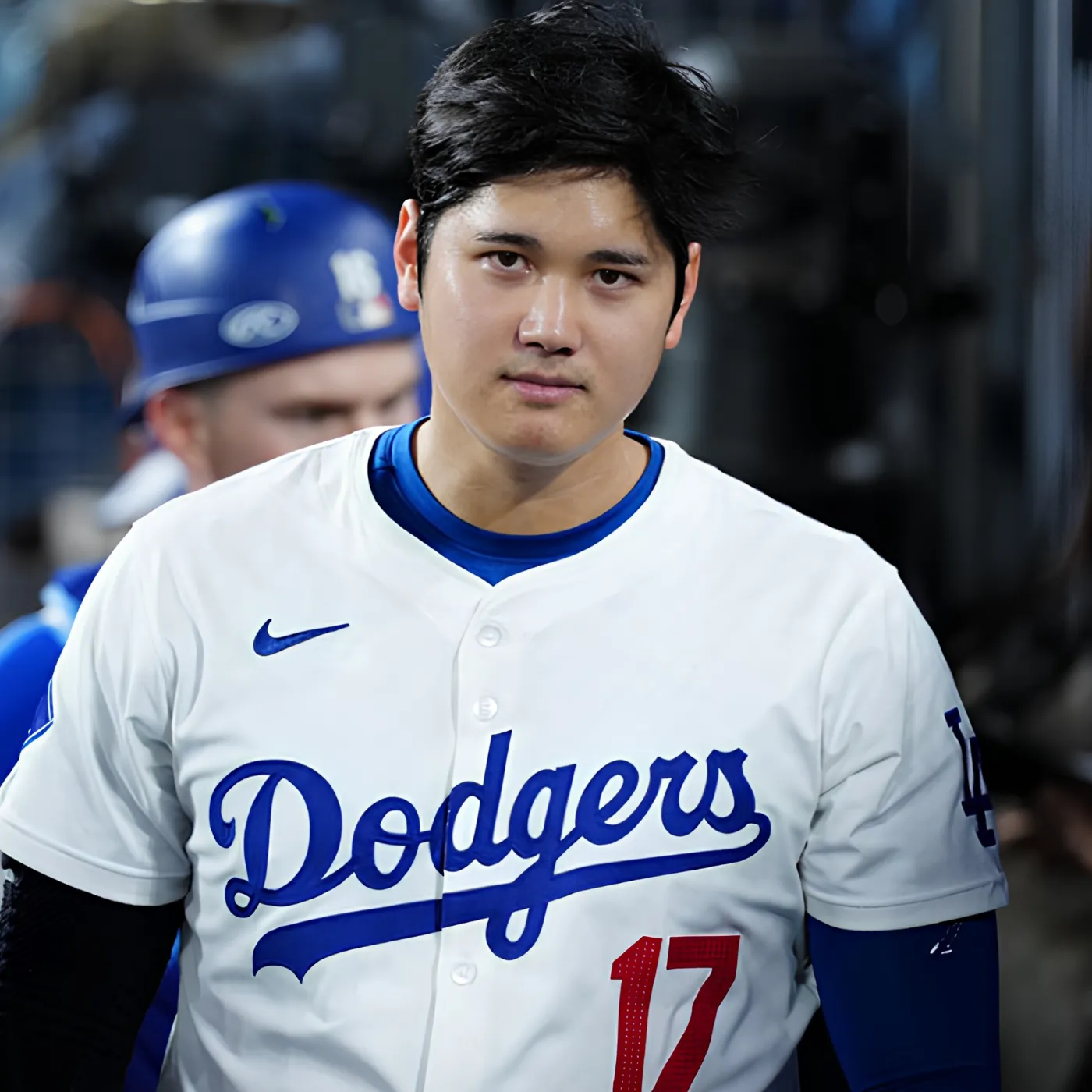
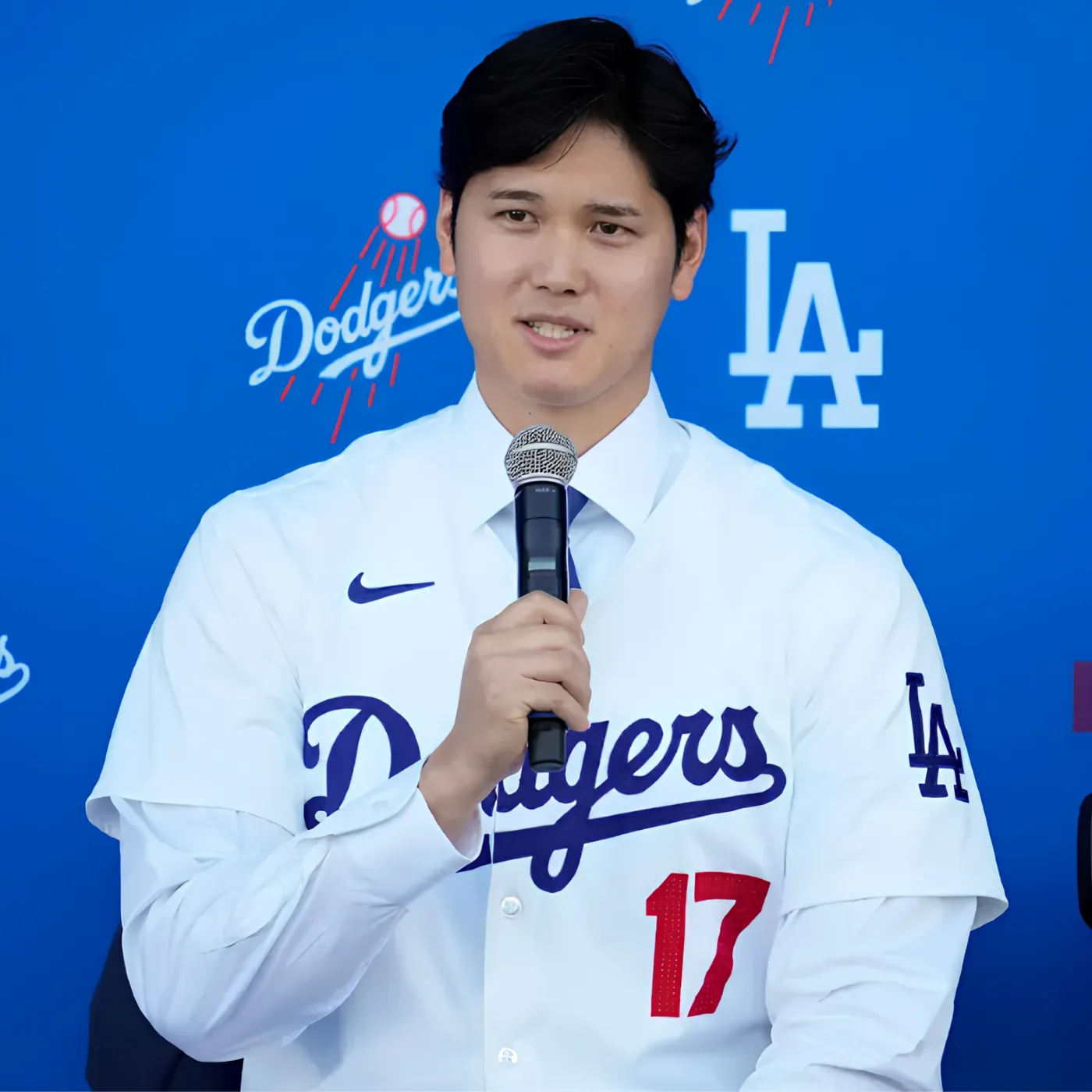
When Ohtani joined the Dodgers in 2024, their chefs expected to cook for him. Instead, he handed them a spreadsheet.
-
Macronutrient ratios for game days
-
Anti-inflammatory herbs
-
A rotation plan to prevent palate fatigue
-
Fasting windows on off days
His teammates, at first, laughed. But by midseason, several were asking for copies. A few even tried his turmeric tea.
| MOOKIE BETTS: Man, I thought I was disciplined. Then I met Shohei. That dude eats like a machine… but the results? You can’t argue with them.
Beyond the Field: Life Lessons from Ohtani’s Nutrition Mindset
Shohei Ohtani’s food philosophy is more than performance-driven. It’s about accountability. In a world where it’s easy to blame external circumstances, Ohtani reminds us that success often starts in the smallest, most private choices.
-
Waking up early for prep
-
Resisting easy temptations
-
Doing the research others won’t
-
Believing in the compound interest of effort
Imagined Scene: Ohtani and a Rookie
Let’s paint a moment in the Dodgers locker room. A Japanese-American rookie approaches Ohtani nervously.

| ROOKIE: Hey Shohei, do you miss Japanese food?
| OHTANI: Sometimes. But I don’t miss the feeling of eating wrong before a game.
He smiles, hands the rookie a small protein ball wrapped in seaweed.
| OHTANI: Try this. Homemade. Better than those energy bars.
The rookie bites in, surprised.
| ROOKIE: Whoa. This is good.
| OHTANI: Told you. Food is fuel. Treat it with respect.
Closing the Gap Between Great and Legendary
What separates greatness from legend? It’s often not talent, but intention. Shohei Ohtani brings intention to every bite, every sip, every schedule. That dedication behind the scenes is what allows the magic to happen under stadium lights.
As he builds his legacy, let this be a reminder: greatness is crafted not just in the gym or on the mound, but also quietly, in kitchens, notebooks, and morning routines.
The next time you see Shohei Ohtani launch a ball 450 feet or strike out a batter with a 101-mph heater, remember this: the power didn’t start in his arm. It started in his plate.