




A Copycat or Coincidence? The Viral Video Linking ‘Coolie’ to Lil Nas X Is INSANE
Anirudh Ravichander’s high-energy track “Powerhouse” from Rajinikanth’s movie Coolie is setting social media on fire—but for all the wrong reasons.
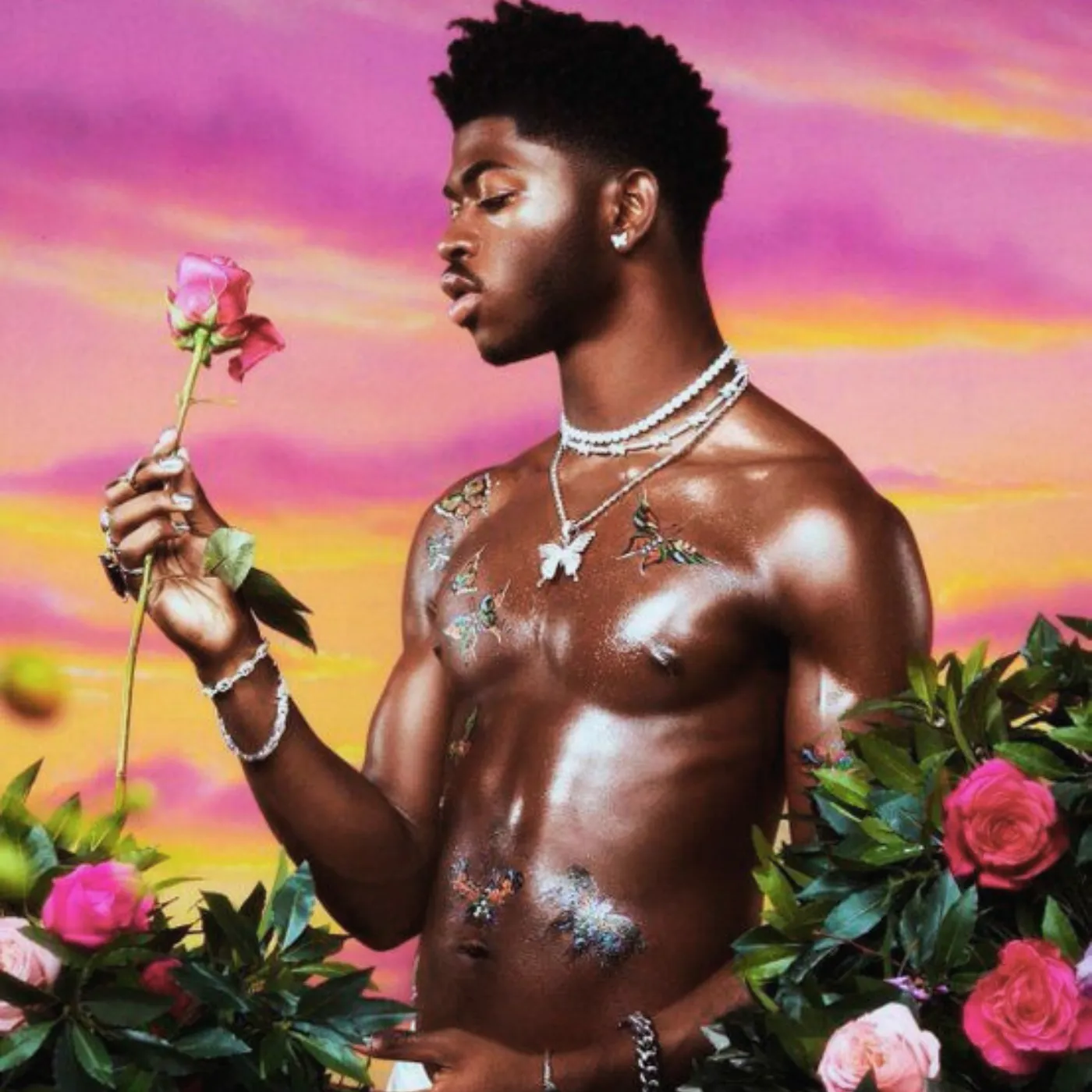
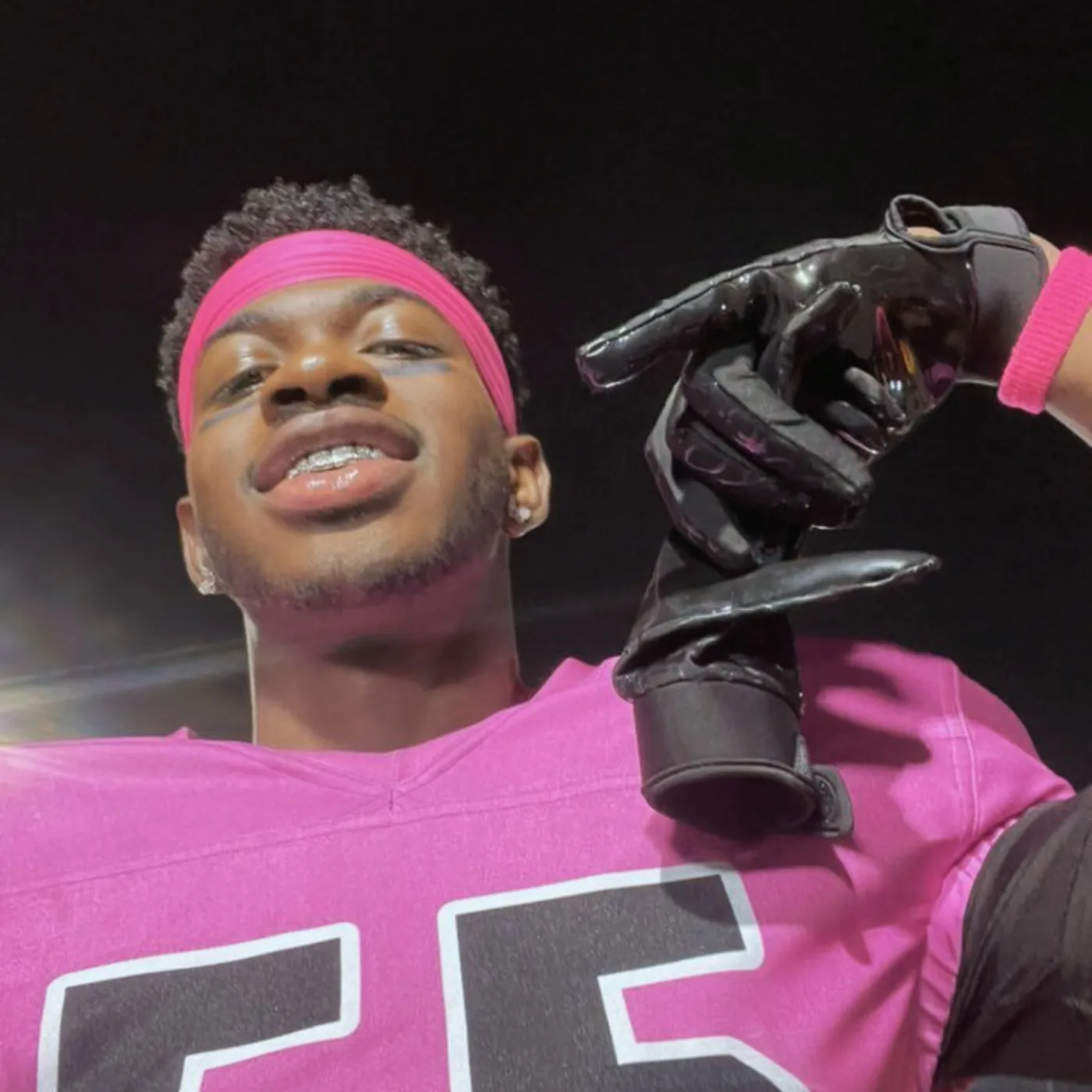
While millions have praised the song’s cinematic punch and festival vibes, a new wave of criticism is rising: is “Powerhouse” suspiciously similar to Lil Nas X’s global anthem “Industry Baby”? And more importantly—how often is Lil Nas X copied without consequences?
The Allegations Aren’t Quiet Anymore
It started, as it always does, with a fan-made video. A side-by-side comparison of “Powerhouse” and “Industry Baby” was uploaded to TikTok and YouTube, racking up millions of views within hours. The similarities? Not subtle.
From the horn-drenched intro to the military snare rolls, from the triumphant brass arrangement to the beat drop structure, internet detectives wasted no time making their case: this isn’t a coincidence. It’s a recreation.
And Lil Nas X fans? They’re not laughing.
Lil Nas X: The Blueprint Everyone’s Borrowing From
Here’s the quiet part no one wants to say out loud: Lil Nas X has quietly become one of the most mimicked artists in the world.
Whether it’s the genre-blending swagger of “Montero”, the hard-hitting bravado of “Industry Baby”, or the viral strategy of his visuals, his playbook has become a template—especially in markets where Western influence sells, but credit doesn’t follow.
He’s not just a pop star. He’s an algorithm magnet. And when you blend virality with ambiguity, you get a goldmine for creators looking to borrow just enough to win—without paying homage.
Anirudh’s History of “Coincidences”
This isn’t the first time Anirudh Ravichander has faced this kind of scrutiny. Earlier allegations have surfaced around tracks from Leo, Kolamaavu Kokila, and Don.
Each time, the response has been the same: ignore it, ride the trend, and move on. And the numbers reward it. Views climb. Fans debate. But the alleged “inspirations”? They never get a response, let alone a royalty.
With “Powerhouse,” though, the stakes feel different. Because this time, the alleged source is Lil Nas X—an artist who’s built his entire brand on fighting back.
And the internet is listening.
Why It Matters Now More Than Ever
There’s a storm brewing in global pop culture. And it’s not just about plagiarism anymore—it’s about power dynamics, credit, and colonial echoes hiding in plain sight.
Western artists, especially those who’ve cracked the internet code like Lil Nas X, are now watching their work become currency across film industries, streaming platforms, and advertising campaigns around the world.
But here’s the twist: the influence spreads, but the recognition doesn’t.
You might hear the horns. You might feel the drop. But you won’t see Lil Nas X’s name in the credits.
In an era where YouTube views equal revenue and soundtrack placements drive box office numbers, musical erasure isn’t just disrespectful—it’s financial theft dressed as admiration.
A TikTok Firestorm Is Just the Beginning
The conversation around “Powerhouse” is evolving. What started as a few comparison videos has now triggered deep threads on Reddit, reaction videos from producers, and meme wars on X (formerly Twitter).
It’s now more than “does this sound similar?” It’s turned into:
“Why does this keep happening to Black artists?”
“Why aren’t South Asian industries held accountable when they lift beats?”
“Is virality becoming a shield for unoriginality?”
The video edits are brutal. One shows Lil Nas X performing “Industry Baby” live, overlaid with footage of the Coolie trailer synced to the beat—and it fits perfectly.
If you think this is accidental, you’re not paying attention.
What Lil Nas X Hasn’t Said—Yet
So far, Lil Nas X has remained silent on the Powerhouse controversy. But that silence feels calculated.
He’s no stranger to calling out injustice. He’s clapped back at chart manipulation, industry politics, and public slander. When he speaks, the internet moves.
And insiders say he’s watching the situation closely.
Because if Coolie continues to explode internationally—and “Powerhouse” becomes a breakout anthem—it might not just be internet critics demanding answers. Lil Nas X’s team could step in.
And that, for Anirudh, might become a much bigger problem than fan backlash.
Is This the Start of a Global Copyright Reckoning?
This moment is no longer just about two tracks going head-to-head in a YouTube comparison video.
It’s about how digital globalization is reengineering music itself—faster than the industry can keep up. Borders are vanishing, algorithms are remixing, and viral outrage is the new legal department.
And now, Lil Nas X—once the face of TikTok virality, now a symbol of sonic dominance—has been unexpectedly pulled into a controversy he didn’t ask for. But maybe, just maybe, he saw it coming.
Because in 2025, influence isn’t flattering. It’s financial.
Blurring the Line Between “Inspired” and “Copied”
A decade ago, a song like Powerhouse would have slid under the radar—chalked up as cinematic hype music with modern brass and 808s.
Today? The internet notices everything. Fans become detectives. AI-generated audio overlays expose note-for-note similarities. And when Anirudh Ravichander’s “Powerhouse” dropped as part of the Coolie soundtrack, it took less than 48 hours for a viral TikTok to allege something bold: “Is this just Industry Baby in a new outfit?”
That question—posed with a few split-screen videos and a confident caption—lit the match.
Now, the fire’s spreading.
From Viral Fame to Viral Claims
Let’s be clear: “Powerhouse” is a hit. With Rajinikanth’s name attached, it was bound to explode across Indian cinema and beyond.
But the virality it’s gaining isn’t just from views—it’s from comparisons. From accusations. From a rising demand that composers stop hiding behind “inspiration” as a shield.
And whether or not Ravichander copied Lil Nas X’s “Industry Baby” note-for-note, the structural parallels are hard to ignore:
The triumphant horn section
The militaristic marching drums
The chant-ready rhythm that feels engineered for arenas
It’s not just a vibe. It’s a blueprint. And the fans know it.
Why This Hits Harder Than Ever in 2025
In the past, an allegation like this would be a momentary scandal—a trending topic, a few angry tweets, a half-hearted denial from a studio PR team.
But in 2025, everything’s different.
Here’s why:
AI listening tools can now scan for structural plagiarism beyond the human ear.
Fan-made mashups are getting professional-level attention—and generating ad revenue.
TikTok and Instagram Reels reward comparative outrage with reach.
Music platforms are quietly reconsidering royalty splits the moment accusations gain traction.
In short, it’s no longer about who wins in the court of law.
It’s about who dominates the court of virality.
Lil Nas X: The Uncredited Blueprint?
Whether by accident or influence, Lil Nas X’s musical DNA has embedded itself into the cultural bloodstream.
His brass-heavy, genre-blurring beats and ironic swagger helped shape a new kind of pop—one that can cross borders, languages, and even film industries.
And now, that influence might be costing him more than it’s paying him.
Let’s be honest: “Industry Baby” wasn’t just a hit—it was a playbook.
It taught global producers that horns sell hype, that drama + drums = dominance, and that a confident brass drop is worth more than 10 lyrical bars.
If “Powerhouse” borrowed that DNA without credit, we have to ask: What’s next?
A Pattern—or a Problem?
This isn’t Anirudh Ravichander’s first brush with this kind of critique. Fans with sharp ears have previously flagged “Leo” and “Kolamaavu Kokila” for having “suspiciously familiar sounds.”
And in a streaming world where billions of plays mean billions of rupees and dollars, sounding familiar isn’t harmless—it’s strategic.
The question is: Where do we draw the line?
And who gets to draw it?
The Industry’s Growing Divide
There’s a clear generational and geographic divide in how this issue is being viewed.
Old-school industry heads still see music as a collage of past ideas, recycled and reborn.
Younger artists and fans—especially those from digitally native cultures—view sonic theft as a serious violation.
Global streaming audiences, caught in the middle, are starting to recognize patterns… and demand receipts.
When a song feels like déjà vu, people want to know why.
Not because they hate the music.
But because they love the original.
Legal Gray Area, Public Blacklist
Here’s the twist: Even if “Powerhouse” never lands in court, it’s already on trial in public perception.
That’s where things get dangerous.
Because today, a song’s perceived originality is just as important as its quality.
And while Rajinikanth’s star power might shield the film, Ravichander’s brand could take a hit that algorithms won’t forget.
Streaming platforms track engagement dips. YouTube’s system can detect flagged content down to the beat. And if enough users start skipping “Powerhouse” when the controversy comes up?
The track could become digital poison—without a single lawsuit.
Is This the Start of a Global Copyright Reckoning?
This isn’t just about two songs anymore.
It’s about how digital globalization is breaking musical boundaries—and blurring them dangerously.
“Influence” and “inspiration” used to be artistic compliments. But in 2025, with AI-enhanced listening tools, fan-made forensic mashups, and viral outrage economics, the line between homage and theft is practically radioactive.
The music industry has always lived in the gray.
But today’s tools are turning that gray into black and white.
Final Note: Is “Powerhouse” a Hit… or a Warning Sign?
There’s no question: “Powerhouse” is catchy, cinematic, and engineered for hype.
But it’s also become a lightning rod for conversations that go far beyond YouTube views and chart positions.
If Lil Nas X’s sound has quietly become the default global beat for hype, then we need to start asking:
Who gets credit?
Who gets paid?
Who gets erased?
As the Coolie storm grows louder, one thing is clear: this won’t be the last time Lil Nas X’s sound echoes where it shouldn’t.
But next time?
He—and his fans—might demand more than just viral fame.
They might want accountability.
They might want change.
And if they don’t get it?
They might just take back the whole game.