







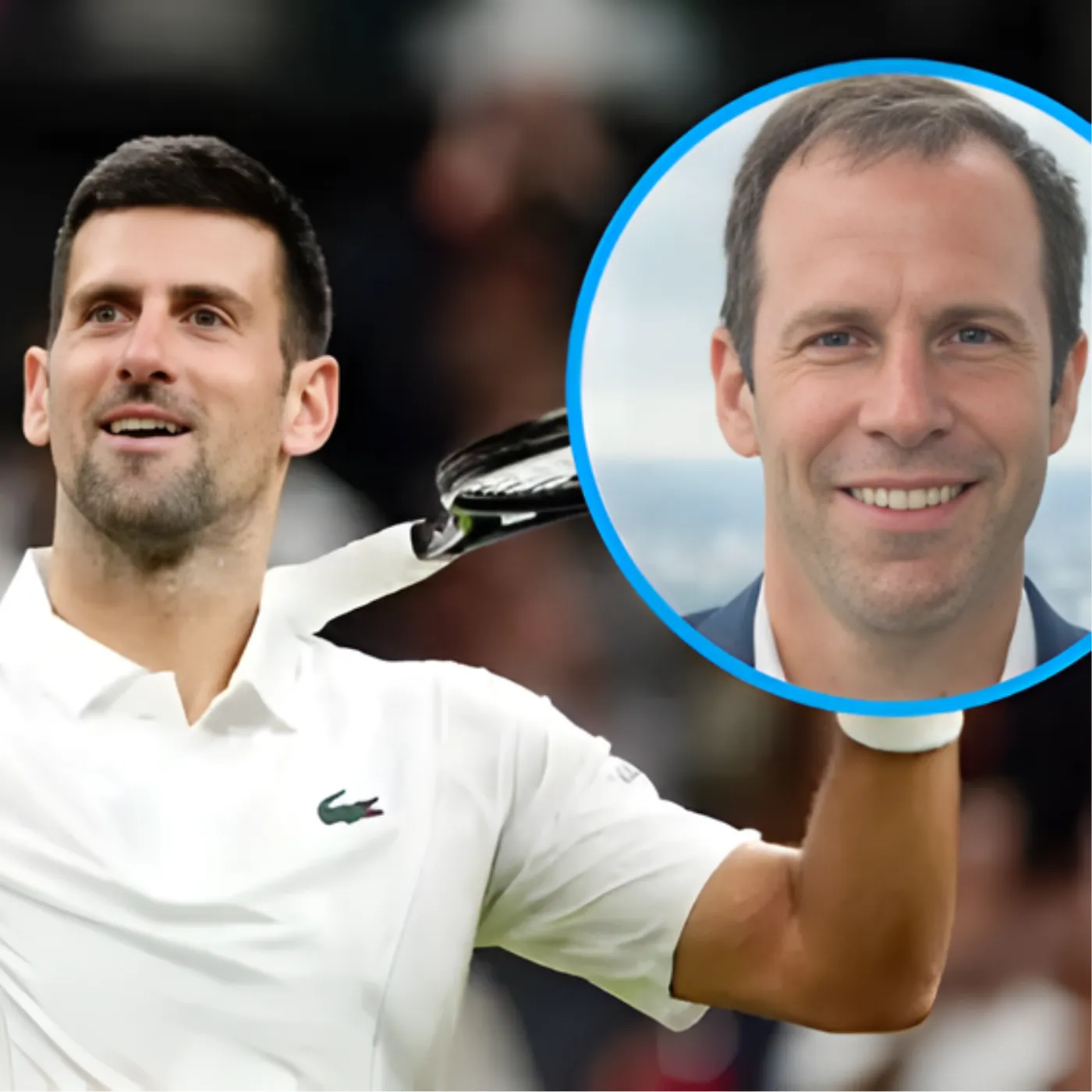
The End of an Era? “It’s Not Form Anymore…” Greg Rusedski’s Shock Verdict on Novak Djokovic’s Career Ignites Fan Fury
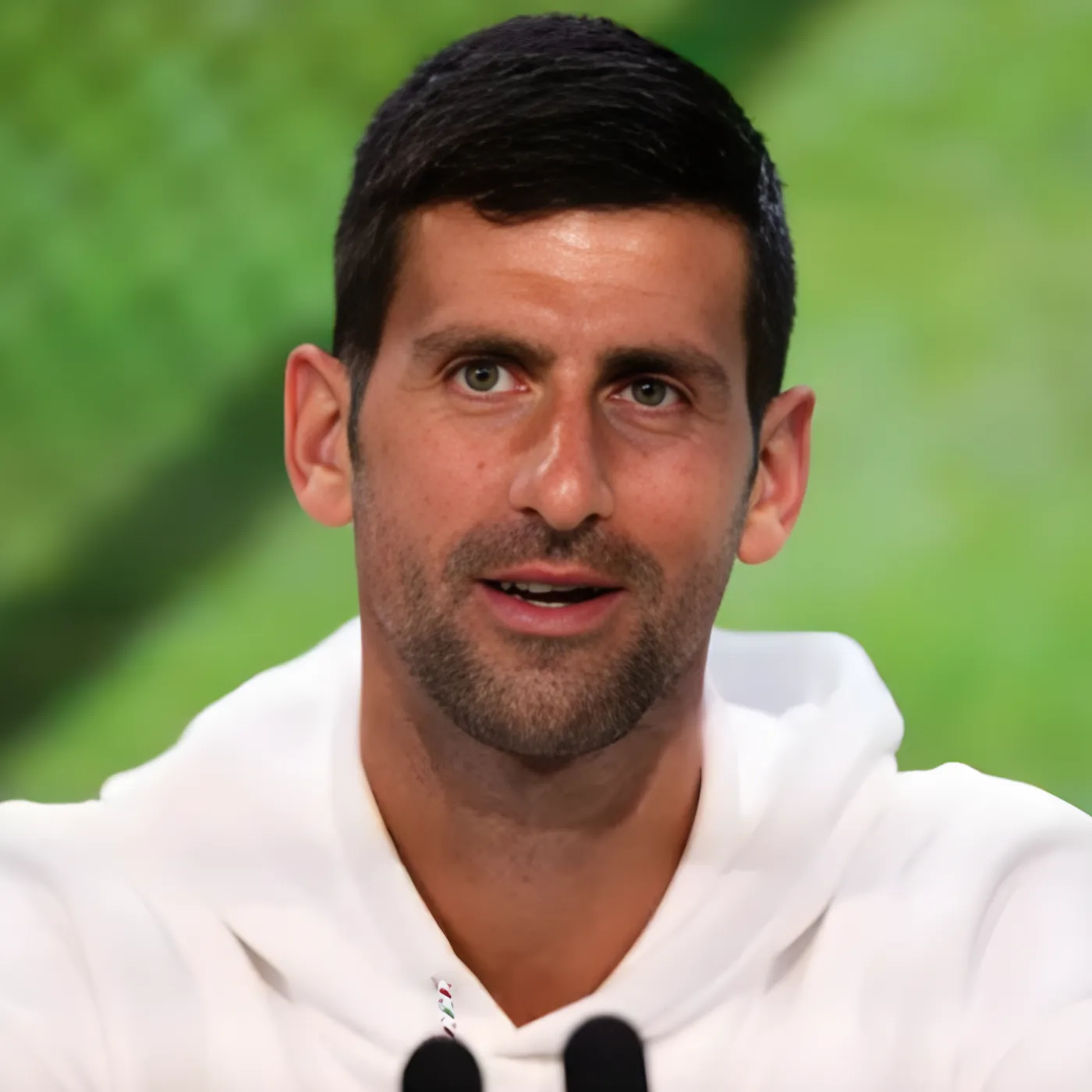
The world of tennis is seldom quiet, but the recent remarks made by former British No. 1, Greg Rusedski, regarding the twilight of Novak Djokovic’s career have sparked an unprecedented uproar among the tennis community. Rusedski, known for his candid commentary, delivered a shock verdict that went far beyond typical analysis of form or fitness, suggesting that the issues currently facing the 24-time Grand Slam champion are deeper and more existential than mere temporary slumps. His claim, encapsulated in the provocative statement, “It’s not form anymore…”, has drawn swift and furious condemnation from Novak Djokovic fans globally, raising critical questions about how the public views the eventual decline of a sporting titan.
This detailed article explores Rusedski’s controversial claims, analyzes the arguments presented by Djokovic supporters, and attempts to place this current turbulence within the broader context of tennis history and the inescapable march of time. We will examine the evidence both for and against the notion that the legendary Serbian is facing an irreversible shift in his competitive landscape, rather than a simple dip in performance.
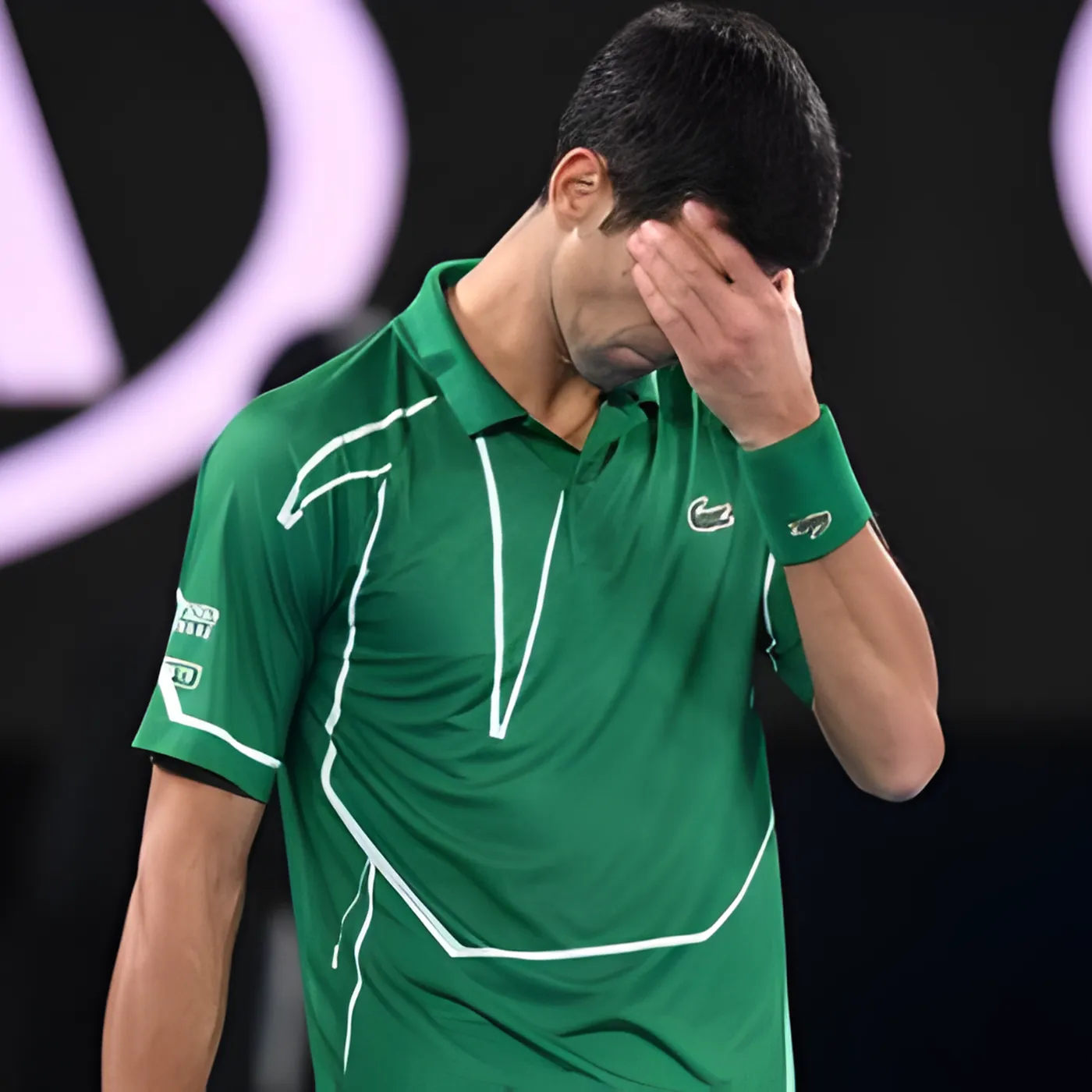
The Genesis of the Uproar: Rusedski’s Controversial Claim
For decades, Novak Djokovic has been the epitome of consistency, mental fortitude, and supreme physical conditioning. His career trajectory has defied norms, extending his prime well into his late thirties, a feat previously thought impossible in the demanding world of men’s tennis. When Djokovic suffers a loss, the immediate reaction is always centered on a lack of match sharpness, minor injuries, or perhaps simply an off-day—in short, a temporary “dip in form.” This pattern of short-term setbacks followed by emphatic comebacks has historically reinforced the belief that Djokovic operates on a different athletic and psychological plane than his contemporaries. He has trained his fans to expect not just recovery, but resurgence.
Rusedski’s comments shattered this comfortable narrative. By asserting, “It’s not form anymore,” Rusedski implies that what the world is witnessing is not correctable through a few extra training sessions or a change in diet, but rather a fundamental, possibly permanent, shift in Djokovic’s capabilities relative to the new guard. This diagnosis fundamentally alters the scope of the problem, shifting it from a fixable technical issue to an irreversible existential one.
The Core of the Argument
What exactly does Rusedski mean when he says it’s “not form”? The implications are significant and controversial:
-
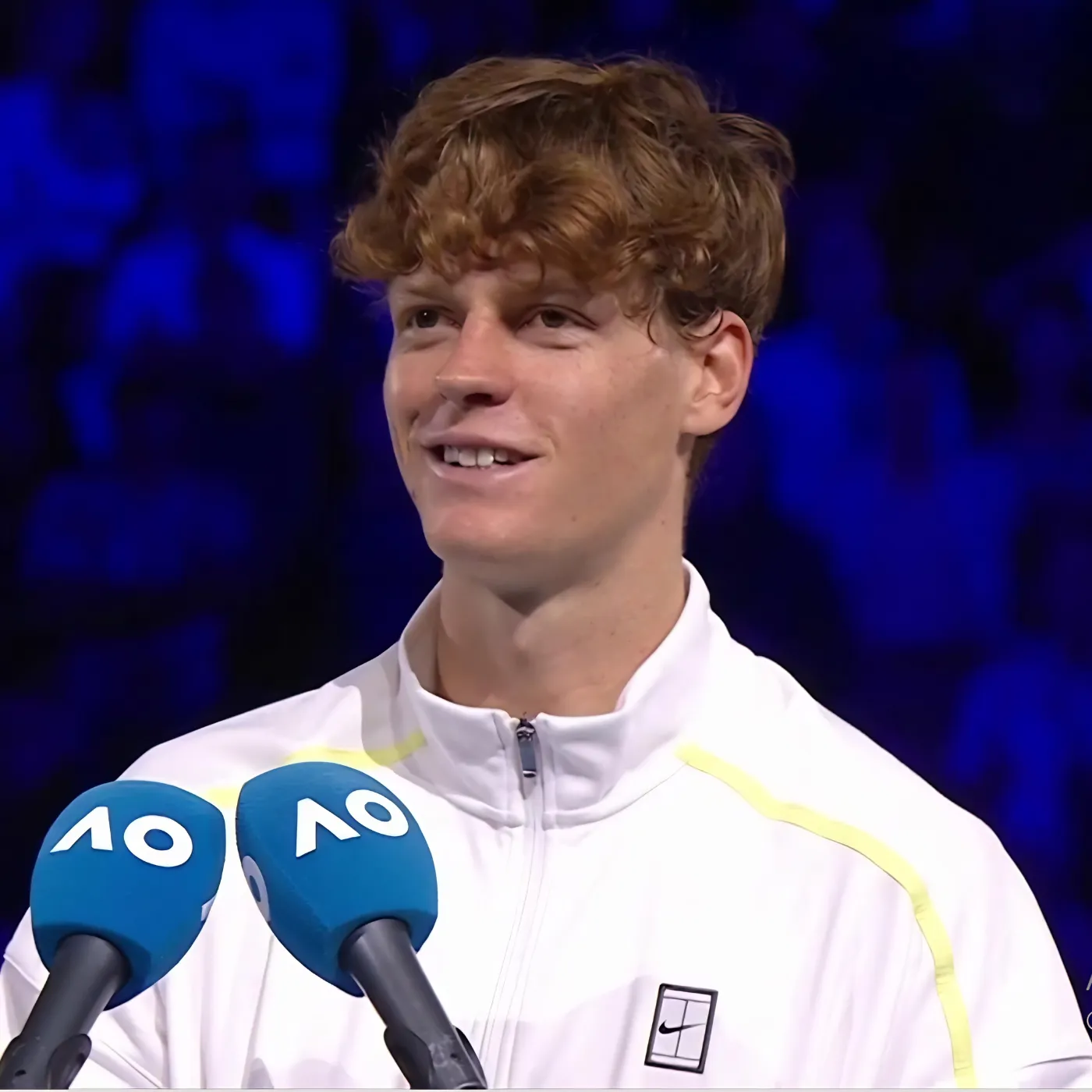
Age-Related Decline and the Athletic Gap: The most obvious, yet most painful, possibility is that the effects of aging are finally catching up. Rusedski suggests that the speed, recovery, and explosive power needed to sustain five-set battles against younger, fitter rivals like Carlos Alcaraz and Jannik Sinner are becoming sustainably difficult. The marginal gains in athleticism and stamina that Djokovic once held are now the domain of the younger generation. The cumulative wear and tear of nearly twenty years on the tour, involving thousands of high-stakes matches and rigorous training cycles, presents a tax on the body that even Djokovic’s monastic discipline cannot fully negate. This isn’t just about being slightly slower; it’s about losing that crucial half-step necessary to turn defense into offense.
-
Motivational Shift and the Final Goal: After achieving every possible milestone in professional tennis—24 Grand Slams, multiple calendar slams, numerous world number one records—Rusedski hints that the internal fire—the absolute, non-negotiable hunger that drove Djokovic for two decades—may have naturally diminished. While he may still desire victory, the ability to summon that all-consuming, tunnel-vision focus for every single point of every single match may be the toll of success. If the legendary Djokovic motivation is subtly wavering, no amount of technical work or tactical planning can compensate for the loss of that critical mental edge. Rusedski suggests that the pursuit of specific, remaining goals (like an Olympic Gold) might not provide the same daily fuel as the drive to become the G.O.A.T. once did.
-
Tactical Obsolescence in a Faster Game: The new generation is not just faster; they have evolved the game, particularly in terms of returning serve and aggressive baseline play. Rusedski suggests Djokovic’s historically dominant tactical patterns—relying on relentless defense, neutralizing power, and forcing errors—are being countered more effectively. Younger players are hitting flatter, earlier, and recovering faster, nullifying Djokovic’s traditional advantage of turning defense into offense. This indicates a need for fundamental tactical adaptation that may be harder to implement and sustain at this advanced stage of his career, especially under the physical strain imposed by Alcaraz and Sinner.
This diagnosis is far harsher than saying Djokovic simply needs to “find his groove.” It is a “shock verdict” implying that the era of absolute dominance is genuinely over and that the challenge now is managing a retreat rather than preparing for a renewed offensive.
The Unstoppable Force: Evidence Supporting Djokovic’s Continued Elite Status
To understand the fan fury, one must first acknowledge the astonishing Djokovic record that makes Rusedski’s claims seem almost blasphemous. The Serbian’s sheer consistency and his ability to peak at the most critical moments have redefined what is possible in modern sport.
The Grand Slam Anomaly and Peak Performance
Despite Rusedski’s concerns, Novak Djokovic remains an elite force in Grand Slams. His performance in the major tournaments, even in what Rusedski might term his “decline,” is still superior to nearly every other player on the tour.
-
Deep Runs and Event Management: In recent seasons, even amidst whispers of slowing down, Djokovic consistently reaches the later stages (quarter-finals, semi-finals, or finals) of the four biggest events. This level of consistency demonstrates a tactical superiority and competitive spirit that belies any severe decline. He has mastered the art of event management, knowing when to conserve energy and when to unleash his best. A temporary dip in form would explain losses; a permanent decline would logically result in more frequent, and earlier, defeats to less-ranked players. That hasn’t happened.
-
The 24-Slam Legacy and Unmatched Peak: The fact that Djokovic extended the all-time Grand Slam record to 24 titles in an era featuring two other historic giants (Roger Federer and Rafael Nadal) underscores his unparalleled competitive spirit. Fans argue that a player whose issues are merely “lack of form” can quickly correct those issues to contend for majors, whereas irreversible decline would mean early exits. Furthermore, his performance peak, measured by his 2015 and 2021 seasons, set a benchmark of dominance that no other player has matched.
Unbreakable Mental Fortitude and the Will to Win
One of the cornerstones of Novak Djokovic’s career is his psychological strength—often dubbed the “Djoker Mentality.” Fans vehemently argue that this is the one asset that age cannot diminish and, if anything, only grows stronger with experience.
-
Clutch Performances and Mental Resilience: Djokovic’s ability to win tie-breaks, save break points, and turn around matches from two sets down is not a physical trait, but a mental one—a sheer will to win. This innate competitive fire remains evident, even in losses, where he often forces opponents to play their absolute best tennis just to defeat him. His track record in deciding sets and tiebreaks against top opponents late in tournaments remains a statistical anomaly that no other player can match, suggesting the mental engine is still running at full capacity.
-
Historical Precedent and The Comeback Blueprint: His supporters point out that Djokovic has navigated periods of poor form before, notably in 2017/2018 when he dealt with elbow issues and motivational crises, only to return stronger than ever, winning four consecutive Grand Slams from Wimbledon 2018 to Wimbledon 2019. Fans believe he possesses the blueprint for an elite comeback and that Rusedski is forgetting the Serbian’s track record of proving doubters wrong.
Dominance Over the Field and Statistical Excellence
While the focus remains on the rivalry with Alcaraz and Sinner, Djokovic still demonstrates overwhelming dominance against the majority of the top 50 players. His win-loss record against the tour’s mid-tier and high-level players remains exceptional. A player suffering from an irreversible decline would see his results suffer universally, not just in the select few matches against the next generation’s top talents. His sustained hold on a high ranking, even through what Rusedski calls a decline, is a statistical improbability for someone nearing 40.
The Fan Fury: Why Rusedski’s Words Caused Such Outrage
The intense fan phẫn nộ (fan fury) following Rusedski’s statement stems from several emotional and logical points of contention. For many, Djokovic is not just an athlete; he is a symbol of resilience and competitive defiance.
The Perception of Disrespect and Undermining Legacy
The phrase “It’s not form anymore” carries a tone of finality and pity that Novak Djokovic fans find deeply insulting. To suggest that a player of his calibre is facing an inevitable, un-correctable decline is viewed as disrespecting his legacy and his proven ability to adapt and overcome. Fans believe Rusedski is prematurely writing the obituary of a career that still has chapters left to be written. This perceived rush to judgment undermines the monumental effort required to maintain his status.
Comparing Eras and Legends: The Unfair Metric
Many fans argue that comparing the 38-year-old Djokovic against the peak physical form of the 22-year-old Carlos Alcaraz is an unfair metric. Every great athlete eventually sees their numbers drop; what matters is the sustained greatness. Rusedski’s analysis, fans believe, fails to appreciate that even performing as the third or fourth best player in the world at that age is, in itself, an unprecedented achievement in tennis history. He is being held to a standard of peak-era dominance that no other contemporary athlete is expected to meet.
The Desire for Control and Self-Determination
Ultimately, the fury is rooted in the human desire to control the narrative of a beloved hero. Fans want Novak Djokovic to retire on his own terms, at his own chosen moment, following a major triumph—not to be told by a pundit that his time is up due to an abstract, un-quantifiable concept like “irreversible decline.” Rusedski’s shock verdict attempts to seize that control, dictating when the end should be acknowledged, which fans fiercely resist. They want the final word on his career to come from the champion himself.
The Inevitable Truth: Placing the Verdict in Context
While fan passion is understandable, the role of a tennis analyst like Greg Rusedski is to interpret observable data, regardless of how unpopular the conclusion may be. There is undeniable evidence suggesting the competitive landscape for Novak Djokovic has changed fundamentally.
The Alcaraz and Sinner Effect: A Paradigm Shift
The emergence of Jannik Sinner and Carlos Alcaraz is not just about two talented individuals; it represents a paradigm shift in the athleticism required to win majors.
-
Sustained Aggression and Intensity: Both Alcaraz and Sinner maintain a relentless, high-octane pace throughout long matches, placing constant pressure on Djokovic’s serve and movement. The margin for error that Djokovic once enjoyed against his peers has vanished. They force him to defend deeper and hit riskier shots, leading to uncharacteristic errors.
-
The Five-Set Wall and Recovery: While Djokovic still possesses the mental stamina to go five sets, the physical cost of winning those long matches against the new generation appears exponentially higher, impacting his recovery time and performance in subsequent rounds. This fatigue is not merely “poor form”; it is a physiological reality that dictates tournament strategy. The ability to recover between grueling matches is the true metric that defines longevity, and this is where age takes its heaviest toll.
Historical Perspective on Sporting Decline: A Difficult Precedent
Sporting history is littered with legends who struggled with the transition from “form” issues to “decline.”
-
Michael Jordan’s Wizards Years: Jordan was still phenomenal, but his physical dominance was reduced, leading to moments where he was visibly slower and less able to sustain defense than his younger counterparts—a painful truth for fans to accept. His incredible moments were interspersed with periods of vulnerability.
-
Roger Federer’s Final Years: Federer’s final years were characterized by tactical brilliance but a clear loss of the explosive movement that defined his peak. Analysts correctly pointed out that his issues were structural (age, knees) rather than temporary bad form. He managed his schedule to mitigate the decline, but the decline was real.
-
Rafael Nadal’s Endurance: Even the King of Clay, Rafael Nadal, faced increasing physical limits, forcing early withdrawals and extended breaks. His issues were fundamentally structural, not related to lack of effort.
Rusedski is essentially making a painful but potentially accurate observation: the gap between Djokovic’s best and the best of the new generation is no longer bridged by pure willpower alone. The Serbian legend is still capable of winning, but the level of effort required is now unsustainable over a full Grand Slam campaign. The Djokovic motivation is clearly still present, but the physical tools to execute his will are subject to the laws of biology, leading to what Rusedski labels an issue beyond mere form.
The fury from Novak Djokovic fans is a testament to his impact and the unwillingness to accept the inevitable. However, Rusedski’s point highlights a critical distinction: Djokovic’s struggles are less about hitting fewer winners and more about the systemic strain of competing against a generational athletic leap. His legacy is secure, written in the annals of 24 Grand Slam titles. The true challenge now for both Djokovic and his fiercely loyal fanbase is not to defeat Carlos Alcaraz or Jannik Sinner, but to gracefully manage the final, toughest transition in any athlete’s career: accepting that the body, eventually, ceases to obey the will. The current debate, fueled by Rusedski’s provocative statement, is a painful yet defining moment, illustrating just how difficult it is for the world to let go of a sporting force of nature.
Related News