







Jenna Ortega Just Rewrote Hollywood History by Erasing Winona Ryder And Here’s What They’re Not Telling You
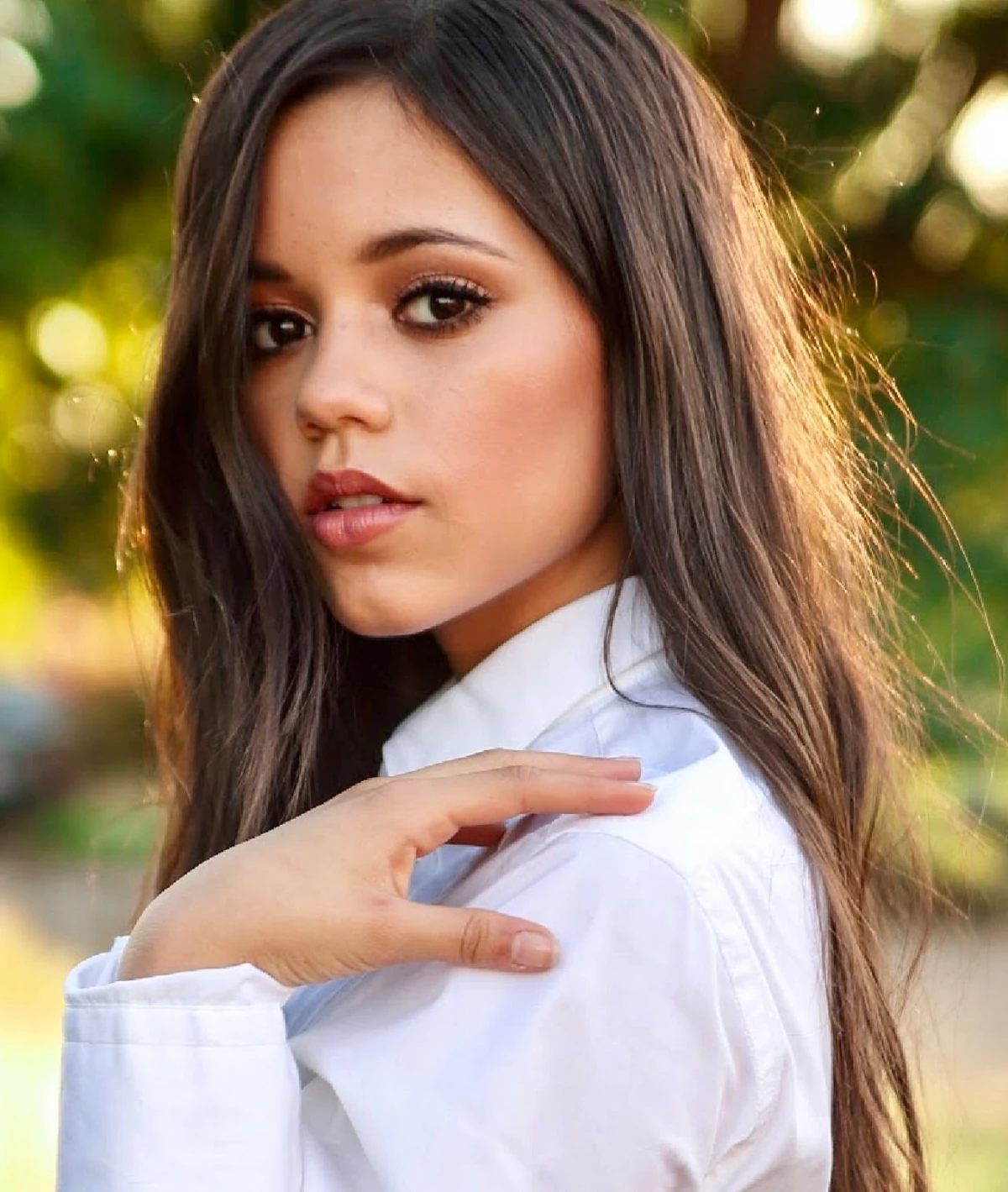
In an era defined by reboots, remixes, and cultural throwbacks, it’s impossible not to draw comparisons between the stars of yesterday and the icons of today. And among the most compelling comparisons in recent pop culture is this: Is Jenna Ortega the modern-day Winona Ryder?
Both actresses share a uniquely haunting presence, a penchant for playing dark, intelligent, and emotionally complex characters, and an ability to connect deeply with outsider identities. In many ways, Jenna Ortega is walking a path that Winona Ryder helped to carve decades ago — and yet, she’s also redefining it on her own terms.
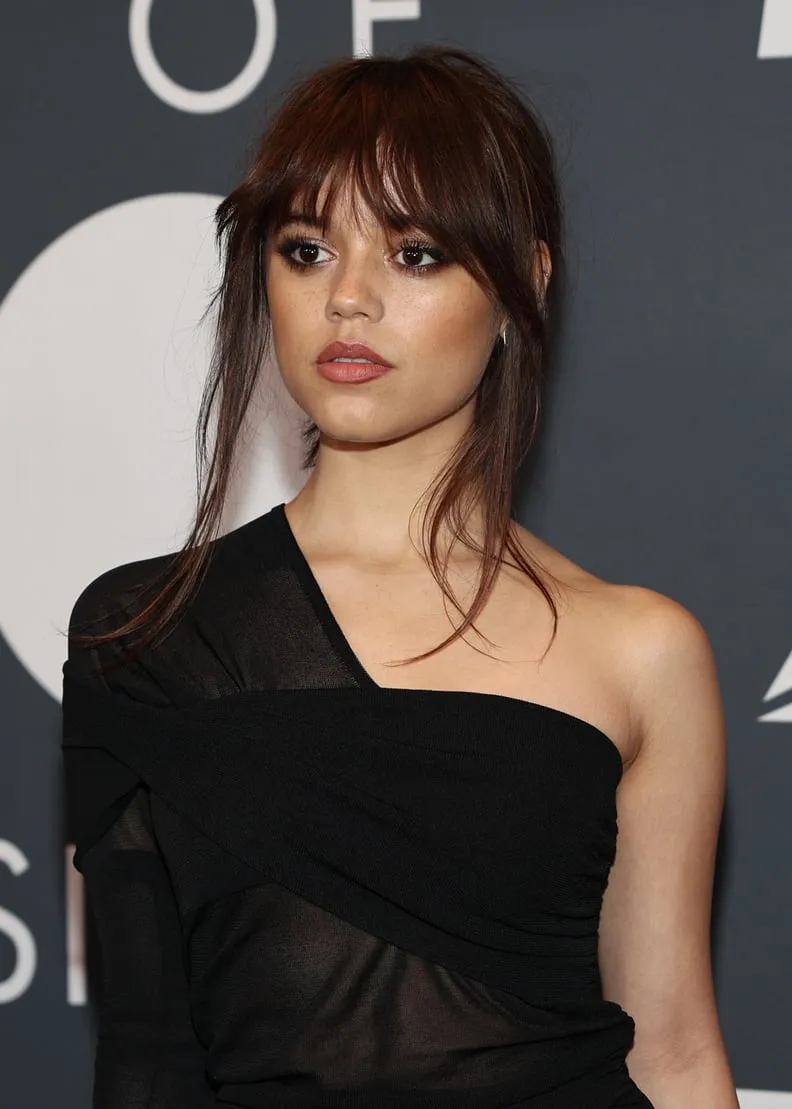
The Origins of a Cultural Archetype: Winona Ryder in the 90s
To understand the parallel, we have to start with Winona Ryder — one of the most enigmatic actresses of the late 1980s and early 1990s. With roles in cult classics like “Beetlejuice” (1988), “Heathers” (1989), “Edward Scissorhands” (1990), and “Girl, Interrupted” (1999), Ryder became a symbol for the offbeat, misunderstood youth.
She didn’t fit the mold of the typical Hollywood “it-girl”. Instead, she radiated emotional depth, sharp wit, and a quiet intensity that made her a voice for the misfits, the loners, the thinkers. At the height of her fame, she represented an aesthetic and an attitude — goth-adjacent, literary, deeply introspective — that millions of teens around the world could relate to.Jenna Ortega: A Star Born in a New Era of Darkness
Fast forward to today, and we see Jenna Ortega becoming a similarly powerful figure for Gen Z. Her breakout role as Wednesday Addams in the Netflix series “Wednesday” (2022) solidified her as a modern icon of gothic cool. Like Ryder’s early work, Ortega’s performance was emotionally nuanced, understated, and powerfully restrained — a refreshing contrast to the over-dramatization often found in teen dramas.
In fact, the connection between the two actresses is literal as well as symbolic: Winona Ryder famously starred in Tim Burton’s original “Beetlejuice,” and Ortega went on to work directly with Tim Burton in “Wednesday.” It’s almost poetic — a passing of the torch from one gothic muse to another.
Outsider Energy: Why They Resonate With a Generation
One of the key traits both actresses share is their ability to embody the outsider. Whether it’s Lydia Deetz whispering “I myself am strange and unusual,” or Wednesday Addams refusing to conform to her sunny boarding school, both characters — and actresses — give voice to the people who feel like they don’t belong.
Winona Ryder became an icon for the youth of the 90s who were questioning the glossy perfection of the mainstream. Jenna Ortega, similarly, is giving voice to a generation that’s navigating mental health challenges, identity struggles, and a world where social media often rewards superficiality over substance.
Both of them appeal to people who want characters with depth, contradictions, and edge — not flat archetypes.
Smart Girls, Not Just Pretty Faces
Another parallel between Jenna Ortega and Winona Ryder lies in the roles they choose. These are not actresses who rely solely on aesthetics to make an impact. They gravitate toward intelligent, sharp-tongued, and often emotionally wounded characters who feel real.
Think of Veronica in Heathers — a girl who sees through the fake smiles and toxic hierarchies of high school. Or Wednesday, who uses her intellect and razor-sharp sarcasm as weapons in a world that misunderstands her.
Even off-screen, both actresses speak with clarity and depth. Jenna Ortega has been vocal about her desire to create more complex roles for young women, even taking on a producer role in Wednesday Season 2 to have more creative control. That echoes Winona Ryder’s career-long resistance to being typecast or overly sexualized.
Goth, But Make It Personal
The “dark aesthetic” isn’t just a fashion choice for these two — it’s deeply tied to their public personas. Winona Ryder was once dubbed the “Queen of Goth” not just for her on-screen roles, but for her off-screen presence: reading Sylvia Plath, wearing vintage, dating Johnny Depp. She lived the aesthetic.
Jenna Ortega, while more modern in her style, still channels that same moody authenticity. Whether it’s her quiet interviews, minimalist fashion, or refusal to play into the typical celebrity image, she feels like a natural evolution of the archetype Ryder once embodied.
What sets Ortega apart, though, is how she tailors the darkness to Gen Z sensibilities: more outspoken about mental health, open to vulnerability, and using her platform to advocate for deeper, more inclusive storytelling.
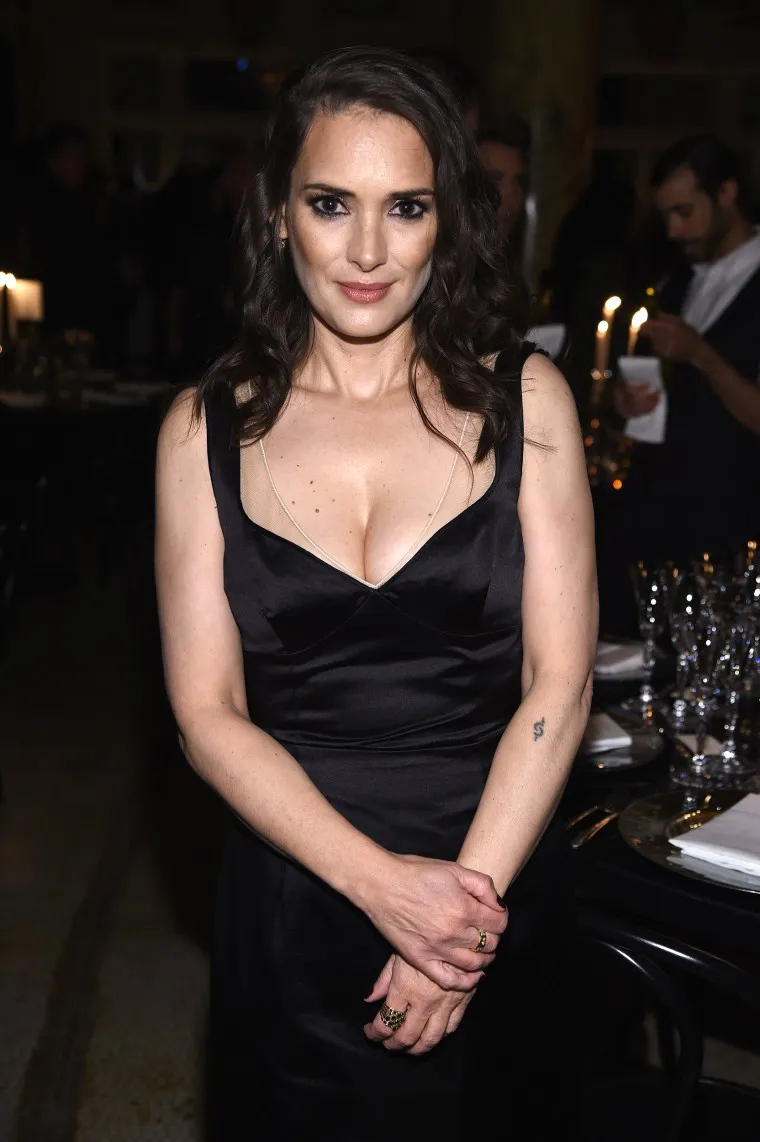
Both Victims and Victors of Fame
Fame hasn’t always been kind to either actress. Winona Ryder’s career faced a major setback in the early 2000s, not just due to personal scandals, but also due to Hollywood’s obsession with youth and reinvention. It took years — and eventually “Stranger Things” — for Ryder to receive the respect and attention she had always deserved.
Jenna Ortega is still early in her career, but the pressure is already intense. With her success comes a media spotlight that constantly dissects her interviews, her fashion, her choices, and her off-screen demeanor. She’s had to clarify or apologize for comments taken out of context, and the demand for perfection — especially for young women in the spotlight — is relentless.
Both actresses illustrate how “dark girls” in Hollywood often walk a thinner line: admired for their edge, but criticized the moment they show too much attitude, too little warmth, or too much independence.
A Shared Legacy — and a New Chapter
So, is Jenna Ortega the modern-day Winona Ryder?
In many ways, yes. She channels the same energy: a deep emotional intelligence, a fascination with the outsider, and a refusal to conform to the expected norms of fame and femininity. But more importantly, Jenna Ortega is not just recreating Ryder’s legacy — she’s building her own.
Where Ryder once reflected the alienation of the 90s, Ortega now speaks to the hyper-connected, overstimulated, and emotionally raw Gen Z generation. She’s part of a wave of young talent reshaping how we think about fame, identity, and artistry in the 21st century.
Conclusion: Two Generations, One Spirit
Winona Ryder walked so that Jenna Ortega could run — and Jenna is running fast. She’s proving that it’s possible to honor the past while carving out a new future. That being dark, smart, emotional, and ambitious doesn’t have to be mutually exclusive.
So yes — Jenna Ortega may very well be this generation’s Winona Ryder. But she’s also something more: a sign that Hollywood is finally learning to embrace the girls who don’t fit the mold, and maybe — just maybe — letting them reshape it entirely.