





Lil Wayne’s Stadium Takeover Rocks Hip-Hop — Is He Reinventing Greatness or Losing His Empire?
When Lil Wayne first stormed onto the hip-hop scene as the youngest member of the Hot Boys, few could have predicted the magnitude of his cultural impact. Decades later, the stadium takeover has become not just another concert but a cultural spectacle, leaving fans and critics debating whether this is a rebirth of greatness or a signal that the legendary rapper is stretching his empire to its limits.
This debate is particularly heightened in an era where hip-hop has fractured into countless subgenres, and artists must constantly reinvent themselves to maintain relevance. For Wayne, whose career has been defined by resilience, experimentation, and lyrical mastery, the question of whether he is reinventing greatness or risking the decline of his empire is both urgent and fascinating.
The Significance of the Stadium Stage
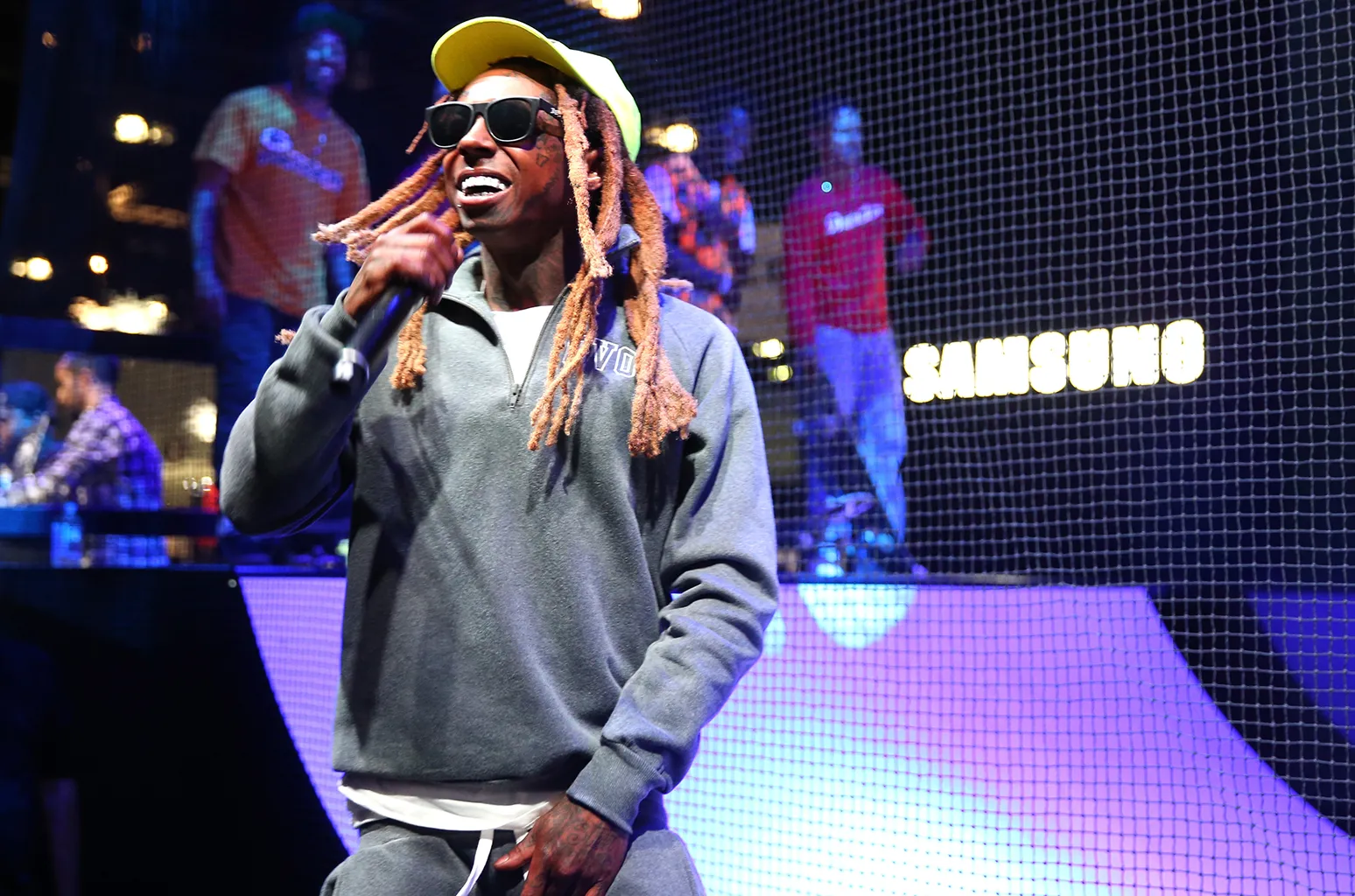
A stadium takeover is not just about music—it’s about dominance, power, and cultural influence. For Lil Wayne, performing in stadiums represents both a triumph and a challenge. Stadiums amplify the artist’s presence but also expose weaknesses. The scale is massive, and so are expectations. Fans demand not only the classics like “A Milli” or “Lollipop,” but also something new, something that proves Wayne is still ahead of the curve. In many ways, his move to claim stadiums is a declaration that he is no longer content to stay in hip-hop’s comfort zones. He is vying for legacy, testing whether his reign can transcend generations. This ambition raises the core question: is this the evolution of a legend or the overextension of a fading king?
Reinventing Greatness: The Case for Lil Wayne’s Evolution
Supporters argue that Lil Wayne’s stadium dominance reflects his ability to evolve without losing the essence of what made him great. His catalog, spanning from “Tha Carter” series to his numerous mixtapes, shows a relentless appetite for experimentation. Wayne has never been afraid to play with rock, pop, and even experimental sounds, much to the delight of fans who value innovation. In the current hip-hop landscape, where trends shift rapidly with TikTok virality and streaming demands, Wayne’s stadium performances serve as proof that artistry and longevity can outshine temporary hype.
Moreover, the stadium setting allows Wayne to curate a multisensory experience that goes beyond music. With pyrotechnics, massive LED visuals, and guest appearances, he transforms concerts into events that rival major pop acts. This cross-genre appeal solidifies his reputation as not just a rapper, but a cultural architect who understands the importance of spectacle in the 21st century. His capacity to bring diverse audiences together also suggests that his influence is far from fading. If anything, his reach continues to grow, extending into fashion, sports culture, and entrepreneurship.
Losing His Empire: The Risks of Overextension
But critics remain skeptical. The grandeur of stadium takeovers can mask cracks in an empire that has already weathered storms of controversy, legal battles, and industry shifts. Some argue that the larger the stage, the more Wayne risks exposing the gaps between his past dominance and his present standing. While his classics remain timeless, new material has not always achieved the same resonance. Albums like “Funeral” divided critics and fans, with some questioning whether Wayne’s prolific output has diluted the sharpness of his craft.
Furthermore, hip-hop’s landscape has changed dramatically since Wayne’s peak in the late 2000s. A new generation of artists—from Kendrick Lamar to Drake (Wayne’s own protégé)—has redefined what greatness looks like. In this new order, some argue that Wayne risks being remembered more as a bridge to greatness rather than the center of it. The empire he built through Young Money Records, once a launching pad for global superstars, now appears less dominant, raising the question of whether Wayne’s role as a kingmaker has diminished.
The Legacy of The Carter Series
The “Tha Carter” albums remain the foundation of Wayne’s empire, with “Tha Carter III” often cited as one of the greatest hip-hop albums of all time. Every stadium performance includes nods to this legacy, and for good reason. These projects defined an era where Lil Wayne was the undisputed best rapper alive. The technical mastery, punchlines, and raw energy were unmatched, making his reign feel inevitable. But the very weight of this legacy also haunts him. Each new project is judged against the brilliance of “Tha Carter III” and “Tha Carter IV.” While “Tha Carter V” offered moments of greatness, many wondered if the magic could ever truly be recreated.
This tension plays out in his stadium performances. When he launches into classics, the crowd erupts with nostalgia, but when he introduces new songs, the reception is often more measured. The duality raises the difficult question: is Wayne still creating future classics, or is he primarily preserving past glory in front of thousands of adoring fans?
Hip-Hop’s Changing Landscape
Understanding Wayne’s stadium takeover requires acknowledging how much hip-hop culture has transformed. The genre is now the most consumed in the United States, and its global influence continues to grow. Yet, with that growth comes fragmentation. Trap, drill, conscious rap, and melodic rap coexist in a space that often values virality over artistry. In such an environment, a veteran like Wayne must fight harder to command attention. His choice to dominate stadiums, rather than settle for smaller venues, reflects not just confidence but a refusal to be sidelined. It’s a bold strategy, one that either secures his position as an immortal figure or risks exposing him as a relic trying too hard to keep pace.
The Spectacle of Collaboration
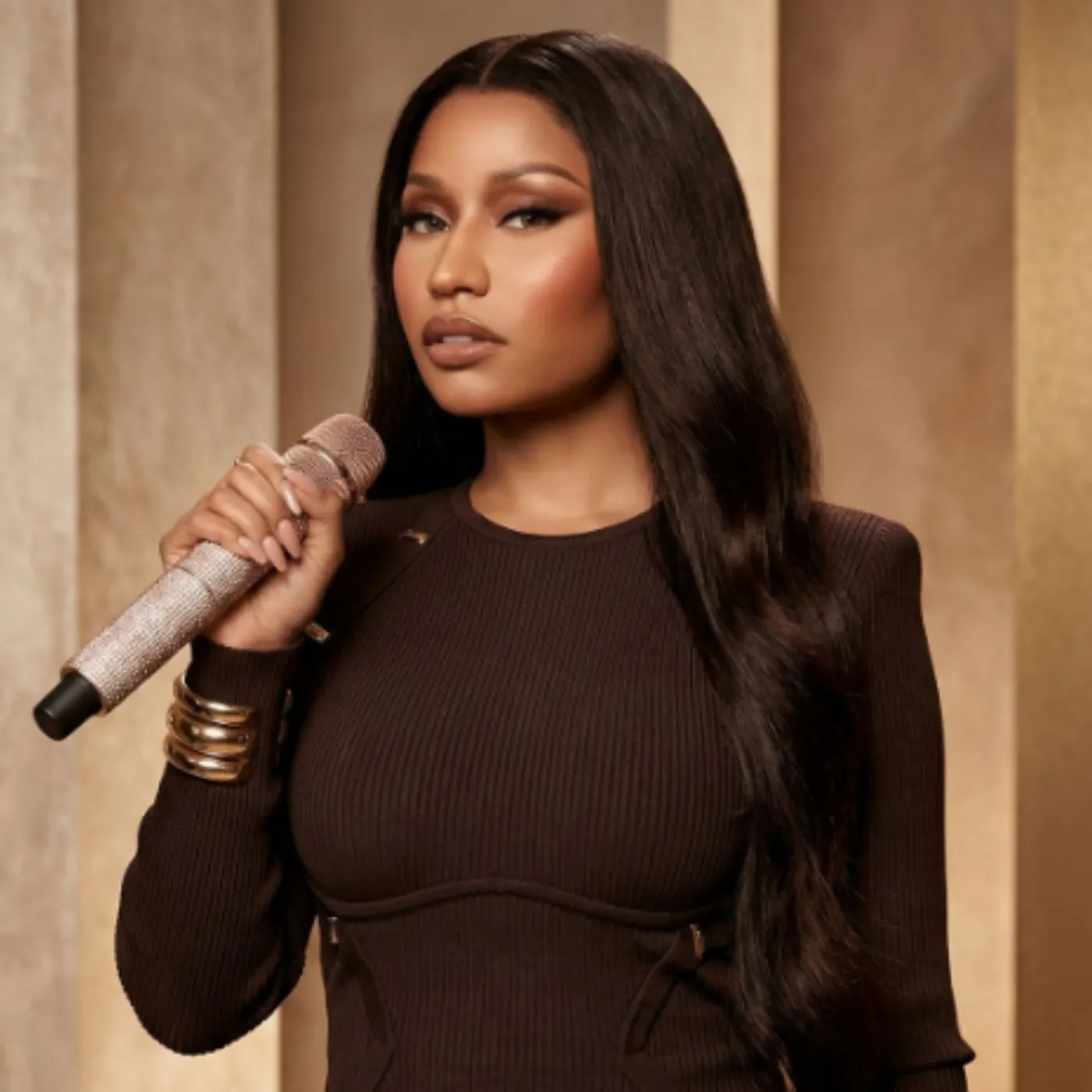
Another key feature of Wayne’s stadium strategy is his embrace of collaboration. From sharing stages with longtime allies like Drake and Nicki Minaj to surprising audiences with appearances from younger stars, Wayne demonstrates his willingness to bridge generations. This willingness to embrace collaboration could be seen as reinvention through unity, showing that greatness is not always about isolation but about influence. At the same time, some critics argue that these collaborations are less about innovation and more about borrowing relevance from newer stars. Does this reliance signal strength or weakness? The answer likely depends on whether one sees Wayne as a mentor king or a fallen monarch clinging to allies.
Audience Reception: The True Test of Empire
Perhaps the most telling element of Lil Wayne’s stadium takeover is the reaction of his audience. For fans who grew up during his dominance, the experience is often overwhelming, a chance to relive the soundtrack of their youth on a grander scale. Younger audiences, however, may see him as part of hip-hop’s foundation rather than its present. The divide is natural, but it underscores the stakes: Wayne is not only performing music, he is performing relevance. Each cheer, each viral clip, becomes part of the larger story of whether his empire is expanding or eroding.
Conclusion: Greatness Redefined or Empire in Decline?
In the end, the debate over Lil Wayne’s stadium takeover reflects a larger truth about hip-hop legends. Longevity comes with constant negotiation between past glory and present innovation. For Wayne, stadiums are both a crown and a crucible—a place where he can showcase his reinvented greatness or risk exposing the cracks in his empire. His ability to adapt, experiment, and collaborate suggests he is far from finished. Yet the weight of history and the relentless march of new talent ensure that his path forward will never be simple.
Whether he is reinventing greatness or losing his empire, what cannot be denied is that Lil Wayne remains one of the most important figures in hip-hop’s history. His stadium takeover is not merely a concert; it is a reflection of hip-hop’s evolution, a reminder that legends must constantly prove themselves, and an invitation for fans and critics alike to witness the ongoing battle between time, talent, and legacy.