






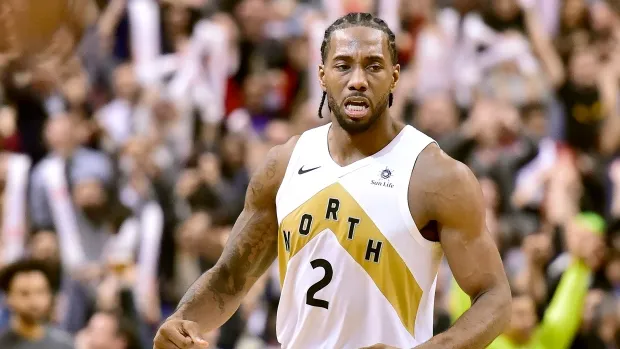
If the Clippers Don’t Protect Kawhi Leonard, Their Title Hopes Could Crumble Again
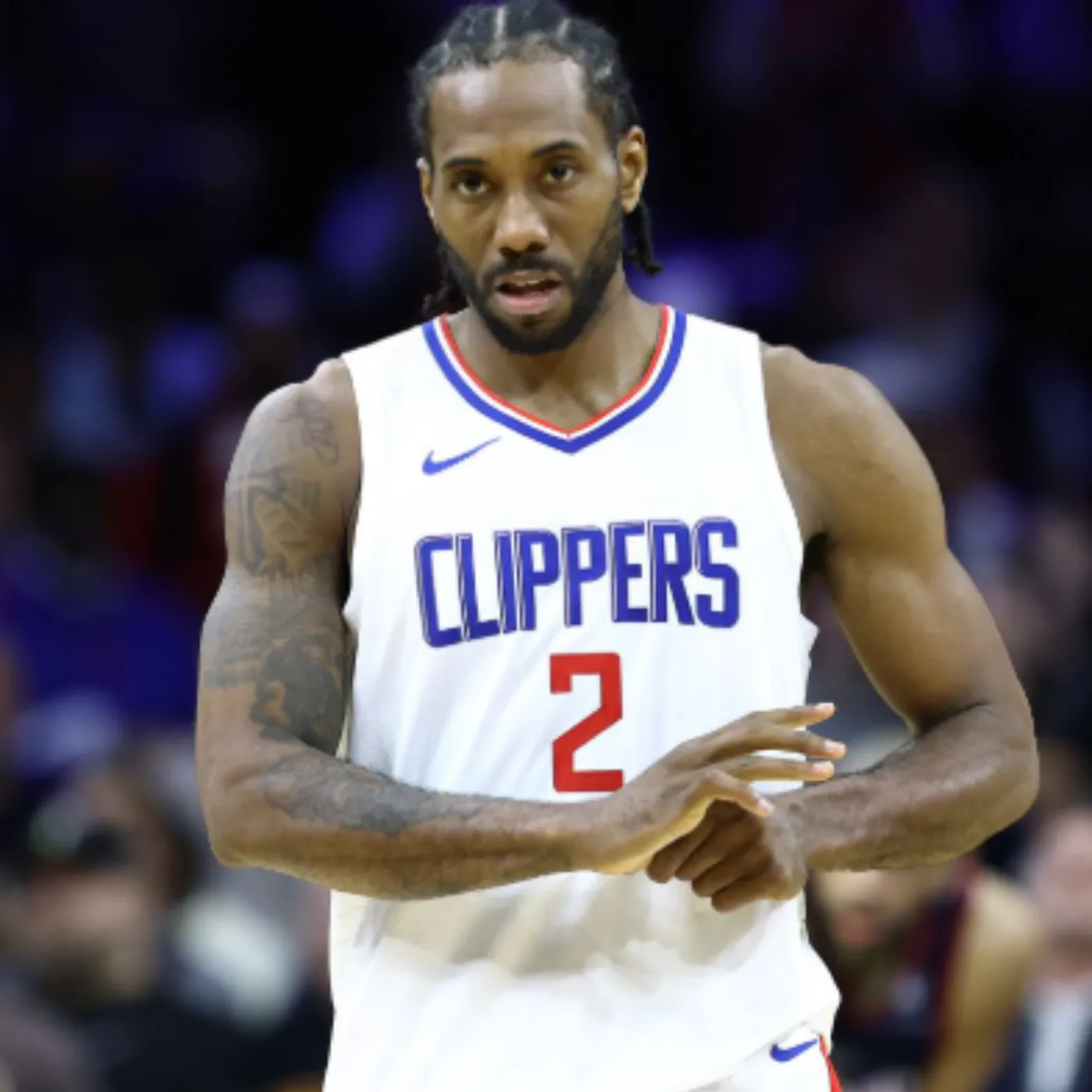
The Los Angeles Clippers are entering the 2025-26 NBA season with something they haven’t had in years: hope. Not theoretical, media-manufactured hope. Real, grounded hope built on a healthy Kawhi Leonard, a retooled roster, and the lingering urgency of a championship window that’s closing fast.
But that hope comes with a condition — a fragile one.
If the Clippers mismanage Kawhi Leonard’s minutes or push his body too far, they risk seeing it all come undone. Again.
Let’s be clear: Kawhi Leonard is still one of the most impactful two-way players in basketball. His playoff performances are the stuff of legend. His ability to dominate on both ends of the floor is unmatched when he’s healthy. But that last part is the key — when he’s healthy.
And for the Clippers, that means one thing: Load management isn’t optional. It’s necessary.
A Quick Recap: Why a Healthy Kawhi Changes Everything
In the previous season (2024-25), Kawhi Leonard played in just 37 games, battling lingering knee issues after offseason treatment. Yet, even in those limited appearances, he made a major difference. He averaged 21.5 points, 5.9 rebounds, and shot an elite 41.1% from three, helping spark an 18-3 finish that secured the Clippers the fifth seed in the West.
In the playoffs, Leonard turned into a different beast — as he always does. Against the Denver Nuggets, he posted 25 points, 7.6 rebounds, and shot over 53% from the field in the seven-game series. His 39-point outburst in Game 2 reminded the league just how dangerous he can be.
But these flashes only reinforced a harsh truth: The Clippers are contenders only when Kawhi is available.
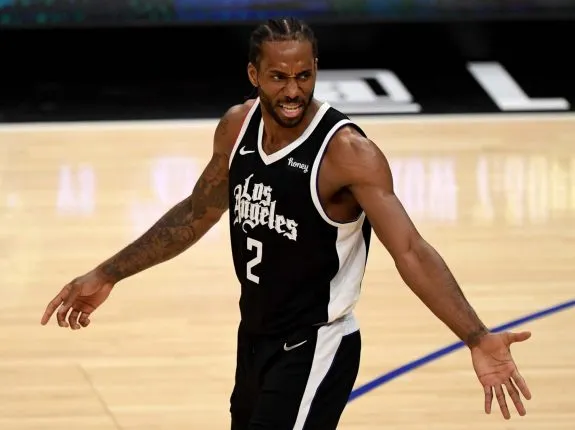
The Clippers’ Reality: Kawhi Can’t Be Treated Like a 25-Year-Old Star
Now entering his 34-year-old season, Kawhi Leonard is not the kind of player who can — or should — play 75+ regular-season games. His knees have endured years of wear and tear, and his injury history is no secret. Since 2017, he’s only cleared 60 games once.
And yet, some fans still balk at load management, citing the disruption it causes or the perceived lack of effort.
But for the Clippers’ front office, the medical staff, and even Tyronn Lue, the plan has to be long-term. This team doesn’t need to finish first in the West. They need to get through April, May, and (ideally) June with Kawhi Leonard at full strength.
That doesn’t happen unless they manage his workload from Day 1.
How Many Games Should Kawhi Leonard Play in 2025-26?
There is no magic number, but the ideal range seems to sit between 55 and 65 games. That’s enough to build continuity with teammates like James Harden, Bradley Beal, and Brook Lopez, while still giving his knees the necessary rest.
Anything beyond that would be a gamble — and a potentially devastating one.
Let’s not forget: The Clippers have the depth to win games without him. This summer, they added John Collins, brought in Chris Paul to stabilize the second unit, and upgraded their frontcourt significantly. Beal will carry the scoring load when needed. Harden, for all the criticism he draws, is still one of the league’s smartest playmakers.
This is not a team that lives or dies by one player. But when the games really matter, they do live or die by Kawhi Leonard.
Load Management Isn’t Laziness — It’s Smart Championship Strategy
For years, “load management” has been a buzzword associated with Kawhi Leonard — often used in frustration, sometimes in ridicule. But few seem to understand that it’s a calculated decision, backed by medical data, and now adopted by many franchises across the league.
Managing Kawhi’s health has never been about preserving energy for no reason. It’s about risk reduction.
The Clippers know what’s at stake. With Chris Paul turning 40 soon and James Harden at 36, this season might represent the final shot at contending with this version of the roster. There are no long-term rebuilds planned around Leonard. It’s win now — or start over.
Why 2025-26 Could Be Make-or-Break for the Clippers
Look around the Western Conference. Teams like the Oklahoma City Thunder, Denver Nuggets, and Houston Rockets are younger, deeper, and rising. The Clippers, by contrast, are older and more urgent. They don’t have the luxury of waiting for things to click.
This is why Kawhi Leonard’s health is the tipping point.
If he’s available in the playoffs, few teams match their blend of scoring, defense, and experience. But if he’s injured — or even playing at 70% — it’s hard to see this roster holding off younger, faster competition.
The question becomes: Is 55 games of Kawhi Leonard in the regular season enough to get the Clippers a decent playoff seed and chemistry? The answer, given their improved depth, is likely yes.
Chris Paul and Veteran Depth: The Unsung Insurance Policy
One of the most under-the-radar moves this offseason was bringing Chris Paul back to Los Angeles. While he’s no longer an MVP candidate, his presence off the bench is massive. He can run the second unit, spell Harden when needed, and help reduce Leonard’s offensive burden on key nights.
Combined with new additions like Brook Lopez and John Collins, the Clippers now have a roster built for flexibility. They can win ugly, grind out defensive wins, or light it up with shooters.
More importantly, they don’t have to overextend Kawhi Leonard in meaningless back-to-backs or February games.
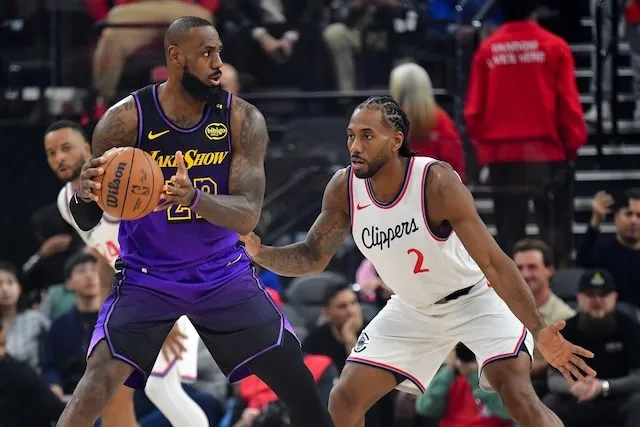
Conclusion: Kawhi Leonard Is the Clippers’ Greatest Asset — And Their Greatest Risk
The Los Angeles Clippers know exactly what they have in Kawhi Leonard — a superstar capable of delivering titles… and a player one injury away from derailing the season.
That’s why the Clippers must prioritize long-term health over short-term optics. Fans might grumble when Kawhi sits out a Wednesday night road game in Detroit, but they won’t complain if he’s dunking on defenders in the Western Conference Finals.
This season, everything hinges on one balance: manage Kawhi wisely, or lose everything they’ve built.
And in 2025-26, with the West more competitive than ever, the Clippers can’t afford to get that equation wrong.
Related News