







Mark Zuckerberg’s Unusual Apology: Noise-Canceling Headphones for Neighbors Disturbed by Construction
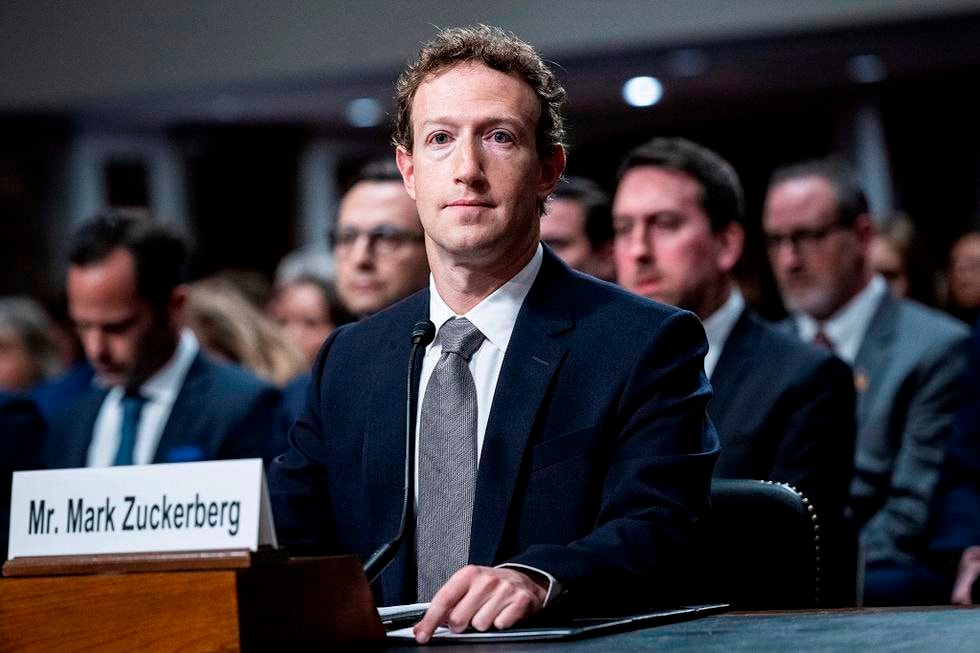
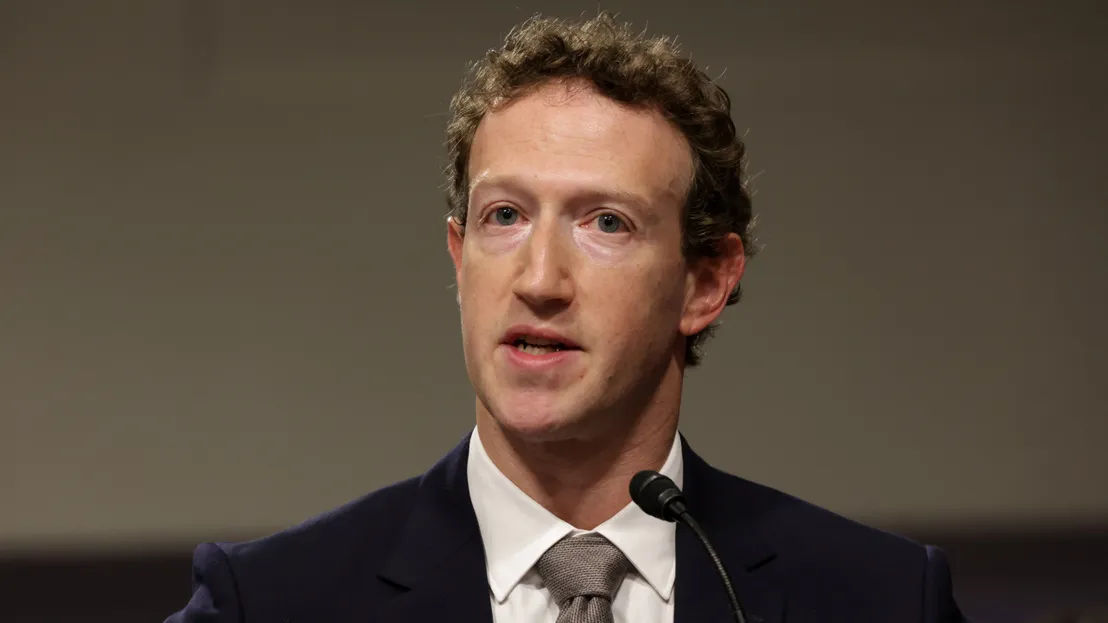
When it comes to billionaires reshaping neighborhoods, few names capture attention like Mark Zuckerberg, the co-founder and CEO of Meta. Known worldwide for building Facebook into one of the most powerful tech empires, Zuckerberg is no stranger to controversy—whether it’s about privacy, business strategy, or his lifestyle choices. The latest incident that has sparked both curiosity and debate involves his Palo Alto neighbors, who have reportedly been disturbed for months by the ongoing construction around his 11-home compound. In an unusual twist, Zuckerberg attempted to smooth things over by gifting residents high-quality noise-canceling headphones. While this gesture has amused some and angered others, it also highlights the strange dynamics of wealth, community living, and how billionaires navigate everyday human conflicts.
The Roots of the Controversy
For years, Mark Zuckerberg’s real estate moves in Palo Alto have been under scrutiny. Originally buying a single home in 2011, Zuckerberg began acquiring surrounding properties in the following years. His strategy? Privacy. By purchasing adjacent houses, he could shield himself and his family from prying eyes and paparazzi. But as the compound expanded, so did the complications. Multiple houses meant multiple renovations, demolitions, and constant building projects. For residents who once enjoyed a quiet neighborhood atmosphere, the sounds of drilling, hammering, and heavy machinery became a daily reality.
This tension isn’t new. Tech billionaires in Silicon Valley often face backlash for large-scale housing projects that disrupt traditional neighborhoods. Yet Zuckerberg’s attempt to resolve the conflict with headphones adds a curious twist. Some see it as clever and considerate. Others call it tone-deaf—a billionaire’s way of sidestepping deeper issues instead of addressing them directly.
Why Noise-Canceling Headphones?
On the surface, the gesture seems simple: if noise bothers you, here’s a tool to block it out. However, in the context of community relations, the act takes on symbolic weight. For critics, the headphones represent a wealth gap problem—instead of reducing the construction noise or limiting work hours, Zuckerberg essentially asked neighbors to adapt to his lifestyle. This raises larger questions about the influence of money on shared living spaces. Can billionaires really “buy” peace, even in communities where they are supposed to coexist with everyday residents?
At the same time, some neighbors reportedly appreciated the gift. After all, high-end noise-canceling headphones aren’t cheap, and the devices do provide a practical solution for those working from home. In today’s digital economy, where Zoom calls and remote work are common, drowning out background noise can be a blessing. For supporters, Zuckerberg’s move demonstrates a tech-inspired solution to a real-world inconvenience.

The Symbolism of Billionaire Neighbor Relations
This story may seem amusing, but it connects to a larger cultural debate. In recent years, there has been growing attention on the way billionaires influence local communities. Whether it’s Elon Musk buying up homes in Texas near SpaceX, Jeff Bezos investing in massive estates in Beverly Hills, or Bill Gates transforming farmland into private property, the theme is the same: the lifestyles of the ultra-rich inevitably reshape neighborhoods.
In Zuckerberg’s case, Palo Alto is no ordinary city. It’s the symbolic heart of Silicon Valley, home to innovators, venture capitalists, and startups. Yet despite its wealth, it has historically maintained a suburban, community-focused charm. Construction noise and massive real estate projects threaten that delicate balance. Gifting headphones may resolve the short-term irritation, but it does little to address broader concerns about how billionaires transform shared spaces into personal fortresses.
The Public’s Reaction
As with most stories involving Zuckerberg, public opinion is deeply divided. On social media platforms like Twitter (now X) and Instagram, reactions have ranged from sarcastic to supportive. Memes quickly spread, with captions like “When your neighbor is so rich he buys you silence” and “Noise-canceling headphones: the new apology bouquet.” Others pointed out the irony: a man who built a platform connecting billions of people is now struggling to connect with the dozen who live next door.
Critics argue that Zuckerberg’s gesture is a PR move designed to soften his public image. Over the years, he has faced heavy criticism for Meta’s role in privacy scandals, misinformation, and monopolistic practices. By comparison, a story about noise-canceling headphones is lighthearted—even humanizing. Some skeptics see it as a calculated way to appear relatable, while others believe it genuinely reflects his awkward, tech-driven personality.
Mark Zuckerberg’s Reputation and Personality
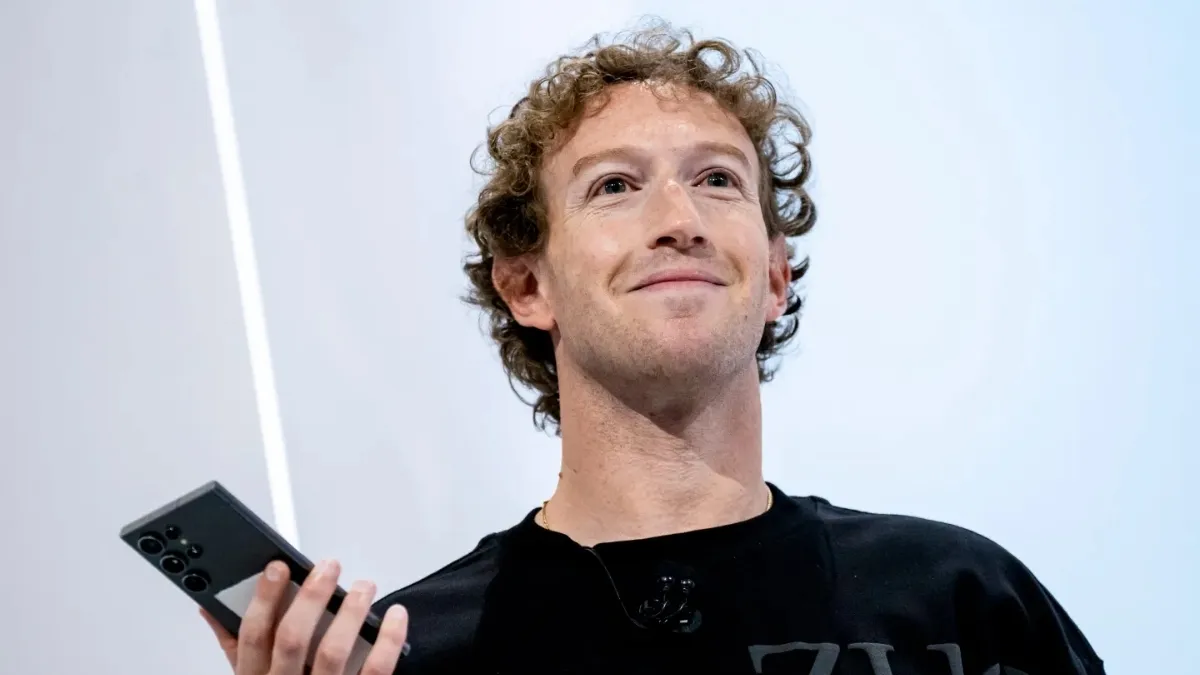
Understanding this story also requires looking at Zuckerberg’s public persona. Unlike flamboyant billionaires such as Elon Musk, who thrives on Twitter spats, or Jeff Bezos, who flaunts luxury yachts, Zuckerberg often projects a quieter, introverted image. Known for wearing gray T-shirts and maintaining a reserved demeanor, he has always been seen as socially awkward. The idea of solving a neighborhood dispute with headphones instead of a face-to-face community meeting fits perfectly into that narrative.
This peculiar brand of problem-solving mirrors how Zuckerberg approaches technology. Instead of tackling the emotional core of a problem, he often turns to a product-driven fix. In this way, the headphone gift is symbolic of his engineering mindset: identify a practical problem, apply a gadget-based solution, and assume it works for everyone.
Billionaire Lifestyle vs. Community Harmony
The incident also highlights the clash between billionaire lifestyles and ordinary community living. While most families deal with construction noise occasionally—perhaps a neighbor renovating their kitchen or landscaping their yard—few experience the scale of a billionaire’s compound project. Eleven houses under renovation create an entirely different atmosphere, transforming a suburban block into a long-term construction zone.
Neighbors have rights to quiet enjoyment, a principle embedded in most housing laws. Yet enforcing such rights against one of the world’s wealthiest individuals is complex. Local authorities may be hesitant to impose strict regulations on someone as influential as Zuckerberg. For residents, accepting headphones might feel like the only practical compromise.
Lessons From Other Billionaire Conflicts
This isn’t the first time billionaire neighbors have made headlines. Jeff Bezos faced scrutiny in Washington D.C. when his renovation of a 27,000-square-foot mansion disturbed the neighborhood with heavy trucks and prolonged construction. Elon Musk, who once owned multiple properties in Bel-Air, frustrated neighbors with late-night parties and excessive traffic. Even Oprah Winfrey, widely beloved, has sparked debates over land use in Montecito.
These stories suggest a pattern: when extreme wealth collides with ordinary community living, tension is inevitable. What sets Zuckerberg’s case apart is the unconventional nature of his response. Instead of ignoring complaints or offering financial compensation, he offered a quirky tech product. Whether this makes him more relatable or more out of touch is still up for debate.
The Broader Sociological Perspective
Beyond individual personalities, this story taps into a deeper sociological issue: how wealth disparity affects social harmony. When billionaires move into ordinary neighborhoods, the scale of their projects alters the social fabric. Construction noise, property value inflation, and increased security presence create an atmosphere that feels less like a community and more like a controlled zone.
The headphones, then, become a metaphor for how society adapts to inequality. Rather than solving the root causes—whether noise, disruption, or wealth concentration—people are asked to block out discomfort and continue living their lives. In this sense, Zuckerberg’s gesture unintentionally reflects the broader challenge of coexisting in an age of staggering economic divides.
Will It Work Long-Term?
The big question remains: will headphones really solve the problem? Construction is temporary, but the underlying tensions of living near a billionaire are not. As Zuckerberg continues to expand and renovate his compound, new challenges will likely arise. Neighbors may demand more direct engagement, perhaps even involving city councils or local regulations. Meanwhile, the story will linger as part of Zuckerberg’s growing list of eccentric billionaire anecdotes.
Conclusion
Mark Zuckerberg’s unusual apology—gifting noise-canceling headphones to neighbors disturbed by construction—offers a fascinating glimpse into the intersection of wealth, community, and personality. On one hand, it’s an amusing, almost endearing attempt by a socially awkward billionaire to resolve conflict. On the other, it highlights the broader issues of how extreme wealth transforms neighborhoods and forces ordinary residents to adapt.
As public reaction continues to pour in, the story reminds us that even billionaires cannot escape the complexities of community living. Whether the headphones become a symbol of peace or a symbol of tone-deaf privilege, one thing is clear: when Mark Zuckerberg builds, the whole neighborhood listens—whether they want to or not.