Bruno Mars & Anderson .Paak Just Exposed the Real Secret Behind Silk Sonic’s Grammy Magic
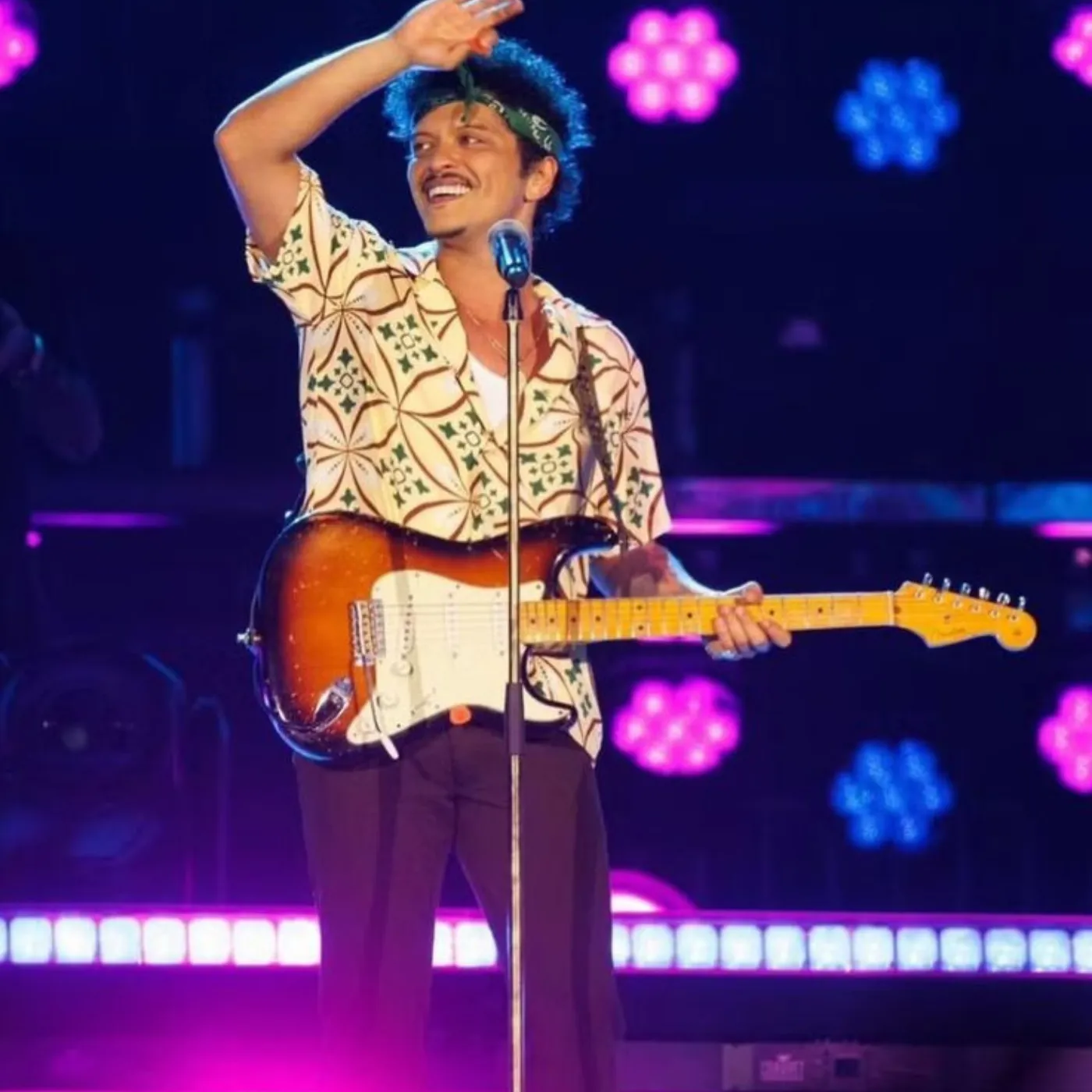
When Anderson .Paak described working with Bruno Mars as “watching a genius in motion,” he wasn’t exaggerating. The world witnessed that genius unfold when Silk Sonic stormed the music industry, dropping “Leave the Door Open” and instantly rewriting the rules of modern R&B. Their partnership didn’t just win Grammys—it created a cultural earthquake that still sparks debates across the industry.
In this deep dive, we’ll explore the hidden layers behind their collaboration, the controversies fans still argue about, and why Silk Sonic became both the most celebrated and the most polarizing duo of the decade.
A Match Written in Music History
Before they joined forces, Bruno Mars was already a household name, with a career stacked with chart-toppers and jaw-dropping performances. His Super Bowl halftime show had cemented him as one of the last true superstars. Meanwhile, Anderson .Paak had been carving his own lane, blending funk, hip-hop, and soul with his raspy voice and unmatched groove.
When the two artists announced their joint project in 2021, nobody predicted the cultural storm that would follow. Yet, looking back, it feels inevitable.
Fans quickly realized this wasn’t just another pop experiment. Silk Sonic was something different: a carefully designed, nostalgia-drenched throwback that still felt fresh. With their debut single, they tapped into an emotional vein the industry hadn’t delivered in years.
“Leave the Door Open”: The Track That Opened Every Door
Released at a time when much of the world was still grappling with uncertainty, “Leave the Door Open” became an escape. Its smooth harmonies and vintage arrangement reminded audiences of a lost era—yet the execution was so sharp, it never felt outdated.
The single topped the Billboard Hot 100, dominated streaming platforms, and became the anthem of a new movement: a return to real musicianship in a heavily digital age.
What’s striking is how divided the reaction was. While millions praised the duo for bringing back “real music,” critics accused them of manufactured nostalgia. Was it authentic artistry, or was it just Bruno Mars recycling a formula for easy Grammys?
That debate hasn’t stopped—and it’s part of why Silk Sonic remains such a fascinating case study.
Inside the Studio: The Genius in Motion
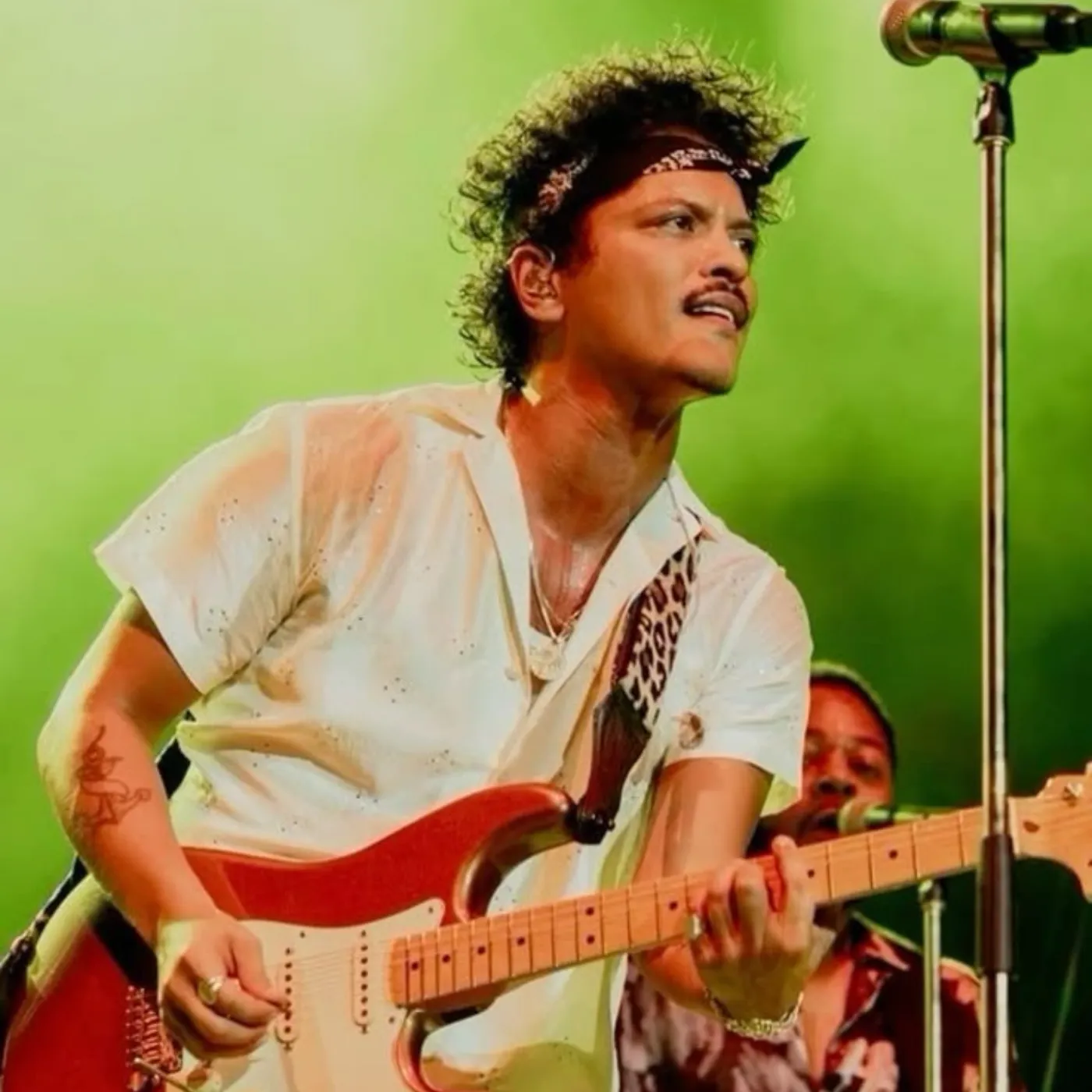
In interviews, .Paak admitted that watching Bruno work in the studio was like “witnessing magic happen in real time.” Bruno is notorious for obsessing over details, recording the same note dozens of times to make sure it feels perfect.
Their creative process was reportedly intense—days spent fine-tuning harmonies, experimenting with live instrumentation, and arguing about the tiniest drum fill. Insiders claim some sessions would stretch until sunrise, with Bruno refusing to quit until he felt the track hit the emotional sweet spot.
For .Paak, who thrives on spontaneity and groove, the clash of styles might have been overwhelming. But it was also the secret ingredient. The tension between Bruno’s perfectionism and .Paak’s raw energy created something explosive.
Grammy Glory—and the Backlash
When Silk Sonic swept the Grammys, winning Record of the Year, Song of the Year, and Best R&B Performance, social media went into overdrive. Some fans celebrated their dominance, calling it a long-overdue recognition of artistry. Others weren’t as impressed.
The backlash centered on two main points:
-
Did Silk Sonic have an unfair advantage? Many critics argued that with Bruno’s established superstar power and label connections, the duo overshadowed less mainstream R&B acts who had been grinding for years.
-
Was the project too polished? Detractors claimed the music, while undeniably catchy, felt “too safe”—designed to win awards rather than push boundaries.
This controversy fueled endless debates on Twitter, Reddit, and TikTok, with fans passionately defending or dragging the duo. Ironically, the backlash only amplified Silk Sonic’s cultural footprint.
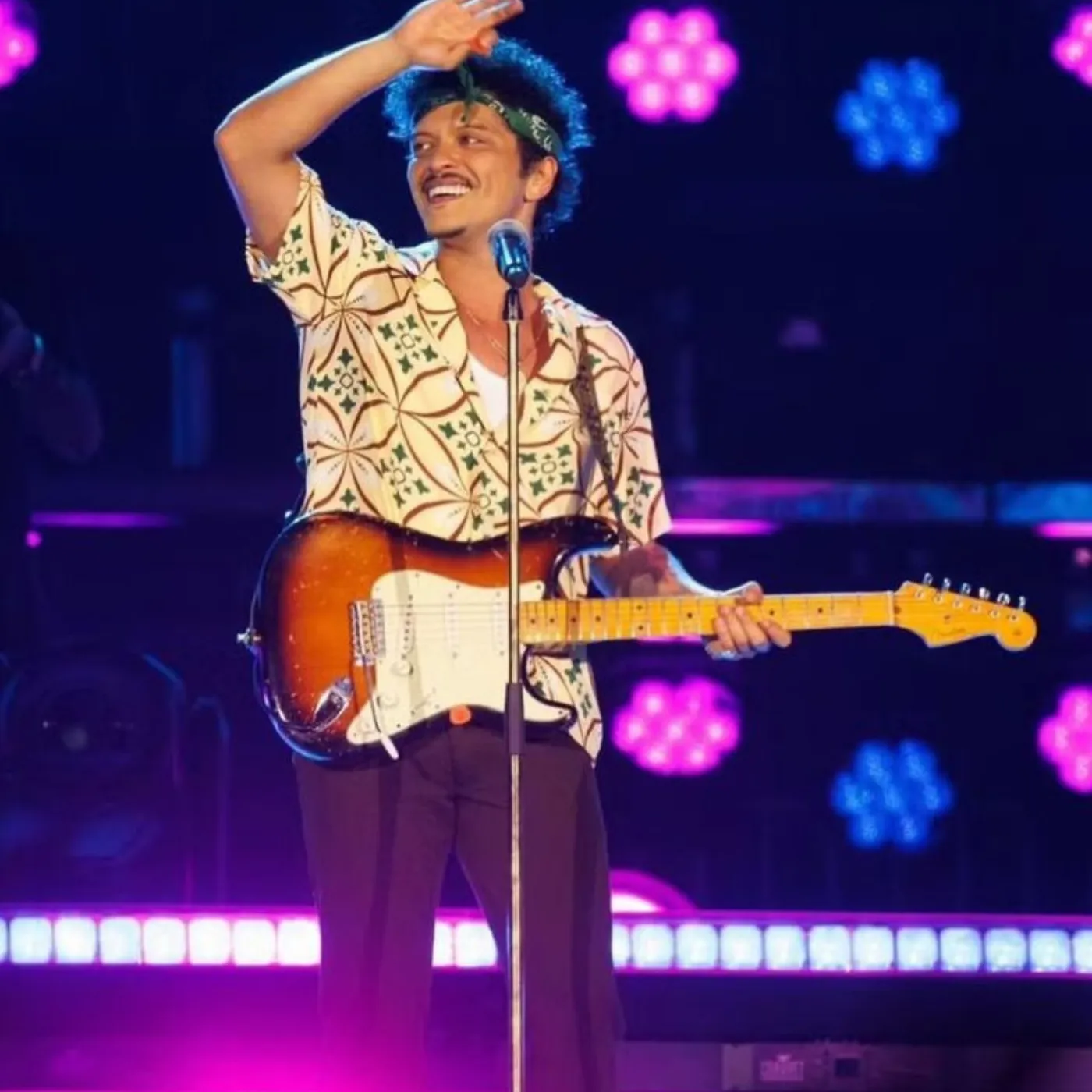
The Nostalgia Factor: Genius or Manipulation?
Part of Silk Sonic’s appeal lies in their heavy use of retro aesthetics—from their fashion choices to their music videos dripping with ‘70s soul energy. But here’s the controversial question: was it a bold artistic decision, or just smart marketing?
Bruno Mars has always been accused of leaning heavily on past sounds, from his ‘90s-inspired “Finesse” to the funk-driven “Uptown Funk.” With Silk Sonic, those accusations grew louder.
Fans who loved the project saw it as a revival—a tribute to an era when live bands ruled the charts. But critics argued it was more of a simulation, a glossy repackaging of old-school R&B made palatable for a streaming generation.
Both sides have a point. And that’s exactly why Silk Sonic remains so divisive.
The Fan Divide: Love or Hate?
Scroll through Facebook comment sections, and you’ll see two extreme camps:
-
“This is real music, finally someone bringing soul back!”
-
“It’s overrated nostalgia bait. Good, but not groundbreaking.”
This polarization has actually helped Silk Sonic stay relevant. In today’s digital landscape, controversy fuels engagement. Whether people love them or hate them, they’re still talking about them—and that’s gold in the attention economy.
Beyond the Awards: The Cultural Impact
Regardless of debates, Silk Sonic undeniably shifted the music scene. After their success, several mainstream artists began leaning more heavily into live instrumentation and vintage sounds. Labels saw that nostalgia could sell, and suddenly retro-inspired projects started popping up everywhere.
From TikTok covers to viral memes, Silk Sonic became more than just a band—they became a cultural reference point. Even artists outside the R&B space cited them as inspiration for paying more attention to musicianship and chemistry.
The “One Album” Mystery
Perhaps the most controversial move by Silk Sonic was their decision to release only one album—An Evening with Silk Sonic. Fans were left hungry for more, but Bruno and .Paak remained firm.
Why stop when you’re at the peak?
Some speculate that Bruno Mars prefers leaving legacies untarnished, avoiding the risk of overexposure. Others believe the duo wanted to preserve Silk Sonic as a perfect moment in time, rather than stretch it into a brand.
Whatever the reason, it left fans debating whether the project was a masterpiece preserved in amber or a wasted opportunity for more greatness.
The Legacy Question
Will Silk Sonic be remembered as a fleeting side project, or as a historic turning point for R&B? That depends on who you ask.
For millions of fans, they represent a high-water mark of artistry and stagecraft, a reminder that music can still feel magical. For critics, they’re a sign of how the industry rewards nostalgia over innovation.
But here’s the undeniable truth: in just a short span, Silk Sonic left a mark deeper than most acts achieve in a lifetime.
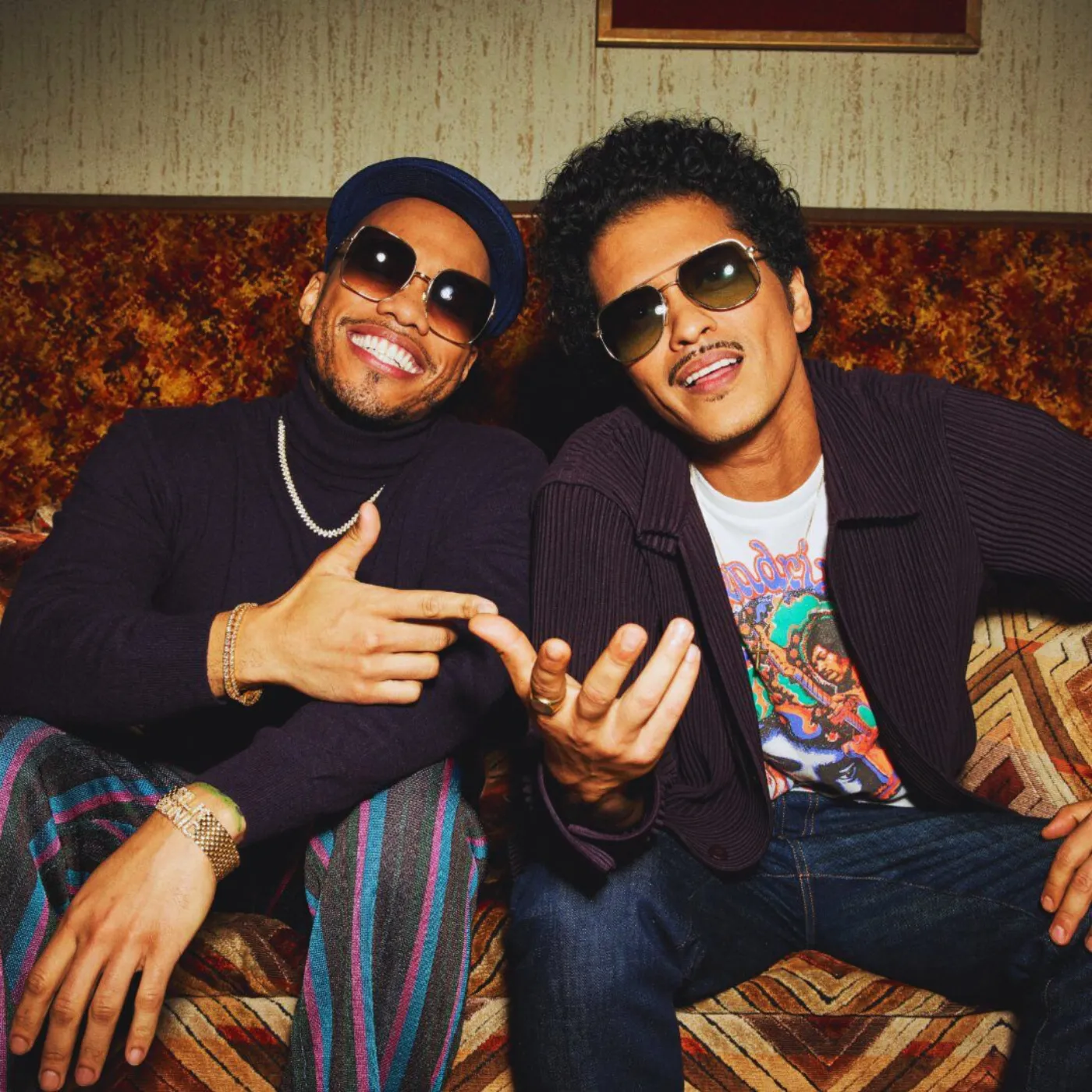
Conclusion: Genius in Motion
Anderson .Paak wasn’t lying when he called Bruno Mars a genius in motion. The chemistry between the two created not just award-winning music, but a cultural phenomenon.
From “Leave the Door Open” to their Grammy domination, Silk Sonic showed the power of musicianship, perfectionism, and old-school showmanship in a world dominated by algorithms and auto-tune.
Love them or hate them, Silk Sonic proved one thing: true artistry still cuts through the noise. And maybe, just maybe, that’s the real secret behind their Grammy-winning magic.