




How Lil Wayne Changed Mixtape Culture Forever
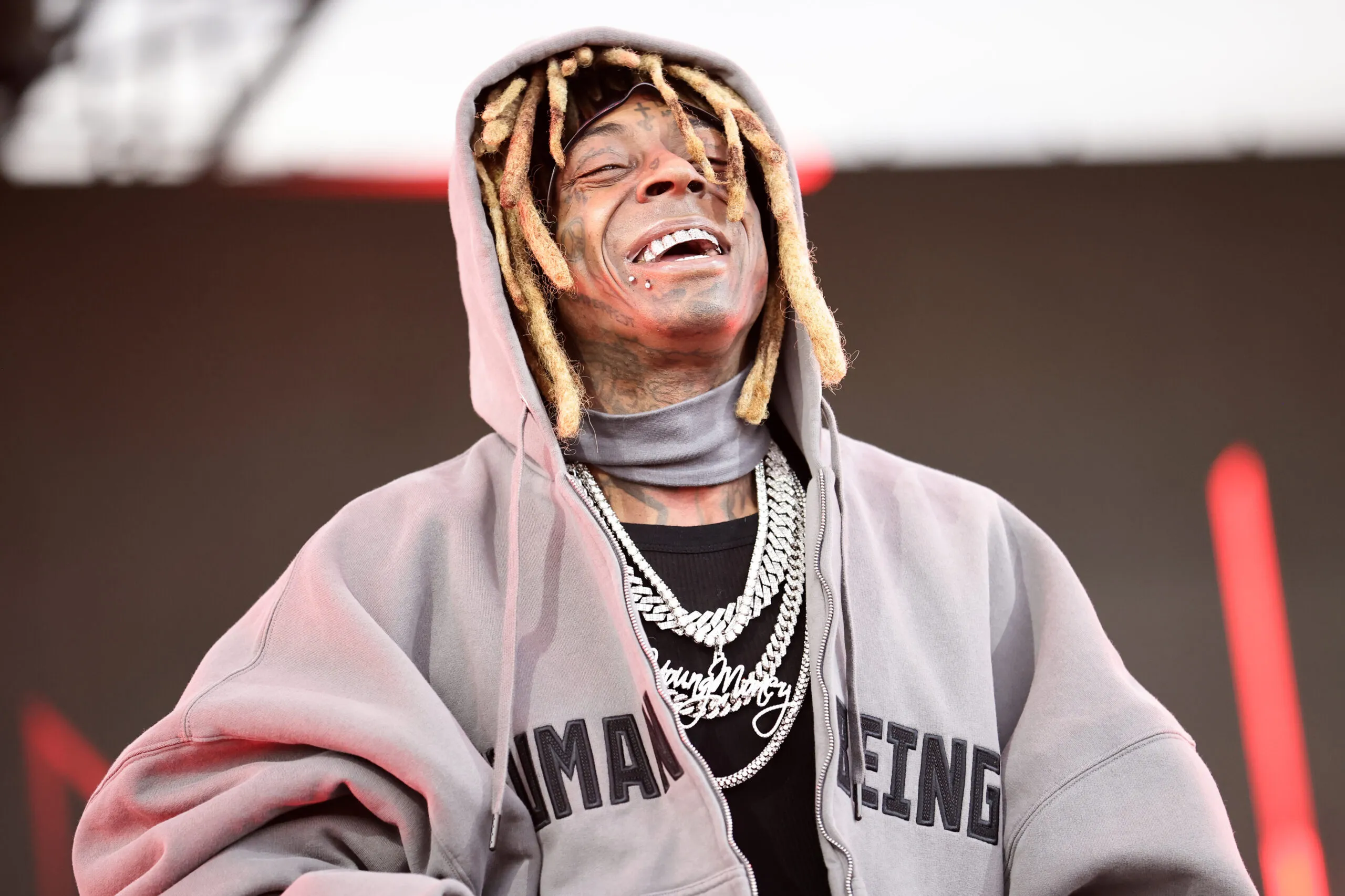
When discussing the evolution of hip-hop mixtapes, one name that inevitably stands out is Lil Wayne. Known as one of the most prolific rappers of all time, Lil Wayne’s impact on rap music goes beyond studio albums and Billboard charts. He transformed the mixtape culture, turning it from a grassroots promotional tool into a respected art form that shaped the careers of countless rappers. This article will explore in detail how Lil Wayne redefined the meaning of mixtapes, influenced a generation of artists, and cemented his place as a pioneer in hip-hop.
The Origins of Mixtape Culture
Before Lil Wayne’s dominance, mixtapes were mostly a way for DJs to showcase exclusive tracks, freestyles, or street anthems. Artists used mixtapes to maintain visibility between official album releases. They were often rough, raw, and not intended for mainstream success. While legends like 50 Cent and DJ Clue helped push the format forward, it was Lil Wayne who elevated mixtapes into cultural phenomena that rivaled major label projects.
Lil Wayne’s Rise to Mixtape Dominance
By the mid-2000s, Lil Wayne was already recognized as a star due to his success with the Hot Boys and early solo albums like Tha Carter. But it was his decision to flood the streets and internet with a series of groundbreaking mixtapes that set him apart.
Projects like:
-
Dedication (2005)
-
Dedication 2 (2006)
-
Da Drought 3 (2007)
-
No Ceilings (2009)
…didn’t just fill the gap between albums—they became legendary works in their own right. Lil Wayne’s hunger, creativity, and lyrical dominance showed that mixtapes could rival, and sometimes surpass, official studio albums.
The Dedication Series and DJ Drama’s Influence
Lil Wayne’s partnership with DJ Drama on the Dedication mixtape series was a turning point in mixtape history. Instead of using mixtapes solely for throwaway tracks, Wayne treated them like full-fledged projects.
On Dedication 2, Wayne showcased his ability to take over other artists’ beats and make them his own. Songs like “Cannon” and “Georgia… Bush” displayed his versatility, political commentary, and unmatched freestyle ability. This approach reshaped the purpose of mixtapes—they were no longer just promotional; they became cultural events.
Da Drought 3: A Landmark in Hip-Hop
When Da Drought 3 dropped in 2007, it changed the perception of what a mixtape could be. Featuring Wayne rapping over popular beats from Jay-Z, Beyoncé, T.I., and others, the mixtape highlighted his ability to outshine original performers on their own instrumentals.
Lines like “We are not the same, I am a Martian” became legendary, and the project solidified Lil Wayne as not only the best rapper alive at the time but also a creative force who could dominate outside the traditional album cycle. Da Drought 3 is still regarded as one of the greatest mixtapes in hip-hop history.
No Ceilings: The Pinnacle of Mixtape Brilliance
By 2009, Wayne had already conquered rap, but he continued to feed fans with more music. No Ceilings became another classic, with Wayne flipping beats like “Swag Surfin” and “Ice Cream Paint Job” into unforgettable versions that fans still celebrate today.
The mixtape showcased Wayne’s playful delivery, clever wordplay, and dominance over the rap landscape. Unlike other artists who used mixtapes as filler, Wayne used them to experiment, showcase his genius, and prove his consistency.
How Lil Wayne Redefined Mixtapes
Lil Wayne’s approach to mixtapes brought several innovations that reshaped hip-hop:
-
Quantity and Consistency
Wayne flooded the market with music, releasing mixtapes between albums and keeping fans constantly engaged. -
Quality Over “Throwaways”
Instead of treating mixtapes as second-tier projects, he poured album-level energy into them. -
Taking Over Beats
His ability to dominate other artists’ instrumentals set a new trend in hip-hop. -
Breaking Internet Culture
At the height of mixtape blog sites and platforms like DatPiff, Lil Wayne became the face of digital mixtape culture. -
Influencing Future Generations
Rappers like Drake, J. Cole, Nicki Minaj, and Kendrick Lamar studied Wayne’s blueprint, releasing their own impactful mixtapes before mainstream success.
The Impact on Young Money and New Artists
Lil Wayne didn’t just revolutionize mixtapes for himself. His label, Young Money Entertainment, benefited massively from the mixtape era. Artists like Drake (So Far Gone) and Nicki Minaj (Beam Me Up Scotty) followed Wayne’s formula, using mixtapes to launch their careers and establish credibility.
This created a ripple effect—mixtapes became essential for upcoming rappers to gain recognition, build fanbases, and prove their artistry before albums.
The Legacy of Lil Wayne’s Mixtape Era
The influence of Lil Wayne’s mixtape dominance is still felt today. Modern streaming platforms may have shifted focus away from traditional mixtapes, but the spirit of Wayne’s approach—constant music releases, creative freestyles, and experimental projects—remains alive.
Many fans argue that Lil Wayne’s mixtape run between 2005 and 2009 is one of the greatest streaks in rap history. It wasn’t just about music; it was about work ethic, creativity, and redefining how fans consumed hip-hop.
Why Lil Wayne’s Mixtapes Still Matter
Even now, mixtapes like Da Drought 3 and No Ceilings are celebrated as benchmarks of lyrical excellence. They continue to inspire new rappers who aim to prove themselves outside the mainstream industry machine.
Lil Wayne’s strategy also shifted how labels and artists viewed mixtapes—not just as promotional tools but as legitimate artistic projects that could build anticipation, strengthen fan loyalty, and cement a rapper’s legacy.
Conclusion: Lil Wayne as the Mixtape King
When discussing hip-hop history, it’s impossible to overlook how Lil Wayne changed mixtape culture forever. He blurred the lines between mixtapes and albums, gave fans timeless music for free, and created a blueprint that countless artists followed.
From Dedication to Da Drought 3 to No Ceilings, Lil Wayne turned mixtapes into cultural landmarks. His innovation, consistency, and fearlessness set a standard that may never be matched again. For many, Lil Wayne isn’t just one of the greatest rappers alive—he is the undisputed Mixtape King who redefined an era of hip-hop.