








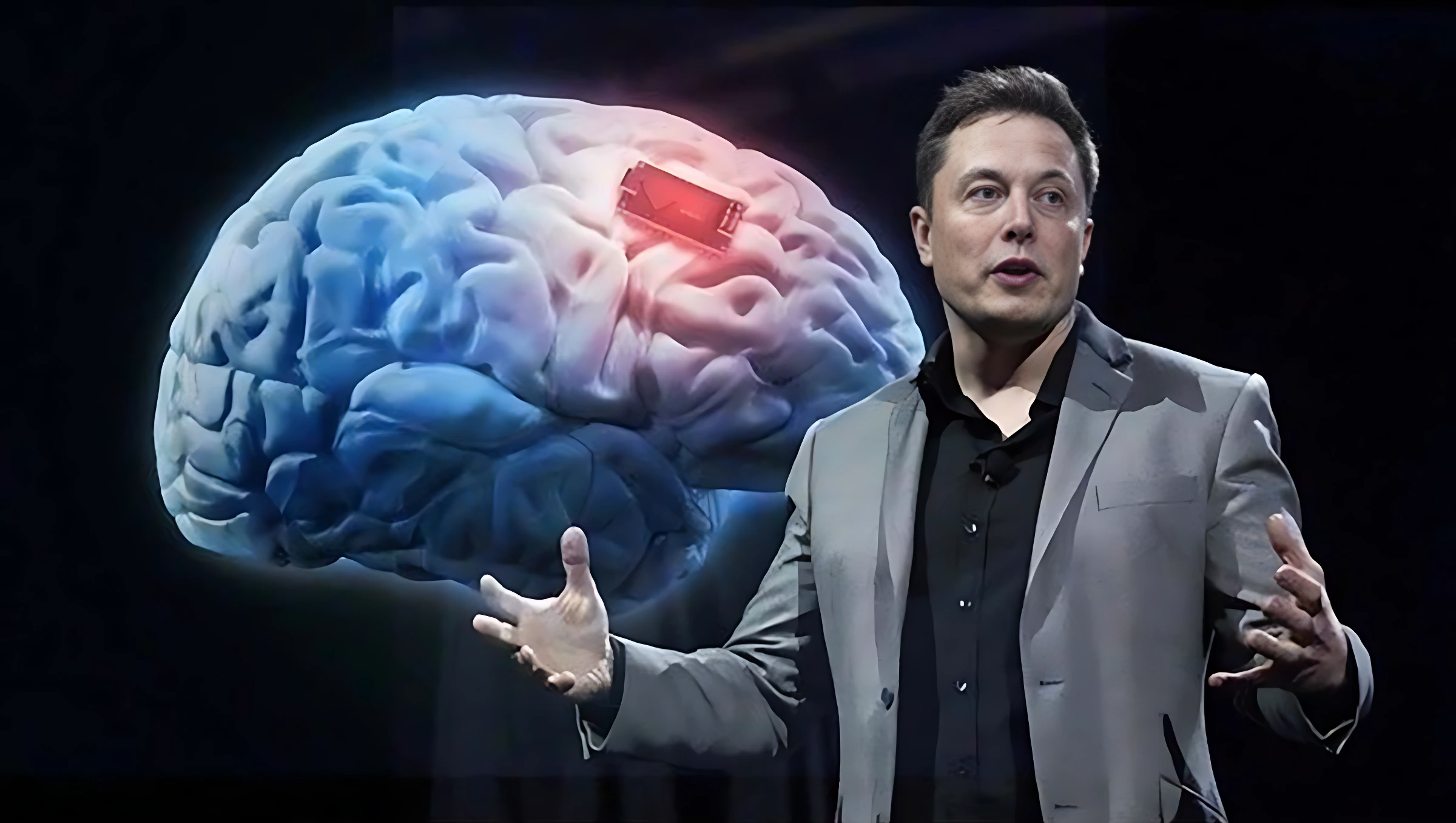
Life After Neuralink: How Is the First Patient With Elon Musk’s Brain Implant Doing?
Introduction
When Elon Musk first unveiled his bold vision for Neuralink, many people saw it as science fiction. The idea of merging the human brain with artificial intelligence raised both excitement and concern. Some imagined a future where people with paralysis could regain independence, while others feared dystopian consequences. Fast forward to today, the first patient has already received the implant, and the world is closely watching. The big question remains: how is the Neuralink patient actually doing after surgery, and what does it mean for the future of brain-computer interfaces?
Neuralink’s Ambitious Vision
The core mission of Neuralink is to create a direct communication channel between the brain and external devices. By using ultra-thin threads implanted in the brain, Neuralink aims to help people with paralysis control digital devices with just their thoughts. Eventually, Musk has suggested even more ambitious possibilities such as enhancing memory, curing neurological diseases, and one day integrating human intelligence with advanced AI. While critics argue that these goals are decades away, the first patient marks a crucial step in turning the concept into reality.
The First Patient’s Journey
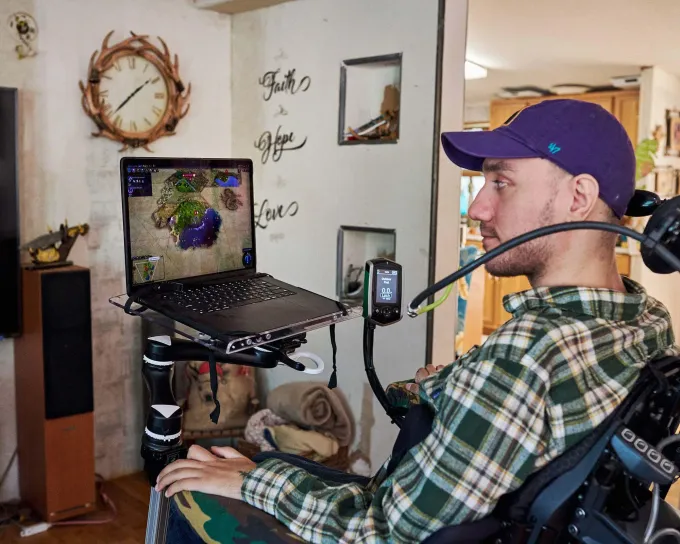
According to reports, the first Neuralink patient was someone living with severe paralysis who volunteered to participate in the clinical trial. The implant procedure involved placing flexible threads directly into the motor cortex of the brain, where signals for movement originate. These threads were connected to a small chip that can transmit data wirelessly. Following surgery, updates indicated that the patient was able to begin interacting with a computer cursor simply by thinking about movement. Although these are early days, even the ability to move a cursor offers life-changing potential for someone who cannot otherwise move their limbs.
Medical Supervision and Safety Concerns
Safety has always been the biggest concern regarding brain implants. Critics worried about infection, brain damage, or rejection of the device. To address this, Neuralink developed robotic surgical systems capable of placing the threads with extreme precision, reducing the risk of damage. The patient was placed under close medical supervision before and after the procedure. Early indications suggest that recovery went smoothly, and the implant appears to be functioning as intended. Nevertheless, doctors are monitoring closely for long-term effects, as brain implants have historically carried risks of scarring and device failure.
The Patient’s Daily Life After Surgery
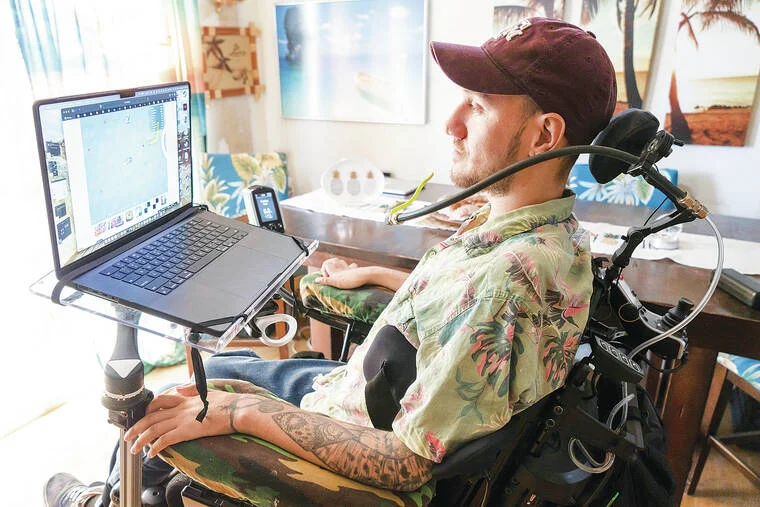
Life after receiving the Neuralink implant has been described as a mix of adjustment and hope. The patient reportedly spends hours each day training the system, teaching the software to recognize specific brain signals. Much like learning a new skill, progress comes with practice. At first, the patient could only make basic movements with a cursor, but over time, accuracy has improved. While it is far from science-fiction-level telepathy, for someone who has been unable to control a device independently, this represents freedom and a step toward independence.
Comparing Neuralink With Other Brain Implants
Neuralink is not the first company to experiment with brain-computer interfaces. Universities and research labs have been working on similar technology for decades. What sets Neuralink apart is the scale and ambition. Previous systems required bulky equipment and wires directly connected to the skull, making them impractical for daily use. Neuralink’s wireless design and focus on making the technology commercially viable could push the field forward faster than academic research alone. Still, some experts caution that the hype surrounding Elon Musk can overshadow the genuine medical challenges that remain.
Ethical Questions Raised
The implant has sparked discussions about the ethics of neurotechnology. Some scientists worry about the commercialization of medical devices before they are fully proven. Others raise questions about privacy—if brain data can be read, who owns that data? For the first patient, however, the ethical debate feels secondary to the personal benefit. Regaining even partial independence can be life-changing. Supporters argue that giving people with severe disabilities the option to use such technology is a moral responsibility, while critics urge caution against rushing too quickly into untested territory.
Public Reaction to the First Patient
The story of the Neuralink patient quickly spread across social media, with reactions ranging from awe to skepticism. Fans of Elon Musk celebrated the breakthrough as proof of his vision for the future. Skeptics, however, questioned the lack of transparent data and warned against assuming success too early. Some medical experts noted that while the results are promising, they do not represent a cure and should be seen as an incremental step. Regardless of opinion, the fact remains that Neuralink has captured global attention, putting brain-computer interfaces into the mainstream conversation.
How Neuralink Trains the Brain and Machine
One of the most fascinating aspects of the Neuralink implant is the learning process. The patient must train the device to understand which brain signals correspond to specific intentions. Similarly, the machine’s algorithms learn to adapt to the unique brain patterns of the individual. This back-and-forth adaptation is what allows more precise control over time. Much like learning to type or play an instrument, repetition leads to improvement. The ultimate goal is to make the device so seamless that using it feels natural, just like moving your own hand.
Potential Benefits Beyond Paralysis
While the first patient has paralysis, Musk has suggested that Neuralink could eventually treat conditions such as Parkinson’s disease, epilepsy, depression, and even memory loss. By recording and stimulating brain activity, the device could potentially reset faulty neural pathways. Though these ideas remain speculative, the implications are vast. Imagine a world where brain implants allow someone with Alzheimer’s to recover lost memories or someone with severe depression to rebalance their brain chemistry. For now, such scenarios remain in the distant future, but the first patient is proof that the foundation is being built.
Financial and Market Implications
The success of Neuralink could have enormous financial consequences. The brain-computer interface market is expected to grow into billions of dollars in the coming years. Competitors such as Synchron, Blackrock Neurotech, and academic institutions are also racing to bring their own solutions to market. Musk’s involvement, combined with Neuralink’s funding power, could give the company a strong lead. However, investors and analysts note that medical regulation is complex and time-consuming. A device implanted in the human brain faces far stricter approval standards than most consumer technology.
How the Patient’s Story Inspires Others
Perhaps the most powerful impact of the first Neuralink patient is the inspiration it provides. For families dealing with paralysis or severe neurological conditions, seeing even a small step forward offers hope. The idea that one day their loved ones might communicate or control devices independently is transformative. While skepticism remains, inspiration is a driving force in innovation, and the patient’s courage to volunteer for such a groundbreaking experiment has already made history.
Challenges Still Ahead
Despite the excitement, challenges remain. The brain is one of the most complex organs, and even small disturbances can have unintended effects. Long-term safety of implants is still unproven, and the possibility of needing replacement surgeries raises concerns. Technical challenges such as data accuracy, battery life, and preventing scar tissue from interfering with the device must be overcome. For the first patient, life with Neuralink is not without risk, but the rewards of regaining even partial autonomy make the gamble worthwhile.
What This Means for the Future of Humanity
The story of the first Neuralink patient is more than just a medical milestone. It represents a glimpse into a possible future where humans merge more directly with technology. Some see this as the first step toward transhumanism, where the boundaries between biological and digital intelligence blur. Others see it as a medical breakthrough that could improve millions of lives. Whether viewed as a revolutionary leap or a cautious step, Neuralink has already ensured that humanity is thinking differently about what is possible.
Conclusion
Life after Neuralink for the first patient is filled with hope, challenges, and global attention. From regaining control over a cursor to inspiring new conversations about the future of technology, the journey has only just begun. While it is too early to declare victory, the progress made so far demonstrates that Elon Musk’s bold vision may not be as far-fetched as once believed. The world will continue to watch closely, not just for the patient’s progress but for what it means for the future of all humanity.