NASCAR Courtroom Shock: Victory Clears the Way to Seize and Sell 23XI and FRM Charters—Just Days Before the Playoffs
It was the kind of twist nobody in the NASCAR world saw coming. Just as the season barreled toward the most pivotal moment of the year—the Playoffs—a courtroom decision sent shockwaves across the sport. In a stunning legal ruling, the door was suddenly flung open to seize and sell NASCAR charters, specifically targeting two high-profile teams: 23XI Racing and Front Row Motorsports (FRM).
Fans, drivers, and insiders were left reeling. Could it really be true that, just days before the Playoffs, two teams on the rise might face a forced shake-up that could redefine the entire grid? The ruling didn’t just threaten stability—it raised questions about the future of NASCAR’s controversial charter system, the ownership model that has been both a safety net and a powder keg since its inception.
The Courtroom Battle That Changed Everything
For months, whispers about legal disputes involving NASCAR’s charter system had circulated in the paddock. The charters, introduced in 2016, were designed to give teams equity, financial stability, and guaranteed entry into races. But they also created tension: who owned the power—the teams or NASCAR itself?
The courtroom drama centered on disputes over ownership rights, transfer policies, and NASCAR’s control over the charter structure. Attorneys battled over technical language buried deep in contracts, and insiders insisted the case could drag on for years without resolution.
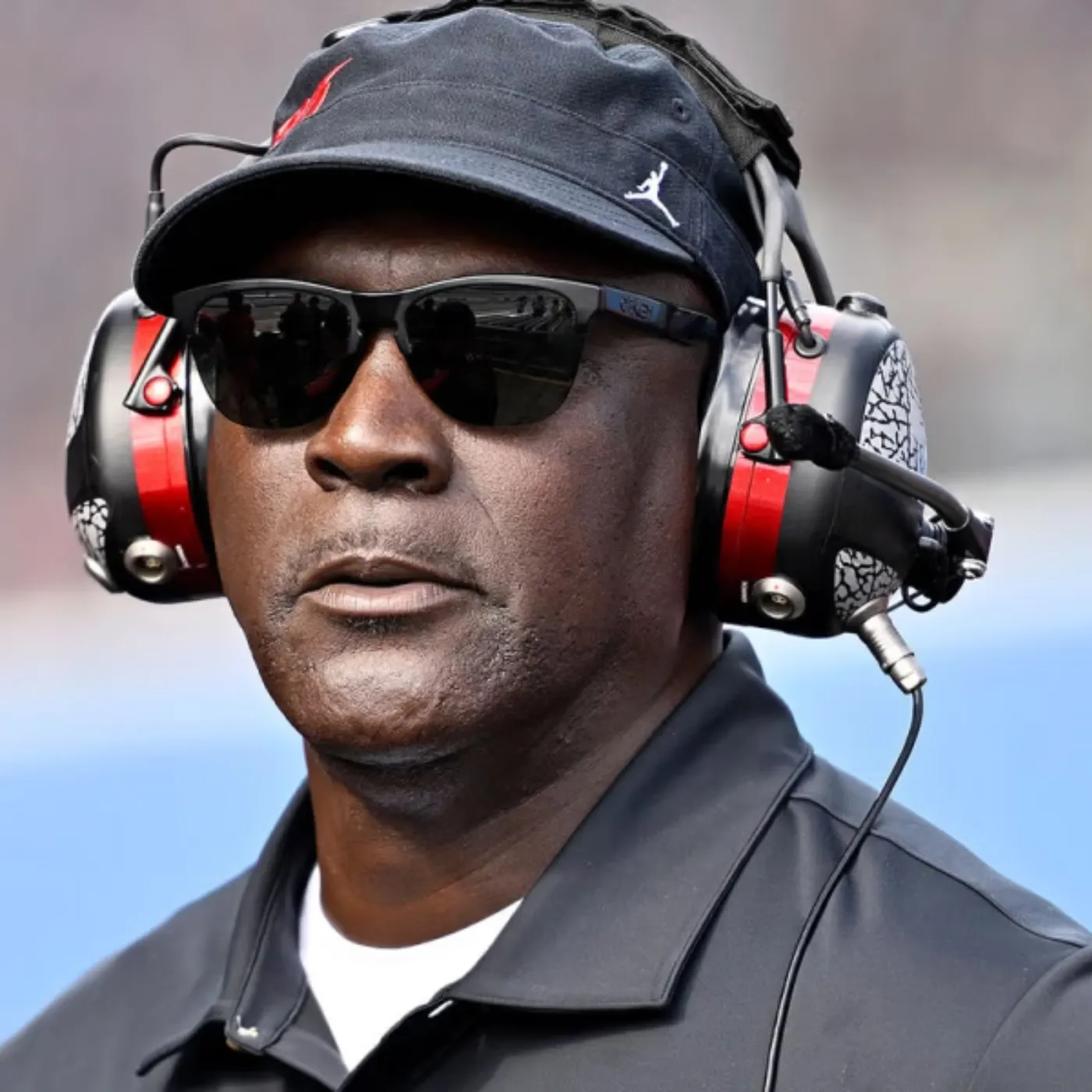
But then came the bombshell. In a shocking victory, the court ruled in a way that cleared the legal path for NASCAR to seize and sell charters—an unprecedented move that directly threatened 23XI Racing, co-owned by NBA icon Michael Jordan and Cup star Denny Hamlin, and FRM, a smaller team that had carved out an underdog’s niche.
The news stunned the garage. For some, it was vindication. For others, it was a betrayal. And for everyone, it raised the same haunting question: if NASCAR could seize these charters, what does that mean for the future of every team?
Why 23XI and FRM Are in the Crosshairs
Among all the teams in the NASCAR garage, why were 23XI Racing and Front Row Motorsports the names whispered in connection with this courtroom decision?
The answer lies in a mix of performance, politics, and perception.
23XI Racing, launched with fanfare in 2020, was billed as NASCAR’s bold new future. Backed by the superstar power of Michael Jordan and the racing pedigree of Denny Hamlin, the team was seen as proof that NASCAR could attract big investors and cultural icons. But with success came scrutiny. Rivals claimed 23XI was given unfair advantages, from sponsor access to political sway. The team’s aggressive expansion into multiple charters only fueled the tension.
On the other hand, FRM represented the opposite end of the spectrum. Long seen as an underdog, the team’s steady rise and occasional upsets made it a fan favorite. Yet behind the scenes, insiders whispered that FRM’s charter agreements were tied up in disputed clauses—technicalities that the courtroom decision now threatens to expose.
If the ruling holds, both 23XI and FRM could see their charters seized, stripped from their control, and put up for sale to the highest bidder. That possibility has left the entire garage in chaos.
The Playoff Timing: Why the Shock Is Magnified
If this courtroom decision had landed during the offseason, the blow would still have been seismic. But the timing—just days before the Playoffs—makes it apocalyptic.
The Playoffs are NASCAR’s crown jewel, the time when sponsors double their investments, teams ramp up intensity, and fans lock in for the most dramatic stretch of the season. For 23XI, which has become a contender in recent years, and for FRM, which has clawed its way into relevance, this ruling threatens not just finances but morale.
Imagine preparing for the biggest races of the year, only to be told your team’s very existence is under threat. Imagine trying to keep drivers focused when their futures are suddenly uncertain. For the crews, the engineers, and the families behind these teams, the courtroom shock isn’t abstract—it’s personal.
Fans React: Outrage, Fear, and Speculation
When the ruling broke, the fanbase erupted. On social media, NASCAR fans debated furiously about what the decision meant.
“This is NASCAR eating itself alive,” one fan wrote. “If they can take away 23XI and FRM, no team is safe.”
Another posted: “Good. The charter system has been broken for years. Maybe this is the only way to fix it.”
The divide highlighted NASCAR’s deeper identity crisis. Is the sport about stability, where teams can build legacies through ownership? Or is it about constant flux, where only the strongest survive?
And in the middle of it all, fans voiced the same terrifying thought: what if this ruling is the beginning of a larger purge?
The Charter System on Trial
To understand why this ruling matters so much, you have to understand the charter system itself.
Introduced in 2016, the system gave teams guaranteed spots in the field, increased revenue share, and something NASCAR had never offered before: ownership equity. The goal was to stabilize the sport, which had seen smaller teams crumble under financial strain.
But almost immediately, cracks appeared. Larger teams complained about limits on expansion. Smaller teams complained about inequities in how revenue was distributed. And critics argued that the system created a class divide, where well-funded teams hoarded power while others were locked out.
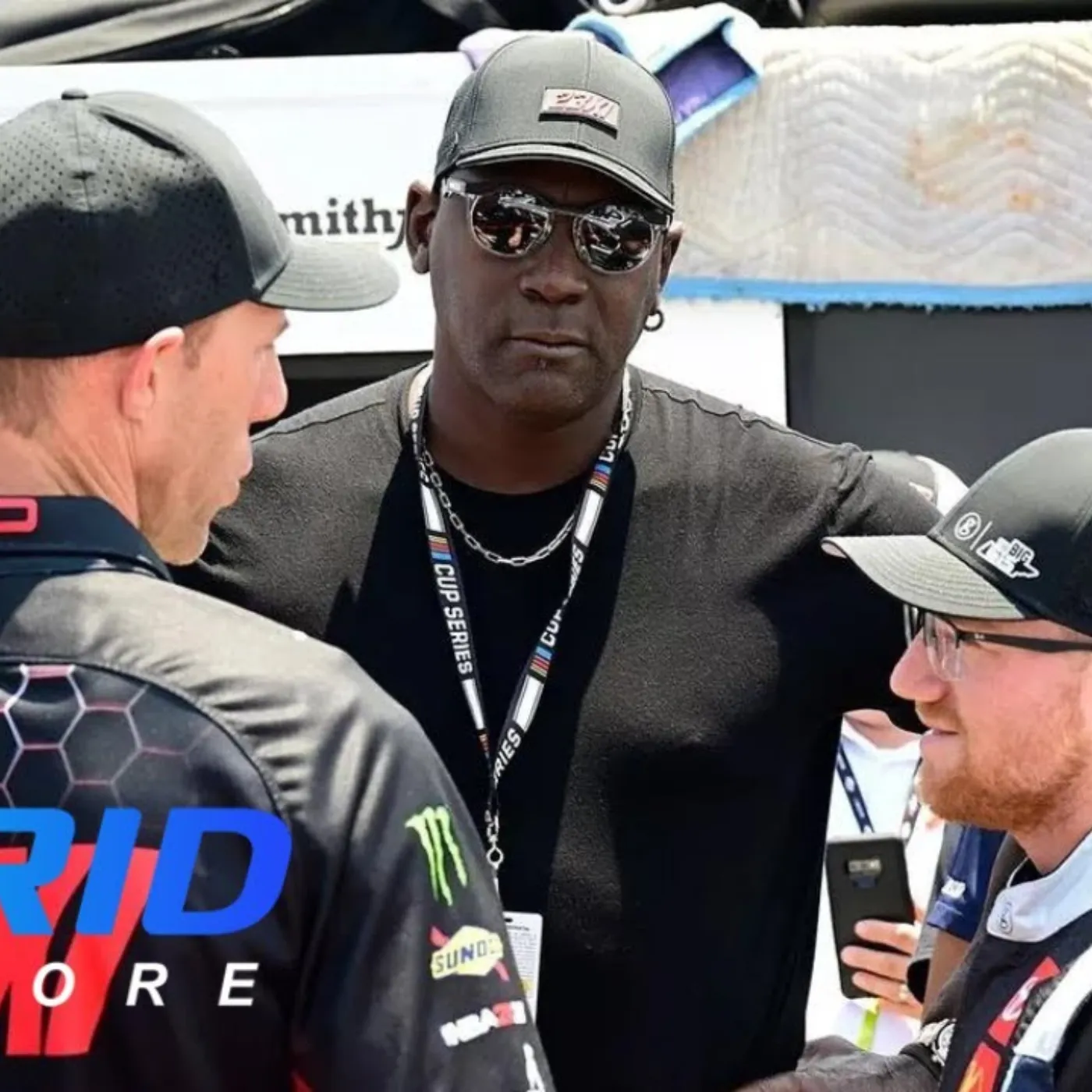
The courtroom decision didn’t just threaten 23XI and FRM. It exposed the vulnerability of the entire system. If NASCAR can seize charters, then what does ownership even mean? And if ownership means nothing, why would investors—like Michael Jordan—risk their money in the sport at all?
A Sport on the Edge of Transformation
As the dust settles, the implications of this ruling stretch far beyond the walls of a courtroom. For NASCAR, this could be the tipping point. Either the sport tightens its grip on charters, reshaping the system into something more centralized and controlled, or it risks alienating the very investors and owners who have kept it afloat.
For drivers, the uncertainty is suffocating. Careers are built around stable teams. If charters can vanish overnight, contracts, sponsorships, and even championship hopes could collapse in the blink of an eye.
And for fans, this is more than a legal battle—it’s an existential crisis. NASCAR has always thrived on drama, but this kind of drama cuts too deep. It threatens the very structure of the competition they love.
The Road Ahead
What happens next? That’s the question every fan, driver, and owner is asking. Will 23XI and FRM fight back in court, buying time until after the playoffs? Will rival teams swoop in to snatch up seized charters if they go to auction? Or will NASCAR use this moment to renegotiate the charter system entirely, reshaping the sport for the next decade?
For now, nothing is certain except this: the ruling has left NASCAR standing on the edge of a cliff, staring into an uncertain future.
The Playoffs may still go forward, but the shadow of the courtroom shock looms larger than any championship trophy. And until the dust settles, every lap, every pit stop, and every victory will be haunted by the knowledge that behind the spectacle, the very foundations of the sport are trembling.
Because in NASCAR, the roar of engines has always masked the quiet power struggles behind the scenes. And this time, the struggle has erupted into the open—with consequences that may reshape the sport forever.