




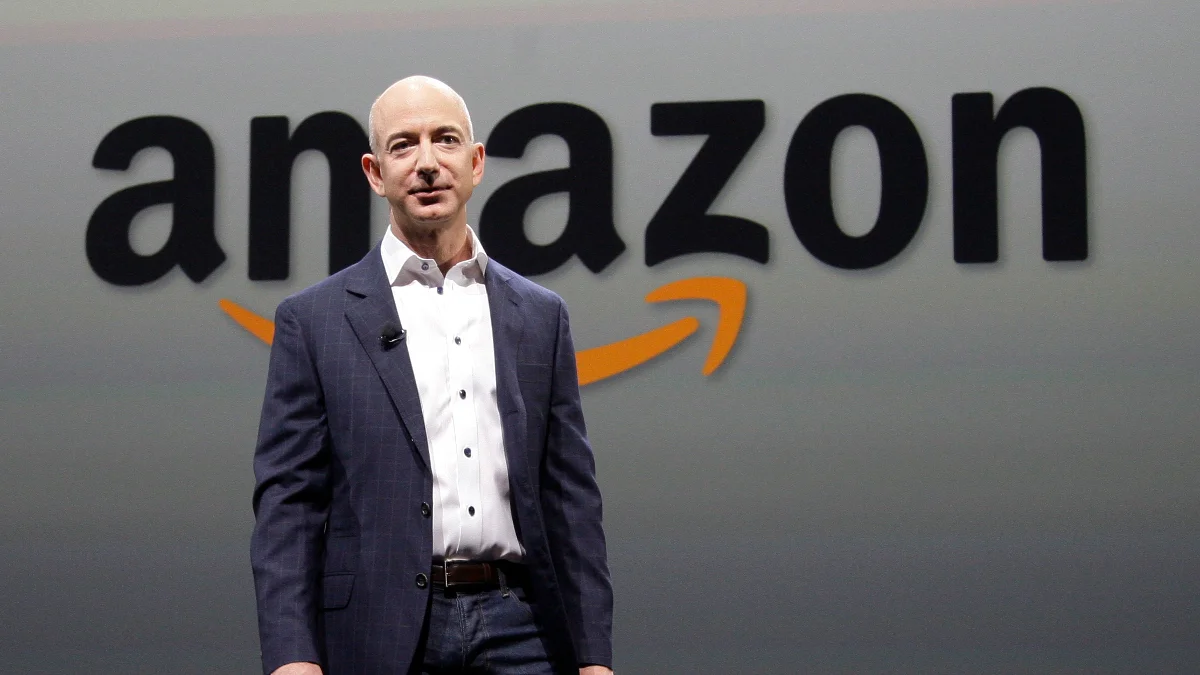
“I Just Didn’t Feel Good”: Jeff Bezos Explains Why He Didn’t Grab More Amazon Stock
Introduction
Jeff Bezos, the billionaire founder of Amazon, recently opened up about one of his most surprising financial decisions: why he didn’t buy more Amazon stock at a critical moment. Despite being one of the sharpest business minds in history, Bezos admitted, “I just didn’t feel good,” when reflecting on missed opportunities to increase his personal holdings in the e-commerce giant.
This revelation has sparked debate among investors, analysts, and fans of Bezos. Why would a visionary who transformed a small online bookstore into one of the most valuable companies on the planet hesitate when it came to buying more of his own company’s stock? To answer this, it’s important to look at Bezos’s philosophy, his unique approach to risk, and the broader lessons his perspective offers for today’s investors.
Jeff Bezos and His Relationship With Amazon Stock
From the beginning, Amazon stock has been one of the most closely watched assets on Wall Street. Founded in 1994, Amazon grew from a modest online retailer into a global powerhouse, spanning everything from cloud computing to streaming entertainment.
Bezos, as founder and longtime CEO, naturally became one of the largest shareholders. His net worth has largely been tied to the stock’s performance. Over the years, Bezos has sold portions of his shares to fund projects like Blue Origin and philanthropic causes, but he has rarely spoken candidly about moments when he did not buy more.
So, when Bezos recently explained his hesitation, the comment revealed much about the psychology of even the world’s most successful entrepreneurs.
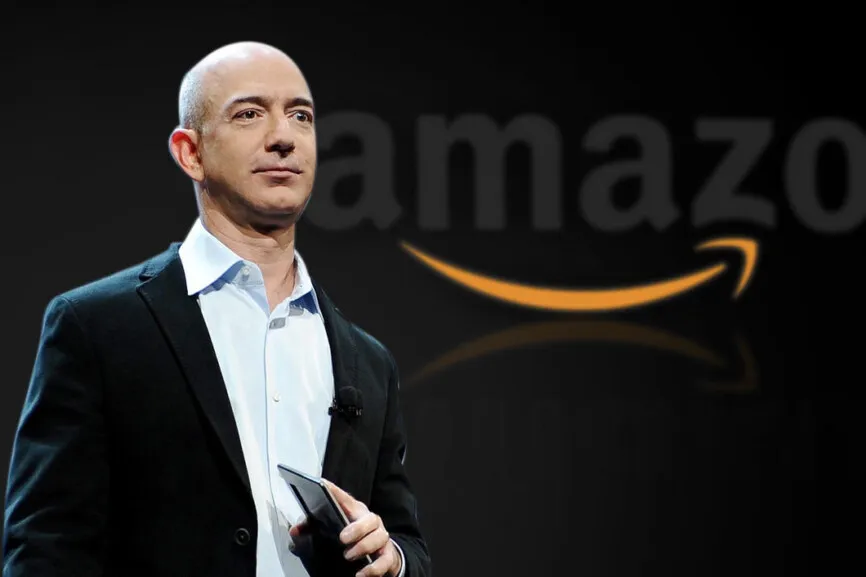
“I Just Didn’t Feel Good”: The Emotional Side of Investing
The phrase “I just didn’t feel good” has resonated widely. For many, it is a reminder that even billionaires experience doubt, fear, and hesitation. Investing decisions are rarely purely mathematical; they are deeply influenced by psychology and emotion.
Bezos, despite his reputation for analytical thinking, acknowledged that intuition and personal comfort played a role. Rather than chasing maximum financial gain, he admitted to following his instincts. This statement suggests that for him, wealth accumulation is not simply about numbers but about peace of mind and balance.
Timing the Market vs. Building a Vision
One reason Bezos might not have rushed to buy more stock is that his focus has always been on building Amazon as a company, not speculating on its share price. From the early days, Bezos urged employees and investors to ignore short-term stock fluctuations and instead concentrate on long-term growth.
He often reminded stakeholders that Amazon’s strategy was about vision, innovation, and customer obsession — not quarter-to-quarter results. By the same logic, Bezos may not have felt pressure to load up on shares at any given moment. For him, Amazon’s success was inevitable because of the business model, not because of stock timing.
The Fear of Overexposure
Another possible factor behind Bezos’s comment is the concept of overexposure. At many points in his career, the majority of his wealth was already tied up in Amazon. Buying even more stock could have concentrated his risk further, leaving him vulnerable if the company faced unexpected challenges.
For most investors, diversification is critical. Bezos’s situation was unique — he already had a massive stake in Amazon. His decision not to buy more may have been less about pessimism and more about protecting himself from unnecessary financial stress.
Amazon’s Volatility and Market Uncertainty
It’s easy to forget now, but Amazon stock was not always seen as a guaranteed success. In its early years, the company posted losses for multiple quarters, drawing skepticism from Wall Street. During the dot-com crash of the early 2000s, Amazon stock plummeted by more than 90%.
For Bezos, watching the company weather volatility may have reinforced his cautious stance. While he believed in the business, he also knew firsthand that markets could be unpredictable. Saying “I just didn’t feel good” may have been his way of acknowledging the uncertainty that every investor feels when facing risky decisions.
Lessons for Everyday Investors
Bezos’s statement holds valuable lessons for everyday investors:
-
Trust your instincts – Even with research and data, emotions play a role. If a decision doesn’t feel right, it may not be worth the risk.
-
Focus on the long term – Like Bezos, investors should concentrate on the vision of a company rather than short-term fluctuations.
-
Don’t overexpose yourself – Having too much tied to a single investment can create unnecessary stress. Diversification remains key.
-
Accept missed opportunities – Not every potential gain needs to be captured. Sometimes, sitting out is the smartest choice.
The Broader Philosophy of Jeff Bezos
Throughout his career, Bezos has emphasized principles that go beyond financial gain. Whether it’s his Day One philosophy at Amazon, his investment in space exploration through Blue Origin, or his philanthropic commitments, Bezos often prioritizes vision and impact over short-term profit.
His comment about not buying more stock fits into this pattern. He seems less concerned with maximizing personal wealth and more focused on aligning his actions with his comfort, values, and long-term outlook.
A Rare Glimpse Into Bezos’s Vulnerability
For the public, the statement was a rare glimpse into the vulnerability of one of the world’s most powerful men. Bezos is usually portrayed as confident, strategic, and relentless. Admitting that he “just didn’t feel good” humanizes him, reminding people that even billionaires face doubts and uncertainties.
This humility may also reflect the lessons he learned from his mother, Jacklyn Bezos, whose recent passing reminded the world of her influence. Jacklyn encouraged her son to think independently and trust himself — values that still shape his decision-making today.
The Investor Community Reacts
When Bezos’s comments surfaced, reactions varied. Some analysts argued that his hesitation showed prudence and maturity, while others suggested it revealed caution inconsistent with his otherwise bold persona.
Yet most agreed on one point: the honesty of the admission made Bezos more relatable. Many investors have passed on opportunities that later proved lucrative. Hearing that even Bezos has felt the same validated the experiences of everyday market participants.
How This Fits Into Bezos’s Legacy
As Bezos transitions from Amazon CEO to executive chairman and devotes more time to Blue Origin and philanthropy, his reflections on past decisions carry added weight. The choice not to buy more Amazon stock may seem small compared to his broader achievements, but it reveals a mindset that has guided him for decades: a balance between ambition and caution.
His legacy will not be defined by missed stock purchases but by his ability to build enduring institutions, inspire innovation, and embrace humanity in his leadership.
The Future of Amazon Stock
For current investors, the bigger question is: where does Amazon go from here? With Andy Jassy as CEO and Amazon continuing to expand in areas like cloud computing, AI, and logistics, the stock remains a key focus on Wall Street.
Bezos’s reflections, however, remind investors that timing the market is nearly impossible. The real opportunity lies in supporting companies with strong visions, durable models, and innovative leadership.
Conclusion
Jeff Bezos’s admission — “I just didn’t feel good” — about not buying more Amazon stock is more than just a passing comment. It highlights the emotional complexity of investing, the importance of balance, and the universality of doubt, even at the highest levels of success.
For everyday investors, his words are both comforting and instructive. They show that wealth and intelligence do not eliminate uncertainty and that sometimes, the best decision is the one that aligns with your instincts and personal comfort.
In the end, Bezos’s impact will not be measured by the shares he did or did not purchase but by the companies he built, the industries he transformed, and the legacy he leaves behind.