Du Plessis “Stuck”: Only Weight Cut Can Save Him from Khamzat Rematch
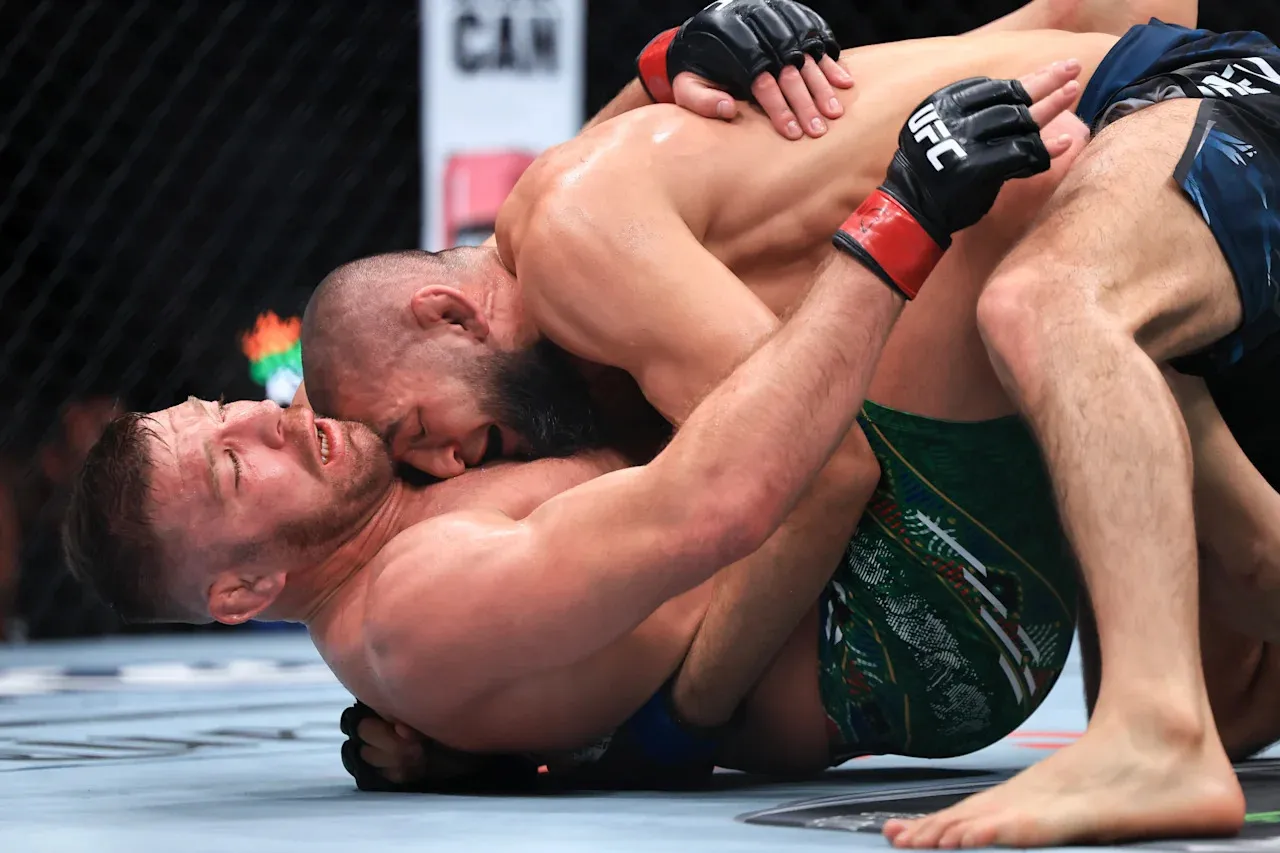
When Dricus du Plessis lost his UFC middleweight title to Khamzat Chimaev, the MMA world quickly shifted its focus to what could possibly come next for the South African star. Once known for his relentless pressure, awkward striking, and surprising resilience, du Plessis now finds himself in the most uncertain position of his career. The loss was not just a defeat—it was a statement from Chimaev that left many wondering if “DDP” can ever recover enough to earn another title shot, let alone stand a chance in a rematch against “Borz.”
Du Plessis’ team remains confident that with proper adjustments, particularly in his wrestling, he can bounce back and be back in title contention within the next year. However, critics like former UFC champion Quinton “Rampage” Jackson believe du Plessis is “stuck” in a career dilemma that leaves him with very few good options. The debate now rages: should du Plessis stay at middleweight and rebuild, or consider an extreme weight cut back to welterweight to escape the Chimaev problem?
The Nature of the Loss
What made the Chimaev fight so devastating for du Plessis wasn’t just the result—it was the manner in which he was dominated. Chimaev’s suffocating wrestling, explosive pace, and overwhelming physicality made du Plessis look out of his depth. While DDP has always relied on toughness, pressure, and opportunistic striking, his wrestling defense was simply not enough against a grappler of Chimaev’s caliber.
For fans and analysts, the fight raised a harsh reality: unless du Plessis makes massive improvements in his takedown defense and scrambling ability, he may never be able to challenge Chimaev effectively again. And since Chimaev seems poised to remain at the top of the division, du Plessis’ route back to gold is not only steep but also blocked by the same opponent who dismantled him.
The Weight Cut Question
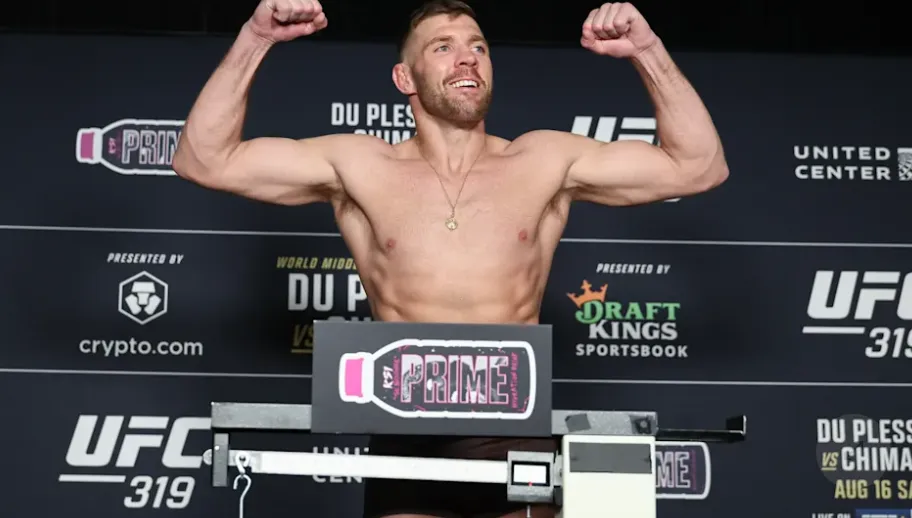
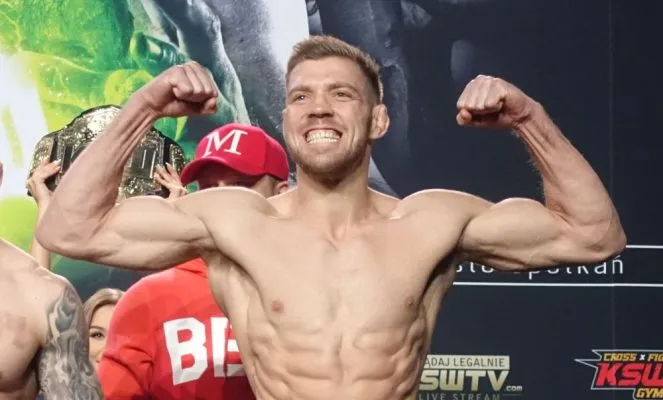
Quinton Jackson’s blunt assessment that du Plessis should consider a return to welterweight brought renewed attention to the fighter’s past. From 2015 to 2018, DDP competed at 170 pounds and was a force in regional circuits before moving up to middleweight, where his frame and power translated well. At middleweight, he captured the UFC title and shocked the world with his run through fighters like Robert Whittaker and Sean Strickland.
However, a move back to welterweight at this stage seems more fantasy than reality. Du Plessis has added significant muscle mass since 2018, and cutting down to 170 pounds would not only require unhealthy levels of weight loss but would also likely diminish his endurance, durability, and punching power—three of his biggest weapons. Even if he could somehow make the cut, the process would almost certainly shorten his career.
That’s why the idea of dropping a division is more of a “theoretical escape” than a realistic plan. In other words, while it may be a way to avoid Chimaev, it is unlikely to serve du Plessis well in terms of performance or longevity.
The Realistic Path: Wrestling, Grinding, and Rebuilding
The far more likely—and logical—path for du Plessis is to accept the Chimaev loss as a learning experience and focus on shoring up his weaknesses. According to his camp, three to four months of dedicated wrestling-focused training could significantly improve his ability to defend takedowns and operate in grappling exchanges. While it is unlikely he could ever reach the level of Chimaev, becoming competent enough to survive and counterattack could give him a fighting chance.
From there, du Plessis could take on two or three top contenders at middleweight to re-establish himself as a legitimate challenger. A victory over opponents like Jared Cannonier, Marvin Vettori, or Paulo Costa could reinsert him into the title conversation, particularly if Chimaev clears out other contenders in the meantime.
This route may not guarantee a rematch, but it would keep DDP relevant and within striking distance of another title shot. In the UFC, momentum and timing often matter as much as skill—and du Plessis has already shown that his awkward, high-pressure style can surprise elite opponents.
The Psychological Battle
For du Plessis, however, the real challenge may not be physical but mental. Losing in dominant fashion can shake the confidence of any fighter, especially one who had just reached the pinnacle of the sport. The South African was on top of the world only months ago, celebrated as the first UFC champion from his country, carrying national pride and momentum. Now, he faces questions about whether he is truly elite or simply the product of favorable matchups on his championship run.
Du Plessis himself has remained defiant, insisting that he is far from done. His confidence, as always, borders on unshakable. He believes that the “real fight” has just begun—one where he must adapt, evolve, and prove his critics wrong. But as history shows, not every champion rebounds from such a crushing defeat. The next year will determine whether DDP becomes another “what if” story or stages one of the greatest comebacks in UFC middleweight history.
Khamzat’s Shadow Over the Division
Another factor complicating du Plessis’ path is Khamzat Chimaev’s dominance. If Chimaev holds onto the belt for the next couple of years, du Plessis could find himself permanently blocked from the title picture. This has happened before in MMA, where one fighter’s dominance shuts out rivals. For instance, Anderson Silva’s reign forced many talented middleweights to linger just outside the spotlight, unable to surpass him.
For DDP, the nightmare scenario is winning a couple of fights, earning a rematch, and then being dominated again. Not only would that further damage his career, but it might cement his reputation as someone who simply cannot handle the very best in the division. This is why critics like Rampage Jackson argue that du Plessis should consider a division switch, even if it seems impractical.
Can DDP Destroy “Borz” in the Future?
The big question remains: can du Plessis ever beat Chimaev? The honest answer right now is “unlikely.” But MMA has a history of surprising turnarounds. Fighters like Stipe Miocic, Charles Oliveira, and Michael Bisping were all counted out at different points in their careers, only to return stronger and capture gold.
For DDP, the blueprint is simple but difficult:
-
Dedicate months to wrestling defense and grappling survival.
-
Rebuild momentum by defeating at least two top-10 middleweights.
-
Pray for favorable timing—whether that means Chimaev gets injured, moves up in weight, or loses the belt to someone else.
Only then would du Plessis have the opportunity to not only challenge again but potentially redeem himself.
Conclusion
Dricus du Plessis is at a crossroads in his career. The loss to Khamzat Chimaev has left him “stuck” in the eyes of some critics, with options like dropping to welterweight appearing unrealistic. The smarter path lies in skill development, particularly in wrestling, and rebuilding his contender status at middleweight. While the shadow of Chimaev looms large, history shows that the UFC is full of redemption arcs.
Whether du Plessis can write his own comeback story will depend not just on his physical evolution but on his mental resilience. For now, his best option is not starvation or fantasy weight cuts—it’s hard work, smarter preparation, and the patience to wait for the right opportunity. And if he can seize it, the chapter of redemption could be even greater than his first title run.
Related News