







Roger Federer Joins the Billionaire Club With $1.1B Fortune — How Tennis’s Gentleman Cashed In Beyond the Court
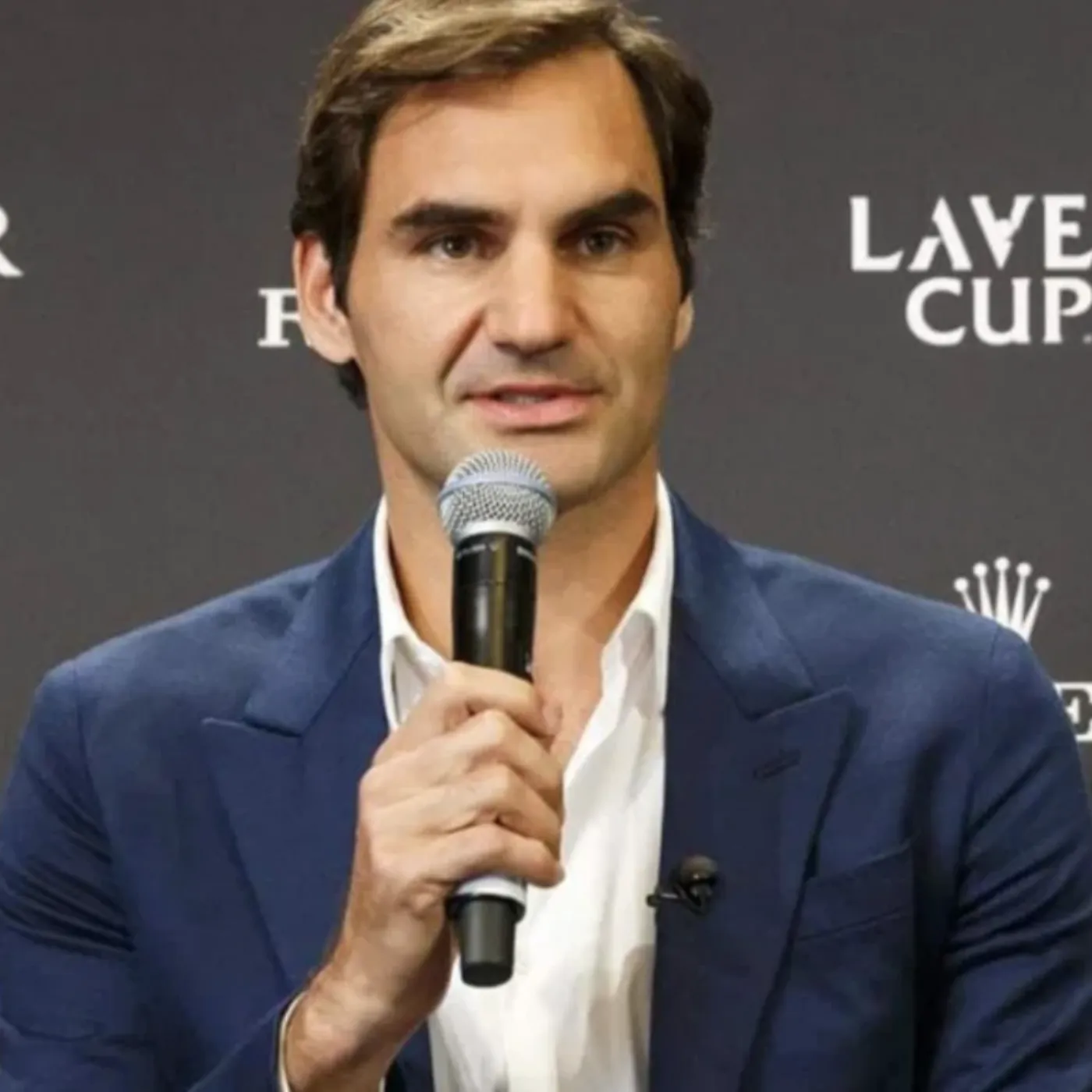
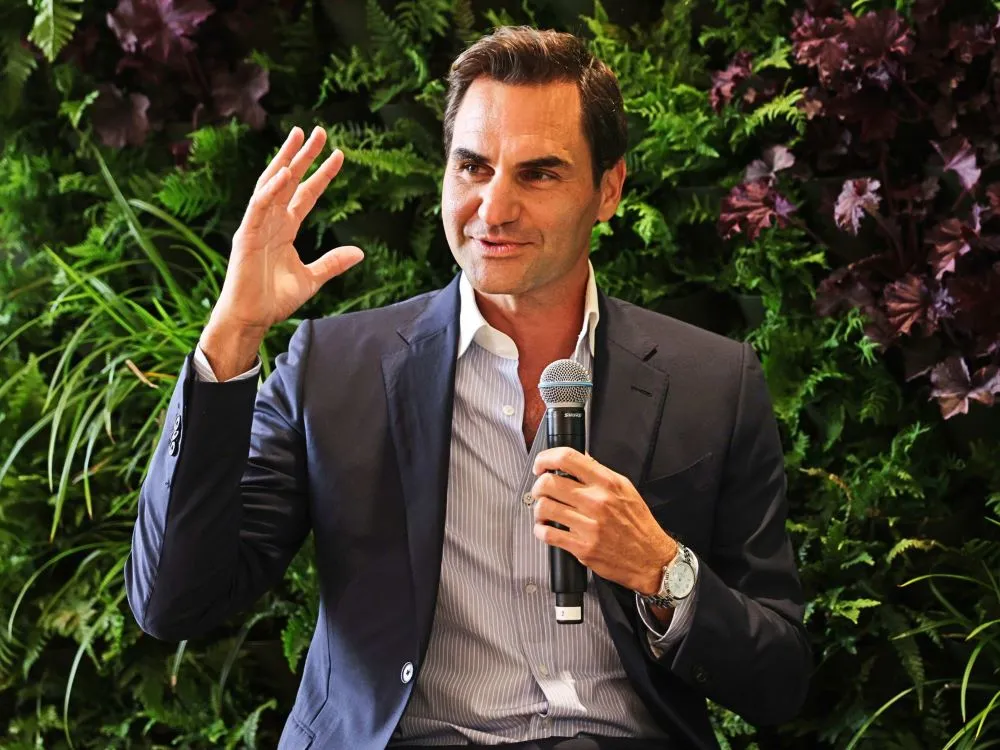
When the name Roger Federer is mentioned, the immediate association is often with his elegant tennis strokes, his graceful footwork, and his remarkable composure under pressure. Yet in 2025, the Swiss maestro has transcended the boundaries of sport to join the exclusive ranks of the billionaire club, with reports estimating his fortune at an astonishing $1.1 billion. What makes this achievement all the more fascinating is the fact that Federer has not earned the bulk of this wealth from prize money on the court. Instead, his path to financial greatness was carefully shaped by his image as the ultimate gentleman of tennis, his strategic endorsement deals, and his ventures into global business. His story is a testament to how an athlete can evolve into a brand that carries influence and financial success long after stepping away from competition.
The Rise of a Global Icon
Federer’s journey from a gifted teenager in Basel to a 20-time Grand Slam champion was marked not only by victories but by an aura of timeless elegance. Fans loved him for the effortless way he glided across the court, but corporate giants saw something even more valuable: an ambassador who personified class, credibility, and reliability. From his earliest days on the ATP Tour, Federer was courted by companies seeking to align with his image. Over the years, those endorsements transformed him from a wealthy athlete into a global business empire.
His on-court earnings, though immense by normal standards, pale in comparison to his off-court fortunes. Across two decades of professional tennis, Federer accumulated roughly $130 million in prize money, a figure dwarfed by the $1 billion-plus that came through sponsorships, investments, and long-term partnerships. This disparity illustrates how Federer’s wealth was built on more than his achievements with a racket; it was his brand power that elevated him into financial history.
Endorsements That Defined an Era
Few athletes in history have curated their partnerships with the precision Federer displayed. While some sports stars attached themselves to fleeting trends, Federer consistently aligned with prestigious global companies that reflected his own refined persona. His long-standing relationship with Rolex symbolized timeless sophistication. His collaboration with Wilson, his racket sponsor, reminded fans of his loyalty to the tools of his craft. His ties to Credit Suisse, Mercedes-Benz, and Barilla showcased a spectrum of partnerships spanning finance, luxury automobiles, and food, demonstrating his versatility as a marketing powerhouse.
The most lucrative move of his career, however, came when Federer parted ways with Nike in 2018 to sign a groundbreaking deal with Japanese clothing giant Uniqlo. The reported $300 million, 10-year contract was not only a financial windfall but also a visionary decision. Unlike typical endorsement deals that hinge on an athlete’s active playing years, Federer’s Uniqlo agreement was structured to extend beyond his retirement. This meant that even after leaving the court, Federer continued to profit immensely, securing long-term stability in his brand value.
Building Wealth Through Investments
Beyond endorsements, Federer demonstrated sharp instincts as an investor. He became an early stakeholder in On Running, the Swiss athletic footwear company that has since exploded into global prominence. Federer’s influence helped propel the brand into international markets, and when On Running went public on the New York Stock Exchange in 2021, the tennis legend’s stake was estimated to be worth hundreds of millions.
This investment marked a significant shift in Federer’s financial trajectory. While endorsements provided the foundation of his fortune, his move into equity partnerships allowed him to scale wealth in ways traditional sponsorships could not. His business acumen became evident, showing the world that Federer was not merely a passive recipient of checks but an active architect of his empire.
The Gentleman Effect
Federer’s path to billionaire status cannot be understood without acknowledging his carefully crafted public persona. Dubbed the “gentleman of tennis,” he cultivated an image of grace and humility that resonated globally. He avoided scandals, maintained a stable personal life with his wife Mirka and their four children, and engaged meaningfully in philanthropy through the Roger Federer Foundation, which focuses on education in southern Africa and Switzerland.
This consistency gave corporations confidence. They knew that investing in Federer’s image was as safe as it was profitable. Unlike athletes whose endorsements can be jeopardized by controversies or unpredictable behavior, Federer projected a steady, refined image that companies trusted implicitly. His persona was not a marketing façade; it was an authentic extension of who he was, making his endorsements more impactful and sustainable.
Retirement and Reinvention
When Federer announced his retirement in 2022 after a career spanning more than two decades, some speculated that his financial power would diminish. Yet retirement only opened new avenues. Instead of disappearing from the spotlight, Federer transitioned seamlessly into a role as a global ambassador for sport, business, and philanthropy. His presence at events, whether tennis-related or not, continues to draw attention. He remains an integral figure at tournaments, exhibitions, and charity matches, ensuring his visibility endures.
In many ways, Federer’s retirement reinforced his billionaire trajectory. No longer bound by the demands of professional competition, he has more freedom to explore investments, expand partnerships, and grow his brand. The fact that his endorsements remain as lucrative as ever proves that Federer’s identity has outgrown the tennis court. He is no longer just a retired athlete; he is a living brand with enduring global appeal.
Comparisons With Other Sports Billionaires
Federer’s entry into the billionaire club places him in an elite category of athletes who have transcended sport. Figures such as Michael Jordan, Tiger Woods, LeBron James, and Cristiano Ronaldo share this distinction, yet Federer’s journey is unique. Unlike team sport athletes with massive salary contracts, his wealth was not built on guaranteed multimillion-dollar deals. Tennis players earn through performance, with prize money fluctuating depending on victories. Federer, therefore, had to cultivate a business model where his value extended beyond wins and losses.
His ability to maintain relevance despite injuries, age, and eventual retirement underscores his brilliance. While Jordan’s Air Jordan empire and LeBron’s business ventures were tied to the scale of basketball’s massive markets, Federer built his empire through a sport that, while global, lacks the financial infrastructure of the NBA or the Premier League. That he still managed to reach billionaire status highlights the extraordinary power of his personal brand.
The Role of Swiss Identity
Federer’s Swiss identity has also played a subtle yet significant role in his success. Switzerland is often associated with neutrality, precision, and reliability—traits Federer himself embodies. His calm demeanor and lack of polarizing controversy align with these national characteristics, enhancing his global appeal. Moreover, Switzerland’s financial and business environment provided fertile ground for his investments and brand positioning. Federer was not merely a tennis player representing his country; he became one of its most valuable cultural exports.
Legacy Beyond Money
While the $1.1 billion figure is dazzling, Federer’s true legacy lies in what he represents for athletes and fans alike. He demonstrated that an athlete’s influence need not end with retirement, and that financial security can be built on values like elegance, humility, and loyalty. His foundation continues to impact thousands of children, and his image remains a beacon for future generations of players seeking to combine sporting greatness with off-court excellence.
For Federer, the billionaire status is less about the accumulation of wealth and more about the ability to shape a lasting legacy. He has redefined what it means to be an athlete in the modern era, proving that championships and records are only part of the story. The true victory lies in crafting a life that continues to inspire, empower, and influence long after the spotlight fades.

Conclusion
Roger Federer’s rise to the billionaire club is a story of strategy, vision, and authenticity. He leveraged his unique position as tennis’s ultimate gentleman to build partnerships that transcended the sport. Through endorsements, investments, and his unshakable public persona, he transformed into a financial powerhouse worth $1.1 billion. His journey illustrates the evolution of athletes from competitors into global brands, and it provides a blueprint for how sports figures can harness their influence far beyond the playing field.
As the world celebrates his achievements, one thing is certain: Roger Federer’s fortune is not just measured in billions but in the enduring respect, admiration, and influence he commands worldwide.
Related News