






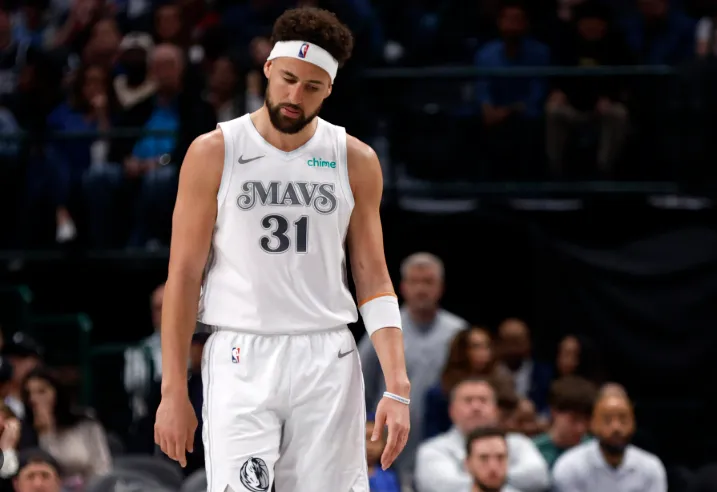
Dallas Faces Sensitive Klay Thompson Issue — Is Trouble Ahead?
The Dallas Mavericks find themselves at a crossroads with Klay Thompson, a player whose arrival in the summer of 2024 was celebrated as a championship-level move but whose current role may soon become a sensitive issue for the franchise. After acquiring Thompson in a high-profile sign-and-trade following their NBA Finals loss to the Boston Celtics, Dallas believed they had found the missing piece to push them over the top. But with major roster changes, including the blockbuster trade that sent Luka Dončić out of town, the Mavericks now face a dilemma: is Klay still a full-time starter, or has the time come for him to transition into a different role?
Thompson’s Arrival and Dallas’ Hopes
When Thompson joined the Mavericks, optimism was high. The sharpshooter, widely regarded as one of the greatest three-point specialists in NBA history, brought immediate credibility to a team that desperately needed more floor spacing and shot creation. Despite his struggles in his final Warriors game — a disastrous 0-of-10 shooting night in the Play-In Tournament — the consensus was that Dallas had struck gold. Pairing him with Dončić, and at the time, Kyrie Irving, seemed like a surefire way to create one of the league’s most dangerous offenses.
The move made sense on every level: Thompson’s off-ball movement fit perfectly with Irving’s ability to create shots, and his presence was expected to draw defenders away, opening the floor for Dallas’ playmakers. Yet, just months later, everything changed. With Dončić traded in a stunning move that reshaped the Mavericks’ identity, Thompson’s role in the system is no longer as clear as it once was.
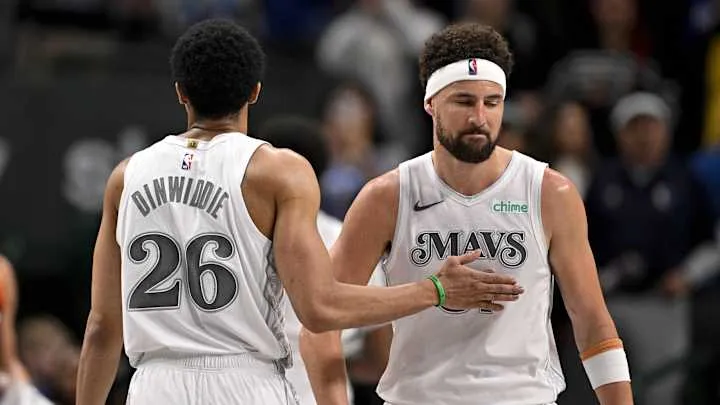
Dallas’ Evolving Needs
Now, the Mavericks’ roster looks drastically different. With Jason Kidd experimenting with a double-big starting lineup, prioritizing size and defense, and with younger players like Cooper Flagg demanding more opportunities, Dallas has to rethink how it balances offense and defense.
The issue isn’t Thompson’s talent — he remains an elite shooter capable of swinging games with his shooting bursts — but rather whether his age and defensive limitations make him the right fit for a starting unit that desperately needs perimeter defense at the point of attack.
At 35 years old, Thompson is no longer the elite two-way wing he once was during the Warriors’ dynasty years. While his basketball IQ and shooting stroke remain elite, his lateral quickness and ability to consistently chase younger guards have declined. Pairing him with D’Angelo Russell, another backcourt player who struggles defensively, could leave Dallas exposed in matchups against some of the Western Conference’s best perimeter scorers.
Pride vs. Reality: The Bench Question
Perhaps the most sensitive part of this issue is Thompson’s willingness — or unwillingness — to accept a reduced role. During his final season in Golden State, head coach Steve Kerr benched Thompson in favor of rookie Brandin Podziemski, a decision that reportedly hurt Thompson’s pride. While it worked for the Warriors’ rotation at the time, Thompson viewed it as a sign of disrespect, ultimately fueling his decision to leave the franchise after more than a decade.
The idea of moving to the bench in Dallas may not sit well with him either. Yet the Mavericks’ roster construction suggests that having Thompson as a sixth man could maximize his value. Off the bench, he could serve as the leader of the second unit, providing consistent offense against opposing reserves, while also allowing Dallas to stagger lineups to ensure constant spacing on the floor.
The Case for Klay as a Starter
Of course, there’s still a strong case to keep Thompson in the starting five. His gravity as a shooter alone creates ripple effects that benefit his teammates. Defenders can’t afford to sag off him, which stretches defenses and opens up driving lanes for players like Irving and Flagg. Additionally, benching Thompson for players like P.J. Washington or Max Christie might improve the team’s defense, but it would come at the expense of spacing and offensive consistency.
Thompson’s presence on the floor means defenses must constantly account for him, even when he’s not making shots. This unique impact makes him different from most 35-year-olds in the NBA. For a Mavericks team still trying to redefine itself post-Dončić, that offensive safety net could be crucial.
The Bigger Picture for Dallas
The real challenge for the Mavericks is balancing respect for Thompson’s legacy with the reality of the team’s needs. The NBA is full of examples of legendary players transitioning into bench roles late in their careers, from Manu Ginóbili to Vince Carter, and even Carmelo Anthony eventually embracing it. The question is whether Thompson is ready to accept that chapter, or if he still sees himself as a cornerstone starter.
It’s worth noting that even if he does move to the bench, that doesn’t diminish his importance. On the contrary, it could extend his career, allowing him to avoid grueling defensive matchups while focusing on doing what he does best: scoring in bunches and hitting momentum-shifting threes.
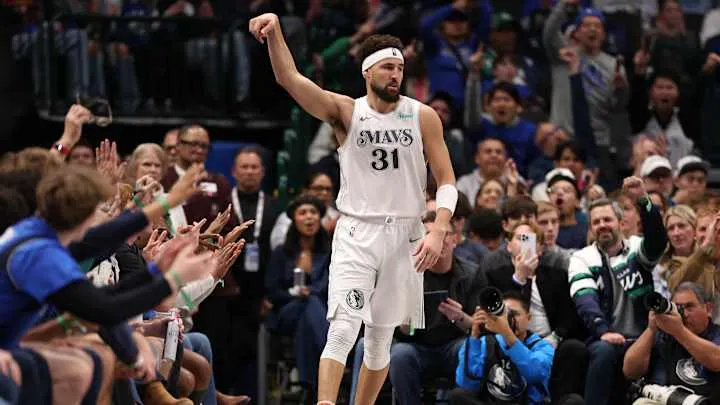
Potential Outcomes
If Dallas forces the issue and benches Thompson early in the season, there’s a risk of tension in the locker room. Thompson’s pride has already been tested once, and repeating that mistake could create unnecessary drama. On the flip side, if Dallas keeps him in the starting lineup despite his limitations, the Mavericks might suffer defensively, especially in the playoffs when every weakness is magnified.
The likely compromise may be a hybrid role: start Thompson in the regular season to maintain chemistry and spacing, but be willing to adjust in the playoffs depending on matchups. This way, Dallas can honor his status as a veteran star while still being flexible enough to make the best decisions for winning games.
Conclusion
The Klay Thompson dilemma is not about whether he still has value — he absolutely does. The question is about fit and role. At 35, his days of being a two-way lockdown guard may be behind him, but his shooting remains elite, and his leadership is invaluable.
The Mavericks face a delicate balancing act: respecting a future Hall of Famer’s legacy while building a team that can compete in the loaded Western Conference. Whether Thompson ultimately starts or comes off the bench, one thing is clear: Dallas needs him, and how they handle this situation could very well determine their ceiling in the 2025–26 season.
Related News