This Car Almost Destroyed NASCAR—Dale Earnhardt Jr. Finally Reveals the Dark Truth
For decades, the thunder of NASCAR stock cars has been the heartbeat of American motorsport. It is a tradition carved into the asphalt of Daytona, Talladega, and Bristol, a ritual that unites millions of fans every Sunday. But behind the glory of roaring engines and high-speed drama lies a story few dared to tell—a story of a car so controversial, so divisive, that many feared it would tear the sport apart.
That story has finally been told by the man who lived through it all—Dale Earnhardt Jr. In a shocking revelation that stunned fans, Earnhardt Jr. admitted that one particular car nearly destroyed NASCAR from within, eroding its soul, alienating its fans, and leaving scars the sport still carries today.
For years, whispers about this chapter in NASCAR history lingered in fan forums and late-night garage conversations. Now, the truth has come into the light—and it is darker than anyone imagined.
Dale Earnhardt Jr.’s Confession
Few names carry more weight in NASCAR than Dale Earnhardt Jr. The son of the legendary Dale Earnhardt, Junior was more than just a driver—he was the face of the sport for nearly two decades. Fans adored him, sponsors chased him, and the media followed his every move.
But in a recent sit-down interview, Dale Jr. did something unexpected. He spoke not about victories, not about legacy, but about failure—about the car that haunted him and almost destroyed the very foundation of NASCAR.
“I’ll be honest,” he said, his voice heavy. “There was a point where I thought the sport was going to fall apart. And it all came down to that car. It changed everything—and not in a good way.”
The car he was talking about? The infamous Car of Tomorrow, or as fans nicknamed it, the CO’T Disaster.
The Birth of the Car of Tomorrow
To understand how this car almost wrecked NASCAR, we must go back to the mid-2000s. NASCAR was booming. The stands were packed, TV ratings were soaring, and the sport was enjoying its golden era with stars like Jeff Gordon, Tony Stewart, Jimmie Johnson, and, of course, Dale Earnhardt Jr.
But behind the scenes, trouble was brewing. The tragic death of Dale Earnhardt Sr. at the 2001 Daytona 500 had forced NASCAR to rethink safety. Critics argued that the cars were outdated, unsafe, and inconsistent from team to team. NASCAR’s leadership responded with a bold plan: redesign the stock car entirely.
Enter the Car of Tomorrow (COT)—a machine touted as the safest, most standardized vehicle ever built for NASCAR. It promised safety innovations, cost control, and a new era of fairness.
But instead of saving the sport, it nearly tore it apart.
Why the Car Failed So Badly
When the Car of Tomorrow made its debut in 2007, the reception was immediate—and brutal. Drivers hated it. Teams struggled with it. Fans despised the way it looked, calling it “a brick with wheels.”
Even Dale Jr., normally cautious about criticizing NASCAR publicly, could not hide his frustration. “It drove like nothing we’d ever seen before,” he admitted. “It didn’t respond; it didn’t feel right. It took the driver out of the equation in a way that felt wrong.”
The problems were everywhere:
The car’s boxy design made it aerodynamically unstable, creating dull, single-file racing.
Its standardized template eliminated much of the innovation that teams had once used to gain an edge.
Fans felt alienated, claiming the sport had lost its identity.
The COT, intended to save NASCAR, instead became a symbol of corporate overreach and disconnection from the very people who built the sport.
The Fan Backlash
For generations, NASCAR fans prided themselves on loyalty. But the Car of Tomorrow tested that loyalty in ways the sport had never experienced before.
Attendance began to drop. TV ratings slipped. Longtime fans complained that NASCAR had abandoned its roots. On forums, message boards, and call-in radio shows, one phrase kept coming up again and again: “This isn’t NASCAR anymore.”
And at the center of it all was Dale Earnhardt Jr. Fans turned to him not just as a driver but as a voice, a compass for what the sport truly meant.
“People would come up to me in the garage, in the stands, at the airport,” Dale Jr. revealed. “They’d say, ‘Junior, this car is killing NASCAR. You have to speak up.’ And deep down, I knew they were right.”
Dale Jr.’s Silent Struggle
But speaking up wasn’t easy. Dale Jr. was the most popular driver in the sport, but he was also caught in the politics of sponsorship, team dynamics, and NASCAR leadership. Criticizing the Car of Tomorrow openly could mean alienating sponsors, angering officials, and even jeopardizing his career.
So he carried the burden silently—until now.
“The truth is, I hated that car,” he admitted. “It wasn’t NASCAR. It was like they were trying to turn us into something we weren’t. And I think we lost a lot of fans because of it.”
His words confirmed what many had long suspected—that even inside the garage, the car was despised. Drivers felt powerless, teams were frustrated, and fans were left wondering if the sport they loved was slipping away for good.
How Close NASCAR Came to Collapse
The numbers tell the story. During the Car of Tomorrow era, NASCAR saw some of the steepest declines in attendance and viewership in its history. Entire grandstands were removed from tracks as empty seats became impossible to hide. Sponsors pulled out. TV networks began questioning their massive rights deals.
Insiders whispered that if things didn’t change, NASCAR’s empire—built over 60 years—could crumble.
And Dale Jr., watching it unfold from inside the car, feared the same. “There were nights I lay awake and thought, ‘Man, are we going to survive this? Are we watching NASCAR die right in front of us?’”
The Beginning of Redemption
Thankfully, the disaster of the Car of Tomorrow eventually forced NASCAR’s hand. By 2013, the car was retired, replaced with the Gen-6 model, which restored some of the style and personality fans craved. And now, with the Next Gen car, NASCAR is once again trying to balance innovation with tradition.
But the scars of the COT remain. Many fans who walked away during that era never returned. And for Dale Jr., the memory of that near-collapse still lingers.
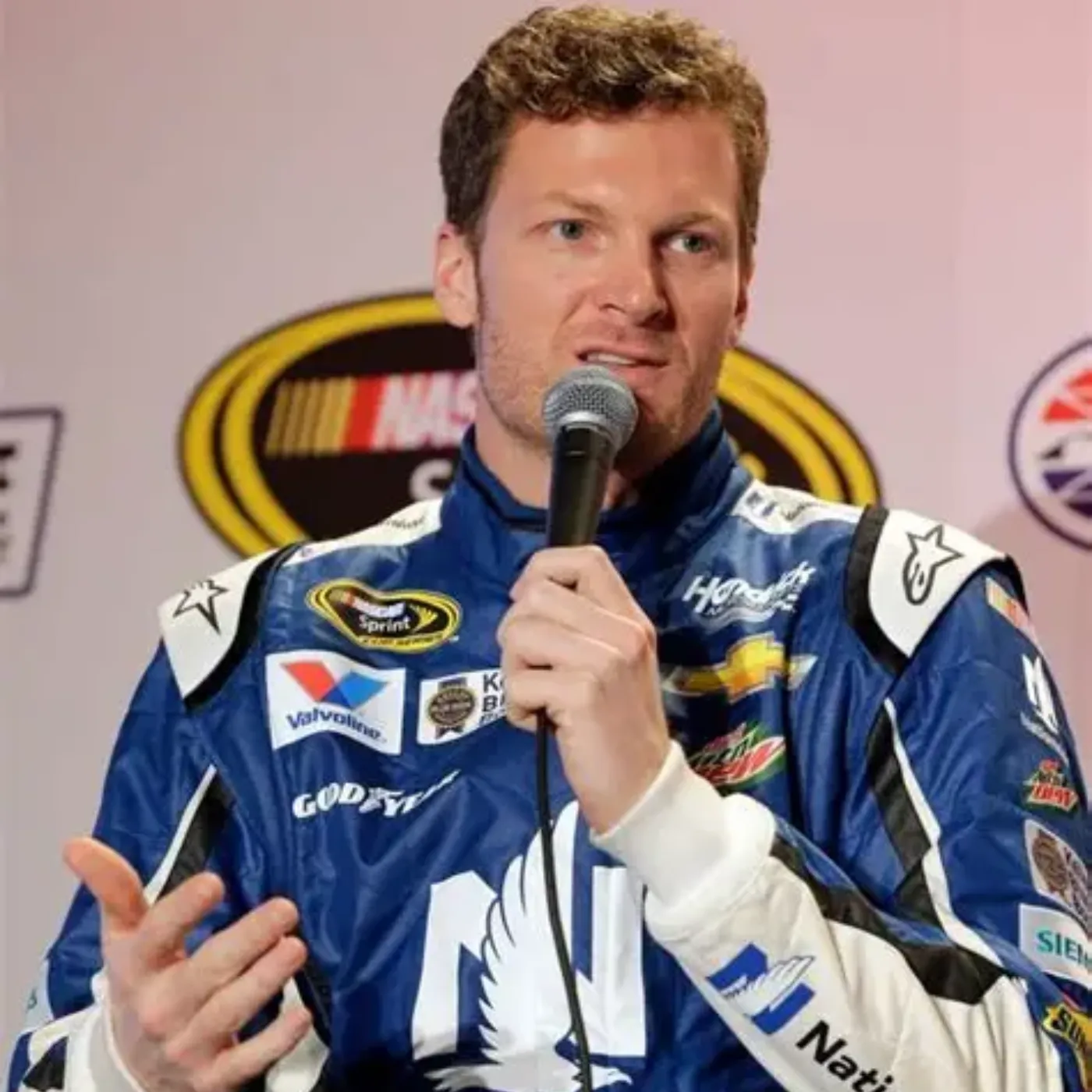
“The car almost killed us,” he said. “But maybe, in a strange way, it also saved us—because it showed NASCAR how close we could come to losing everything.”
The Dark Truth Revealed
In the end, Dale Earnhardt Jr.’s revelation is more than just a confession about a bad car—it is a warning. It reminds us how fragile even the most powerful traditions can be. One wrong turn, one misguided decision, and an empire can crumble.
The dark truth is that NASCAR came closer to destruction than most fans will ever know. And it took the honesty of its most beloved driver to finally say it out loud.
For fans, it’s a sobering reminder: the roar of the engines, the thrill of the race, the bond between driver and crowd—none of it can be taken for granted.
As Dale Jr. himself said, “We almost lost it all once. If we don’t learn from that, we might not be so lucky the next time.”