







How Oleksandr Usyk Expanded into the Arabian Boxing Scene
Boxing has always been a sport of global fascination, but in recent years, its center of gravity has begun to shift. Once dominated by the United States and Europe, the sport of heavyweight boxing is now witnessing a new capital emerge—Saudi Arabia. In this transformation, one name stands tall: Oleksandr Usyk, the Ukrainian master technician who has redefined the heavyweight division. Usyk’s journey into the Arabian boxing stage is not just about sporting triumph; it represents a cultural and economic revolution in how boxing is promoted, consumed, and celebrated worldwide.
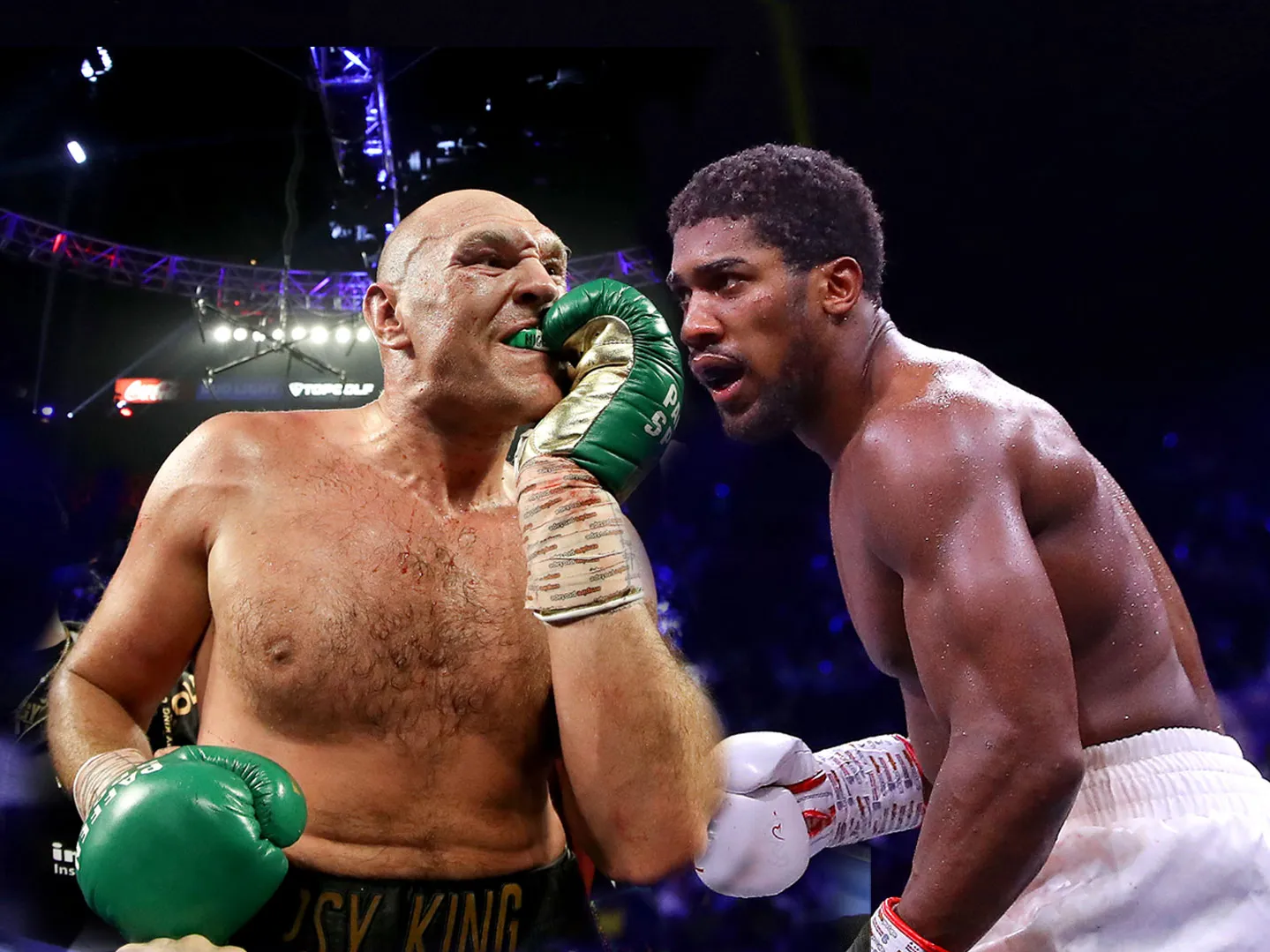
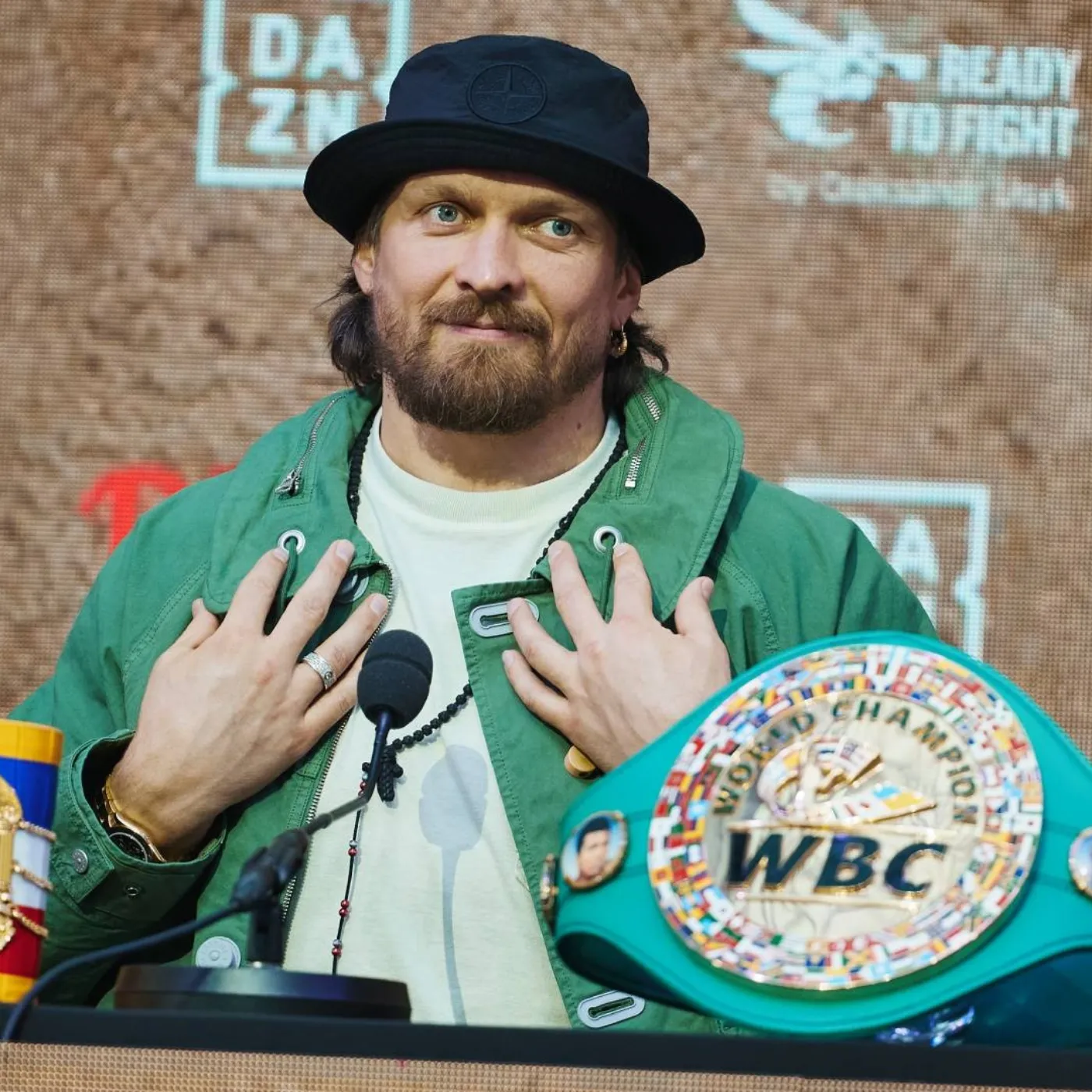
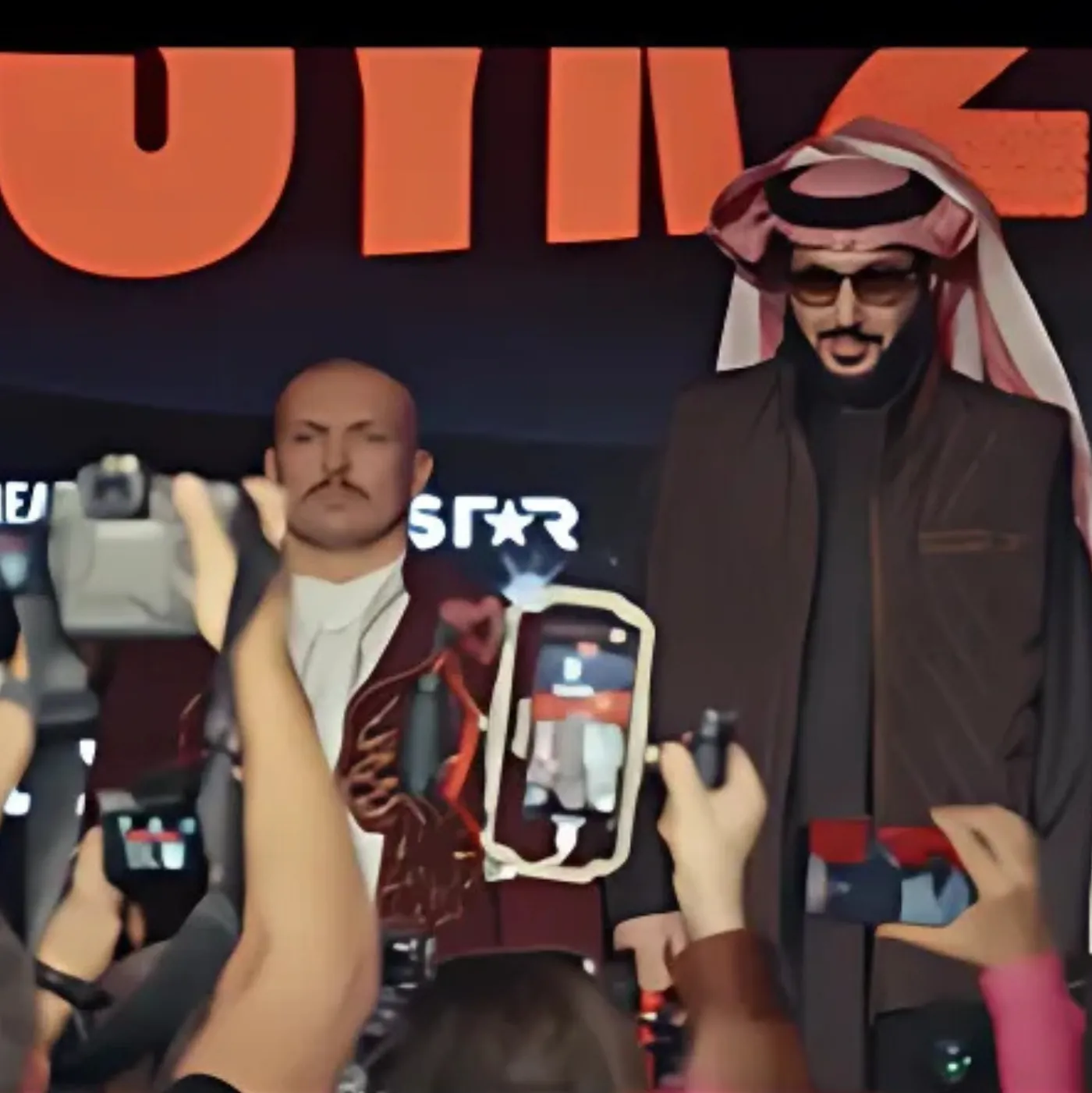
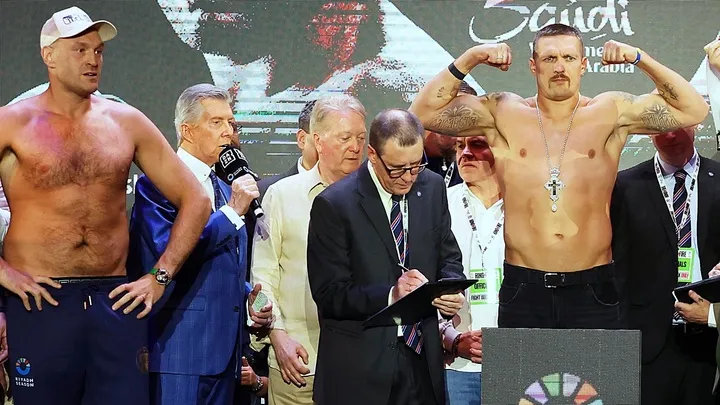
The image from the press conference of Usyk vs Fury 2, showing Usyk on the left, Tyson Fury on the right, and a Saudi representative in traditional attire at the center, is more than just a promotional snapshot. It is a moment that encapsulates the global nature of modern boxing: East meeting West, tradition merging with spectacle, and the past colliding with the future.
This article will explore how Usyk’s career evolved to intersect with the Arabian boxing boom, what it means for the sport globally, and why Saudi Arabia has become the new epicenter of heavyweight glory.
Oleksandr Usyk: From Ukraine to the World Stage
Early Career and Rise through the Ranks
Oleksandr Usyk was born in Simferopol, Ukraine, in 1987. He first emerged as a phenomenal amateur boxer, winning an Olympic gold medal in London 2012. His unique style—blending agility, southpaw precision, and extraordinary ring IQ—set him apart from traditional heavyweights, who often relied on brute strength over technique.
After turning professional in 2013, Usyk quickly dominated the cruiserweight division. By 2018, he had become the undisputed cruiserweight champion, unifying all four major belts—a feat achieved by very few boxers in history.
Moving to Heavyweight
Usyk’s decision to step into the heavyweight division was met with skepticism. Many doubted whether a cruiserweight could stand against giants like Anthony Joshua, Deontay Wilder, or Tyson Fury. But Usyk silenced critics in 2021 when he outboxed Anthony Joshua in London, seizing the WBA, IBF, WBO, and IBO heavyweight titles.
The win did not just crown him as a world champion—it established Usyk as a global star, paving the way for his participation in mega-events hosted in Saudi Arabia.
Saudi Arabia: The New Capital of Boxing
Why Saudi Arabia?
In the past decade, Saudi Arabia has invested heavily in global sports as part of its Vision 2030 initiative. Boxing became a key target due to its mass appeal and international prestige. Hosting high-profile fights allows Saudi Arabia to project itself as a global hub for entertainment and athletic excellence.
Key Boxing Events in the Kingdom
-
2019: Andy Ruiz Jr. vs Anthony Joshua II in Diriyah—the “Clash on the Dunes.”
-
2021–2022: A series of major undercards and heavyweight showcases, including Usyk’s rise.
-
2023–2024: The Fury vs Ngannou crossover bout and the buildup to Fury vs Usyk.
Saudi Arabia has become a place where boxing history is rewritten, thanks to financial power, lavish arenas, and global media coverage.
The Rivalry: Usyk vs Fury
Two Giants, Two Styles
The heavyweight division thrives on rivalries, and no rivalry today is bigger than Usyk vs Tyson Fury.
-
Usyk: Technique, agility, strategy. He represents discipline, mastery, and the “thinking man’s boxer.”
-
Fury: Size, charisma, unpredictability. Standing at 6’9” with unmatched reach, Fury represents brute force, entertainment, and personality.
Their clash is more than a sporting contest; it is symbolic of two philosophies of boxing colliding.
First Fight and the Demand for a Rematch
Their first showdown captured the imagination of millions. The split in fan bases—those who admired Usyk’s methodical brilliance and those who cheered for Fury’s flamboyant dominance—made a rematch inevitable.
Thus came Usyk vs Fury 2, scheduled under the bright lights of Saudi Arabia, cementing the Kingdom’s status as the home of modern heavyweight blockbusters.
The Press Conference: A Symbolic Moment
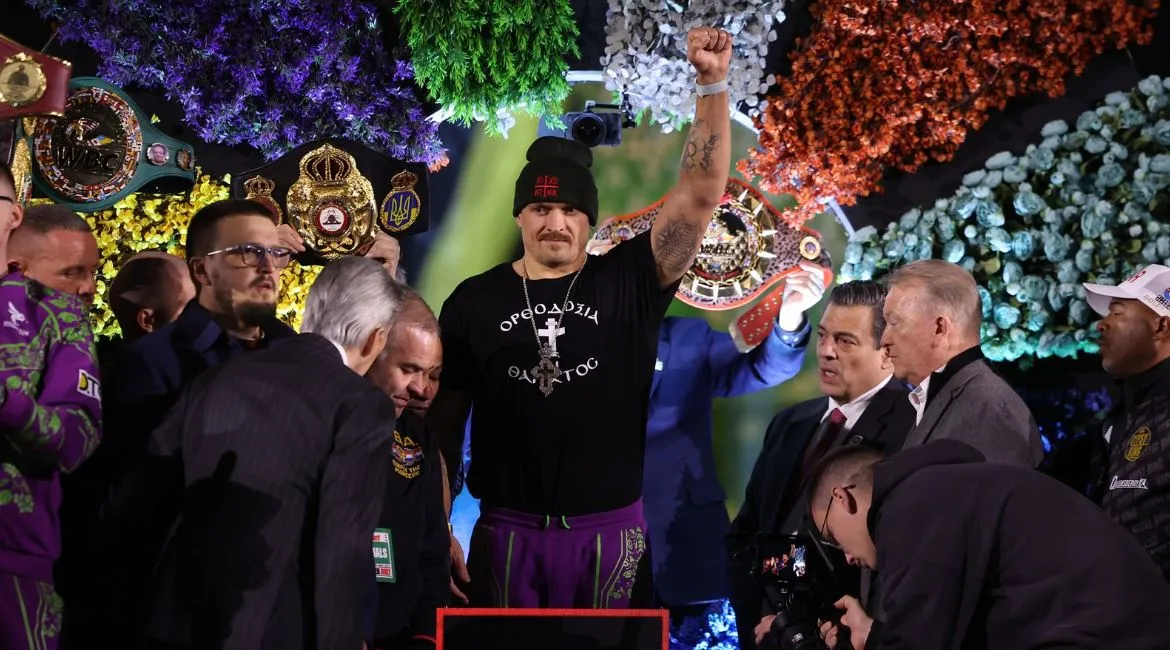
The promotional event for Usyk vs Fury 2 was not just about hyping a fight—it was a carefully staged media spectacle.
-
At the center: A Saudi figure in traditional attire, representing the Kingdom’s growing influence in global sports.
-
To the left: Oleksandr Usyk, calm, calculating, focused.
-
To the right: Tyson Fury, flamboyant, towering, larger-than-life.
This image symbolizes the three forces shaping modern boxing:
-
The fighter’s craft (Usyk).
-
The fighter’s charisma (Fury).
-
The host nation’s ambition (Saudi Arabia).
The Documentary: Watch The Throne: Usyk vs Fury 2
DAZN’s documentary series, Watch The Throne, goes beyond the punches and scorecards. It highlights the emotions, cultural significance, and historic backdrop of the Usyk–Fury rivalry.
The documentary emphasizes that this is more than a fight—it is a cultural phenomenon. It shows how Saudi Arabia’s boxing events have become global spectacles, attracting celebrities, investors, and fans from all over the world.
Symbolism of the Clash
Technique vs Power
Usyk embodies the art of boxing: movement, angles, patience. Fury embodies the force of boxing: size, aggression, and unpredictability. Their clash represents the eternal question: does skill overcome size, or does raw power dominate all?
East vs West
Usyk, hailing from Eastern Europe, carries the tradition of Soviet-school boxing—disciplined, methodical, precise. Fury, from the UK, carries the legacy of Western showmanship—flamboyant entrances, trash talk, and psychological warfare.
Tradition vs Modernity
With Saudi Arabia as host, the fight also symbolizes the marriage of tradition and modern entertainment. The Kingdom’s rich cultural heritage is showcased alongside cutting-edge sporting spectacle.
The Cultural and Economic Impact
Boxing as a Tool of Soft Power
For Saudi Arabia, hosting fights like Usyk vs Fury 2 is about more than sports. It is about building cultural bridges, attracting tourism, and asserting itself on the global stage.
Usyk’s Role in This Expansion
By fighting in Saudi Arabia, Usyk has become part of this larger narrative. He is not only representing himself but also playing a role in how the Kingdom projects itself internationally.
A New Audience for Boxing
The presence of these mega-events introduces boxing to new fans in the Middle East. Children and young athletes in Saudi Arabia are now exposed to icons like Usyk, inspiring the next generation of fighters.
The Future of Heavyweight Boxing in Arabia
Saudi Arabia is not slowing down. With infrastructure, funding, and global attention, it is set to host more legendary bouts. The Kingdom could soon rival Las Vegas and London as the ultimate stage for championship fights.
Usyk’s participation ensures that he will forever be linked to this new chapter in boxing history. Win or lose, his role in expanding boxing into Arabia cements his legacy beyond the ring.
Conclusion: Usyk as a Bridge Between Worlds
Oleksandr Usyk’s journey from Ukraine to Saudi Arabia is a story of adaptation, ambition, and global transformation. His clashes with Tyson Fury are not just about titles—they are about symbolism, cultural resonance, and the globalization of sport.
The press conference image of Usyk, Fury, and the Saudi representative encapsulates this perfectly: three figures, three roles, one moment in history.
As Saudi Arabia rises as the new capital of boxing, Usyk’s career shows us how a fighter can become more than a champion. He has become a bridge—between East and West, tradition and modernity, past and future.
The world will watch not only who wins inside the ring but also how these events shape the future of global boxing.
Related News