Tom Brady’s Powerful Message to Parents and Coaches Is Shaking Up College Football’s NIL Era
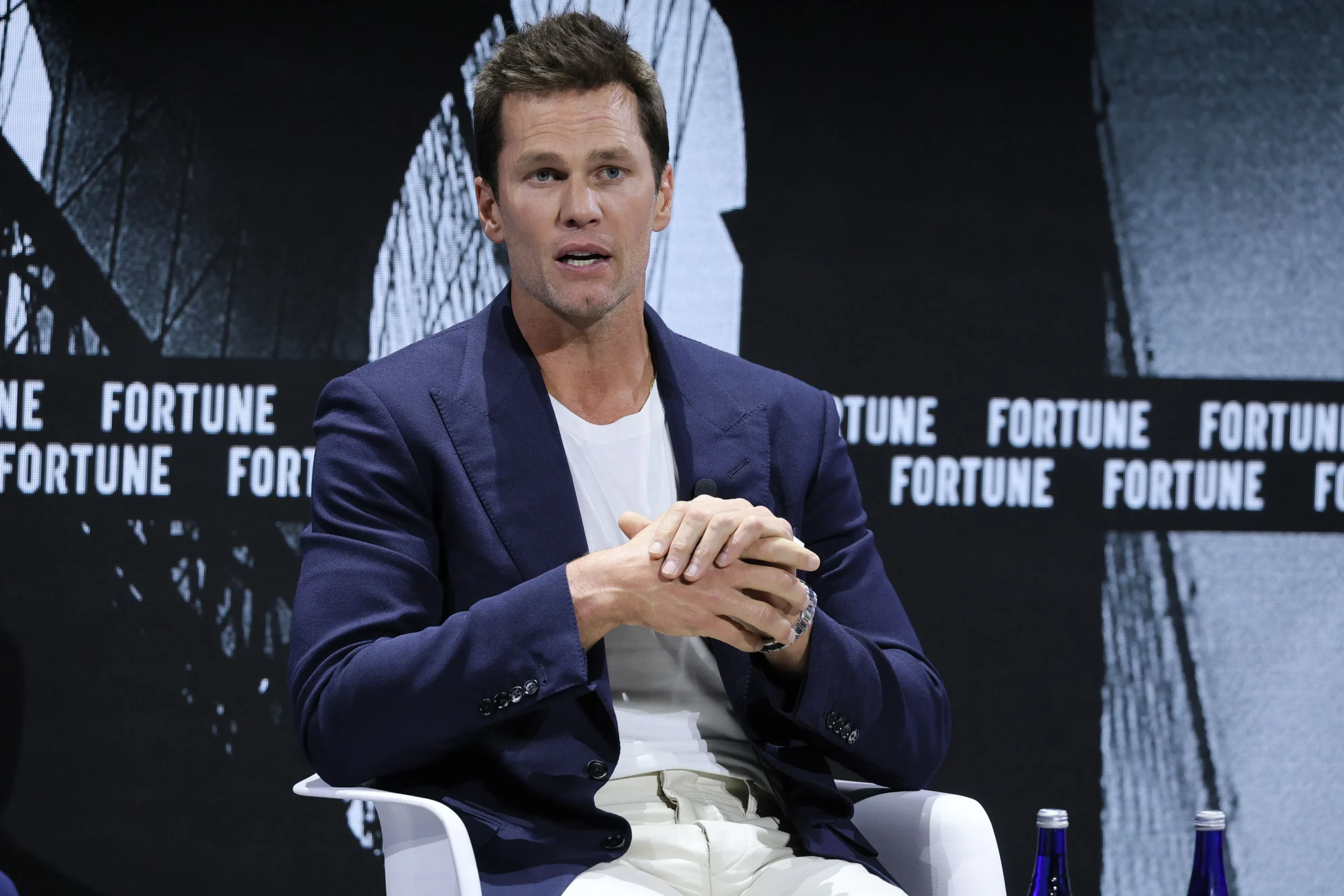
In the constantly evolving landscape of college athletics, few figures have the influence and credibility to make the entire sports world pause and reflect. Tom Brady, the legendary NFL quarterback with seven Super Bowl championships to his name, is one of those rare voices. Recently, Brady delivered a heartfelt and thought-provoking message aimed directly at parents and coaches who guide young athletes, and it has sent ripples through the college football community. His remarks come at a time when the Name, Image, and Likeness (NIL) era is reshaping the way college sports operate, presenting unprecedented opportunities — and challenges — for the next generation of athletes.
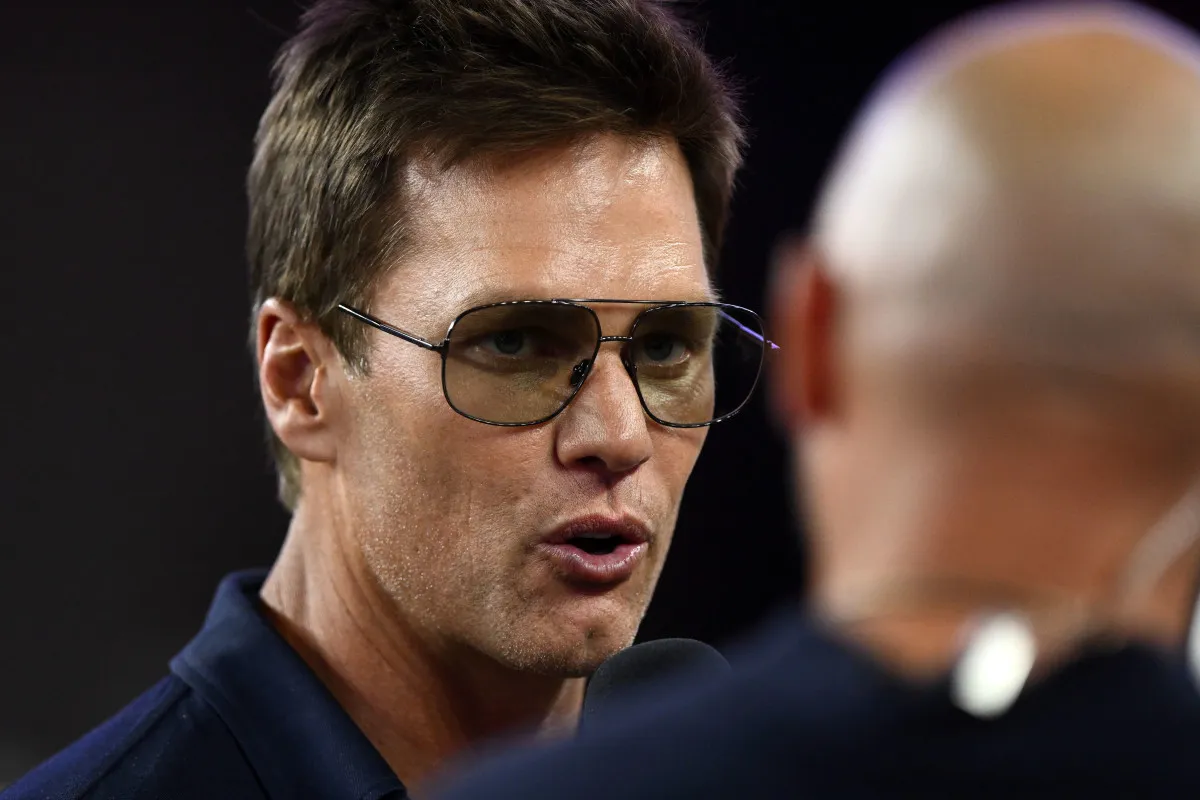
Brady’s speech was not about glorifying fame or chasing massive endorsement deals. Instead, it was about grounding young athletes in values, discipline, and personal growth. In a culture that is increasingly driven by instant gratification and financial incentives, his reminder to focus on the fundamentals of teamwork and character struck a nerve.
The NIL Era: Opportunity and Pressure
The NIL era in college sports has opened doors for athletes to profit from their personal brand while still in school. For many, this means securing sponsorships, endorsement deals, and social media partnerships worth hundreds of thousands — even millions — of dollars before ever stepping onto a professional field. This shift has transformed the college experience, turning some student-athletes into full-fledged entrepreneurs.
However, along with this new wave of opportunity comes significant pressure. For young players barely out of high school, managing sudden financial windfalls can be overwhelming. Many are expected to balance their academic responsibilities, athletic performance, and the demands of brand partnerships. Brady pointed out that while these opportunities are unprecedented, they also have the potential to distract athletes from the very qualities that will sustain long-term success.
His advice to parents and coaches was clear: the focus must remain on developing the person first, and the athlete second. “You have to ask yourself — are we raising kids who love the game, or kids who love what the game gives them?” Brady’s question resonated deeply in locker rooms and living rooms across the country.
Why Brady’s Words Hit Home
As someone who entered the NFL as a sixth-round draft pick and went on to become the most decorated quarterback in league history, Brady understands better than most that success isn’t always tied to early recognition or material gain. His journey was built on resilience, relentless work ethic, and the ability to perform under pressure — qualities that are timeless in sports, regardless of the era.
In his speech, Brady emphasized that humility and self-awareness are essential for sustained achievement. He noted that the NIL era can sometimes create a false sense of arrival — young athletes might feel they’ve “made it” before they’ve truly earned their place. For Brady, the antidote is simple but not easy: discipline and a relentless focus on growth.
This is where parents and coaches come in. Brady urged them to resist the temptation to shield young athletes from adversity. Instead, he encouraged them to embrace moments of struggle as essential building blocks of character. “If everything is easy, you’re not preparing them for the moments that matter most,” he said. This philosophy is in stark contrast to the often overprotective and performance-driven environments that dominate modern youth sports.
The NIL Era’s Cultural Shift
College football has always been more than just a game — it’s a cultural phenomenon with deep roots in American identity. But the NIL era has introduced a new layer of complexity. The line between amateur and professional athletics is blurring faster than ever, and the impact is being felt at every level of the sport.
Brady acknowledged the positives: NIL rights allow athletes to support their families, invest in their futures, and benefit from their hard work in ways that were impossible just a few years ago. For many athletes from disadvantaged backgrounds, these opportunities can be life-changing. However, he also warned of the dangers of short-term thinking and external validation.
“Money and attention will fade if the work stops,” Brady reminded his audience. His words serve as a sobering reality check for a generation of athletes who may be navigating contracts, sponsorship obligations, and social media fame before they’ve even fully matured as individuals.
The Role of Mentorship in the NIL Era
One of the key themes in Brady’s message was the importance of mentorship. He called on experienced coaches, former players, and community leaders to step up and provide guidance to young athletes. While NIL deals can offer financial literacy programs and branding workshops, nothing replaces the steady influence of a trusted mentor who can help an athlete navigate personal and professional challenges.
Brady himself is a product of strong mentorship. From his days under Bill Belichick with the New England Patriots to his leadership role with the Tampa Bay Buccaneers, he has seen firsthand how guidance and accountability can shape a career. He encouraged parents and coaches to view their role not just as instructors, but as life coaches who prepare athletes for the mental and emotional rigors of competitive sports.
In the NIL era, mentorship also means helping athletes separate their self-worth from their market value. “You are more than your followers, more than your endorsement checks, and more than your highlight reels,” Brady told the audience. This message — though simple — is a powerful antidote to the pressures of the modern sports economy.
Balancing Dreams and Reality
One of the most poignant parts of Brady’s address came when he spoke about the fleeting nature of athletic careers. Even for the most talented players, time on the field is limited. Injuries, competition, and the natural aging process can bring a career to an abrupt end. For Brady, preparing athletes for life beyond the game is as important as preparing them for success on it.
He urged parents to encourage their children to pursue education, develop skills outside of sports, and maintain relationships that aren’t tied to athletic success. Likewise, he advised coaches to help athletes build resilience and adaptability, so that they can transition smoothly when the spotlight dims.
This dual focus on athletic and personal development is particularly critical in the NIL era, where the temptation to chase immediate financial gain can overshadow long-term planning. Brady’s call for balance — between ambition and stability, fame and fulfillment — resonated as both timeless and urgently relevant.
The Broader Impact on College Football
The reaction to Brady’s message has been significant. Within days, his comments were being discussed by analysts on major sports networks, debated in college football forums, and shared widely on social media. Many coaches praised his emphasis on character and work ethic, noting that these traits are often overshadowed in the current climate.
Some critics argued that Brady’s perspective may not fully capture the financial realities faced by many student-athletes, especially those from underprivileged backgrounds. However, even among those who disagreed with certain aspects of his message, there was broad acknowledgment that his core points — about discipline, humility, and personal growth — are universally applicable.
For college football programs, Brady’s message is a reminder that developing athletes for the professional level is not just about physical training. It’s about cultivating leaders, thinkers, and resilient human beings who can thrive under pressure, adapt to change, and contribute positively to their communities.
Looking Ahead
The NIL era is still in its infancy, and its long-term effects on college football remain to be seen. There will be success stories and cautionary tales, athletes who use their opportunities wisely and others who get lost in the hype. What is certain, however, is that voices like Tom Brady’s will continue to play a vital role in shaping the conversation.
His reminder that values and character outlast contracts and endorsements is a message that transcends sports. For parents and coaches, it’s a challenge to refocus on what truly matters. For athletes, it’s an invitation to build something deeper and more lasting than fame.
In an era where college football is as much about branding as it is about the game itself, Brady’s words cut through the noise. They are a call to remember that while NIL deals may define the moment, it is the lessons of discipline, humility, and perseverance that will define a lifetime.
Related News