






Jake Paul Accuses Boxing Organization of Fraud: What’s the Truth Behind the $300,000 Controversy?
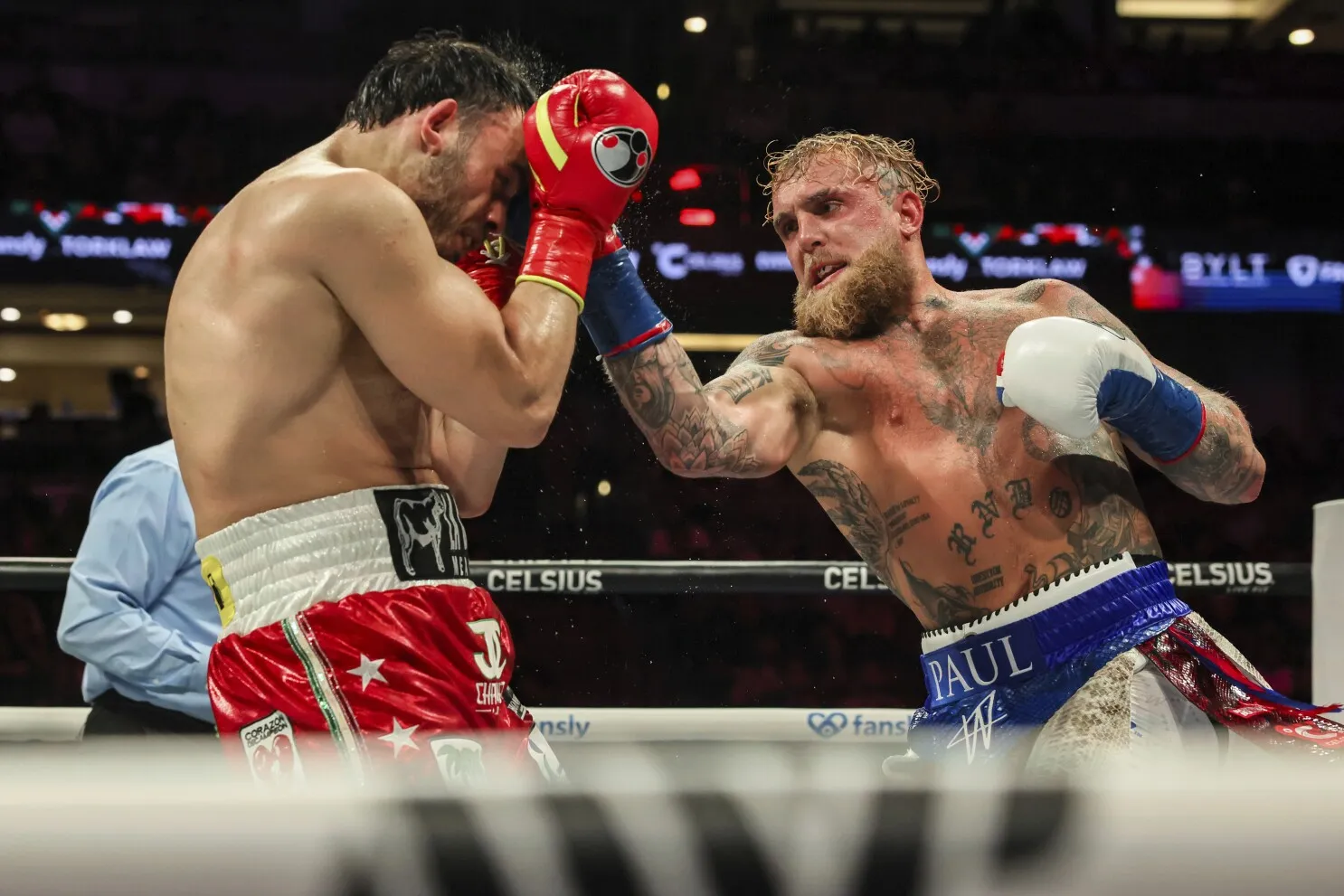
Jake Paul has never been a stranger to controversy. From YouTube stardom to headlining boxing cards, he’s made headlines at every turn. But recently, the spotlight has shifted to something even more contentious: money. Specifically, Paul has raised serious concerns that he was underpaid for his June 29th bout against Julio César Chávez Jr. at the Honda Center in Anaheim, California. While official reports from the California State Athletic Commission (CSAC) stated he earned just $300,000, many—including Paul himself—are questioning whether that amount truly reflects his value and contributions to the event.
This article dives deep into the drama, the numbers, and the broader implications for boxing, exploring whether Jake Paul has a point—or whether this is just another media storm fueled by sensationalism.
The Numbers Don’t Add Up: Why Was Jake Paul Paid Less Than Chavez Jr.?
According to the CSAC, the official fight purses were:
-
Jake Paul: $300,000
-
Julio César Chávez Jr.: $750,000
At face value, this seems absurd. Jake Paul, arguably the biggest draw of the night, received less than half of what Chávez Jr. was paid. Given that Paul’s name was central to all marketing materials, PPV promotions, and media hype, this raised immediate red flags.
So why did Paul receive such a low disclosed purse?
The Real Value of a Star: Jake Paul as the PPV Magnet
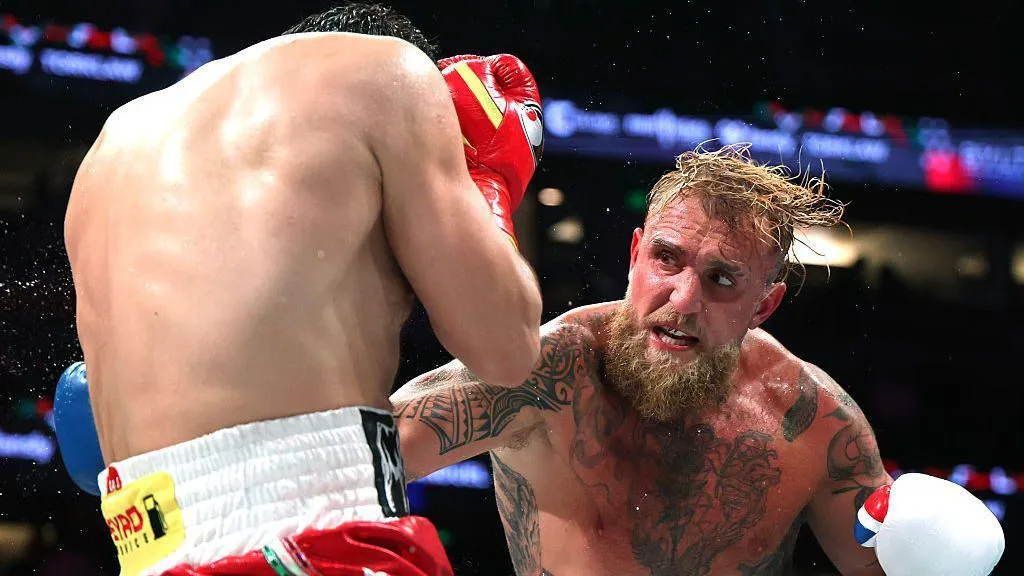
Jake Paul has built a reputation as a PPV powerhouse. His previous bouts, especially against Tyron Woodley, Tommy Fury, and even Mike Tyson (later canceled), brought in massive viewership. It’s well understood that boxing revenue is no longer just about ticket sales—it’s about digital presence, social media impact, and how many people buy the fight.
In this regard, Jake Paul is unmatched in modern celebrity boxing. From YouTube teasers to Instagram callouts, he draws millions of eyeballs to any card he’s on.
Yet, the CSAC figure of $300,000 doesn’t even begin to scratch the surface of Paul’s actual commercial worth.
Beyond the Payout Slip: The Mystery of Hidden Revenues
To be fair, the $300,000 was only Paul’s guaranteed purse, not including performance bonuses, PPV revenue splits, or backend deals. Industry insiders estimate that Paul’s true income from the Chávez Jr. fight could be in the tens of millions of dollars.
“That purse figure doesn’t include pay-per-view, sponsorship deals, and other commercial bonuses. Jake likely made way more,” — Sports marketing analyst, FightScene.com
However, Paul alleges that the promotional entities involved withheld parts of his earnings or failed to deliver on agreed-upon backend payments.
If true, this could signal a much deeper issue: a lack of transparency in boxing contracts, even for its most visible stars.
Disparities on the Fight Card: Ramirez Earns 5X More
Another talking point? Jake Paul wasn’t even the highest-paid fighter on the card. That title went to Gilberto Ramirez, who pocketed a whopping $1.5 million for his bout against Yuniel Dorticos.
In comparison:
-
Paul: $300,000 (guaranteed)
-
Ramirez: $1,500,000 (guaranteed)
-
Chavez Jr.: $750,000 (guaranteed)
This led many fans and critics to question: Is Jake Paul being disrespected or strategically downplaying his earnings for tax/legal reasons?
Global Reactions: What International Media is Saying
CSAC Confirms Official Payouts
The California State Athletic Commission stood by its disclosed numbers. The Paul camp, however, insists that much was left out—especially promised percentages from PPV buys and event merchandise.
Historical Earnings Disparity
Compared to his prior earnings, Paul’s Chávez Jr. payout is minuscule. For example, in the now-canceled Tyson bout, he was projected to earn $30–$40 million. That makes this a >100x drop in guaranteed pay.
Cumulative Wealth from Boxing
According to Bloody Elbow, Jake Paul has earned over $61 million from boxing alone—not bad for someone who transitioned from social media into the ring. This track record adds weight to his complaints that the most recent fight was handled unfairly.
Disproportionate Risk vs. Reward
Jake Paul entered the fight with massive promotional responsibility—and risk to his brand. Yet his disclosed pay suggests a fundamental mismatch between responsibility and compensation.
A Breakdown of the Controversy
| Aspect | Details |
|---|---|
| Guaranteed Purse | Paul: $300K; Chavez Jr.: $750K |
| Real Income Estimate | Paul: $10–15M (including PPV) |
| Ramirez’s Purse | $1.5M — Highest of the night |
| Historical Context | Tyson bout would’ve paid Paul $30M+ |
| Total Boxing Earnings | $61M+ as per Bloody Elbow |
| Key Issue Raised | Alleged underpayment / contractual dishonesty |
| Broader Concern | Lack of transparency in modern boxing pay structures |
A Question of Fairness: Is Boxing Exploiting Its Stars?
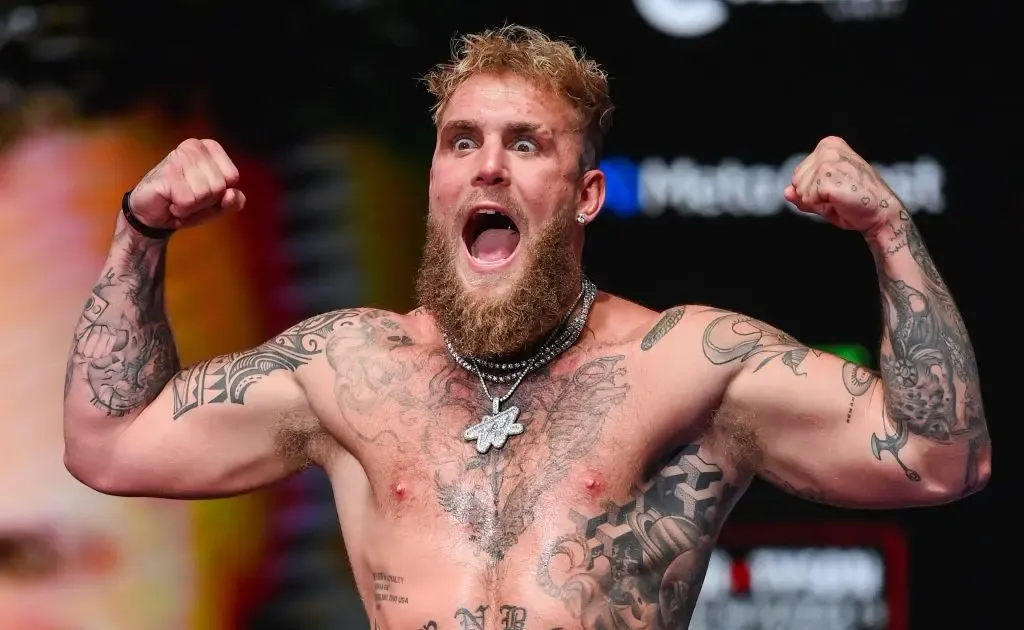
Paul’s claims tap into a broader concern within the sport. Fighters often find themselves caught between opaque contracts, elusive promoters, and inconsistent governing bodies. While legends like Floyd Mayweather have mastered the business of boxing, most fighters—even famous ones—struggle to control their own revenue.
“If Jake Paul, with all his fame, can’t secure transparent earnings, what hope is there for rising fighters?” — Anonymous boxing promoter
This issue is not isolated. Boxing has long been criticized for vague contract terms, backdoor PPV splits, and selective reporting of athlete payouts.
Media vs. Reality: Is Jake Paul Crying Wolf?
Critics argue Paul is overstating his victimhood to stir more media attention, while others believe this is a genuine exposé of deeper industry flaws.
Some theories include:
-
Marketing Stunt: Raising the issue to boost his future negotiating power.
-
Tax Strategy: Keeping official purses low to reduce tax liabilities.
-
Contractual Gag Orders: Unable to reveal full earnings due to NDAs.
But regardless of motivation, the controversy has ignited a necessary discussion about financial ethics in professional boxing.
Will This Spark Reform?
Jake Paul’s allegations against boxing promoters may sound like another publicity stunt, but they’ve shed light on a systemic issue that affects fighters across the board. From underpaid rookies to global stars, the sport continues to grapple with unbalanced pay structures, lack of transparency, and exploitative contracts.
Whether Paul’s claims are fully valid or not, one thing is clear: Boxing needs reform.
As more athletes speak out—and fans demand accountability—perhaps this controversy will mark the beginning of a new era in boxing, where transparency and fairness aren’t optional—they’re standard.
Related News