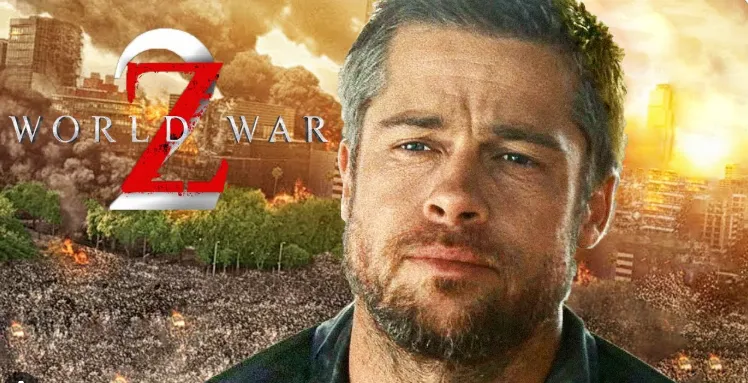
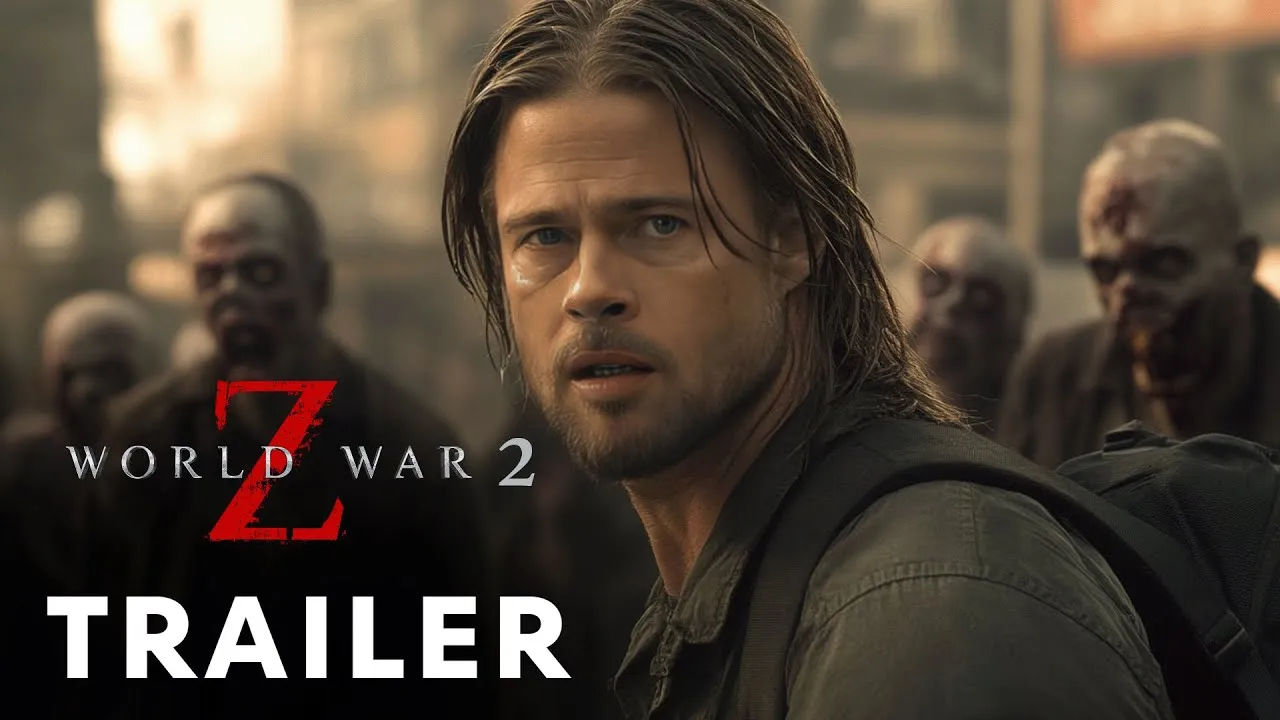
Brad Pitt and the World War Z II Project That Has the Film Industry on Edge
🎗135
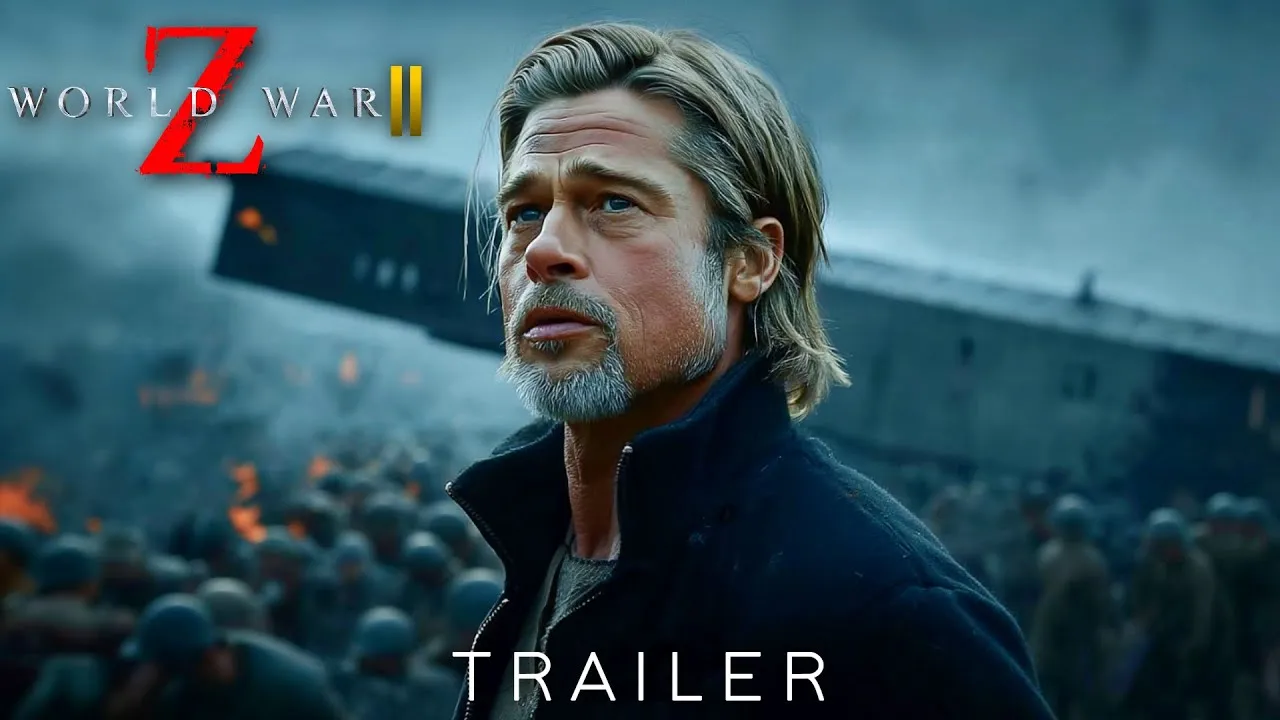
Brad Pitt, one of Hollywood’s most bankable and versatile actors, has once again captured the attention of the global film industry — but this time, it’s not for an Oscar-worthy drama or a quirky indie project. The long-discussed World War Z II has resurfaced, and according to multiple industry insiders, it’s moving toward actual production. This sequel to the 2013 zombie action blockbuster has been plagued with delays, budget concerns, and creative disagreements for nearly a decade, but recent developments have reignited hopes — and fears — across Hollywood.
A Sequel Nearly a Decade in the Making
When the first World War Z debuted in 2013, it exceeded expectations both critically and commercially. Despite a notoriously troubled production — including extensive reshoots, shifting directors, and a ballooning budget — the film grossed over $540 million worldwide, making it one of the highest-earning zombie movies ever. Pitt’s performance as Gerry Lane, a former United Nations investigator racing against time to stop a zombie pandemic, drew praise for its grounded humanity amidst large-scale chaos.
Naturally, Paramount Pictures quickly greenlit a sequel, with Pitt’s production company, Plan B Entertainment, leading the charge. However, over the years, World War Z II became a symbol of Hollywood’s “development hell.” First, scheduling conflicts and script rewrites delayed the project. Then, the departure of director J.A. Bayona in 2017, followed by high-profile interest from David Fincher — which later collapsed due to budget disputes — left the sequel’s fate uncertain.
Now, reports suggest that the project is back on the fast track, with Brad Pitt personally committed to seeing it through. Sources indicate that negotiations are underway to lock in a director, with a revised screenplay said to blend the globe-trotting urgency of the original with deeper character arcs and an even more intense depiction of the zombie threat.
Why the Industry Is Nervous
While excitement among fans is palpable, the film industry itself has mixed feelings. There are three main reasons Hollywood is keeping a watchful — and slightly anxious — eye on World War Z II.
Massive Budget Risks – The original film’s budget reportedly exceeded $190 million, and the sequel, with updated visual effects demands and a larger scope, could cost even more. In an era when studios are more cautious about mega-budgets, especially after several recent big-budget flops, there’s fear that the financial gamble may outweigh the reward.
Changing Audience Tastes – Zombie films remain popular, but the genre’s saturation across television (The Walking Dead, All of Us Are Dead, The Last of Us) means World War Z II must work harder to stand out. Industry analysts question whether audiences are ready for another large-scale zombie spectacle or if tastes have shifted toward more grounded, character-driven post-apocalyptic stories.
The Star-Driven Blockbuster Question – Brad Pitt’s star power remains strong, but the modern box office has shown that even major A-list names can’t always guarantee success. The industry is watching closely to see if his involvement still translates into the kind of global draw it did a decade ago.
Pitt’s Determination and Creative Vision
One factor working in the sequel’s favor is Brad Pitt’s deep personal investment in the project. Insiders reveal that Pitt has been directly involved in developing the new script, ensuring it captures the global tension and breakneck pacing that made the first film such a hit. He reportedly wants the sequel to raise the stakes, with more intense human drama layered over the apocalyptic action.
While David Fincher is no longer officially attached, there’s speculation that the creative tone he envisioned — a more strategic, psychological take on zombie warfare rather than just large-scale chaos — will remain in the new direction. Pitt has also emphasized his desire for realistic action sequences, combining practical effects with cutting-edge CGI to immerse audiences in the film’s world.
Global Setting and Story Possibilities
Though the plot is being kept tightly under wraps, leaks suggest that World War Z II will revisit multiple continents, picking up from the first film’s ending where humanity had found temporary ways to survive but not eradicate the zombie virus. The sequel is rumored to introduce new global leaders, underground survival colonies, and a more evolved form of the infected — faster, more coordinated, and deadlier than before.
Industry buzz also points to the possibility of the film exploring the origins of the outbreak, something the first movie largely avoided. By diving deeper into the cause and potential cure, the sequel could blend mystery-thriller elements with its high-octane survival action.
Industry Stakes Beyond the Film Itself
The release of World War Z II could have ripple effects beyond the zombie genre. If successful, it would validate the viability of late sequels — films that follow their predecessors after long gaps. It could also reaffirm Brad Pitt’s position as one of the few remaining Hollywood stars capable of anchoring a billion-dollar franchise.
Conversely, if the film underperforms, it could reinforce the industry’s growing caution toward large-scale blockbusters without proven built-in momentum. It might even influence how studios approach horror-action hybrids in the coming years, favoring streaming platforms over theatrical releases for expensive genre projects.
Fans’ High Expectations
Among moviegoers, the excitement is mixed with an undercurrent of skepticism. The first World War Z earned praise for its intense pacing, global scope, and unique take on zombie behavior, but some criticized its PG-13 rating for softening the horror. Fans have been vocal about wanting the sequel to embrace a more visceral, R-rated approach. Whether Paramount is willing to take that risk remains to be seen.
Social media buzz also shows a divide between those who want the sequel to follow Gerry Lane’s journey directly and those hoping for a new protagonist in the same world. Pitt’s return is almost certain, but the film may also introduce fresh leads to appeal to a younger demographic.
Final Thoughts
After years of uncertainty, World War Z II seems closer than ever to becoming a reality. For Brad Pitt, it’s not just another acting gig — it’s a passion project that has weathered Hollywood’s turbulent tides for nearly a decade. For the film industry, it’s a high-stakes experiment in blockbuster filmmaking during a time of shifting audience habits and increased financial scrutiny.
Whether it becomes another global hit or a cautionary tale about the dangers of oversized ambition, one thing is certain: the world will be watching when Pitt finally brings his vision of the zombie apocalypse back to the big screen.
If production officially begins within the next year, World War Z II could hit theaters as early as 2027, a full 14 years after the original. And in an industry that loves both comebacks and spectacle, that alone is enough to keep the film world on edge.