



Charles Oliveira’s Regret: Why His Rush to Return to the UFC May Haunt Him Forever
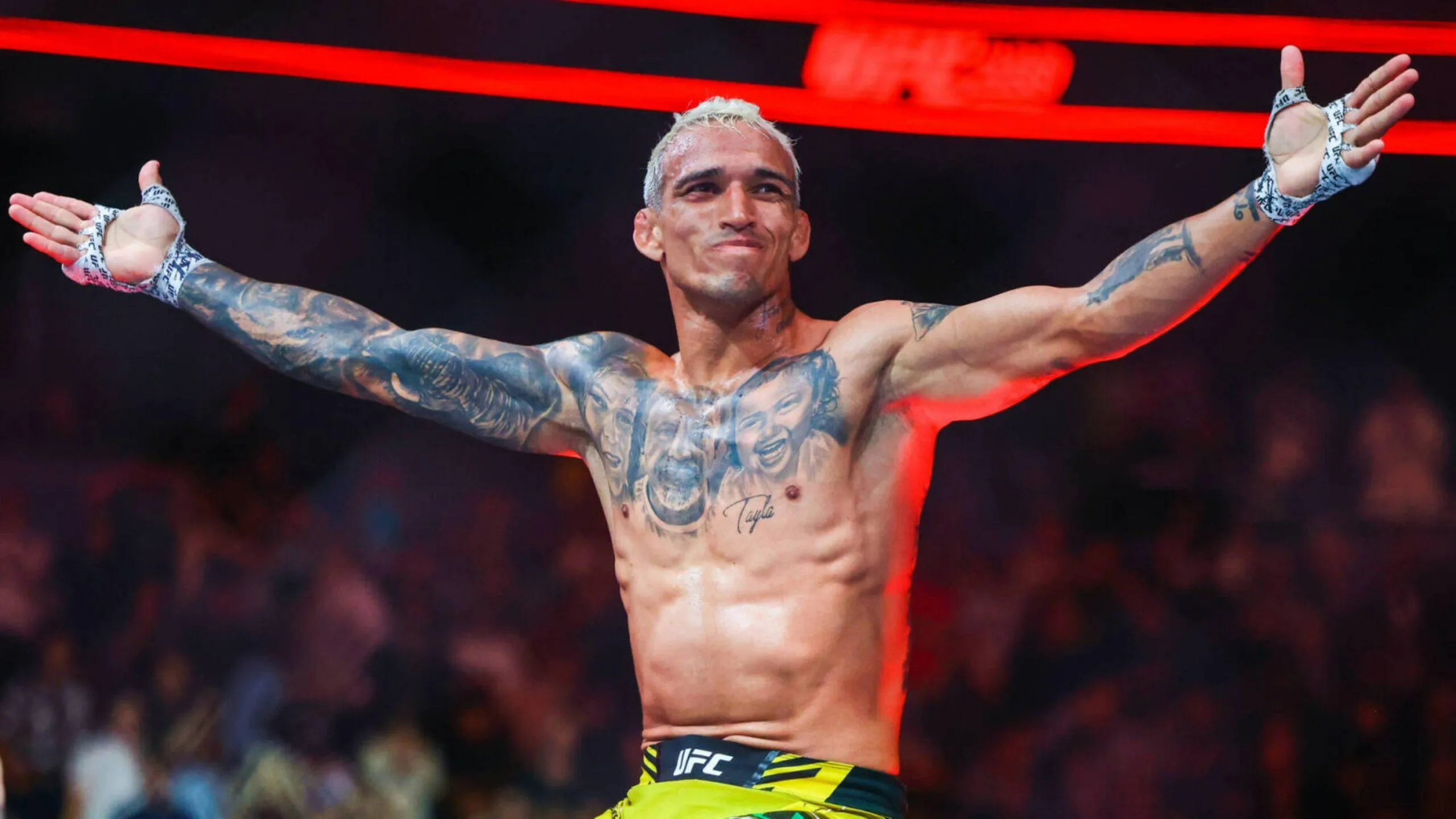
When UFC veteran Charles Oliveira announced his return to the octagon just months after a devastating knockout loss at UFC 317, fans were both shocked and concerned. The Brazilian fighter, known as “Do Bronx,” had been knocked out cold by rising star Ilia Topuria—marking the first time in 17 years that Oliveira had suffered a direct KO. Despite the heavy loss, he quickly committed to a comeback fight scheduled for October 11 against Rafael Fiziev at UFC Fight Night 261 in his home country, Brazil.
UFC 317: The Turning Point
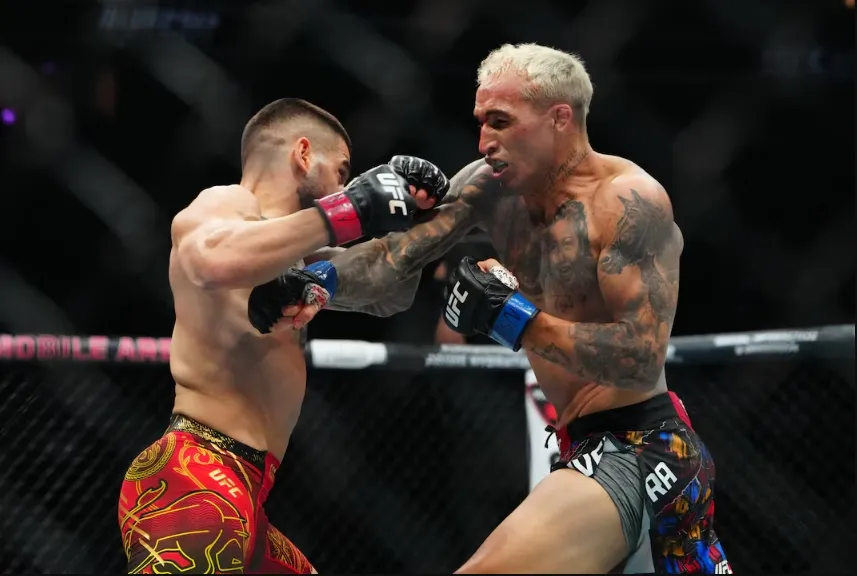
Charles Oliveira’s fight at UFC 317 was meant to be a return to glory. Instead, it became a brutal reminder of the sport’s unforgiving nature. Facing Ilia Topuria, a younger, faster, and more precise striker, Oliveira suffered a clean knockout. For a man who had previously only been submitted or lost by decision, this kind of defeat was both physically and psychologically shattering.
What made this more significant was not just the loss, but how quickly he decided to fight again.
The Quick Return: UFC Fight Night 261
Just over a month after UFC 317, Oliveira shocked the MMA world again by announcing his next bout against Rafael Fiziev. The match was set to take place in Brazil, marking Oliveira’s first fight on home soil in over 5 years.
At 36, Oliveira likely saw this as one of the final chances to fight in front of his native fans. The emotional pull of a Brazilian homecoming may have played a critical role in this decision. But for many, including fellow fighters and fans, the move was seen as too soon.
Fans and Fighters Raise Red Flags
Across social media and MMA podcasts, concerns were immediately raised:
-
Daniel Cormier, UFC Hall of Famer, noted the risk of returning too soon after a KO. “He’s been hurt a lot… this might not be a smart move.”
-
Comparisons were drawn to Alexander Volkanovski, who also returned too quickly after a KO and suffered again.
-
Renato Moicano, UFC fighter, said, “This is dangerous. Oliveira needs rest, not revenge.”
One fan on Reddit summarized the fear: “He’s trying to prove something when he should be protecting his legacy.”
Oliveira Responds: “A Wounded Lion Is Still a Lion”
Faced with growing criticism, Charles Oliveira took to media to defend his decision:
“I’ve never been knocked out before. That was the first time… I cried, I was angry, but I’m not done. A wounded lion is still a lion.”
This quote became viral. It was powerful, emotional, and inspiring. But it also masked deeper concerns:
-
Was he returning out of confidence? Or ego?
-
Was he ignoring medical advice?
-
Was he being pressured by the UFC or his team?
Psychological Pressure and the Athlete’s Dilemma
Oliveira is not just fighting opponents in the octagon; he’s battling time, public perception, and his own pride. At 36, most UFC fighters begin their decline. A brutal KO can take months to fully recover from—both mentally and neurologically.
Yet, Oliveira pushed forward. Why?
National Expectations
Returning to Brazil for a fight is a huge honor. It may have felt like a final opportunity to represent his homeland in front of a live crowd.
Proving He’s Still Elite
The narrative that “Oliveira is declining” gained traction after UFC 317. Agreeing to fight Fiziev—a dangerous, high-level striker—may have been his way of silencing doubters.
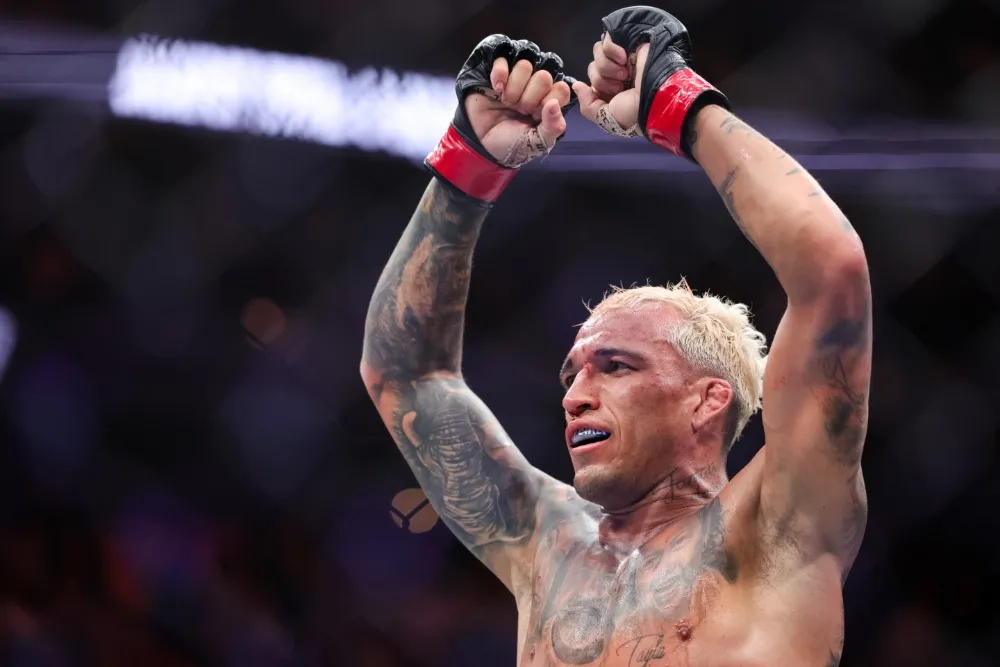
Personal Redemption
Fighters are wired differently. The desire to erase a painful memory with a triumphant comeback is strong. But when that comeback is rushed, the result can be tragic.
The Risk vs. Reward Equation
Advantages:
-
Emotional momentum from fighting at home
-
Potential redemption after a high-profile loss
-
If he wins, title contention talk could return
-
Fans will remember the bravery, not the defeat
Risks:
-
Physical readiness is questionable after a KO
-
Fiziev is not a tune-up opponent
-
Loss could accelerate decline and retirement talk
-
Could harm his long-term health
Has Regret Begun to Surface?
While Oliveira continues to project confidence, some of his recent interviews suggest moments of doubt.
“I was sad. I cried for days. But I had to move forward.”
“Maybe this wasn’t the right time, but it’s the only time I have.”
These aren’t just words of determination. They hint at a man conflicted, aware of the gamble he’s taking, but feeling trapped by circumstances.
Aging Fighters and the Curse of Legacy
The sport is full of aging legends who returned too soon:
-
BJ Penn
-
Chuck Liddell
-
Anderson Silva
All suffered unnecessary defeats trying to reclaim past glory. Oliveira, who has more submissions than any UFC fighter in history, risks joining that list if this comeback ends badly.
Is There a Better Path Forward?
Some experts argue that Oliveira should have taken 6 to 12 months off, focusing on recovery and training.
A fight in early 2026, with a full camp and medical clearance, would:
-
Ensure better physical preparation
-
Allow time for mental clarity
-
Give the fanbase time to crave his return
Instead, the October fight feels rushed. Emotional. Almost like a reaction, not a strategy.
Community Sentiment: A Mixed Bag
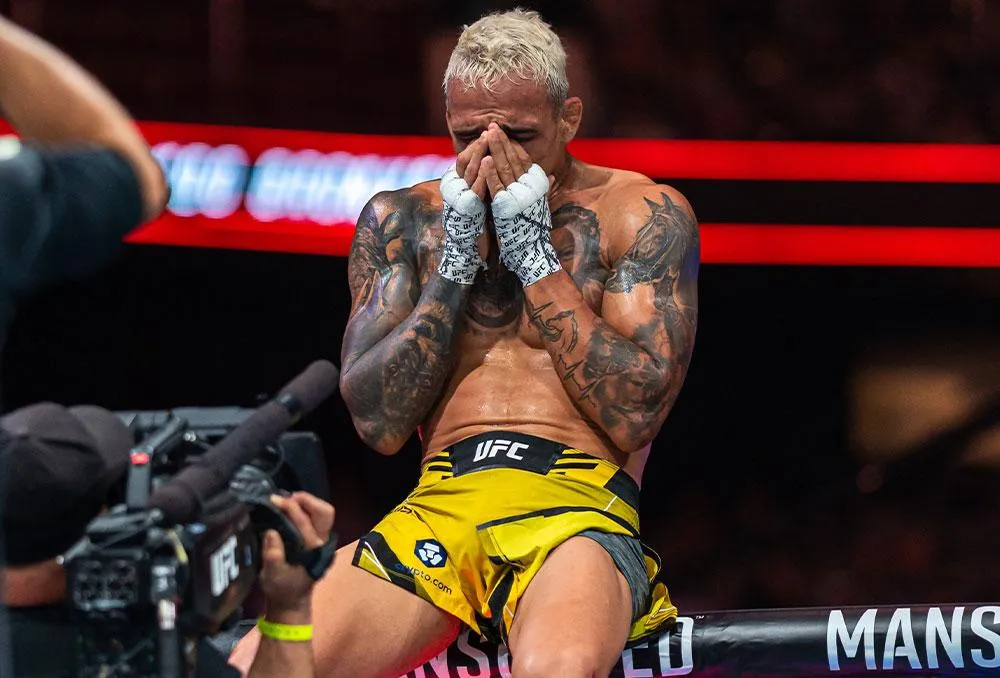
While some fans applaud his bravery, others are sounding alarms.
Positive:
“Only a true warrior would return this fast. Respect.”
Negative:
“I love Do Bronx, but this feels like a mistake. He should rest.”
This division in opinion reflects the high stakes Oliveira faces. He is either writing the next chapter in an already legendary career—or walking toward a painful exit.
The Crossroads of Charles Oliveira
Charles Oliveira stands at one of the most critical junctures of his UFC journey. His swift return has inspired some, worried many, and shocked all. While the phrase “a wounded lion is still a lion” captures his spirit, it doesn’t erase the real, physical consequences of a rushed comeback.
His decision is layered:
-
Personal pride
-
National pride
-
Desire for redemption
-
Aging body and declining time
Whether this story ends in redemption or regret will depend on what happens on October 11. Until then, fans around the world hold their breath, hoping the lion still roars—and doesn’t fall.
Related News