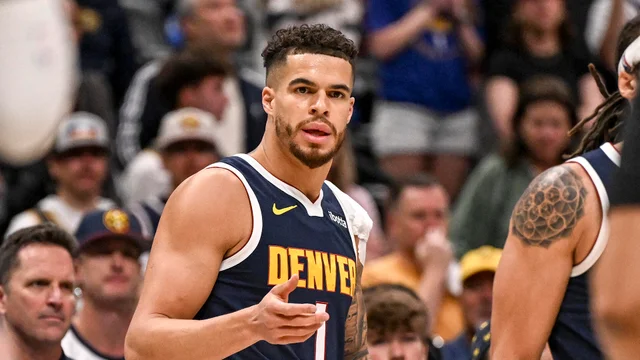
Michael Porter Jr. and His Disturbing ‘Test’ on Women: NBA Female Fans Speak Out Loudly
In the ever-watchful world of professional sports, the personal opinions and public statements of athletes carry immense weight. That truth became glaringly evident when Michael Porter Jr., the Denver Nuggets forward, made a controversial comment during a recent podcast appearance. A quote from the episode went viral:
“Another thing I do… I’m not saying I’m a misogynist, but I’ll throw on some sh*t to see how they react… or I’ll bring up conversations and play devil’s advocate.”
This one sentence has stirred a tidal wave of backlash from fans, especially women, with many questioning the intent, maturity, and implications behind such a mindset. What may have been intended as an offhand comment has opened the floodgates for discussions around misogyny, toxic masculinity, and the psychological manipulation of women—especially in the dating landscape of professional athletes.
The Quote That Sparked a Firestorm
Delivered in a seemingly casual tone, MPJ‘s words instantly set off alarm bells. To some, he was simply being honest about how he navigates relationships. To many others, particularly women, it reeked of manipulation and emotional gamesmanship. The phrase “I’m not saying I’m a misogynist” did little to protect him from the tsunami of criticism that followed. In fact, it might have made things worse—raising the question: if you feel the need to clarify that you’re not a misogynist, should you be saying it at all?
What Does ‘Testing Women’ Even Mean?
The term “testing women” has long been associated with manipulative tactics in dating culture. From negging to gaslighting, these ‘tests’ often stem from deep-seated insecurities or a desire to maintain control. In MPJ‘s case, his explanation implies he throws out inflammatory or controversial comments just to observe how a woman reacts. This isn’t just immature—many would argue it’s psychologically abusive.
NBA Female Fans Are Not Having It
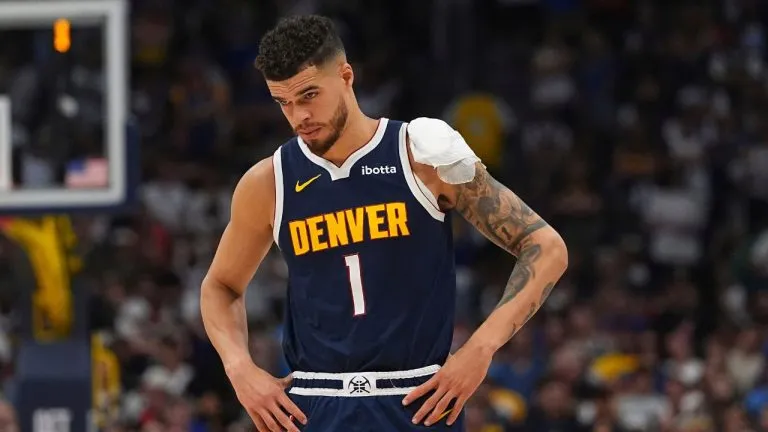
Shortly after the podcast clip circulated, social media platforms became flooded with reactions—many from female fans who felt deeply disappointed and offended. In an era when athletes are increasingly being held accountable for their words and actions off the court, MPJ‘s comments felt like a step backward.
| alexis_nikohl: “Who even asks him these questions?”
| jerm_ontheboards: “Someone get him a straw basket please”
| dien cuong: “Basically, he’s saying he doesn’t want to marry a woman who’s been with other guys? And we’re supposed to be okay with this?”
Many commenters pointed out that MPJ‘s comments suggest an antiquated view of women and relationships, one that judges women based on their past and places their worth in how they respond to provocation. Others questioned whether this is a reflection of a broader locker room culture that still enables such thinking.
Playing Devil’s Advocate or Just Being Cruel?
There is a fine line between playing devil’s advocate and intentionally upsetting someone. The latter can be emotionally destabilizing, especially when it becomes a pattern of behavior in a relationship. Psychologists and relationship experts have long warned against using manipulative techniques under the guise of “testing” a partner. It establishes a dynamic of distrust and superiority—which can be deeply damaging.
By his own admission, Michael Porter Jr. seems to entertain this behavior as a method to gauge women. The implication is clear: he doesn’t engage with women from a place of mutual respect or curiosity, but from a need to provoke and evaluate.
A Broader Cultural Problem in Sports?
MPJ’s comments didn’t just offend women—they raised a broader concern about the culture within professional sports. Too often, young male athletes are thrown into fame and fortune without being adequately prepared for the social responsibility that comes with it. The result? Immaturity on a public stage.
In recent years, there’s been an uptick in awareness campaigns and media training for athletes. Yet, incidents like these highlight the ongoing need for real conversations around gender respect, empathy, and emotional intelligence.
Fans Calling for Accountability
Across X (formerly Twitter), Instagram, and TikTok, fans are demanding that Michael Porter Jr. address the backlash in a serious and sincere manner. A half-hearted apology or an attempt to “clarify” might not be enough.
“You don’t get to emotionally test women like lab rats and expect applause.”
“Misogyny doesn’t always scream. Sometimes it whispers behind podcast mics.”
NBA fans—especially women—have started threads recounting their past experiences with similar behavior, describing how emotionally exhausting it is to be constantly tested or provoked. For many, MPJ‘s statement isn’t just a one-off comment—it’s a trigger.
Where Are the Nuggets in All This?
Interestingly, the Denver Nuggets organization has yet to release any official statement regarding the controversy. While teams often avoid commenting on off-court remarks unless there’s a violation of league policy, fans argue that silence equals complicity. Several female fans have tagged the team’s official pages, asking them to acknowledge the issue.
Influencers and Celebs Chime In
The backlash didn’t stay within the NBA fandom for long. Influencers, female athletes, and even celebrities took to social media to express their disappointment.
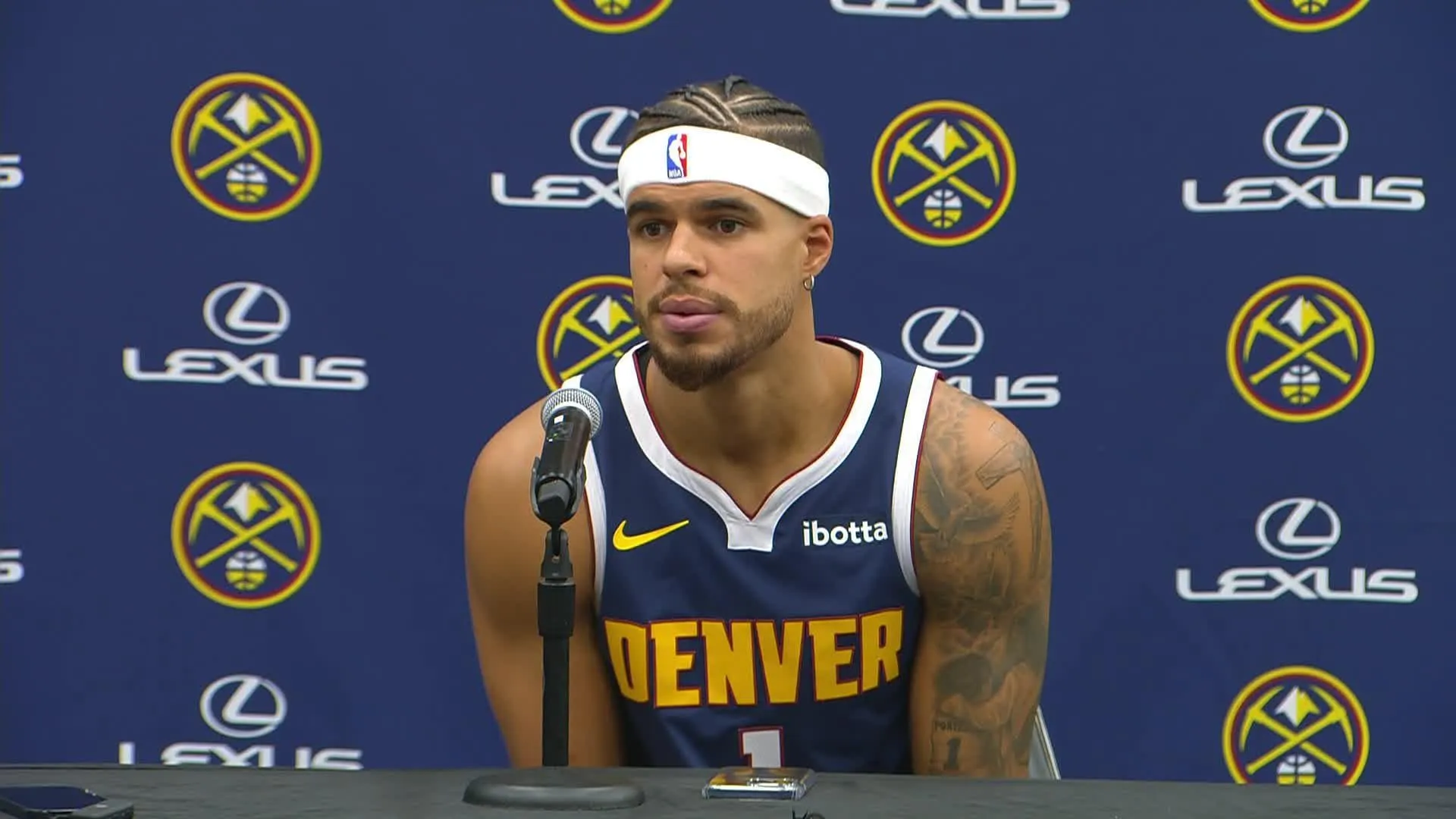
| @WomenInHoops: “We support women in sports. What MPJ said is why so many women stop trusting male athletes.”
| @SheTalksSports: “These aren’t just words. They reflect mindsets. And mindsets become actions.”
Their commentary underscores how such behavior doesn’t happen in a vacuum—it echoes a systemic issue across male-dominated industries, where women are still scrutinized, tested, and invalidated.
What Happens Next?
The ball is now in MPJ‘s court—and not the one he’s used to dominating. Will he address the issue publicly? Will he meet with women’s advocacy groups or seek better understanding of the impact of his words?
His response, or lack thereof, could play a pivotal role in shaping not only his public image but also how the NBA community approaches similar issues in the future.
MPJ may have intended his remarks to be harmless, but the impact tells a different story. For many women, this wasn’t just about one man’s opinion—it was a reminder of the uphill battle for respect, even in spaces where they are fans, professionals, or peers.
Until athletes like Michael Porter Jr. understand the power of their platform, and the real-world harm that casual misogyny can cause, these cycles will continue. And NBA fans—especially women—have made it loud and clear: they’re not staying silent anymore.
Related News