How Margot Robbie’s Career Became a Product Not a Legacy
In a world where talent should shine brighter than trends, Margot Robbie has become the ultimate case study in Hollywood’s toxic obsession with marketability over meaning. From indie darling to franchise icon, the Australian actress’s career arc isn’t just fascinating—it’s a warning.

This isn’t just about Barbie.
It’s about how convention and commercialism quietly corrupt the careers of today’s greatest actors—and Margot Robbie is their most glamorous victim.
The Early Spark: A Star Was Born, Not Manufactured
Long before pink convertibles and billion-dollar box offices, Margot Robbie was redefining what it meant to be a breakout star. She wasn’t the product of viral stunts or algorithmic casting. She exploded onto the scene in The Wolf of Wall Street (2013), delivering a performance so fearless, so magnetic, that even alongside Leonardo DiCaprio, the world couldn’t take its eyes off her.
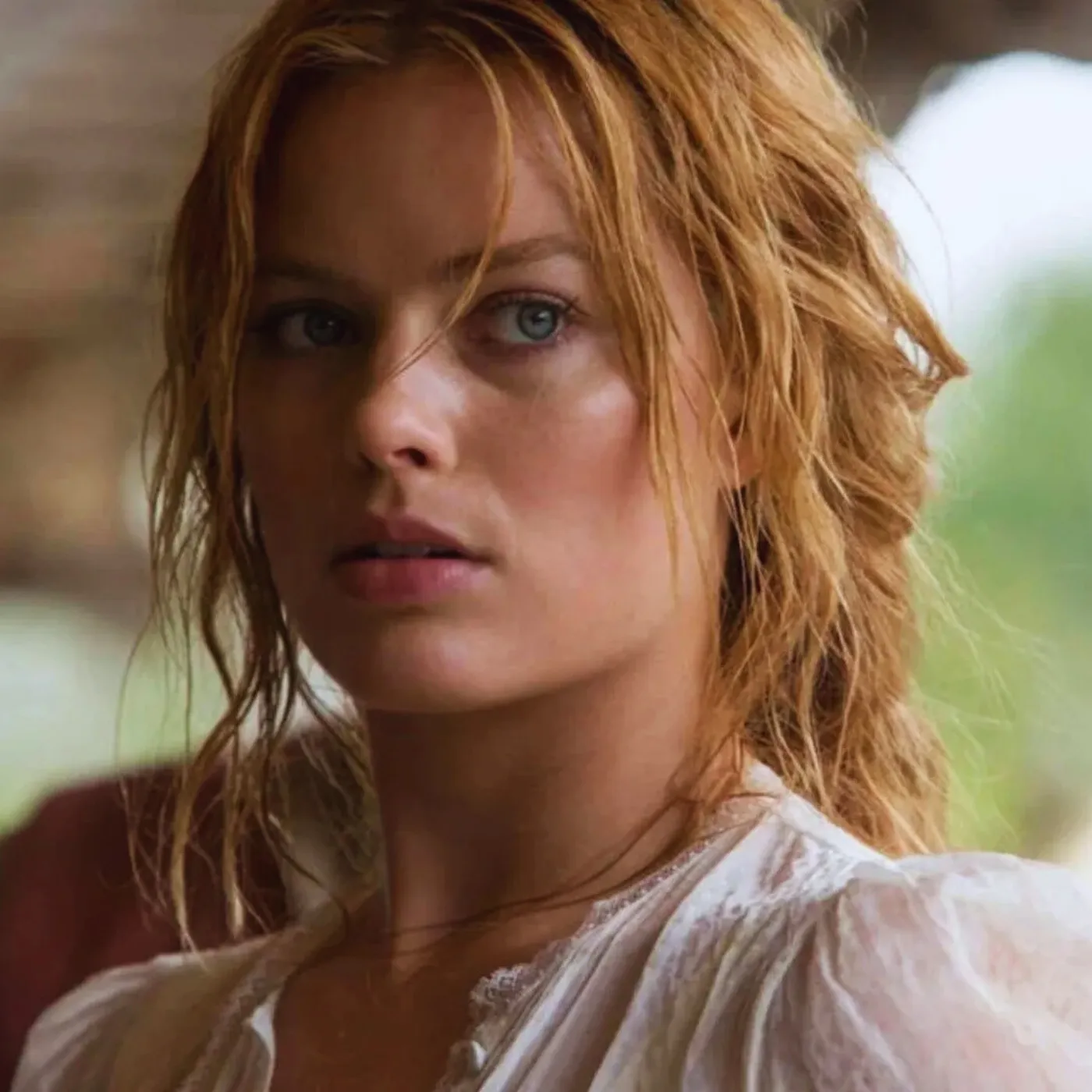
She brought edge to elegance. Power to beauty. Grit to glamour.
Critics predicted Oscar nominations. Directors fought to cast her. For a brief moment, she looked destined to be the rare talent who could balance box office with depth—a modern-day Cate Blanchett with a rebellious twist.
But Hollywood had other plans.
The Industry’s Favorite Trick: Typecasting Dressed as Opportunity
As the Margot Robbie brand grew, the roles got bigger—but not always better.
After earning acclaim for intense, character-driven performances in I, Tonya and Mary Queen of Scots, the system started shifting her into a dangerously shallow lane: attractive, quirky, commercially appealing—but not artistically demanding.
She was too bankable to fail, too valuable to risk.
Even in Once Upon a Time in Hollywood, a movie that was supposed to celebrate the actress as Sharon Tate, Robbie barely spoke. The role was aesthetic. Symbolic. Decorative.
Behind the scenes, producers were no longer asking, “Can Margot Robbie disappear into this role?”
They were asking, “Can this role look good on Margot Robbie?”
And that is how the machine starts to flatten legends into brands.
The Barbie Effect: A Dream Role or a Glittering Trap?
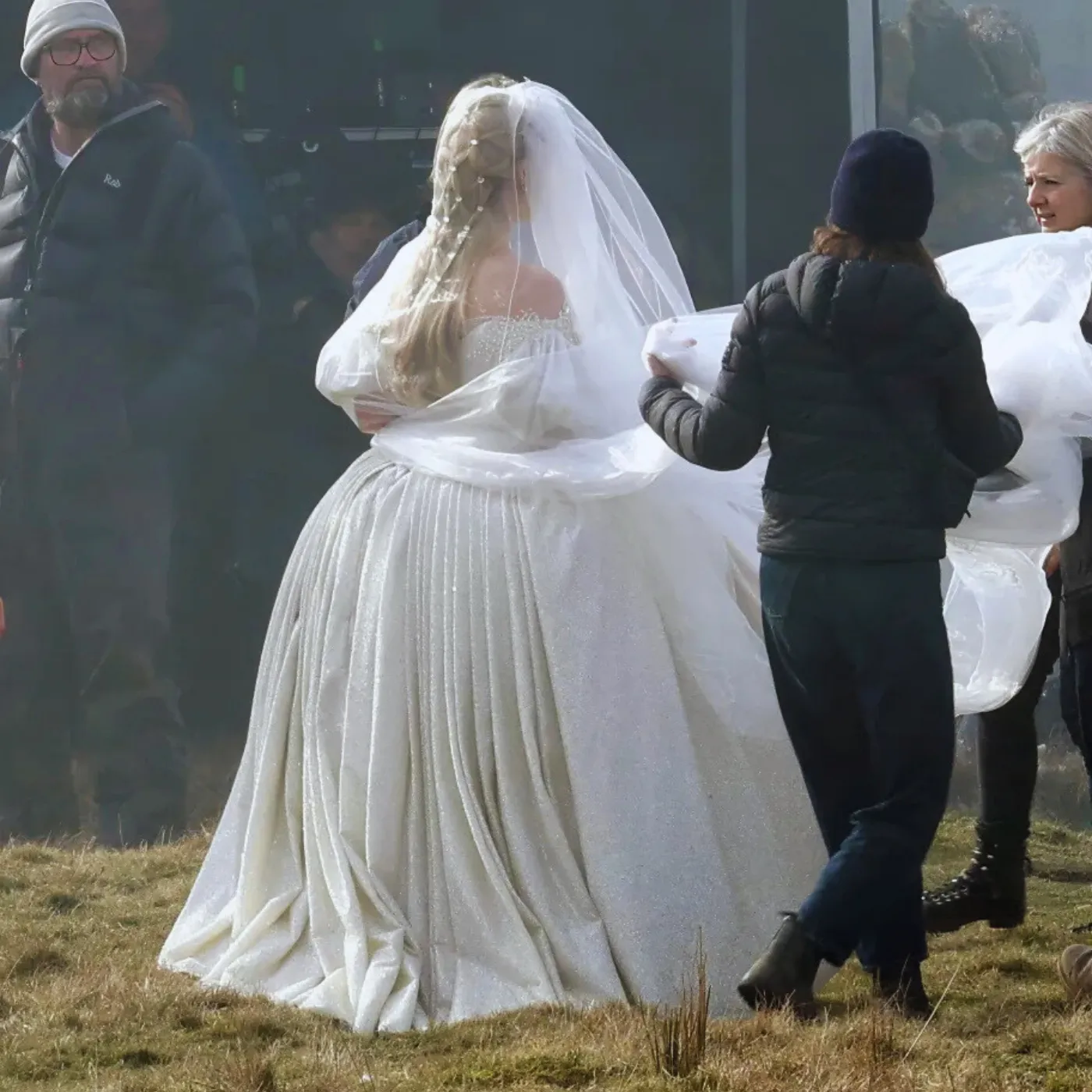
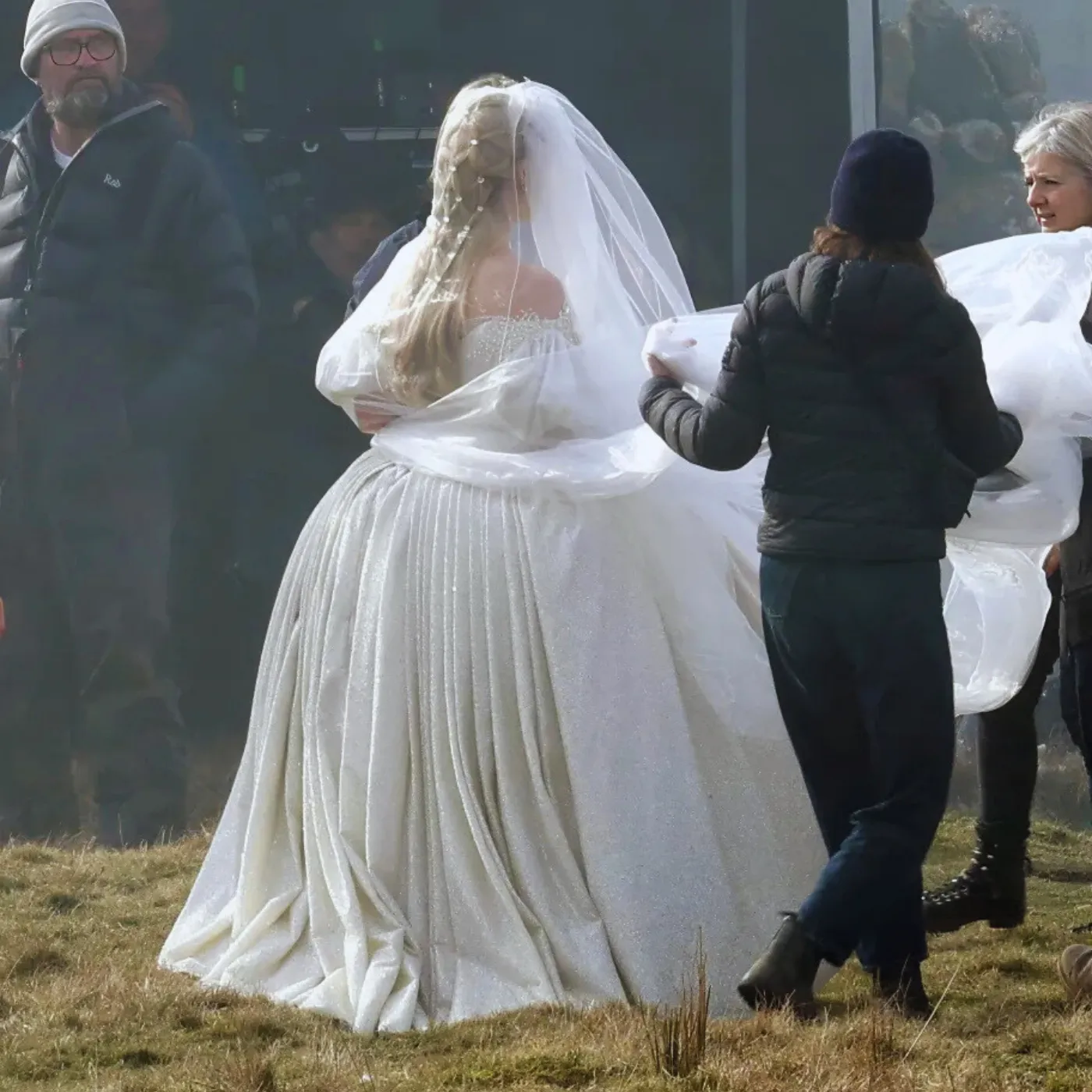
Then came Barbie—the billion-dollar beast that exploded into a cultural event. It was marketed as feminist, fun, and groundbreaking, and Margot Robbie was hailed as the face of the revolution. The film broke records. Fans cheered. Executives salivated.
But here’s the twist: the success of Barbie may have done more harm than good to Robbie’s long-term artistic credibility.
Why? Because now she’s synonymous with a corporate icon, not a character of depth.
Rather than open doors to riskier, more layered roles, Barbie has threatened to seal her fate in bubble-wrap stardom. Suddenly, every studio wants Robbie to play their Barbie—the stylish, smiling, merchandisable heroine who sells tickets and sparkles on posters.
What’s lost in the glitter?
The fearless actress who once swung an ice skate like a weapon in I, Tonya. The woman who could embody broken queens, troubled geniuses, and unhinged anti-heroines.
She’s still in there. But Hollywood only sees what’s marketable—not what’s masterful.
Commercialism’s Silent Kill: When Every Role Is a Brand Collaboration
Here’s the dirty secret no one wants to say out loud: Hollywood doesn’t just want stars anymore—they want influencers.
Actors are no longer chosen solely for their talent, but for their TikTok trends, their fanbase conversion rate, and their Instagram aesthetic. Talent takes a backseat to clickability.
Margot Robbie, with her flawless face and global fashion appeal, is prime influencer material. She fits every mold, sells every narrative, and photographs like a dream.
That’s why she’s everywhere.
That’s also why she’s slowly being erased as an actor and rebranded as a presence.
Her recent choices—while smart from a PR standpoint—hint at a growing pattern: franchise roles, safe scripts, global campaigns.
No chaos. No danger.
No Oscar.
She Built Her Own Company But Can’t Escape the System
To her credit, Margot Robbie tried to take control.
In 2014, she co-founded LuckyChap Entertainment, an ambitious production company aimed at empowering female-driven stories. Through LuckyChap, she produced I, Tonya, Promising Young Woman, and Barbie. The move earned her respect, creative freedom, and industry power.
But here’s the twist: even her own company couldn’t break the machine.
Barbie became the defining moment of LuckyChap—and ironically, it also became the clearest example of how branding trumps nuance.
Despite having a chance to forge a new path, Robbie’s empire is still trapped within the same expectations the system imposes on every A-list actress: Be beautiful. Be bankable. Be beloved. But don’t be too strange, too complex, or too difficult to sell.
She’s building her own ladder, yes.
But she’s still climbing it in high heels designed by a boardroom.
What Could Have Been: The Margot Robbie We’re Losing
It’s not just about Margot Robbie—it’s about every actor who shows early brilliance and gets absorbed by the commercial tide.
Imagine Robbie in more psychological thrillers. More independent dramas. More auteur projects where the script is raw and the lighting is ugly. That’s the space where legends are made.
Instead, we get polished perfection.
We get promotional content disguised as art.
And while she still gives it her all—Robbie never phones it in—it’s clear that the industry has diluted her genius with style guides and licensing deals.
Is It Too Late? Or Is the Best Yet to Come?
The tragedy of Margot Robbie’s career is not that she’s faded—it’s that she’s more visible than ever and still being misunderstood.
She’s earned the money. She’s earned the fame.
Now it’s time she takes back her artistry.
Imagine a return to form:
-
A gritty psychological drama, stripped of makeup and glitz.
-
A role that makes audiences uncomfortable instead of entertained.
-
A project that challenges the very industry that boxed her in.
That’s the comeback the world doesn’t know it needs.
Until then, Margot Robbie will continue to shine—but that shine might not reflect the light of her talent. It’ll reflect the glare of commercial polish.
Conclusion: Stardom Without Freedom Is a Golden Cage
Margot Robbie isn’t the first to be packaged, polished, and sold like a luxury brand.
But she might be the most painful.
Because we’ve seen what she’s capable of.
We’ve witnessed the depth behind the beauty, the rage beneath the charm, the chaos within the composure.
And yet, Hollywood chose safety. Convention. Commercialism.
In doing so, they didn’t just limit Margot Robbie.
They reminded us that in today’s industry, true talent is too often sacrificed at the altar of safe success.
She’s not ruined.
She’s just waiting to be reborn.
But the clock is ticking.