






The Pain Behind the Name: Why Lil Wayne Erased His Real Identity — And How a Childhood Scar Gave Birth to a Legend
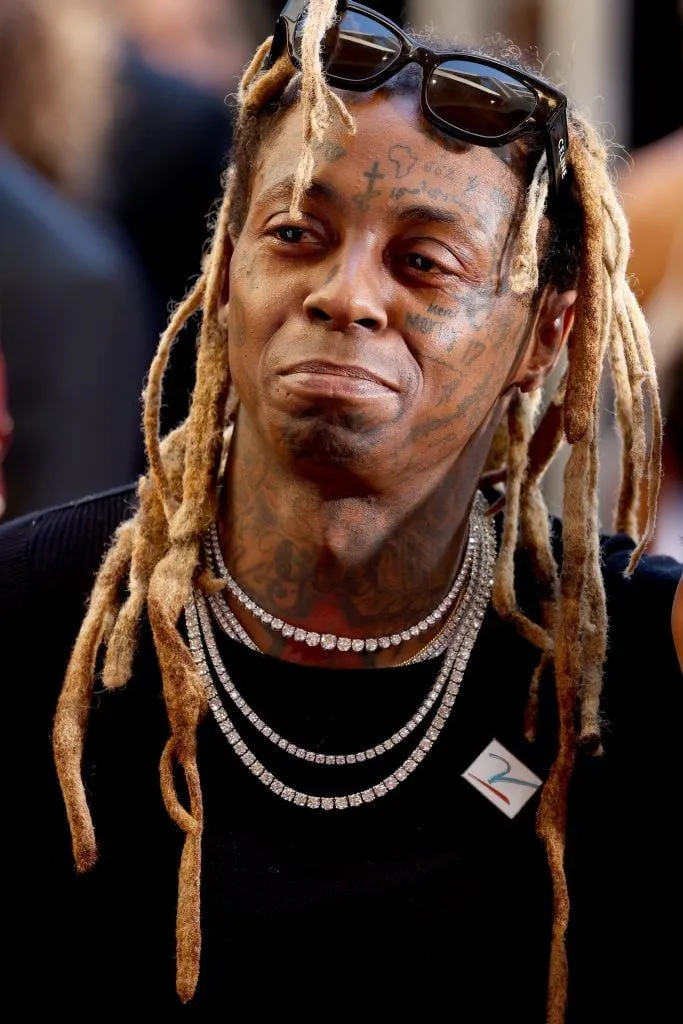
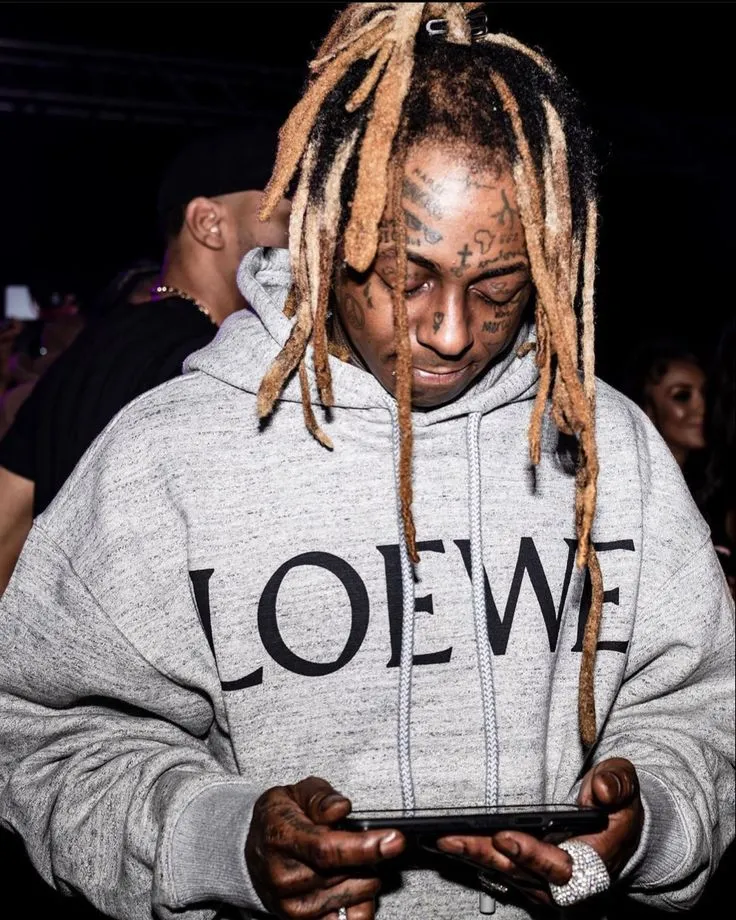
The world knows him as Lil Wayne, the rap phenomenon whose lyrical genius and cultural influence have shaped an entire generation of hip-hop. But behind the stage persona, tattoos, and millions of records sold lies a deeply personal story — a story about a boy who endured emotional scars long before he became a star. What many fans fail to realize is that Lil Wayne’s decision to erase his birth name was not merely a creative choice. It was a survival mechanism, a declaration of independence from a past filled with abandonment, pain, and self-discovery. To truly understand the man behind the mic, one must look beyond the music and into the traumatic childhood experiences that forged his identity.
A Name That Carried Too Much Pain
Lil Wayne was born Dwayne Michael Carter Jr. on September 27, 1982, in Hollygrove, one of New Orleans’ most violent and impoverished neighborhoods. The “Jr.” in his name symbolized a connection to his father — a connection that quickly dissolved. By the time Wayne was only two years old, his father had abandoned the family, leaving his mother, Jacida Carter, to raise him alone in an environment where survival was a daily struggle.
For many, a name is a marker of identity, a link to one’s roots. But for Wayne, the name Dwayne carried the shadow of a man who wasn’t there. As he would later explain in interviews, he didn’t want to be called Dwayne because “he’s not in my life, he’s nothing to me.” This act of renaming himself wasn’t a simple stage choice; it was a symbolic severing of ties to his father and the emotional baggage tied to his early years. By changing Dwayne to Wayne, the young rapper reclaimed his sense of self, transforming his name into an emblem of his rebirth.
The Broken Home and the Early Scar
Wayne’s upbringing was marked by instability. His mother, who gave birth to him at just 19, worked multiple jobs to keep food on the table. Despite her efforts, Hollygrove was no place for a child. The streets were riddled with crime, drugs, and violence. But the greatest pain for Wayne wasn’t simply the harshness of the neighborhood — it was the emotional absence of a father figure.
That void cut deeper than any physical wound, and Wayne internalized the hurt. In one heartbreaking interview, he revealed that his father’s neglect pushed him to stop identifying as “Dwayne.” It was his way of erasing a piece of himself that caused too much pain to bear.
This internal turmoil escalated when Wayne was just 12 years old, leading to one of the most defining — and misunderstood — moments of his life.
The Gunshot That Almost Ended It All
When Wayne was only a pre-teen, he found his mother’s gun. Overwhelmed by depression and feeling invisible to the world, he attempted to end his own life by shooting himself in the chest. Miraculously, he survived.
This moment was not just a near-death experience — it was a turning point. The bullet wound became a physical scar representing the invisible emotional scars Wayne had been carrying for years. For Wayne, this incident wasn’t merely about a boy with a gun. It was the ultimate expression of his inner battle with abandonment, loneliness, and the crushing weight of childhood trauma.
In later interviews, Wayne openly credited a police officer named Uncle Bob, who rushed him to the hospital, with saving his life. This act of kindness left an indelible mark on him, proving that sometimes strangers can show more compassion than blood relatives.
Music as an Escape and a Lifeline
After the shooting, Wayne’s life took a drastic turn. Music became his refuge — a way to process his pain, anger, and resilience. From the age of eight, he had been writing rhymes and freestyling, but now music became something more than a hobby. It was his therapy, his way of reclaiming control over a life that had spiraled out of his hands.
At only 11 years old, Wayne’s talent caught the attention of Bryan “Birdman” Williams, the co-founder of Cash Money Records. Birdman would later become a father figure to Wayne, offering him the mentorship and support that his biological father never provided. Signing with Cash Money wasn’t just the beginning of Wayne’s career — it was the moment he began transforming his trauma into artistic power.
The Birth of Lil Wayne — A Legend Rises
The creation of the persona Lil Wayne was more than just a rap moniker. It was a rebirth. Shedding the name Dwayne meant shedding the weight of abandonment. Adopting “Lil Wayne” symbolized a new chapter — one where he was no longer the neglected child of Hollygrove but a force to be reckoned with in the music industry.
This reinvention allowed him to channel his hurt into his craft, giving birth to some of the most vulnerable yet confident lyrics in hip-hop. From his early days in the Hot Boys to his critically acclaimed albums like Tha Carter series, Wayne poured his soul into his music, often using it as a confessional. Songs like “I Feel Like Dying” and “Tie My Hands” are haunting reflections of the emotional battles he faced, while tracks like “A Milli” and “6 Foot 7 Foot” showcase his defiance and lyrical genius.
Turning Pain into Power
What makes Lil Wayne truly remarkable is how he transformed his pain into power. Instead of allowing his broken childhood to define him, he used it as fuel to build an empire. He became one of the most influential rappers of all time, selling over 120 million records, winning multiple Grammys, and inspiring an entire generation of artists.
But his success goes beyond numbers. Wayne’s vulnerability has made him a cultural icon who dares to be open about his mental health struggles, even in an industry that often stigmatizes emotional honesty. By sharing his scars — both literal and metaphorical — he has given countless fans the courage to confront their own pain.
The Duality of Lil Wayne
Yet, there is a duality to Wayne’s persona. Behind the flashy cars, tattoos, and playful lyrics lies a man who still grapples with the demons of his past. In candid interviews, Wayne has admitted to bouts of depression and loneliness. He continues to speak about the importance of mental health, especially for young men who grow up in environments like Hollygrove.
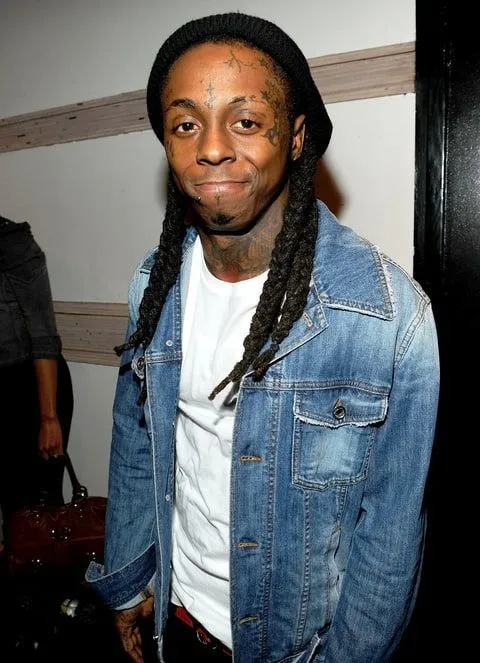
This duality makes Wayne’s story more than just a tale of fame. It’s a deeply human story about a boy who felt abandoned, who carried a wound that nearly ended him, and who turned that wound into his greatest source of strength.
Conclusion: The Legend Born from a Scar
Lil Wayne’s journey is a testament to the resilience of the human spirit. The decision to erase Dwayne and embrace Lil Wayne was more than an artistic choice — it was a declaration of survival. His childhood scar, both physical and emotional, became the foundation for one of the most legendary careers in hip-hop.
Wayne once said, “You are who you are because of what you’ve been through.” For him, that means transforming pain into poetry, abandonment into ambition, and scars into strength. The world may know him as Lil Wayne, but behind the fame is a man who chose to rewrite his story — and in doing so, inspired millions to do the same.