‘It Doesn’t Need Nicki Minaj?’ — Battlefield 6 Sparks Fan Outrage After Shocking Comment on Crossover Skins
The gaming community has always been passionate, vocal, and deeply invested in the franchises they follow. Few series ignite as much debate and speculation as Battlefield, the long-standing first-person shooter that has competed with titans like Call of Duty for over two decades. However, in recent days, a surprising comment regarding crossover skins in Battlefield 6 has set social media ablaze, sparking one of the most heated fan discussions in the game’s history. A seemingly offhand remark that the game “doesn’t need Nicki Minaj” has left players divided, with many expressing outrage over what they perceive as dismissive or out-of-touch rhetoric from the development team or associated voices.
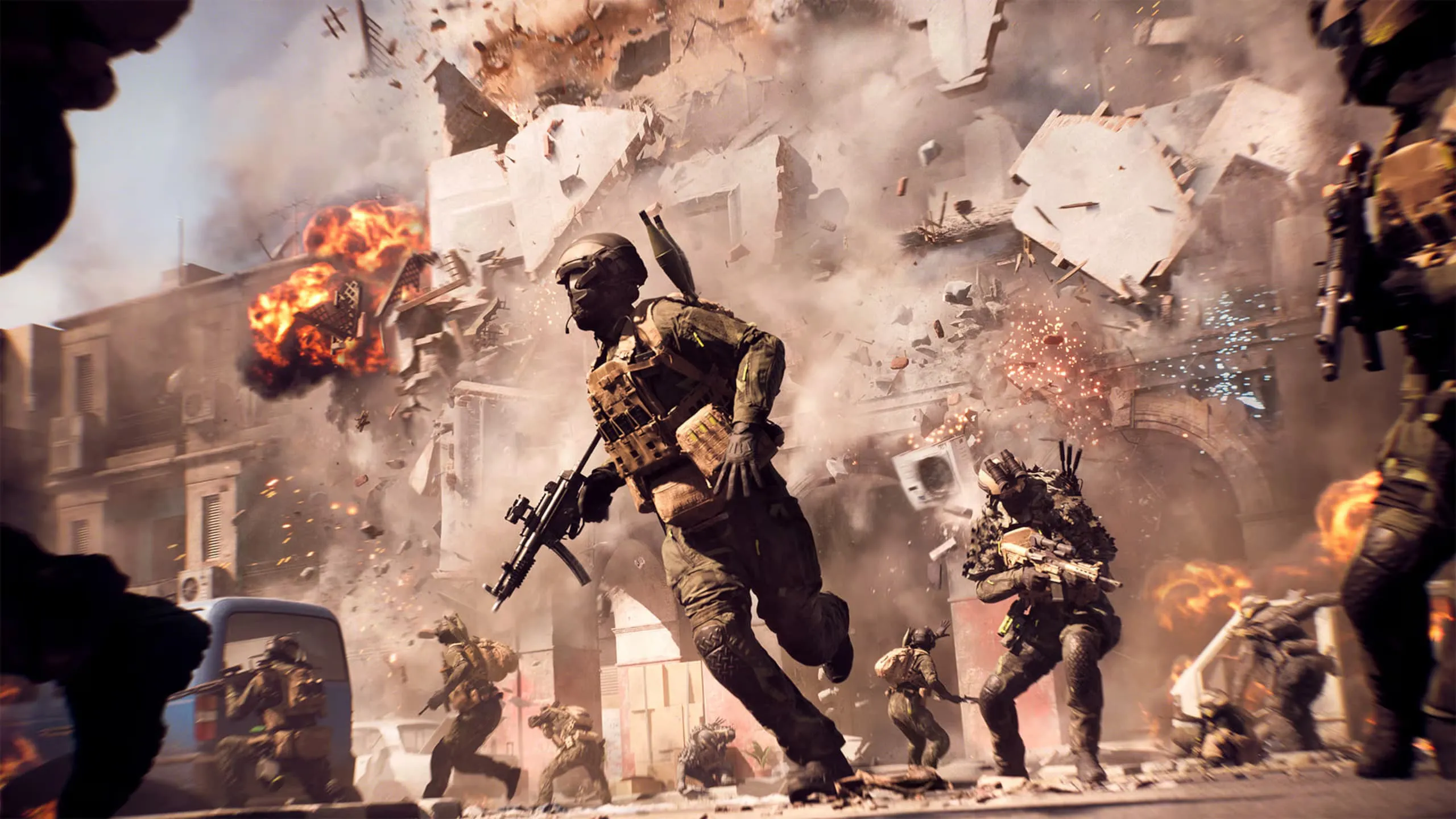
The Context Behind the Controversy
The controversy began during a recent developer Q&A session, where a fan raised the question of whether Battlefield 6 would feature celebrity crossover skins, similar to what we’ve seen in Call of Duty: Warzone and Fortnite. In the past few years, these titles have embraced pop culture collaborations, integrating music artists, movie characters, and even viral internet personalities into their games. The question came amid growing speculation that DICE, the developer behind the Battlefield series, might take a similar approach to modernize and expand its player base.
The response, however, was nothing short of shocking. A representative—whose identity remains unconfirmed, though some claim it was a senior creative director—reportedly responded, “It doesn’t need Nicki Minaj.” This comment was perceived as a dismissal of not only crossover skins but also of pop culture integrations that have become standard in contemporary shooters.
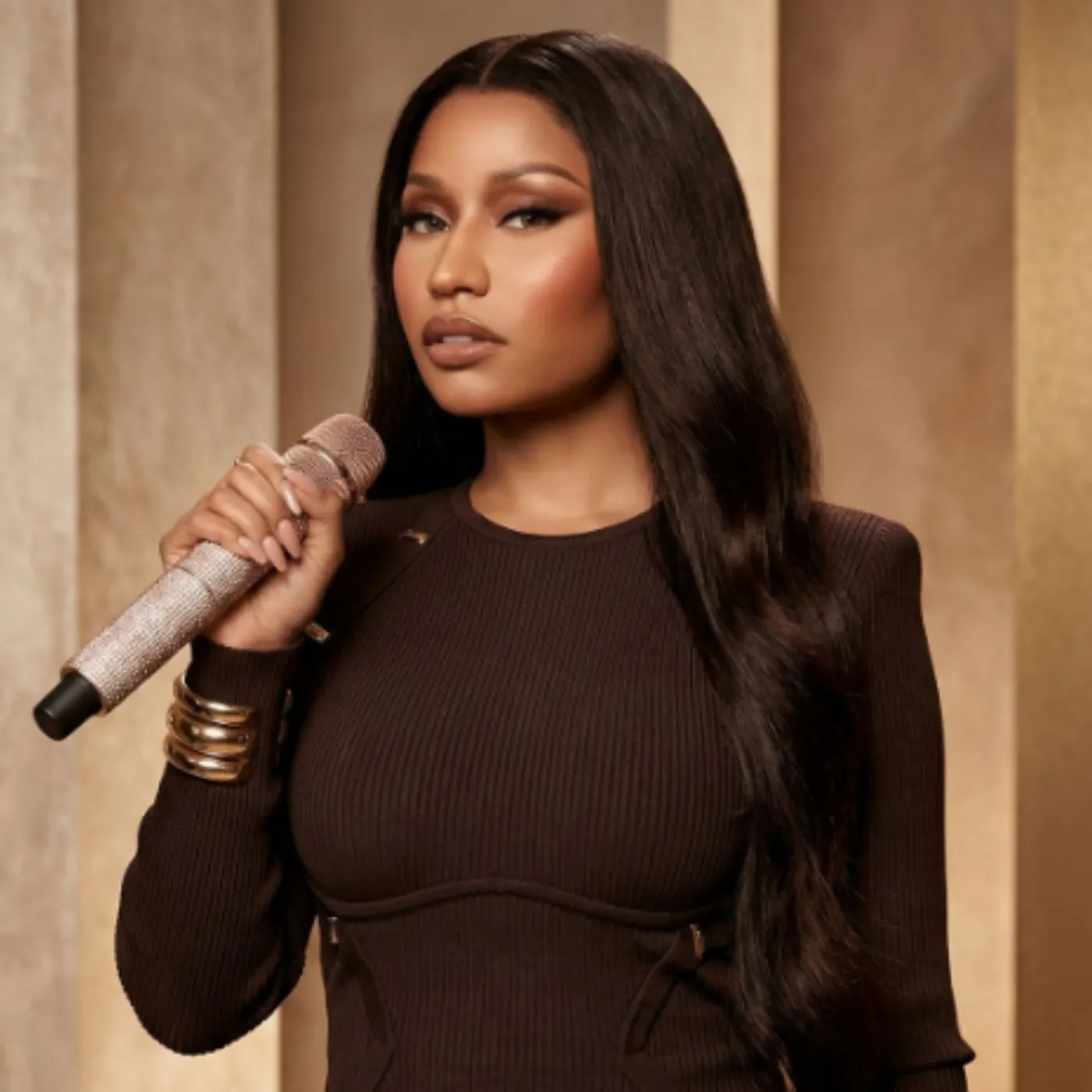
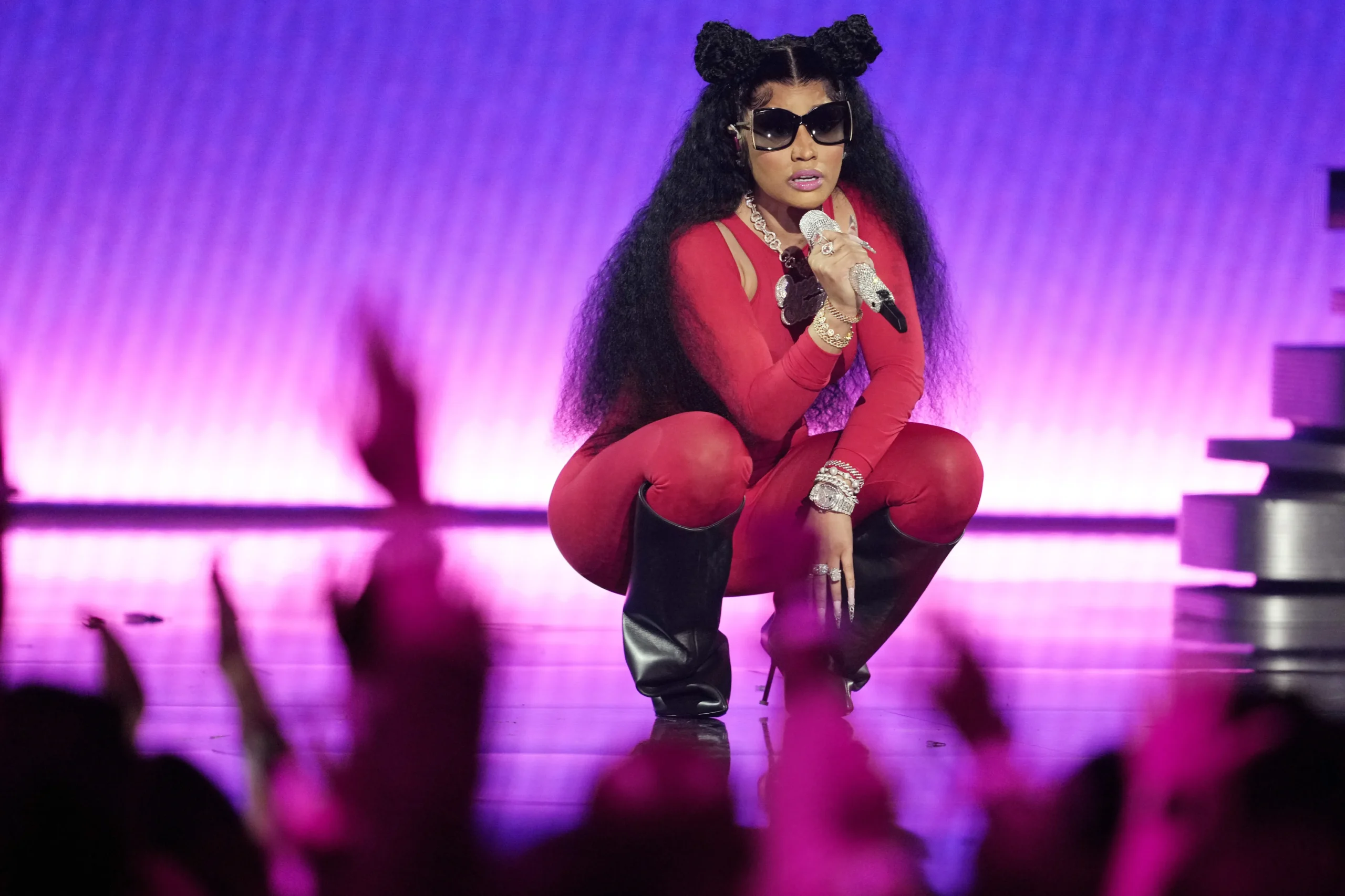
For many players, this statement came across as condescending, particularly given that Nicki Minaj is one of the most high-profile artists ever to appear in a crossover skin collaboration—she was recently added to Call of Duty: Modern Warfare II as part of a limited-time event celebrating hip-hop’s 50th anniversary. Fans saw this as an unnecessary jab, sparking immediate backlash across platforms like Twitter (X), Reddit, and YouTube.
Why the Comment Hit a Nerve
On the surface, the remark may seem minor, but its impact on the Battlefield community has been profound. This is because the statement tapped into a larger, ongoing debate about what the franchise should represent.
For years, Battlefield has marketed itself as a grittier, more “serious” alternative to Call of Duty, focusing on large-scale, team-based warfare and realistic combat settings. But as gaming culture evolves, players expect more than just realism—they want games that are dynamic, socially relevant, and fun to engage with beyond the core mechanics.
The inclusion of Nicki Minaj in Call of Duty symbolized more than just a flashy skin; it represented a crossover between gaming and mainstream pop culture. By dismissing the need for such integrations, the representative’s comment appeared to reject that cultural shift outright.
Many players interpreted this as tone-deaf, especially in an era where collaboration across entertainment industries is not only common but highly successful. Games like Fortnite have thrived precisely because of their constant partnerships with music artists, TV shows, and movies, bringing in diverse audiences who may not otherwise engage with gaming.
Social Media Outrage and the Backlash
The backlash was immediate and intense. Within hours, the hashtag #Battlefield6 began trending on Twitter, with thousands of players voicing their frustration. One user wrote, “This is exactly why Battlefield keeps falling behind. You can’t ignore modern gaming trends and expect to compete.” Another commented, “If Call of Duty can get Nicki Minaj, Snoop Dogg, and Godzilla, why can’t Battlefield get anything remotely fun? It’s like they don’t care about giving us what we want.”
Reddit threads discussing the controversy quickly reached hundreds of comments, with many fans debating whether DICE is out of touch with the broader gaming landscape. Some defended the comment, arguing that Battlefield should stay true to its military roots rather than chasing trends. However, the overwhelming tone was one of disappointment, with players feeling that this was yet another example of the franchise refusing to evolve.
Even content creators and influencers joined the conversation. Popular streamers like JackFrags and LevelCapGaming hinted at their frustration, with one saying, “There’s a difference between preserving the Battlefield identity and being stuck in the past. This comment doesn’t help the franchise’s image.”
The Battle Between Tradition and Modernization
At the heart of the outrage lies a fundamental question: Should Battlefield embrace pop culture crossovers, or remain a purely realistic military shooter?
Fans are split. On one hand, Battlefield’s identity has always been grounded in large-scale warfare, historically accurate weapons, and immersive environments. It’s what distinguishes the series from competitors and has built a loyal fan base over the years.
On the other hand, the gaming industry has dramatically shifted. Games are no longer just about mechanics—they are cultural experiences. Collaborations with celebrities, musicians, and fictional characters help create buzz, bring in new players, and keep existing fans engaged. For many gamers, refusing to adapt to these trends feels like self-sabotage, especially when rival franchises are thriving precisely because of these integrations.
When Call of Duty introduced Nicki Minaj, it wasn’t just about adding a new skin. It was a statement: the franchise is willing to experiment, break its own conventions, and appeal to a broader audience. This willingness to evolve is a key reason Call of Duty continues to dominate the FPS genre.
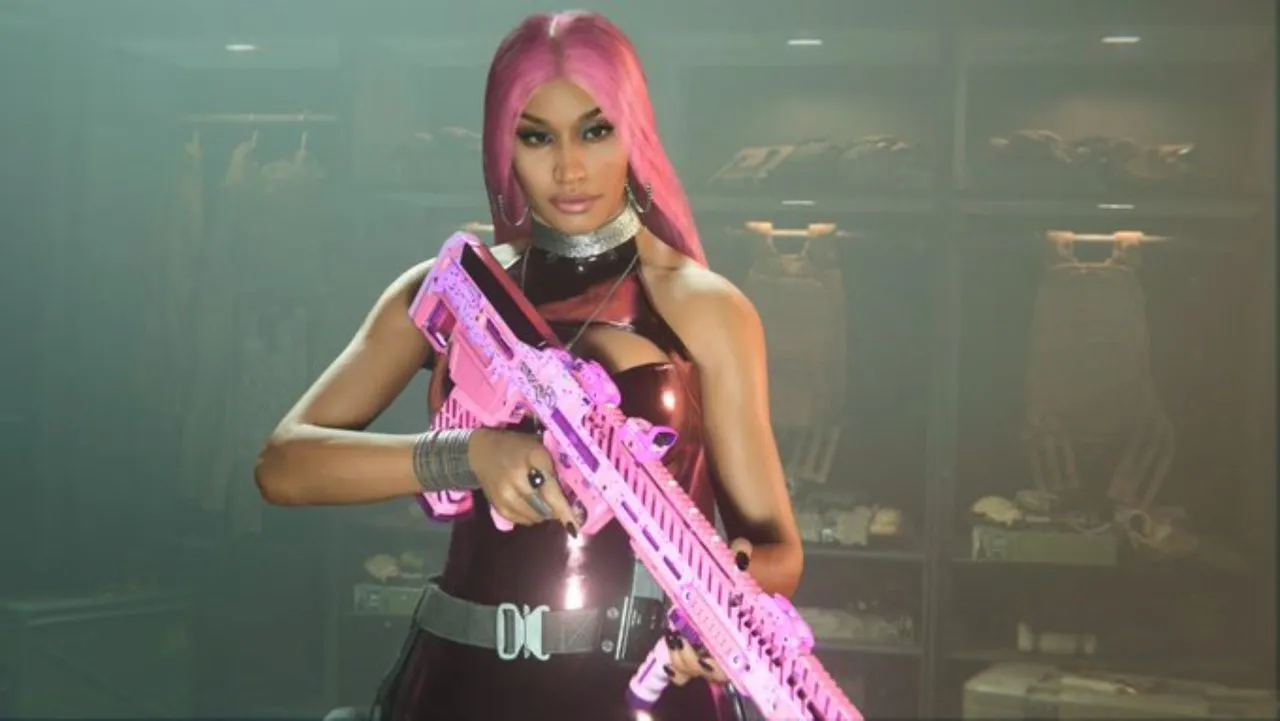
Why Nicki Minaj Specifically Matters
The mention of Nicki Minaj isn’t random—it’s deeply symbolic. Minaj’s inclusion in Call of Duty was a milestone for diversity in gaming. She became one of the first major female rappers to be featured as a playable character in a mainstream shooter, representing a demographic often overlooked in gaming spaces.
For her fans, this wasn’t just a novelty; it was meaningful representation. By saying “It doesn’t need Nicki Minaj,” the representative effectively dismissed not only her but also the idea that gaming can and should appeal to broader cultural communities.
This is why the backlash has been particularly intense among fans who value inclusivity and innovation. Many feel that Battlefield’s refusal to consider such collaborations reflects a deeper problem: an unwillingness to embrace change and acknowledge the cultural significance of these partnerships.
What This Means for Battlefield 6
The controversy has now overshadowed what should be an exciting moment for Battlefield 6—its upcoming release. Instead of hyping up the game’s features, discussions are dominated by debates over whether the franchise is stuck in the past.
If DICE wants to compete with Call of Duty and Fortnite, it needs to recognize the importance of cultural integration in modern gaming. This doesn’t necessarily mean turning Battlefield into a crossover-heavy spectacle, but it does require acknowledging that games are no longer just games—they are cultural platforms.
Failing to do so risks alienating younger audiences and limiting the franchise’s growth potential. Worse, it could reinforce the perception that Battlefield is a series unwilling to adapt, making it increasingly irrelevant in a rapidly evolving market.
Can the Franchise Recover From This Misstep?
It’s not too late for DICE to course-correct. The company has survived controversies before, from the rocky launch of Battlefield 2042 to earlier debates about historical accuracy in Battlefield V. If there’s one thing the community respects, it’s transparency and a willingness to listen.
An official statement clarifying the intent behind the comment—or even an apology—could go a long way in mending fences. More importantly, Battlefield 6 needs to prove through its gameplay, features, and content strategy that it understands the modern gaming landscape.
That doesn’t mean abandoning its core identity as a realistic military shooter. But it does mean finding creative ways to make the game exciting, culturally relevant, and appealing to a wider audience. Whether that includes celebrity collaborations, pop culture skins, or other forms of integration, the message should be clear: Battlefield is for everyone.
The Larger Lesson for the Gaming Industry
This controversy highlights a bigger issue facing the gaming industry as a whole: the tension between tradition and modernization. As franchises grow older, they face the challenge of staying true to their roots while also appealing to new generations of players.
In an era where crossovers and collaborations dominate entertainment, dismissing their value outright is risky. Games are cultural ecosystems now, and their success depends on how well they adapt to the evolving expectations of players.
For Battlefield, the road ahead will depend on whether DICE can strike that delicate balance—honoring the franchise’s legacy while embracing the innovations that define modern gaming.