Novak Djokovic’s Quest for History Hits a Wall — Why 2026 Could Be His Last Shot at Greatness
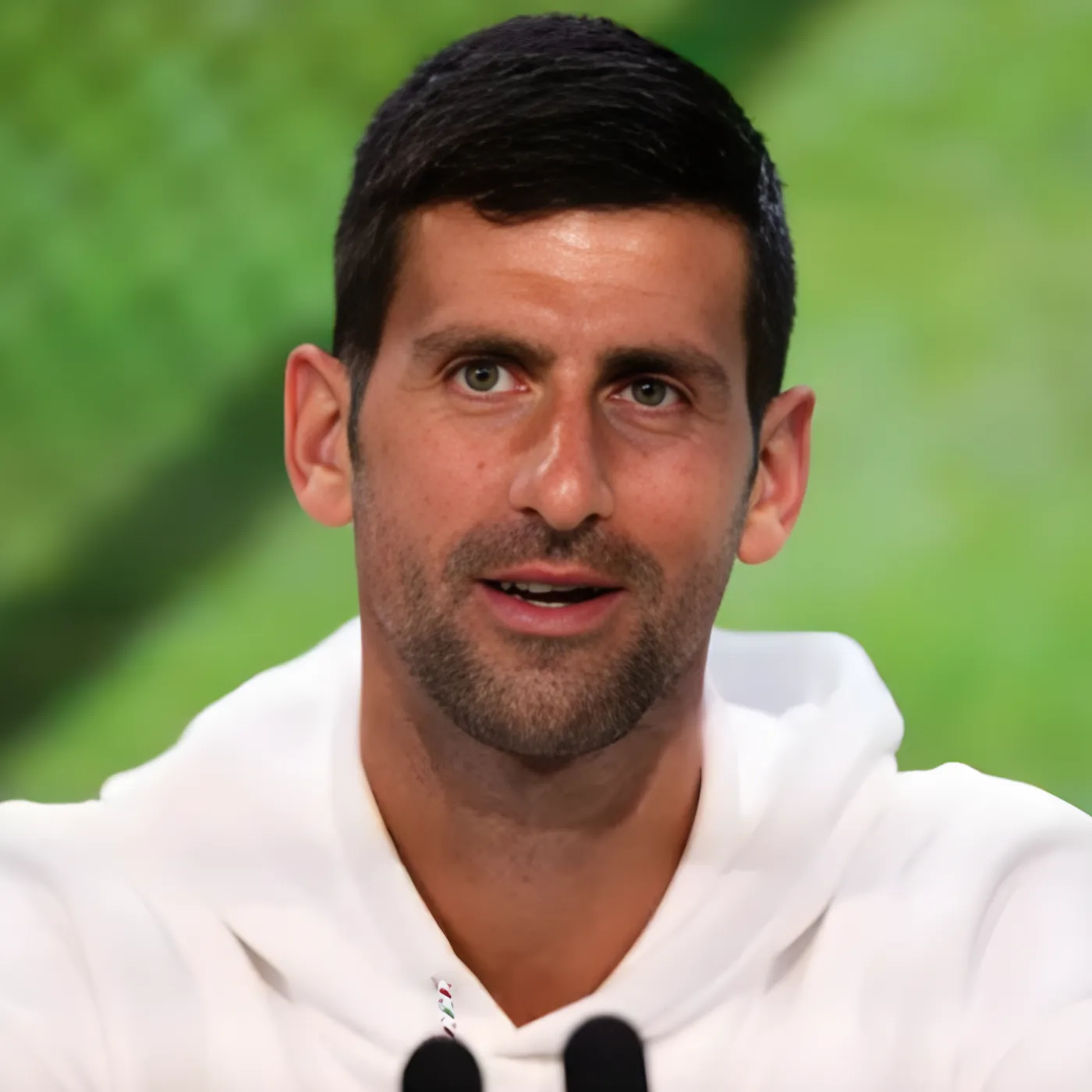
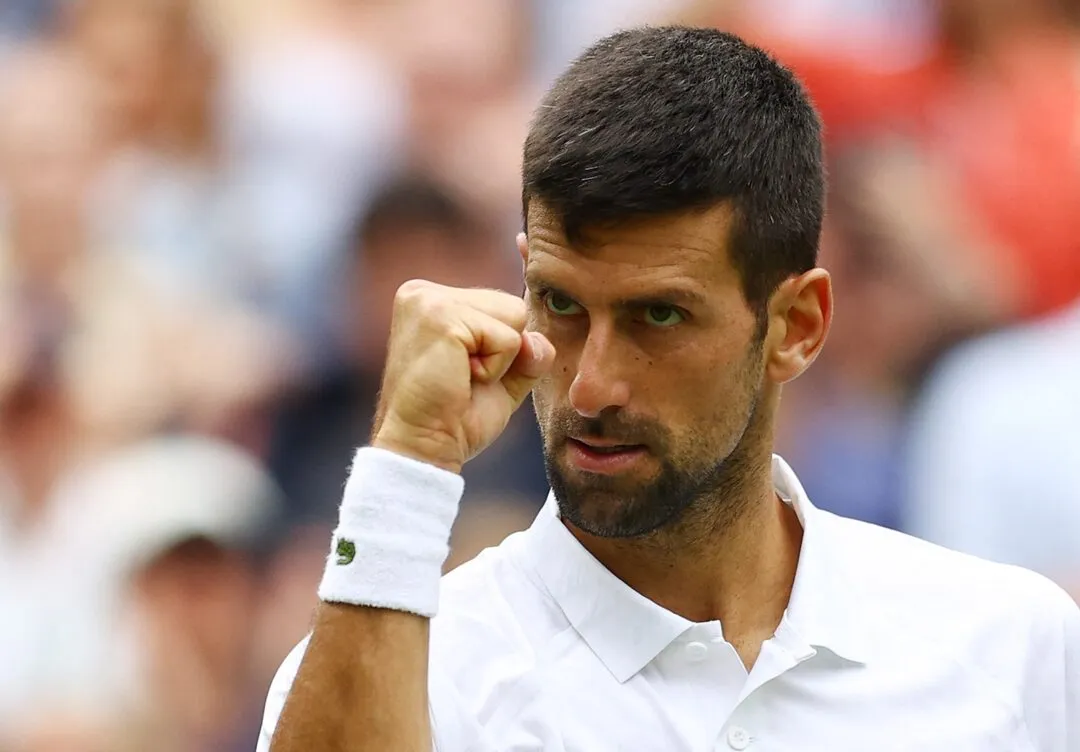
In the world of tennis, Novak Djokovic stands as one of the most dominant and polarizing figures in history. For nearly two decades, he has been the measuring stick for greatness, redefining what it means to be consistent, resilient, and versatile on every surface. Yet as he approaches the twilight of his career, a lingering question grows louder: how much longer can he sustain this dominance? After chasing down and surpassing records once thought untouchable, Djokovic now finds himself facing a different kind of opponent — time. As the calendar inches toward 2026, speculation rises that this could be his last real chance to cement his legacy in ways that no one else ever has.
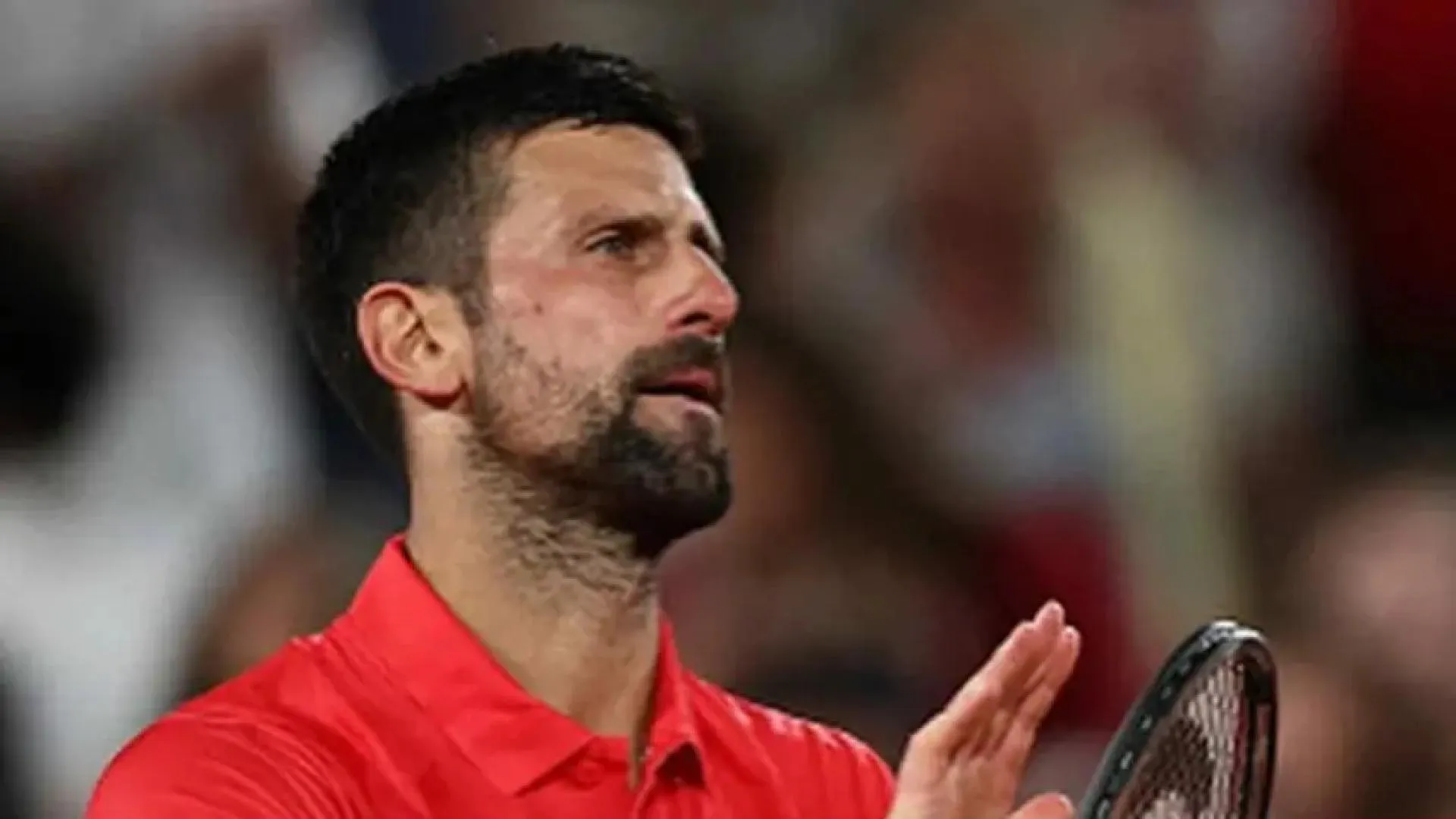
The Weight of History
To understand why 2026 could be pivotal, one must appreciate the sheer scale of what Djokovic has accomplished. He is already the all-time leader in Grand Slam titles, a feat that once seemed unimaginable in the era of Roger Federer and Rafael Nadal. He has also rewritten records for weeks at world No. 1, Masters 1000 titles, and head-to-head victories against his greatest rivals. But greatness, especially for someone of Djokovic’s unrelenting mindset, is not about reaching milestones — it is about pushing beyond them.
Yet even for someone who thrives under pressure, the pursuit of history comes at a cost. Djokovic is no longer the unbreakable 25-year-old who could recover from five-hour marathons without hesitation. The physical toll of his style — built on grinding rallies, elastic movement, and sheer mental endurance — has begun to reveal itself in subtle but unmistakable ways. Injuries have become more frequent, recovery periods longer, and the next generation of players hungrier than ever.
The Rise of the New Guard
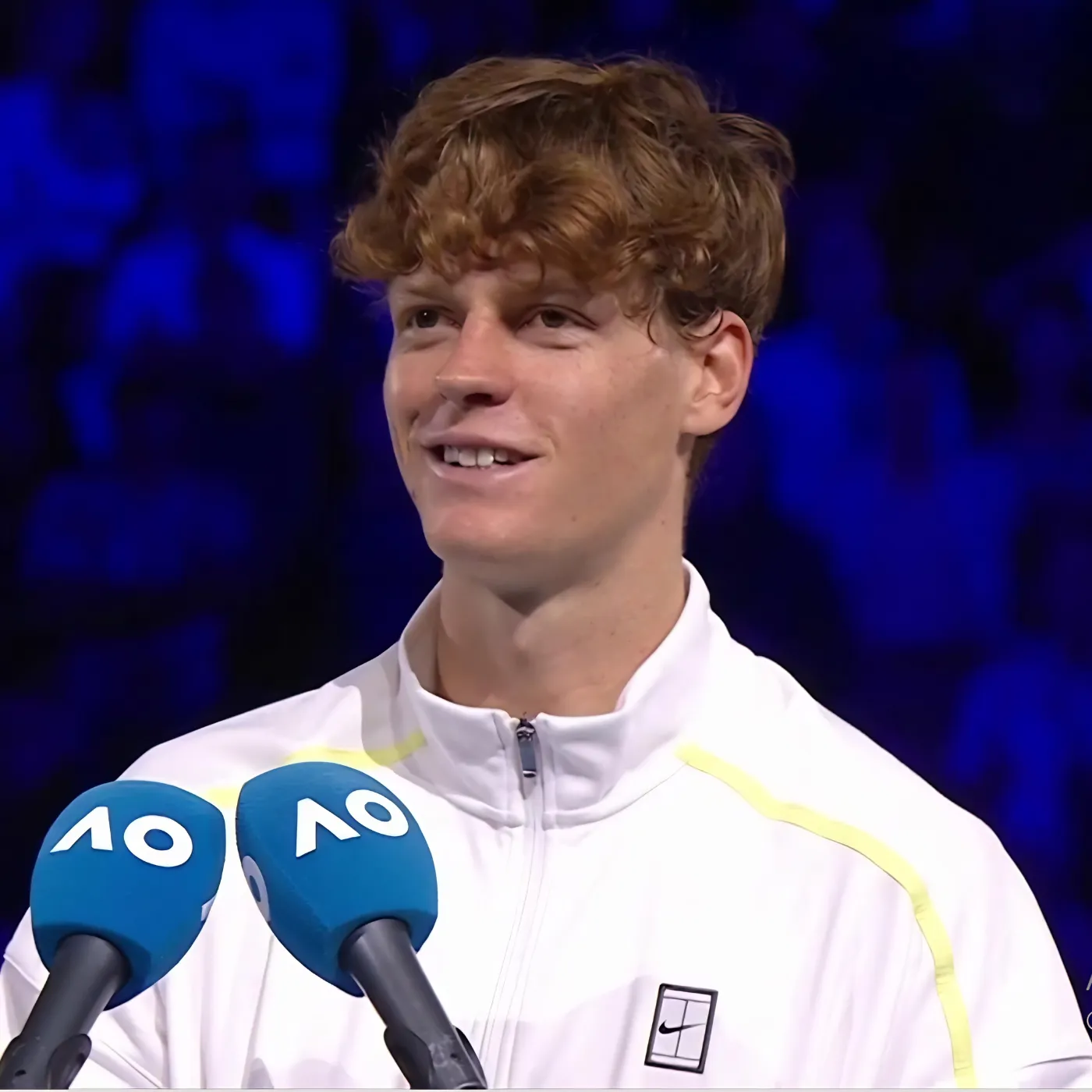
Djokovic’s brilliance has long kept him a step ahead of younger rivals. Yet names like Carlos Alcaraz, Jannik Sinner, and Holger Rune represent a new era of tennis that refuses to bow down to history. Alcaraz, in particular, has emerged as a rival capable of matching Djokovic not only in skill but also in mental toughness, a trait that once separated the Serbian from everyone else.
Their epic Wimbledon final in 2023 marked a symbolic moment — the changing of the guard. While Djokovic still possesses the ability to outthink and outplay nearly anyone on the court, these young stars are no longer intimidated by his aura. Instead, they challenge him with blistering pace, unrelenting aggression, and youthful resilience. The more this new generation rises, the less room Djokovic has to navigate his quest for more titles.
Why 2026 Matters More Than Ever
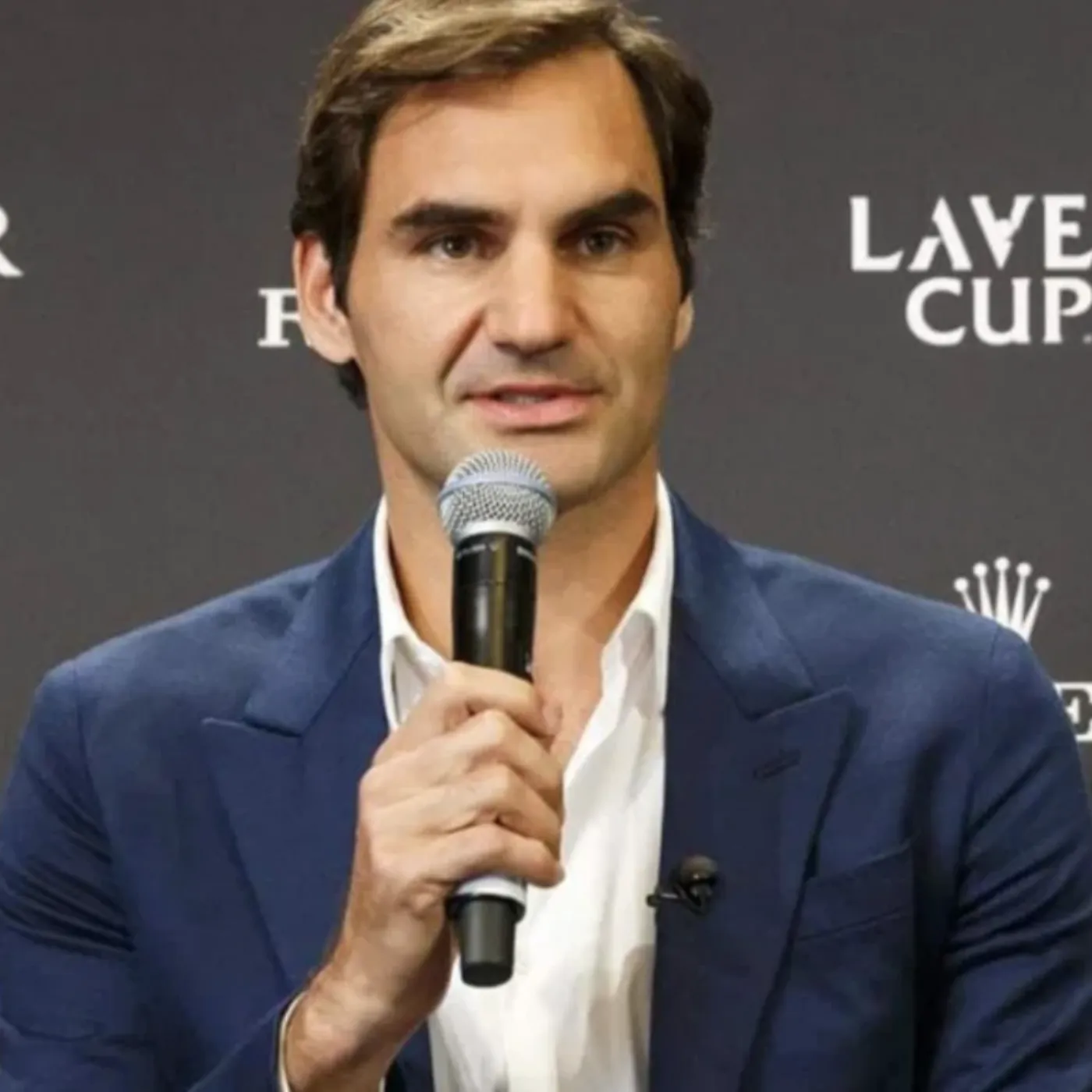
By 2026, Djokovic will be approaching 39 years old — a staggering age for a player still competing for Grand Slam glory. While Roger Federer attempted to extend his peak into his late thirties, his physical decline ultimately proved insurmountable. Djokovic’s meticulous approach to diet, fitness, and recovery has helped him prolong his career, but even he cannot completely evade the natural decline that comes with age.
This timeline makes 2026 particularly significant. It represents the window in which Djokovic still possesses enough of his physical explosiveness and mental sharpness to contend at the very highest level. After that, the likelihood of consistently outlasting players nearly two decades younger than him on the sport’s biggest stages diminishes sharply.
Moreover, several storylines converge in 2026 that could make it Djokovic’s defining year. The Grand Slam records he seeks to extend may be within reach, but so will the threat of them being closed by rising stars. The Olympics, often an elusive prize for Djokovic, will also loom large if he has yet to claim the gold medal that has slipped through his fingers. Every match from here forward carries more weight, every tournament more urgency.
The Psychological Battle
Djokovic’s greatest weapon has never been his forehand or his backhand — it has been his mind. He thrives in hostile arenas, uses boos as fuel, and bends pressure to his will. But even for someone of his mental fortitude, the psychological burden of maintaining greatness deep into his late thirties is immense.
Imagine stepping onto the court knowing that every match could be a defining chapter in your legacy. The pressure isn’t just about winning; it’s about holding back history, ensuring that the younger generation doesn’t prematurely close the book on an era he dominated. Djokovic has spoken openly about how much the chase for records motivates him. Yet motivation can also become a double-edged sword — the more you have to lose, the heavier the burden becomes.
A Legacy Beyond Numbers
For Djokovic, 2026 is about more than just statistics. It is about how he will be remembered when his final ball has been struck. Federer’s elegance and Nadal’s warrior spirit have defined their legacies in ways that transcend numbers. Djokovic’s path has been more complex — he has been both celebrated and vilified, admired for his greatness yet often cast as the outsider. His pursuit of greatness has been relentless, sometimes polarizing, but always compelling.
If 2026 does mark his final peak, it will be his last chance to define his legacy on his own terms. It could be the year where he reclaims dominance over the young stars, silencing those who predict his decline. Or it could be the year where the passing of the torch becomes undeniable, forcing him to confront the inevitable.
The Final Frontier
So where does Djokovic go from here? To maximize his chances, he must adapt — not just physically, but strategically. His game has already evolved countless times, and that evolution must continue if he hopes to compete with the new era. This means shortening points, relying more on his serve and net play, and conserving energy for the grueling battles that still await.
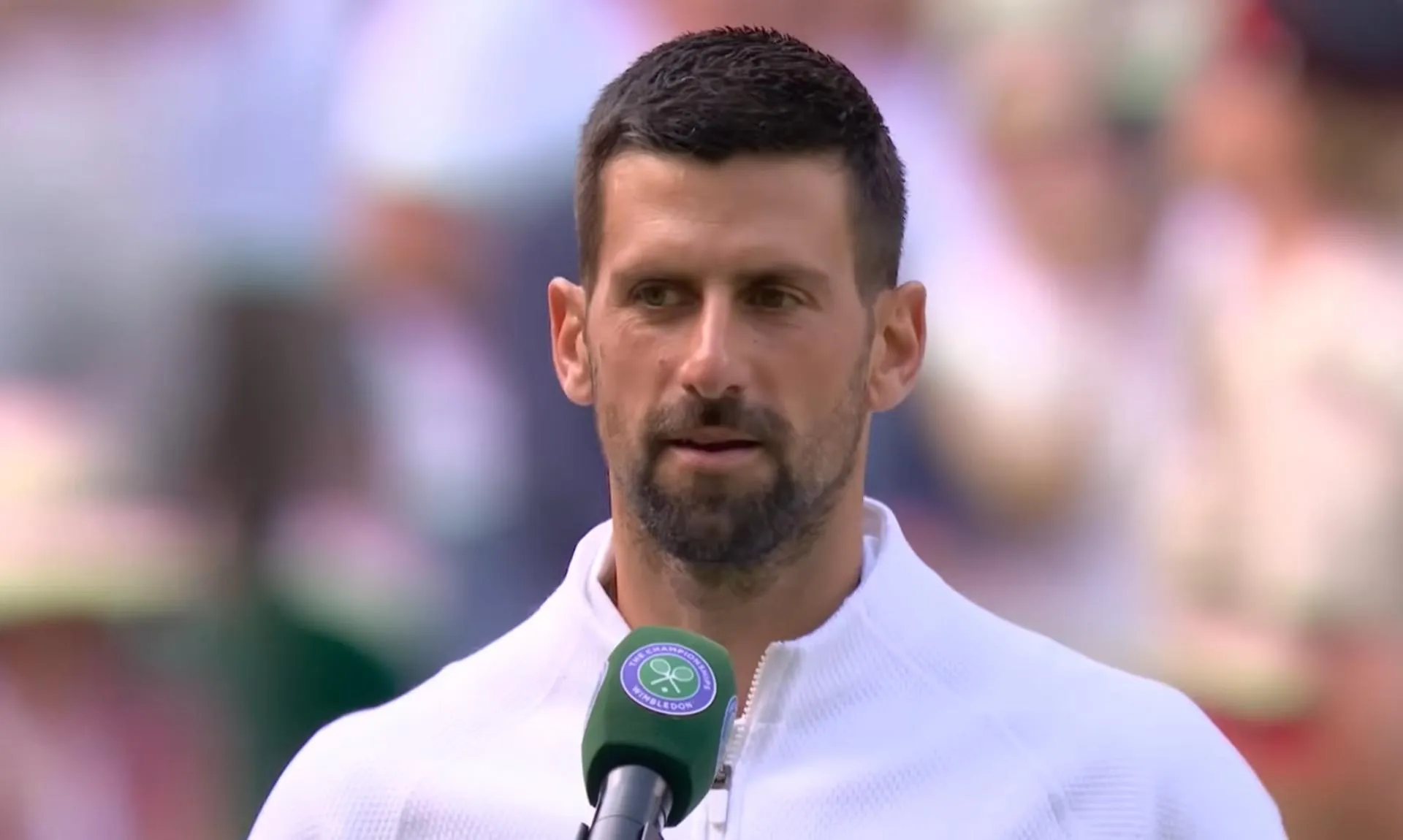
Yet beyond tactics, Djokovic’s final challenge will be emotional: learning how to navigate a sport where the end is no longer distant but within sight. Greatness often demands denial — the refusal to acknowledge one’s limits — but 2026 will require Djokovic to strike a delicate balance between ambition and reality.
Conclusion: One Last Push for Immortality
Novak Djokovic has spent his career proving doubters wrong, rewriting history one match at a time. But now, as the clock ticks toward 2026, his margin for error narrows. Every Slam, every final, every high-stakes match carries the weight of legacy.
Will he leave the game as the unquestioned greatest of all time? Or will the rise of a new generation and the march of time deny him the ending he envisions?
If history has taught us anything, it’s that Djokovic thrives when cornered. And if 2026 truly is his last shot at greatness, don’t be surprised if he produces one final masterpiece — one that echoes through tennis history long after he walks away.
Related News