






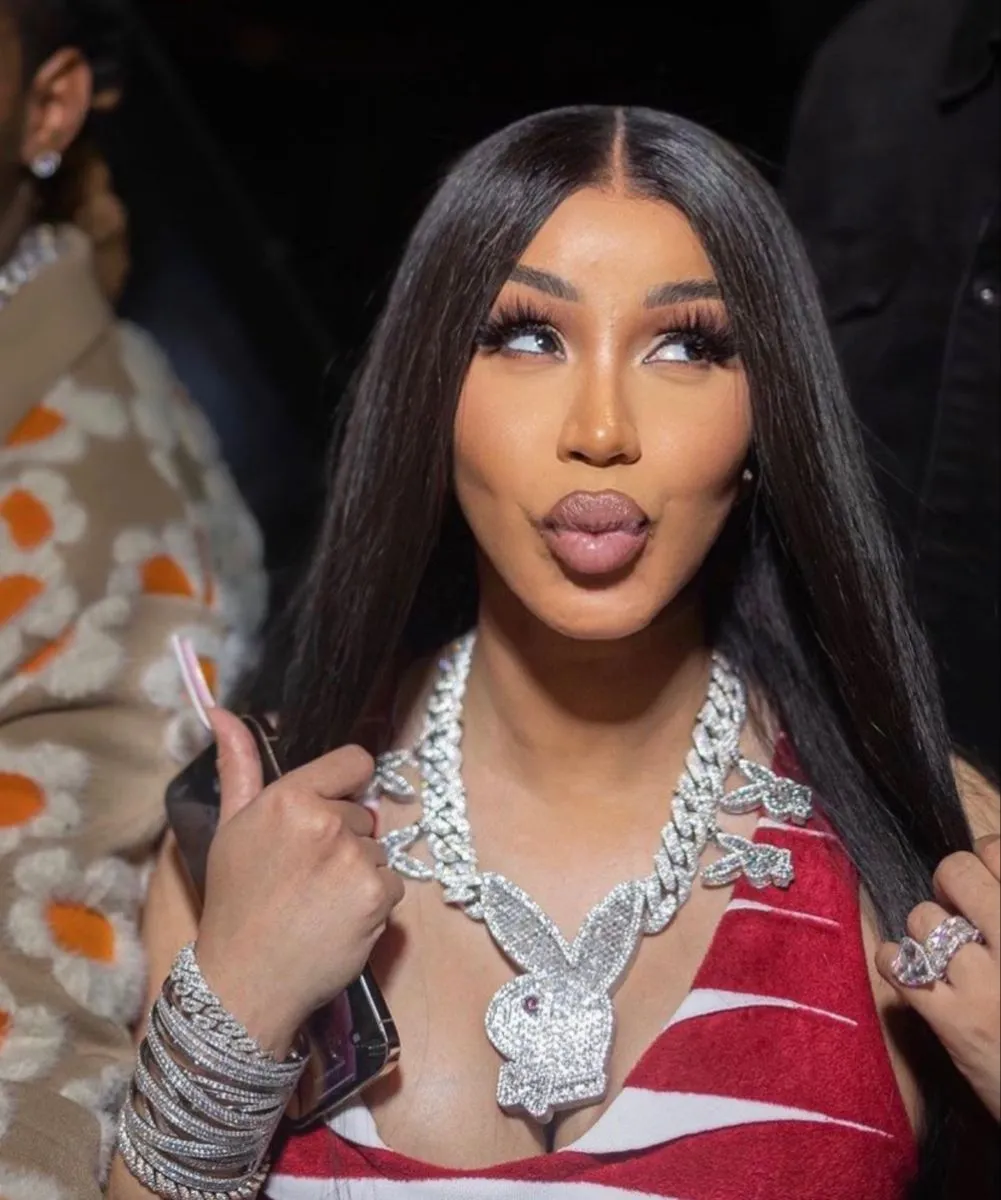
‘Because She’s Latina’? The Internet Reacts to Cardi B Freezing Out Karol G
In the ever-evolving landscape of celebrity culture, few stories grab the attention of the internet as quickly as rumors of conflict between two major stars. This time, the focus has shifted to Cardi B and Karol G, two powerhouse women in the music industry who have been making waves with their unique styles and undeniable influence. However, speculation has emerged about a possible rift between them, with fans asking: Is Cardi B freezing out Karol G? And more controversially, could it be “because she’s Latina”? These questions have ignited heated discussions across social media, drawing in both fans and critics who are eager to uncover the truth behind the rumored tension.
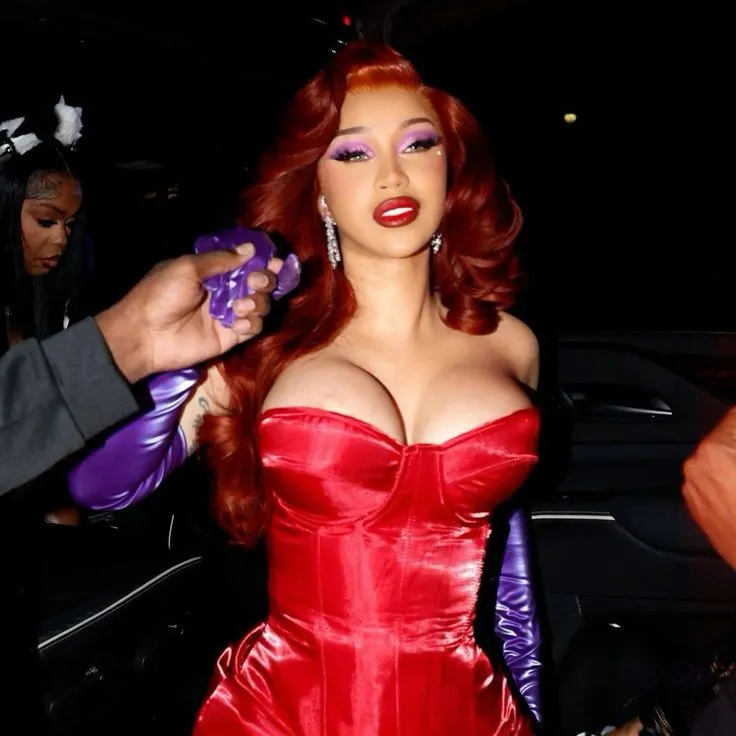
The Speculation Around Cardi B and Karol G
The buzz started when fans noticed Cardi B’s conspicuous absence from collaborative events and acknowledgments that featured Karol G. Observers pointed out that while Cardi B has worked with a range of artists across genres, her interactions with Karol G—one of the most prominent Latina musicians today—have been surprisingly limited. This silence has been interpreted by some as deliberate, sparking theories that Cardi B is intentionally avoiding collaboration or public association with the Colombian star.
On Twitter, TikTok, and Instagram, threads and videos dissecting their interactions—or lack thereof—have gone viral. Many fans are convinced that there’s an underlying tension, while others insist that the supposed “freeze-out” is simply a case of overanalyzing celebrity behavior. Still, the discussion grew more complex when race and ethnicity were brought into the mix, with some questioning whether Latina representation in mainstream American music plays a role in the dynamics between the two artists.
Why the Question of Ethnicity Matters
The phrase “because she’s Latina” has become a rallying cry among Karol G’s fans, who feel that Latina artists are often marginalized in industries dominated by English-speaking performers. Karol G, despite her global success, is still largely known as a Spanish-language artist, while Cardi B—born to Dominican and Trinidadian parents—has built her career primarily within the American hip-hop and pop landscape.
This raises an important point about intersectionality and representation. Cardi B, who has often spoken about her Afro-Latina identity, occupies a unique space in the music industry. Yet, some critics argue that her success within the American mainstream has come at the cost of distancing herself from Latina peers who primarily sing in Spanish. These critics suggest that the lack of collaboration with Karol G could signal an intentional choice to maintain that distance.
Supporters of this argument also point out that collaborations between Latina artists and mainstream rappers or pop stars often face additional challenges. There’s a perception that Spanish-language music is treated as a niche genre, and artists who dominate that space, like Karol G, may not always be fully embraced by the American music establishment. This creates a tension in how Latina representation is perceived and supported in global music markets.
Social Media Reacts: Fans Draw Their Own Conclusions
The internet has a way of taking small details and amplifying them into full-blown narratives, and this situation is no exception. Fans have combed through interviews, red carpet events, and even subtle Instagram interactions for clues. When Karol G’s recent projects and performances failed to get a shoutout from Cardi B—despite the two sharing industry circles—social media detectives interpreted this as further evidence of a deliberate snub.
Twitter users quickly pushed the conversation into trending territory. One viral tweet read: “So Cardi B can work with everyone under the sun but not Karol G? Interesting. Almost like she doesn’t want to uplift another Latina woman. #BecauseShesLatina”. On TikTok, users created compilation videos comparing Cardi B’s supportive posts for other artists with her silence around Karol G, often overlaying the content with dramatic captions and commentary.
Of course, not everyone agrees with these interpretations. Some fans defended Cardi B, arguing that not every artist is obligated to collaborate or publicly support one another. “People are making drama out of nothing,” one user wrote. “Cardi doesn’t owe Karol G a co-sign. They don’t even make the same type of music.” This divide among fans has fueled even more debate, illustrating how celebrity culture often reflects broader societal tensions.
The Role of Media in Amplifying the Narrative
It’s impossible to discuss this controversy without acknowledging how media platforms fuel the narrative. Headlines like “Cardi B Freezes Out Karol G” or “Tension Between Two Latin Powerhouses?” generate clicks and engagement, even if there’s little concrete evidence to support the claims. In turn, these stories are shared widely, reinforcing the perception of conflict even if neither artist publicly addresses it.
This cycle of speculation underscores the role of digital media in shaping how we perceive celebrities. In an era where every unfollow, comment, or lack of acknowledgment can become a story, artists are often placed under a microscope. The question then becomes: are we witnessing a genuine rift, or are we projecting narratives onto two women who are simply navigating their careers in their own ways?
Cardi B’s Public Persona and Her Silence
Part of what makes this situation so compelling is Cardi B’s larger-than-life personality. Known for her outspokenness and willingness to address rumors head-on, her silence regarding Karol G has been particularly noticeable. For someone who often takes to social media to clear the air, the lack of a public response has only added fuel to the fire.
Some industry insiders speculate that this could be a strategic move. Cardi B is no stranger to media controversies, and choosing not to engage might be her way of avoiding giving the story more oxygen. Others believe that her silence speaks volumes, signaling that there’s some truth to the speculation. Without an official statement from either party, the void is filled with fan theories and media narratives.
Karol G’s Perspective: Does She Even Care?
Interestingly, Karol G has remained equally silent on the issue, focusing instead on her booming career. From chart-topping albums to high-profile performances, the Colombian superstar has been dominating the global music scene in her own right. Her ability to thrive without co-signs from American rap or pop stars might explain why she hasn’t addressed the speculation at all.
Some fans argue that Karol G doesn’t need validation from Cardi B—or anyone else—in order to continue her rise. In fact, the very conversation about Cardi B’s alleged “freeze-out” could inadvertently highlight just how influential Karol G has become, with or without mainstream American endorsements.
Cultural Dynamics at Play
At the heart of this debate are deeper cultural questions about how Latina artists are valued in the music industry. While artists like Karol G have successfully broken barriers, there’s still a perception that Spanish-language musicians are often kept at the periphery of American pop culture. This dynamic creates tension, particularly when comparing their careers to those of artists who have fully crossed over into the U.S. mainstream.
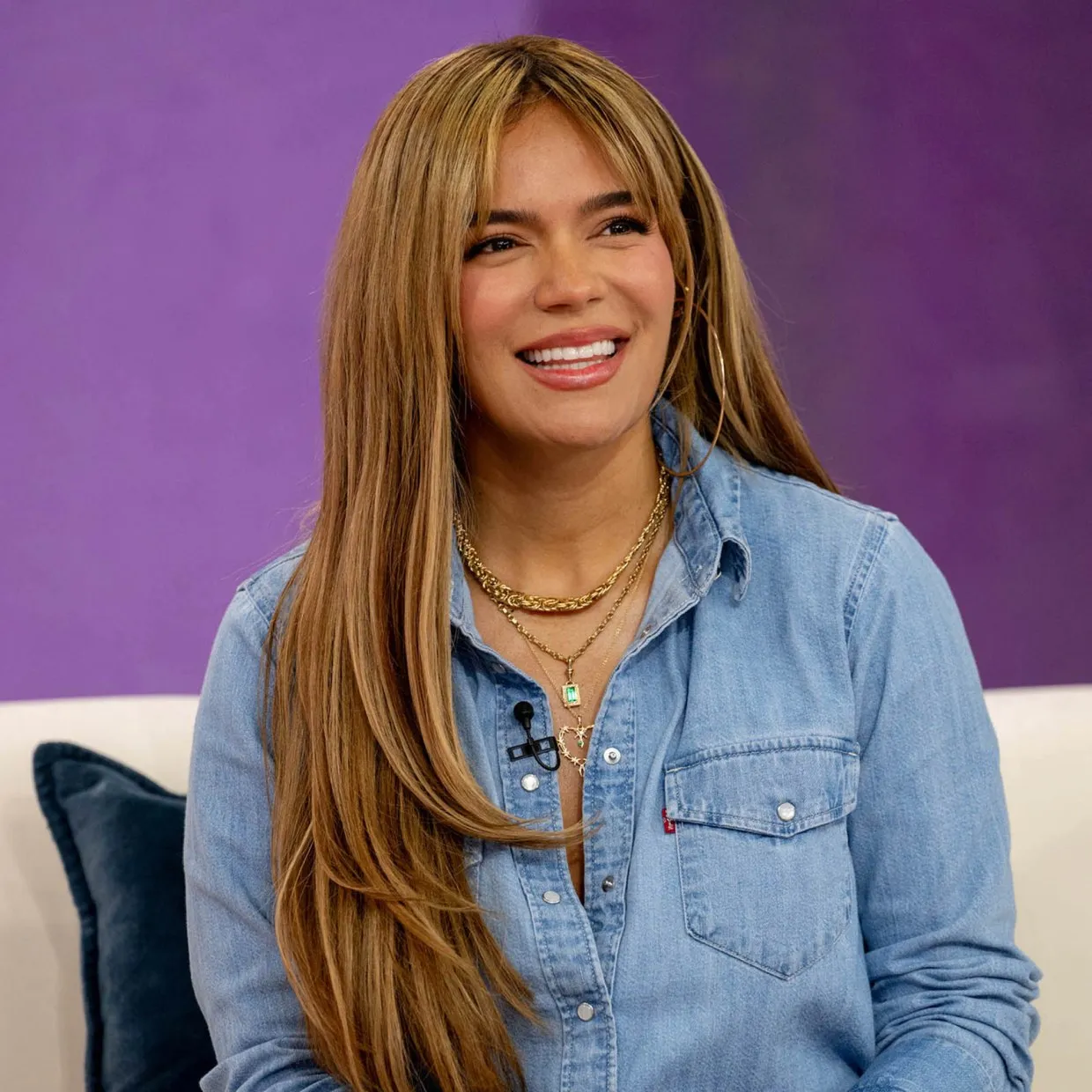
Cardi B, who herself is a product of multiple cultural identities, occupies a complex space in this conversation. She has often spoken proudly of her Dominican heritage, but some critics feel that she has leaned more heavily into her American persona when it benefits her career. Whether fair or not, this perception plays into the narrative that she may be reluctant to associate too closely with artists like Karol G, whose identities are more rooted in Latin American culture.
What Does This Mean for the Future?
Whether or not there’s truth to the rumors, one thing is clear: this conversation has struck a chord because it touches on broader issues of representation, cultural identity, and solidarity among women in the music industry. Fans are increasingly demanding transparency and collaboration, particularly when it comes to artists who share similar cultural backgrounds.
If Cardi B and Karol G were to collaborate in the future, it could be a powerful statement—one that defies the current narrative of division and instead emphasizes unity. Such a move would not only quash the rumors but also signal a commitment to uplifting Latina representation in mainstream music.
Until then, the internet will continue to speculate, dissect, and debate every move—or non-move—these two stars make. Whether this is a manufactured controversy or a reflection of genuine industry dynamics, it has undeniably sparked an important conversation about how we view Latina artists in the global entertainment space.