




Without Peyton Manning, There’d Be No Brady as We Know Him — How the Rivalry Forged a Legend
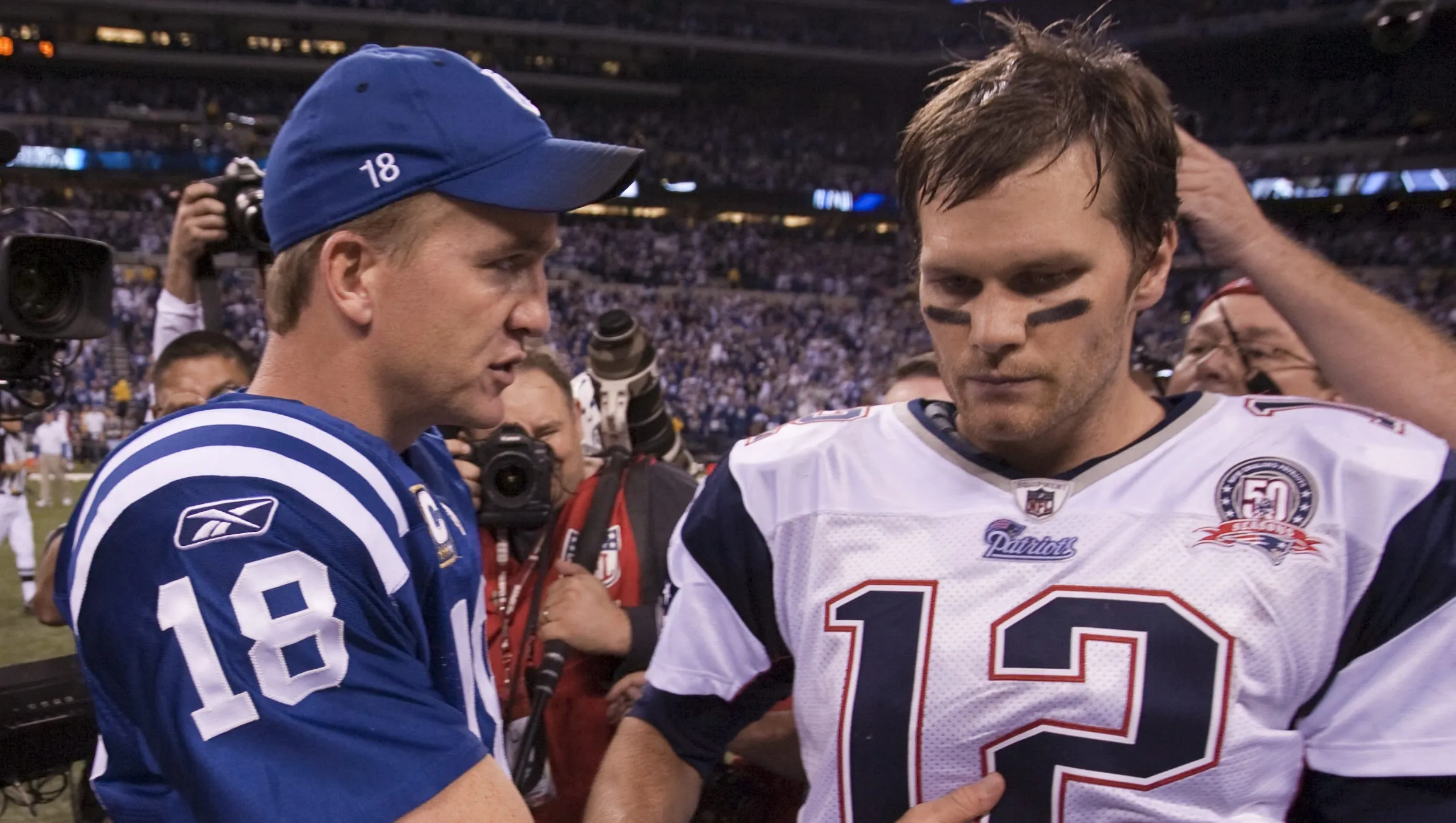
In the vast tapestry of the NFL, few rivalries stand as iconic, as compelling, and as deeply transformative as the one between Tom Brady and Peyton Manning. Their battles defined a generation of football, captivating fans not just because of their extraordinary skill but because of how each quarterback seemed to push the other to new heights. To truly understand Brady’s rise to greatness, one cannot overlook the crucible of competition forged by Manning. It wasn’t merely two quarterbacks meeting on Sundays; it was a rivalry that reshaped careers, rewrote record books, and redefined what excellence in the NFL looked like. Simply put, without Peyton Manning, there may have been no Brady as we know him today.
The Early Days: Brady the Underdog, Manning the Prodigy
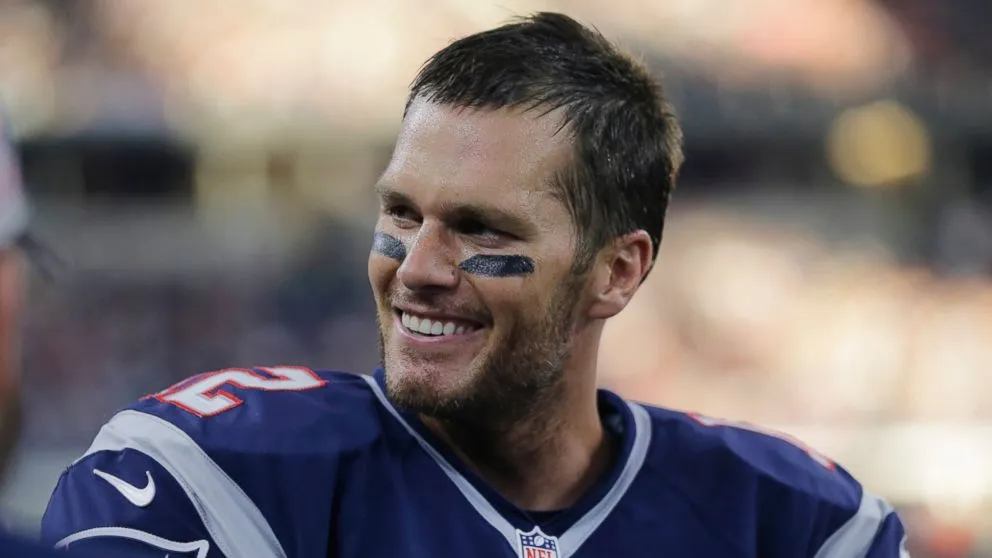
At the dawn of their rivalry, Peyton Manning was already being groomed as one of the NFL’s greats. Drafted first overall by the Indianapolis Colts in 1998, he entered the league with immense expectations. Manning’s cerebral approach, unmatched work ethic, and precision passing quickly established him as one of the most gifted quarterbacks in the game. By contrast, Tom Brady arrived under vastly different circumstances. Selected in the sixth round of the 2000 draft, Brady began his career as a backup for the New England Patriots, buried deep on the depth chart with little expectation of becoming a star.
Their paths collided when Brady took over for an injured Drew Bledsoe in 2001. That season would ignite a journey that neither Manning nor Brady could have foreseen—a clash of two titans, each with something to prove. Manning was the league’s chosen golden boy, while Brady was the relentless underdog with an unshakable chip on his shoulder. Their contrast in style and persona added layers of intrigue. Manning was the consummate tactician, dissecting defenses like a surgeon, while Brady embodied calm efficiency, thriving under pressure and executing with ruthless precision.
Manning as the Barometer of Greatness
From the outset, it became clear that Manning set the standard Brady had to meet. The Colts quarterback’s gaudy passing numbers, command of the offense, and consistency kept defenses on their heels and analysts in awe. For Brady, who played in a system that emphasized balance, ball control, and situational mastery under Bill Belichick, Manning represented something more than a rival—he was the benchmark. Brady had to not only beat Manning head-to-head but also prove that his own brand of quarterbacking could rival Manning’s statistical dominance.
In those early seasons, Brady’s teams often prevailed over Manning’s Colts, sparking the narrative that Brady was the ultimate winner while Manning was the ultimate stat-padder. But behind the headlines, Brady was watching, learning, and internalizing the lessons from Manning’s approach. If Brady wanted to go from being a system quarterback to a generational legend, he would need to evolve—and Manning’s presence provided the perfect impetus for that evolution.
The Rivalry That Defined an Era
The matchups between the Patriots and Colts became must-see television, defining the NFL landscape in the early 2000s. These games were more than contests; they were chess matches, often decided in the margins by a single audacious throw or a crucial defensive stand. Brady’s Patriots often had the upper hand, leveraging Belichick’s defensive wizardry to frustrate Manning in the playoffs. Yet Manning’s persistence and growth eventually turned the tide, culminating in his 2006 AFC Championship win over New England en route to his first Super Bowl title.
These back-and-forth duels elevated both men. Brady’s steely confidence and ability to perform in clutch moments shined brightest in games where Manning loomed on the other sideline. Manning, in turn, refused to let Brady’s early dominance define the rivalry, retooling his approach and rewriting the script. Every interception, every touchdown, every heartbreak added fuel to the fire. Their meetings were not just about who would advance in the postseason—they were about legacy.
How Manning Shaped Brady’s Greatness
To argue that Brady’s greatness was shaped by Manning is no slight to the Patriots’ quarterback; rather, it is an acknowledgment of how competition refines champions. Brady himself has admitted that facing Manning brought out his best, forcing him to evolve from a game manager into a quarterback capable of carrying an offense on his shoulders. If Brady’s early Super Bowl runs were built on defense and discipline, his later career saw him become an offensive juggernaut—a transformation catalyzed, in part, by Manning’s relentless pursuit of perfection.
Manning’s presence pushed Brady to improve his mechanics, expand his understanding of offensive schemes, and elevate his statistical output. Brady, once seen as merely efficient, began posting eye-popping numbers, matching Manning throw for throw. The two men traded MVP awards, broke records, and dominated headlines, each unwilling to cede ground to the other. In essence, Manning forced Brady to reinvent himself—not just as a winner but as an all-time great in every facet of the game.
Mutual Respect Beyond the Rivalry
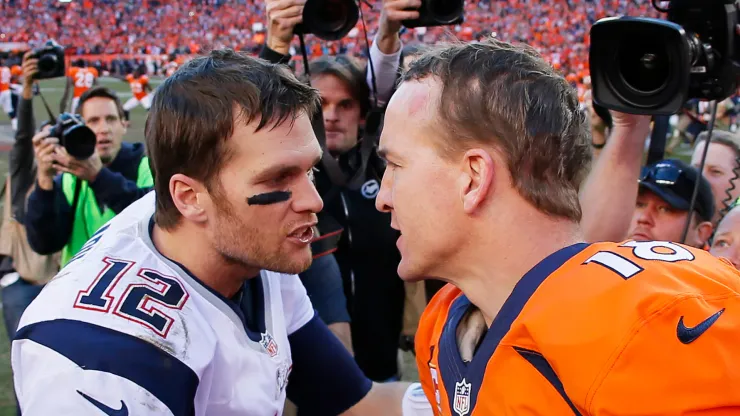
What made this rivalry particularly special was the mutual respect between the two quarterbacks. Unlike many heated rivalries, theirs was rooted in admiration as much as competition. Brady often spoke glowingly of Manning’s intelligence and preparation, while Manning praised Brady’s mental toughness and ability to thrive in big moments. This mutual acknowledgment elevated their encounters beyond mere games—they were battles of legacy, with each quarterback knowing that the other was essential to his own story.
Even after Manning’s retirement, Brady has continued to credit his rival for sharpening his edge. It is no coincidence that many of Brady’s most defining moments—from comeback wins to record-breaking seasons—came during the height of his battles with Manning. The Colts and later the Denver Broncos quarterback forced Brady to dig deeper, to refuse complacency, and to embrace the challenge of proving himself time and again.
The Broader Impact on the NFL
The Brady-Manning rivalry transcended individual careers, reshaping the NFL itself. Their frequent meetings in the AFC Championship and playoff games turned the conference into a gauntlet of quarterback excellence. The NFL, recognizing the star power of their matchups, leaned heavily into promoting their duels, ushering in an era where quarterback rivalries became central to the league’s marketing.
Their rivalry also elevated the importance of quarterback play in modern football. The days of winning with a dominant defense and a caretaker quarterback were fading; to hoist the Lombardi Trophy, teams needed elite play at the most important position. Brady and Manning redefined the template, showing that sustained excellence at quarterback could lead to dynastic success.
The Legacy They Built Together
Today, when discussing Tom Brady’s status as the greatest of all time, it is impossible to separate that narrative from his rivalry with Peyton Manning. Brady’s seven Super Bowl rings stand as unmatched accomplishments, but the road to those titles was paved, in part, by his battles with Manning. Their games hardened Brady, tested his limits, and ultimately cemented his place in history.
Similarly, Manning’s own legacy—a two-time Super Bowl champion, five-time MVP, and one of the most cerebral quarterbacks ever—was shaped in the fires of competition with Brady. The respect they earned from each other is the kind that only comes from surviving the gauntlet of an era-defining rivalry.
Conclusion: Why There Is No Brady Without Manning
In the end, the story of Tom Brady cannot be told without Peyton Manning. Their rivalry was not merely a subplot of the 2000s and 2010s NFL; it was the very heartbeat of the league during that era. Without Peyton Manning, Brady might have remained an efficient, winning quarterback—but perhaps not the relentless, record-breaking, and transcendent icon we know today. Manning forced Brady to chase greatness, and in doing so, helped forge a legend.
And while the debate over who was greater may rage on among fans, one truth remains clear: the Brady-Manning rivalry was a gift to football, an enduring testament to how competition can elevate even the best to heights they never imagined.
Related News