








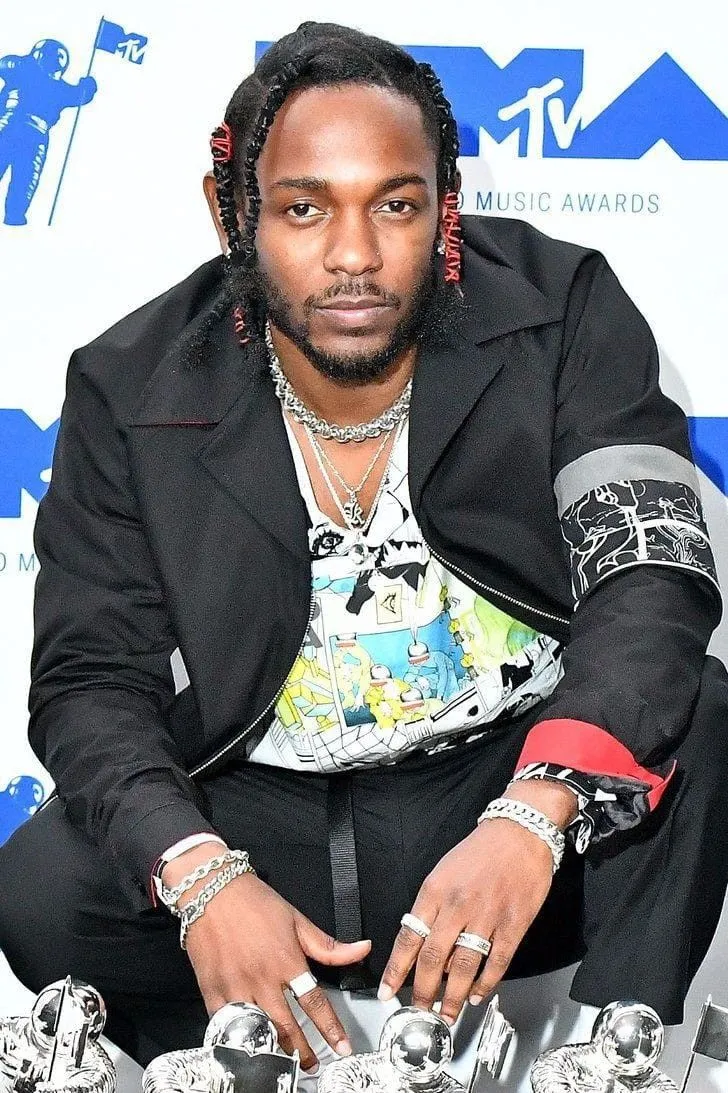
Kendrick Lamar Quietly Built a Global Design Movement — Over 30 Young Creators Got Their Break Thanks to His Grand National Tour
When Kendrick Lamar embarked on his Grand National Tour, fans expected lyrical brilliance, captivating stage presence, and groundbreaking visual performances. What they didn’t expect, however, was the quiet yet transformative ripple the tour would cause across the global creative industry.

Without making headlines about it, Kendrick Lamar managed to create an organic design movement that opened doors for more than 30 emerging designers, photographers, and visual artists, giving them the opportunity to showcase their craft on an international stage. This movement not only reflects Lamar’s commitment to uplifting others but also underscores the evolving relationship between music, design, and cultural production in the 21st century.
The Hidden Vision Behind the Tour
To understand how this unfolded, one must first grasp the intentionality behind Kendrick Lamar’s approach to his tours. Lamar has always blurred the line between music and visual art, using his albums and performances as extended narratives rather than isolated creative works. For the Grand National Tour, his vision expanded beyond just putting on a good show; he wanted to reimagine live performance aesthetics and create a space where fresh voices in design could contribute to the narrative.
Instead of working exclusively with established design houses, Lamar and his team at pgLang began reaching out to independent artists — often young, underrepresented creators who lacked mainstream exposure. These individuals weren’t simply brought in to execute existing ideas; they were given creative freedom to shape the identity of the tour. Posters, stage visuals, merchandise, and even elements of the tour’s branding carried the fingerprints of young designers from around the world.
This approach reflects Lamar’s long-standing ethos: to challenge norms and empower communities through artistic collaboration. By opening his tour to contributions from these creators, he redefined what it means to build a cultural movement through music.
Creating Opportunities for Emerging Talent
For many of the 30+ young creators who participated, the Grand National Tour was a life-changing experience. These were not interns or low-level assistants; they were artists whose ideas were front and center in shaping a major international production. Lamar’s team specifically sought out individuals who brought innovative cultural perspectives — from typography designers in Lagos to fashion illustrators in Tokyo — creating a melting pot of global aesthetics.
For instance, one designer from South Africa shared that the opportunity to craft custom visuals for Kendrick’s stage backdrop not only validated their artistic vision but also catapulted their career into international collaborations. Another graphic artist from Brazil recalled how their concept for a series of merchandise designs sold out in minutes at pop-up events, turning what was once a side hustle into a sustainable creative business.
By leveraging his global platform, Lamar didn’t just commission work; he provided visibility. In an industry where many young artists struggle to gain traction, being credited for creative contributions to one of the biggest tours in recent years has proven transformative. Several participants have since gone on to collaborate with major brands, secure gallery shows, and establish themselves as recognized names in design circles.
Redefining Tour Merch as Cultural Artifacts
One of the most notable outcomes of this collaboration was the reinvention of tour merchandise. For years, tour merch has been treated as a souvenir, often mass-produced with minimal artistic value. But Lamar approached it differently — seeing merch as an extension of his artistic narrative.
Each piece of clothing, each poster, each physical item associated with the Grand National Tour was co-designed by young creators. Instead of one-dimensional logo-based shirts, fans found themselves purchasing wearable art — limited-edition pieces that reflected diverse cultural influences. The designs pulled from African textile patterns, Japanese minimalist aesthetics, and even street-art-inspired graphics from American inner cities, making every piece feel deeply connected to the stories Lamar has always told in his music.
This new way of looking at merch as cultural artifacts resonated with audiences. Items from the Grand National Tour quickly became highly sought-after, not merely for their association with Lamar but for their design integrity. This is where the genius of the project shines: Kendrick wasn’t just selling products; he was amplifying the work of creators who deserved a stage as big as his own.
The Global Footprint of a Quiet Revolution
It’s easy to underestimate the scale of Lamar’s impact here because he hasn’t made this collaboration the centerpiece of his public narrative. There was no grand announcement about “empowering young designers” or “launching a global design initiative.” Instead, he allowed the work to speak for itself. As the tour traveled across continents, audiences experienced the fusion of local culture with global artistry, with each city feeling uniquely touched by the aesthetic choices made by the contributing creators.
This quiet revolution highlights the decentralized nature of modern cultural production. Lamar didn’t just create a platform; he built a network — one where young creators could collaborate, learn from each other, and share resources beyond the duration of the tour. Several of the participants have continued working together on new projects, citing the Grand National Tour as the catalyst that brought them into each other’s creative orbit.
Kendrick Lamar as a Cultural Architect
It’s no accident that Kendrick Lamar has been referred to as one of the most important cultural figures of his generation. He doesn’t simply make music; he designs cultural experiences. From the storytelling in his albums like To Pimp a Butterfly and DAMN. to the multi-sensory approach of his live performances, Lamar operates at the intersection of multiple disciplines.
By integrating design into the very DNA of his tour, he has solidified his role as a cultural architect — someone who builds spaces for creativity to thrive. And while his music remains the centerpiece, it’s clear that his legacy will also include the infrastructure he created for other artists to flourish.
The Long-Term Impact on the Creative Industry
The impact of the Grand National Tour on the design industry is still unfolding. For many of the creators involved, it served as an introduction to global audiences and industry leaders who might otherwise have overlooked them. It has also set a precedent for how major artists can integrate emerging talent into large-scale productions without tokenizing them.
Brands, too, are paying attention. Several fashion labels and design firms have expressed interest in adopting similar models of collaboration, citing Kendrick’s tour as proof that authentic cultural integration leads to deeper audience engagement. In this way, the tour has transcended its immediate purpose and become a blueprint for the future of creative collaborations.
Why This Matters Beyond Music
The success of Kendrick Lamar’s global design movement isn’t just about the individual careers it launched; it’s about redefining what it means to use influence responsibly. In an era where celebrity-led collaborations often feel transactional, Lamar’s approach reminds us that meaningful impact comes from creating opportunities for others. By intentionally involving young creators in his tour, he has expanded the definition of what a music tour can be — not just a series of performances, but a cultural incubator.

This matters because it challenges other artists to think beyond their immediate creative outputs. If one tour can give rise to over 30 careers, imagine what could happen if more influential figures adopted similar practices. Lamar has proven that artistic excellence and community-building can coexist, and in doing so, he has raised the bar for what fans and creators alike should expect from their cultural icons.
Conclusion: The Legacy of the Grand National Tour
Kendrick Lamar’s Grand National Tour will undoubtedly be remembered for its music, but its most enduring legacy may be the quiet design revolution it sparked. Over 30 young creators — once working in relative obscurity — now have the recognition, experience, and global visibility needed to advance their careers. More importantly, Lamar has shown the world that true cultural power lies in collaboration, in lifting others up, and in recognizing that artistry doesn’t exist in isolation.
This isn’t just the story of a tour. It’s the story of how one of the world’s greatest artists built a movement — quietly, intentionally, and with a commitment to ensuring that the next generation of creators not only has a seat at the table but also the freedom to reshape it entirely.