






She’s Suing Cardi B Over That Mic Toss — What Really Happened in That Explosive 2023 Vegas Moment?
In the world of music and entertainment, few incidents have captured public attention quite like Cardi B’s infamous mic toss during a live performance in Las Vegas in July 2023. What began as a seemingly ordinary summer concert quickly spiraled into one of the most talked-about moments of the year, dominating social media feeds, entertainment news cycles, and legal debates. Now, as we step into 2025, the dust has yet to settle. A woman involved in the incident has filed a lawsuit against the Grammy-winning rapper, seeking damages and public accountability. But beyond the headlines and viral clips, what really happened that night? And why has this incident become a focal point for discussions about celebrity behavior, audience conduct, and the blurred line between performance boundaries and personal rights?
This article dives deep into the incident itself, the aftermath, and the unfolding legal battle, examining the layers of context that make this more than just a tabloid story.
The Night That Changed Everything: Cardi B in Las Vegas
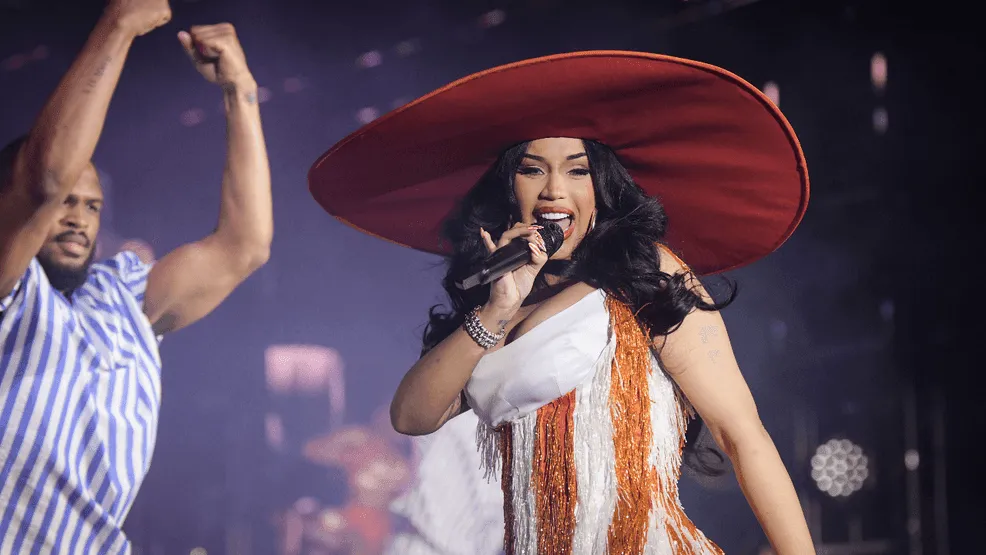
On a scorching summer evening in late July 2023, Cardi B took the stage at Drai’s Beachclub in Las Vegas for what was intended to be a high-energy poolside performance. The atmosphere was electric. Fans, many of whom had traveled across states, packed the venue to see the hip-hop superstar perform her chart-topping hits. Concertgoers described the scene as an “all-out party,” with the artist engaging directly with her fans. But like many live shows, particularly those in intimate nightclub settings, there was a thin barrier between the performer and the audience.
As Cardi B performed under the blazing Vegas sun, some fans began tossing drinks onto the stage — a common but controversial concert behavior that has made headlines across multiple tours for various artists in recent years. According to witness statements, one fan allegedly threw the contents of their drink directly at the rapper while she was mid-song. In what can only be described as an instinctive reaction, Cardi B hurled her microphone toward the direction of the crowd, hitting an individual who was later revealed not to be the drink-thrower but an uninvolved audience member.
From Viral Clip to National Debate
It didn’t take long for videos of the incident to make their way online. In fact, within minutes, the clip of Cardi B tossing the mic had been uploaded to TikTok, Instagram, and X (formerly Twitter), racking up millions of views in hours. The footage, shot from multiple angles, showed a visibly frustrated Cardi B retaliating after being splashed.
What was initially perceived as a heated yet isolated incident quickly ballooned into a national conversation about celebrity accountability. Fans were divided. Some defended Cardi B’s actions, arguing that artists should not have to tolerate being assaulted with objects or liquids during performances. Others criticized her for responding in a way that put innocent fans at risk, highlighting that her reaction — while emotionally understandable — crossed a dangerous line.
The debate intensified when the woman who was struck by the mic, identified only as a Las Vegas resident in her 20s, filed a police report shortly after the concert. Although no immediate criminal charges were filed, the groundwork for civil litigation had been laid.
The Lawsuit: Seeking Justice or Setting a Precedent?
Fast-forward to 2025, and that same woman has taken her grievance to court, filing a lawsuit against Cardi B for battery, emotional distress, and negligence. According to the lawsuit, the plaintiff claims she suffered physical injuries and psychological trauma after being struck by the heavy microphone.
Her legal team argues that Cardi B’s actions were not simply a “heat of the moment” reaction but a reckless decision that endangered concertgoers. They are reportedly seeking substantial financial damages for medical expenses, pain and suffering, and punitive measures to hold the rapper accountable.
On the other hand, Cardi B’s representatives have pushed back hard, asserting that the lawsuit is opportunistic. Her team argues that the incident was provoked by a deliberate act of aggression — the drink thrown at her — and that she reacted in self-defense under chaotic circumstances. They also point out that the mic toss was not intended for the plaintiff but at the individual who assaulted her with the drink.
Celebrity and Audience: Where Do the Boundaries Lie?
This case raises profound questions about the dynamic between performers and their audiences. At the heart of the debate is the issue of safety — both for artists on stage and fans in attendance.
In recent years, there has been a noticeable uptick in incidents where concertgoers throw objects at performers, from drinks to phones to even dangerous projectiles. Stars like Drake, Bebe Rexha, and Harry Styles have also been victims of onstage attacks, sparking conversations about whether fans are crossing the line in pursuit of viral moments. Cardi B’s situation, while extreme, is part of this growing trend.
However, the reaction of artists to these provocations also deserves scrutiny. While Cardi B’s defenders insist her response was justified, critics argue that performers have a responsibility to maintain composure, particularly when their actions could harm innocent individuals. This balance — between self-protection and professional restraint — lies at the crux of the public debate.
The Legal Landscape: A Difficult Case to Navigate
The lawsuit against Cardi B is far from straightforward. On one hand, the plaintiff has a compelling narrative: she attended a concert to enjoy music, not to become collateral damage in a performer’s retaliation. If her injuries are well-documented, she could sway a jury to see Cardi B’s actions as excessive.
On the other hand, Cardi B’s defense will likely lean heavily on provocation and context. Her lawyers may argue that the initial assault — the drink throw — created an unpredictable and hostile environment, and that her reaction was a split-second decision made in the heat of the moment.
Legal experts suggest that this case could set an important precedent for how courts view artist responses to audience misconduct. If Cardi B is found liable, it may influence how performers handle similar situations in the future, potentially reshaping concert security protocols and performer-audience interactions.
Public Reaction: Team Cardi or Team Plaintiff?
Public opinion remains as divided as ever. Cardi B’s die-hard fans have flooded social media with support, framing her as a victim of disrespectful fan behavior and dismissing the lawsuit as an opportunistic cash grab. Others see the lawsuit as a necessary check on celebrity behavior, arguing that being famous does not excuse someone from accountability when their actions harm others.
Interestingly, the case has sparked broader discussions about the parasocial relationship between celebrities and fans. Some cultural commentators suggest that the increasing intimacy between performers and their audiences — fueled by social media and smaller, interactive venues — has blurred traditional boundaries, leading to heightened tensions and unpredictable confrontations.
What Happens Next?
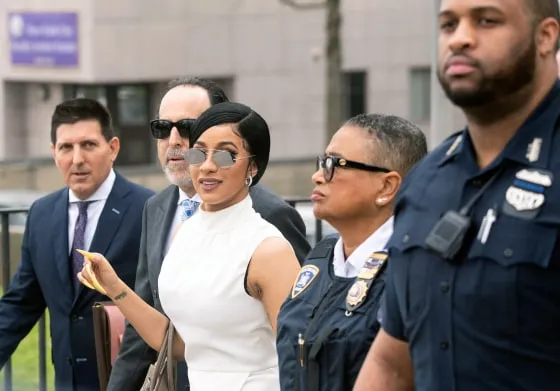
As the case moves forward, all eyes are on the courtroom. Cardi B, known for her unfiltered personality and willingness to speak her mind, may take the stand to defend herself, a spectacle that will almost certainly draw massive media coverage.
Whether the lawsuit results in a quiet settlement or a dramatic trial, its implications extend far beyond Cardi B. This case is a flashpoint for the entertainment industry, forcing a reckoning with how artists, audiences, and venues navigate the increasingly complex landscape of live performances in the age of viral content.
Conclusion: More Than a Mic Toss
At first glance, this might seem like just another celebrity scandal, another viral moment that will fade as quickly as it appeared. But the truth is, the Cardi B mic toss incident is emblematic of deeper issues — about respect, accountability, and the evolving culture of live entertainment.
For Cardi B, the lawsuit is more than a legal challenge; it’s a test of her public image as a no-nonsense, unfiltered artist who doesn’t back down when provoked. For the plaintiff, it’s about justice, healing, and standing up for the right of concertgoers to feel safe. And for the industry at large, it’s an urgent reminder that the relationship between stars and their audiences is changing, demanding new conversations about safety, boundaries, and responsibility.
As we await the next chapter in this unfolding saga, one thing remains clear: what happened in Las Vegas that night was not just a fleeting headline — it was a cultural moment with lasting consequences.