Cardi B’s Mic Attack? New Lawsuit Claims She Crossed the Line — You Won’t Believe What She Did on Stage
In the ever-evolving world of celebrity scandals, Cardi B has once again found herself in the spotlight for reasons far beyond her music. Known for her fiery personality, unapologetic lyrics, and larger-than-life stage presence, the Bronx-born rapper is no stranger to controversy. But the latest incident surrounding her has ignited a heated debate not just within the music industry, but also in the realm of entertainment law. A new lawsuit alleges that Cardi B took things too far during a live performance, leaving both fans and legal experts wondering: did she really cross the line?
The Night Everything Changed
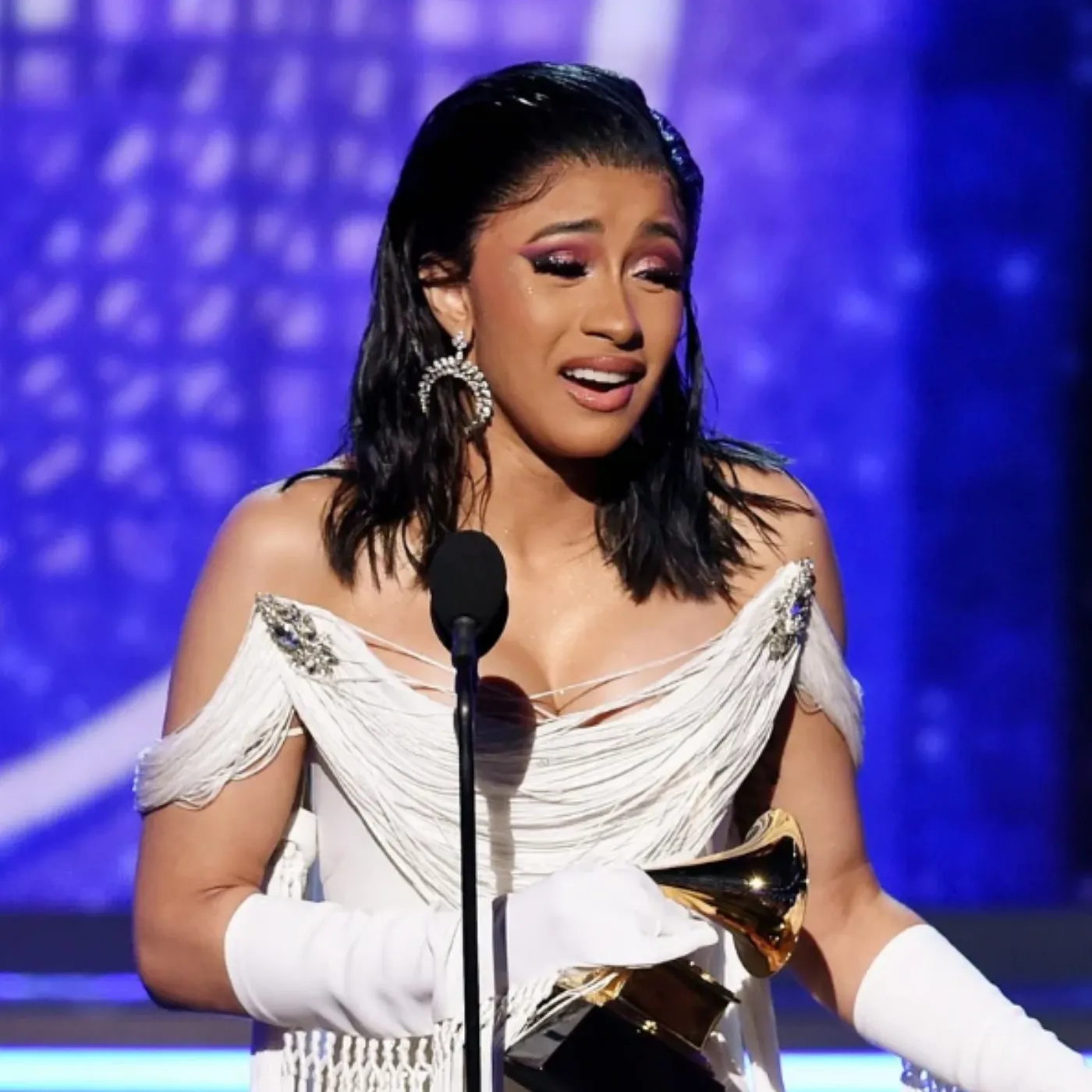
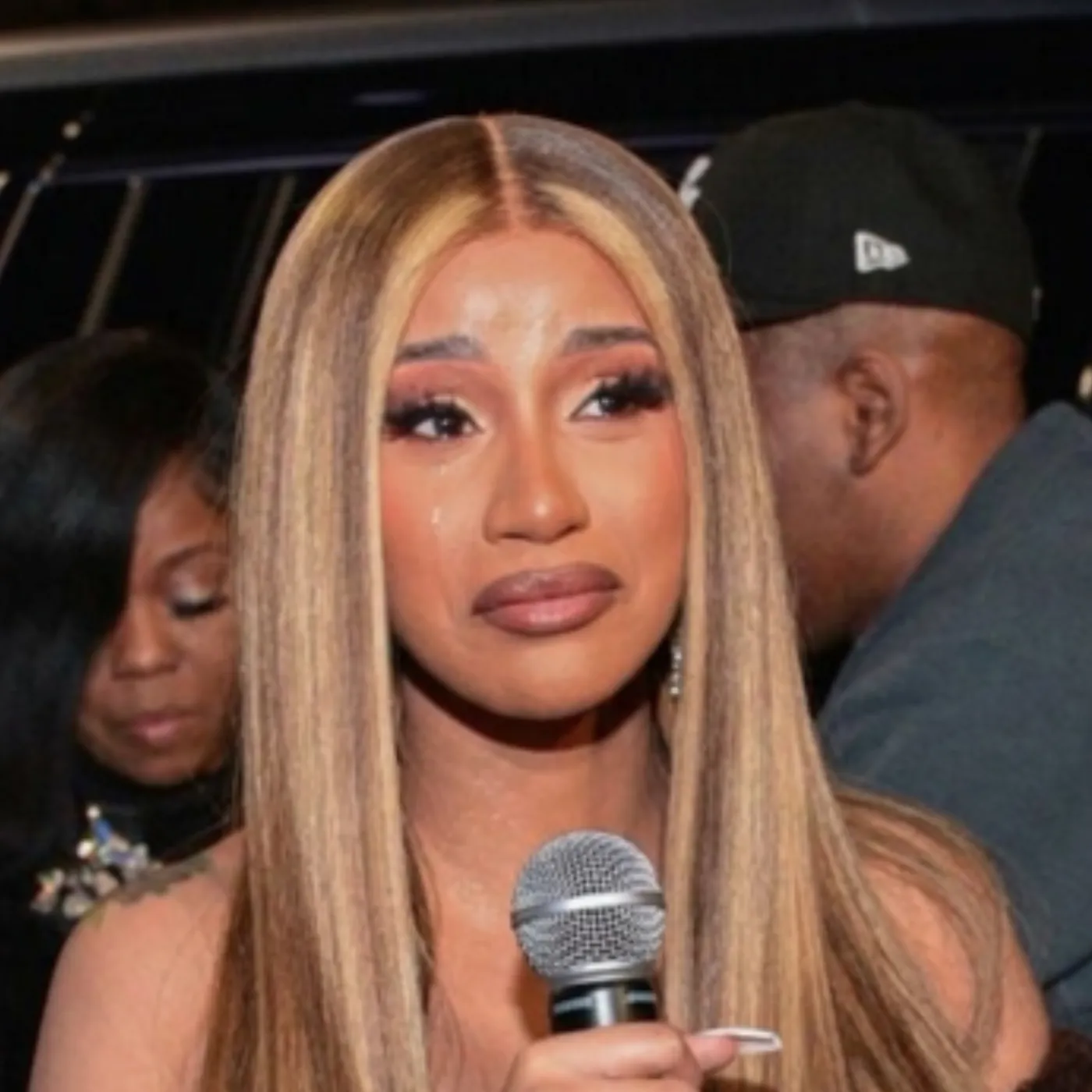
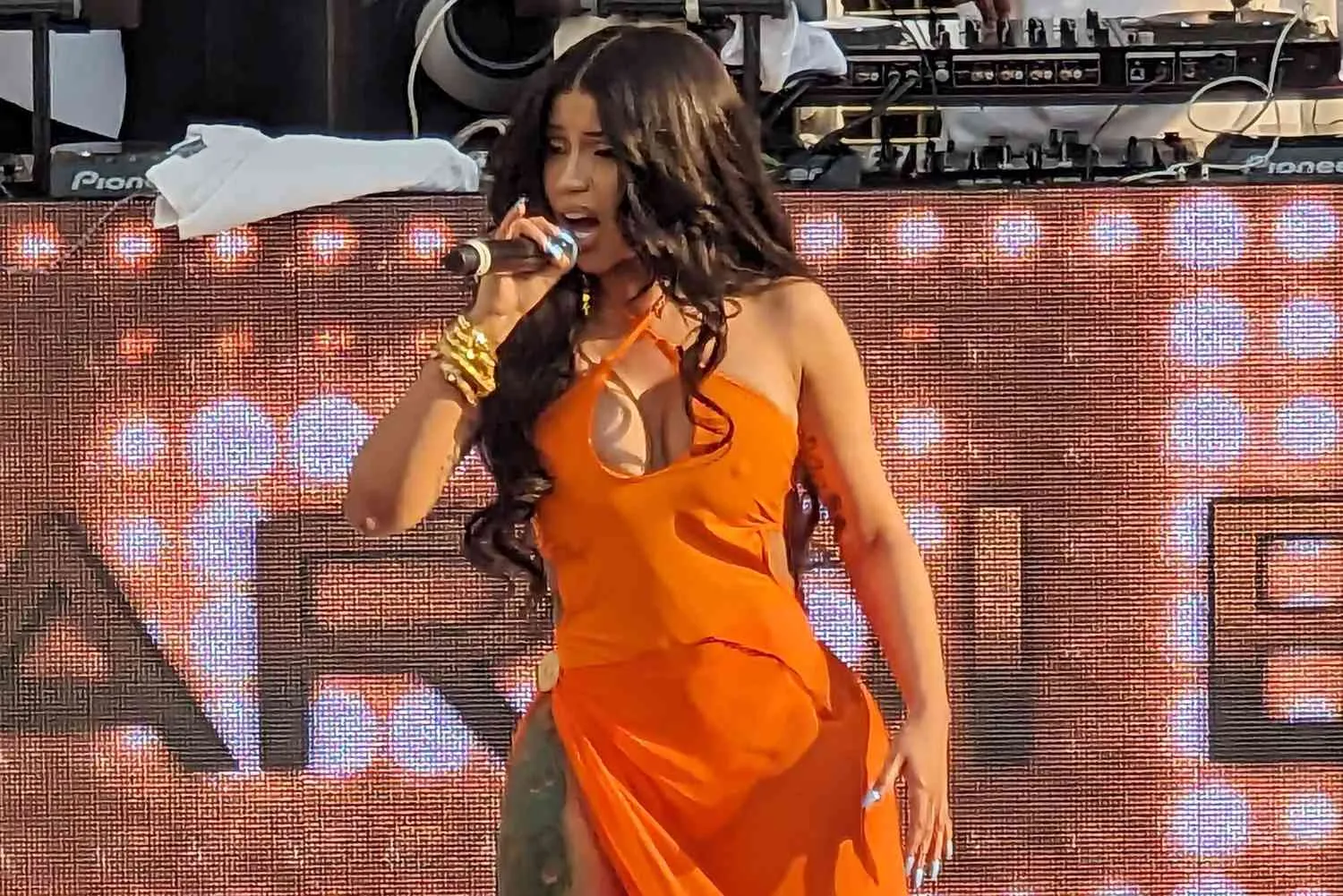
It all started during a high-energy concert where Cardi B was performing to a packed crowd. According to witnesses, the performance was as electrifying as expected—until a tense moment turned into a shocking act that no one anticipated. Video footage that has now gone viral appears to show Cardi B hurling her microphone into the crowd after an exchange with an audience member. The clip spread like wildfire across social media platforms, sparking outrage, memes, and heated debates about whether this was simply a performer defending herself or a celebrity crossing a dangerous boundary.
What initially seemed like a chaotic moment at a concert has now snowballed into a full-blown legal battle. The alleged victim of this incident has filed a lawsuit against the rapper, claiming physical injuries, emotional distress, and seeking damages for what they describe as an “assault under the guise of performance.” The details of the case, now unfolding in court, are shedding light on a series of decisions made that night which could change the way artists handle confrontations with fans forever.
The Lawsuit: A Deeper Look Into the Allegations
At the heart of the controversy is the claim that Cardi B intentionally threw the microphone with enough force to cause injury. According to the plaintiff’s legal team, this was not a spontaneous act of self-defense but rather a deliberate attack that warrants accountability. The lawsuit accuses the rapper of assault and battery, alleging that her actions went far beyond what could be considered a reasonable response to any provocation from the audience.
Court documents suggest that the plaintiff suffered head and neck injuries as a result of the incident, requiring medical attention. Their attorneys argue that Cardi B’s celebrity status should not shield her from consequences, especially when her actions cause real harm. “Being on stage does not give anyone a free pass to act violently,” one legal expert commented, echoing a sentiment that has been circulating in public discussions since the incident came to light.
The Defense: Was It Self-Defense or an Overreaction?
On the other side of the courtroom, Cardi B’s defense team is framing the incident as an act of self-defense, insisting that their client felt threatened by the behavior of the audience member. While details of the provocation remain murky, reports indicate that there was some form of verbal or physical confrontation before the microphone was thrown. Supporters of the rapper argue that artists often face unpredictable and sometimes dangerous situations on stage, and in this case, Cardi B reacted instinctively to protect herself.
Yet, this raises a critical legal question: how far can an artist go in defending themselves before their actions become legally indefensible? Legal analysts have been quick to point out that even if Cardi B did feel threatened, the response must be proportionate to the threat. Tossing a microphone, a solid and potentially dangerous object, could be viewed by the court as an excessive response, particularly if the threat posed by the fan was minimal or purely verbal.
Public Reaction: A Divided Audience
Perhaps unsurprisingly, the public reaction has been deeply polarized. On social media, the incident has sparked heated debates about celebrity accountability, fan behavior at concerts, and the blurred lines between performance and reality. Cardi B’s loyal fanbase, known as the “Bardi Gang,” has rushed to her defense, arguing that she has long endured harassment and inappropriate behavior from certain audience members. They believe she should not be vilified for protecting herself in a high-pressure situation.
On the other hand, critics have condemned the act as an abuse of power, pointing out that celebrities wield significant influence and resources, making it imperative for them to exercise restraint—even when provoked. Some have even drawn comparisons to past incidents involving other artists who faced legal consequences for aggressive behavior on stage, suggesting that this case could set a new precedent for how courts handle performer-audience altercations.
The Legal Stakes: Why This Case Matters
What makes this case especially fascinating is its potential to shape future legal standards in the entertainment industry. If the court rules against Cardi B, it could signal a stricter approach to holding artists accountable for their on-stage actions. It may also prompt performers to rethink how they engage with unruly fans, possibly leading to increased security measures or stricter venue protocols.
For Cardi B, the lawsuit is more than just a legal hurdle—it’s a potential threat to her public image and career trajectory. While the rapper has built her brand on being unfiltered and fearless, a court ruling against her could tarnish that image, painting her as reckless rather than empowered. This isn’t just about money; it’s about reputation, influence, and the delicate balance between artistic expression and personal accountability.
Media Frenzy and the Power of Narrative
The media has, predictably, played a massive role in shaping public perception of this incident. Headlines portraying Cardi B as either a victim of harassment or an aggressive attacker have flooded news outlets, further complicating the narrative. In the age of viral content, context often gets lost, leaving the court of public opinion as divided as ever.
Legal analysts caution against forming conclusions based solely on social media clips, noting that the truth often lies in the details that only emerge in court. Still, the virality of the incident has ensured that Cardi B’s case will be watched closely, not just by fans and critics, but by anyone interested in the intersection of celebrity culture and the law.
Beyond the Lawsuit: What This Means for Artists and Fans
This case underscores a broader issue in the entertainment world: the sometimes volatile dynamic between performers and their audiences. As concerts become increasingly immersive and interactive, the boundaries between artist and fan are blurring. While fans expect a level of accessibility and rawness from artists like Cardi B, these same expectations can lead to confrontations that spiral out of control.
For artists, this may be a wake-up call to establish clearer boundaries and rely more heavily on security professionals to handle tense situations. For fans, it’s a reminder that concert etiquette isn’t just about respecting the performance—it’s about ensuring everyone’s safety, including the artist’s.

What Happens Next?
As the case unfolds, all eyes will be on the courtroom. Will the judge see Cardi B’s actions as a justified reaction to a threatening situation, or will they rule that she crossed the line into criminal behavior? Whatever the outcome, this lawsuit has already sent ripples through the industry, sparking conversations about accountability, personal safety, and the evolving role of artists in managing their public personas.
For Cardi B, the stakes are high. This isn’t just about defending herself in court; it’s about defending her identity as an artist who has always refused to be silenced or controlled. Whether this incident becomes a footnote in her career or a defining moment remains to be seen, but one thing is certain: the world is watching.