Fans Shocked as Lil Wayne Gets Blocked from Performing During Dustin Poirier’s Walkout — Here’s What Really Happened Behind the Scenes
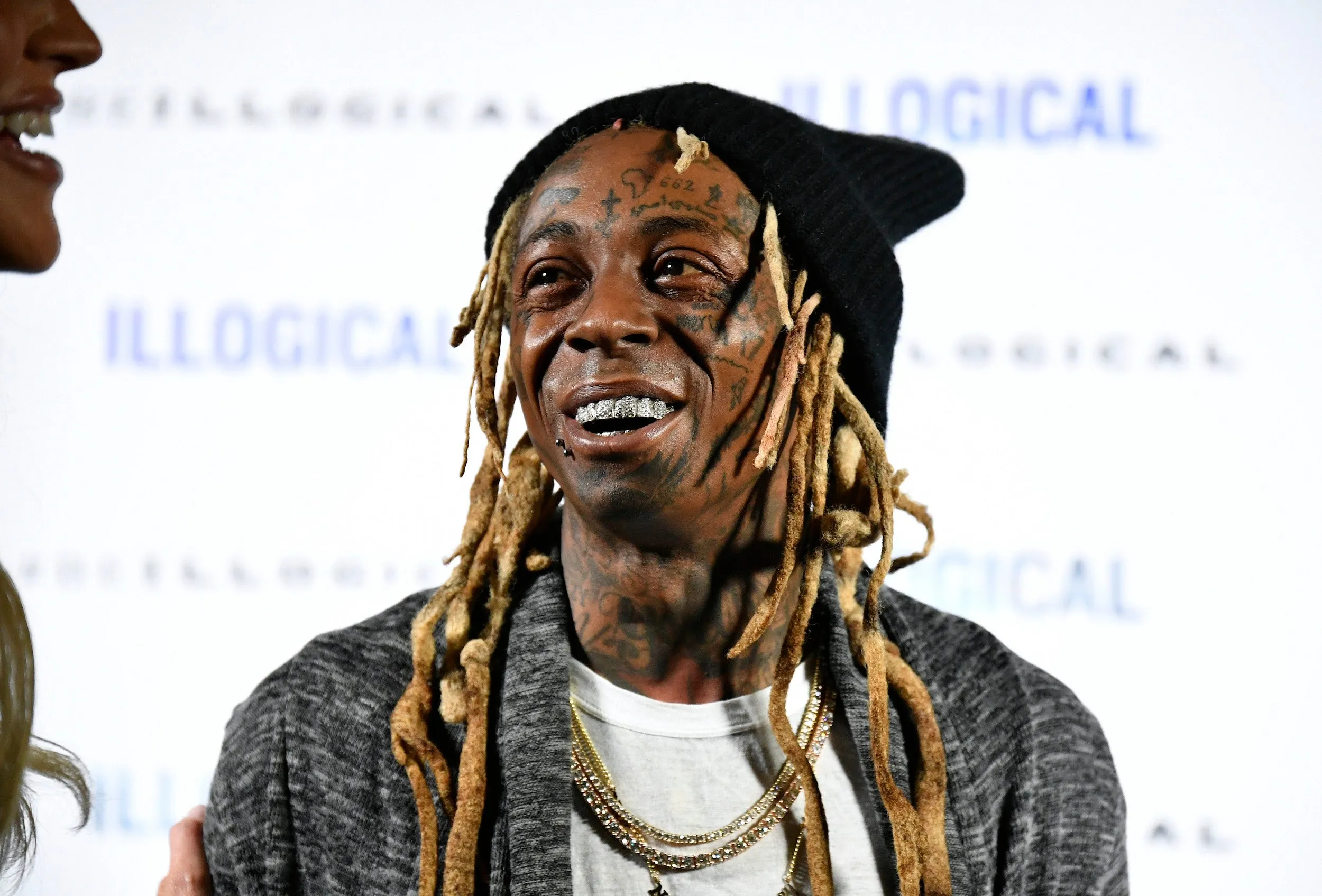
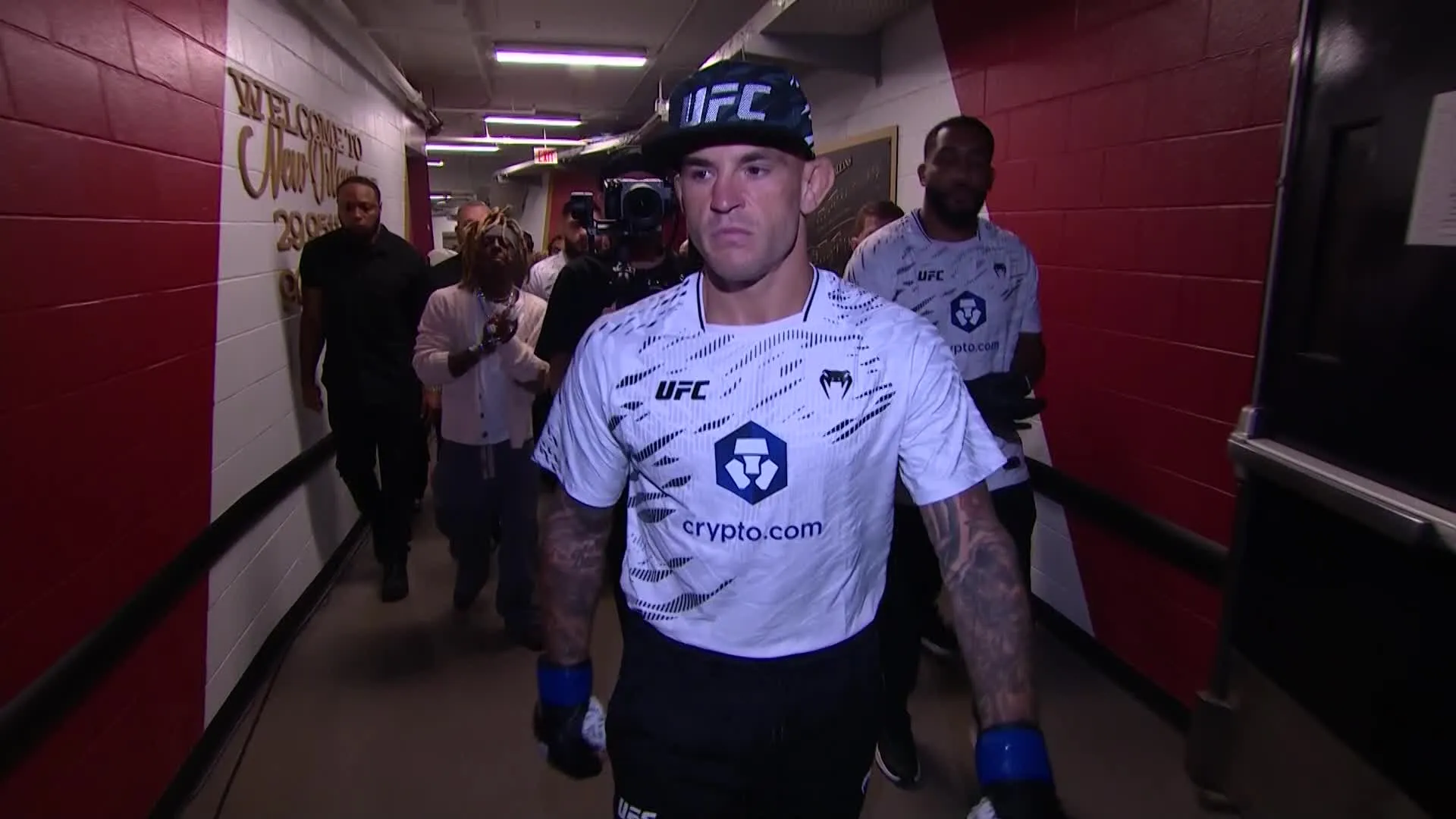
The world of mixed martial arts and hip-hop collided in an unexpected and chaotic fashion on fight night when legendary rapper Lil Wayne was reportedly blocked from performing during Dustin Poirier’s walkout. What was supposed to be an electrifying moment for fans of both UFC and hip-hop culture quickly turned into a storm of confusion, speculation, and disappointment. As videos began circulating online showing a visibly frustrated Lil Wayne leaving the backstage area, fans and insiders alike demanded answers.

Behind the scenes, the situation was far more complex than it initially appeared. What led to this abrupt cancellation? Was it a last-minute decision by the UFC? Did miscommunication between teams spiral into an unexpected controversy? And how did this incident impact both Poirier’s camp and Lil Wayne’s reputation in the fight world?
A Night Set for Glory Turns into Uncertainty
The night was meant to be iconic. Dustin Poirier, one of the UFC’s most celebrated fighters, was making his highly anticipated return to the octagon. With a career spanning more than a decade and multiple wars inside the cage, Poirier has cultivated a massive fan base — not just for his skills, but also for his resilience and authenticity. To make the night even more monumental, it was rumored for weeks that Lil Wayne, a longtime Poirier supporter and fellow Louisiana native, would perform live during the fighter’s walk to the cage.
That kind of synergy — blending combat sports with live hip-hop — has become a trend in recent years, with fighters like Israel Adesanya, Jorge Masvidal, and even Floyd Mayweather incorporating musical performances into their walkouts. UFC President Dana White has often leaned into spectacle when it serves to hype an event, and Poirier’s return was no small affair.
But as fans waited with bated breath, the screen showed a different reality. There was no Lil Wayne performance, no customized walkout. Just the traditional backing track and a stunned crowd left wondering why the promise of something extraordinary vanished so suddenly.
Lil Wayne’s Visible Frustration: The Moment That Sparked the Frenzy
Within minutes, clips emerged of Lil Wayne backstage, dressed and seemingly prepped for a performance, arguing with event staff and security. Though no official statements were made at the time, the body language and expressions told a story of confusion and disappointment. He was quickly escorted out of the performance area, flanked by members of his team and security, with one source close to the rapper describing the moment as “a complete breakdown in communication.”
Fans were quick to react online, with hashtags like #LetWayneWalk and #UFCDrama trending within the hour. Was this a case of mismanagement, ego clashes, or something deeper brewing beneath the surface?
Conflicting Reports Emerge from Both Camps
In the hours following the fight, both Team Poirier and Lil Wayne’s representatives issued carefully worded statements — neither confirming nor fully denying what had happened.
Sources close to Poirier suggested that the UFC had changed the plan at the last minute due to “timing and broadcast constraints.” According to this version of events, there were concerns about the live television window, and the UFC production team reportedly pulled the plug on the performance moments before the walkout. One anonymous insider described the decision as “purely logistical,” suggesting it wasn’t targeted at Lil Wayne specifically.
However, Lil Wayne’s team painted a more chaotic picture. According to a publicist for the rapper, the performance had been “green-lit weeks in advance,” and all technical requirements — from audio checks to lighting — had been signed off just a day prior. “We were ready,” the statement read. “Wayne was there out of respect for Dustin and for the fans. This was supposed to be a celebration.”
Some reports even hinted at security disagreements, suggesting that last-minute changes to credentialing and access zones led to confusion among arena staff about who was authorized to be on the floor. In high-profile events like this, especially with live television at stake, such miscommunications can cause ripple effects that lead to cancellations — intentional or not.
The Role of UFC and Dana White’s Silence
What makes the situation even murkier is the UFC’s radio silence. Normally, Dana White is quick to address controversies, often using post-fight press conferences to clear the air or push back against criticism. But in this case, the UFC President offered no comment. When asked directly by reporters, White appeared dismissive, merely stating, “The fight went great, we stuck to the plan,” without elaborating on the situation with Lil Wayne.
Some insiders believe that the UFC may have been caught off guard by how seriously fans took the matter. For many, this wasn’t just a technical hiccup — it was a moment of cultural crossover that had been taken away without explanation. The idea of Lil Wayne, one of hip-hop’s most influential voices, standing beside Poirier during a crucial moment of his career, resonated deeply with audiences. That emotional connection made the sudden cancellation feel personal, even if it wasn’t meant to be.
Fan Reactions: Disappointment, Speculation, and Loyalty
Social media became a battlefield of theories and frustrations. Poirier’s fans, many of whom had traveled to the arena or hosted fight-night parties expecting a show, were vocal in their disappointment. Meanwhile, Lil Wayne’s fanbase questioned whether the UFC truly valued artists from outside the MMA world, especially when so many hip-hop artists have publicly supported fighters and helped boost pay-per-view numbers.
Memes, reaction videos, and behind-the-scenes leaks flooded platforms like X (formerly Twitter), Reddit, and TikTok. One fan post that went viral read: “They had one shot to create a legendary UFC moment with Poirier and Lil Wayne… and they blew it.” Another pointed out the contrast between other combat sports, like boxing, which often include musical walkouts, and the UFC’s sometimes rigid approach to time slots.
Yet not all responses were negative. Some defended the UFC, noting that live broadcasts often face unpredictable time crunches and that fighter safety and logistics must come first. Still, the overarching sentiment leaned toward regret — a feeling that something special had been taken away without warning.
Behind the Performance: What It Meant for Lil Wayne and Poirier
For Lil Wayne, this event was not just a promotional appearance. His connection to Dustin Poirier runs deep, both men hailing from Louisiana and often speaking highly of each other in interviews. The planned performance was as much about personal loyalty as it was about hype. Some close to the rapper suggested that Wayne viewed this as a rare opportunity to blend his identity as an artist with his genuine love for combat sports.
And for Poirier, the walkout is more than just an entrance — it’s a ritual. Fighters often speak of how important that moment is in setting the tone mentally. While Poirier hasn’t commented directly on the situation, those within his camp have hinted that he was disappointed by how the night unfolded. “He wanted to honor his roots and his people,” one source told MMA Junkie. “That was the whole idea.”
Whether or not this disruption impacted his mindset remains unknown, but it’s undeniable that walkout energy plays a crucial role in the psychological atmosphere of a fight.
The Cultural Significance: More Than Just a Missed Performance
Beyond the headlines, the blocked performance speaks to a larger conversation about how combat sports and music culture intersect. In recent years, UFC has embraced more mainstream crossovers — from celebrity guests to stylized promo packages. But the Lil Wayne incident reveals the growing pains of that evolution.
As fans demand more spectacle, the UFC must navigate how to balance traditional fight-night structure with the expectations of modern entertainment. Lil Wayne’s denied performance wasn’t just a missed opportunity for one fighter — it was a reflection of how high the bar has been set for event production in the streaming and viral era.
What Comes Next: Redemption or Reputation Damage?
With tensions still lingering and no public resolution in sight, many are asking what comes next. Will Lil Wayne be invited back for another UFC event? Will the UFC issue a formal apology or explanation? Could this incident even affect Poirier’s future walkouts?
Some MMA insiders believe that damage control is already underway behind closed doors. According to one source, preliminary conversations are being held about rescheduling a collaborative appearance for another major fight night — possibly involving multiple artists to show good faith.
Others argue that the moment has already passed, and that UFC must take a hard look at how it coordinates these types of integrations moving forward. After all, with global audiences watching and athletes investing emotionally in every detail, even a small disruption can lead to massive public fallout.
Final Thoughts: A Night Remembered for the Wrong Reasons
What was meant to be a celebration of grit, loyalty, and Louisiana pride turned into one of the most baffling backstage controversies in recent UFC memory. While Lil Wayne and Dustin Poirier handled the aftermath with relative grace, fans are still left wondering how such a promising moment fell apart in real time.
In the end, it’s a reminder that in the age of viral moments and real-time reactions, no detail is too small to be overlooked. Whether this incident becomes a turning point or a footnote in UFC history will depend on how the promotion — and its stars — choose to respond. One thing is certain: the next time Lil Wayne shows up at a fight, fans will be watching even more closely.