Dodgers Stun Fans Ahead of Brewers Finale: Shohei Ohtani Benched from Leadoff for First Time This Season — What’s Really Going On?
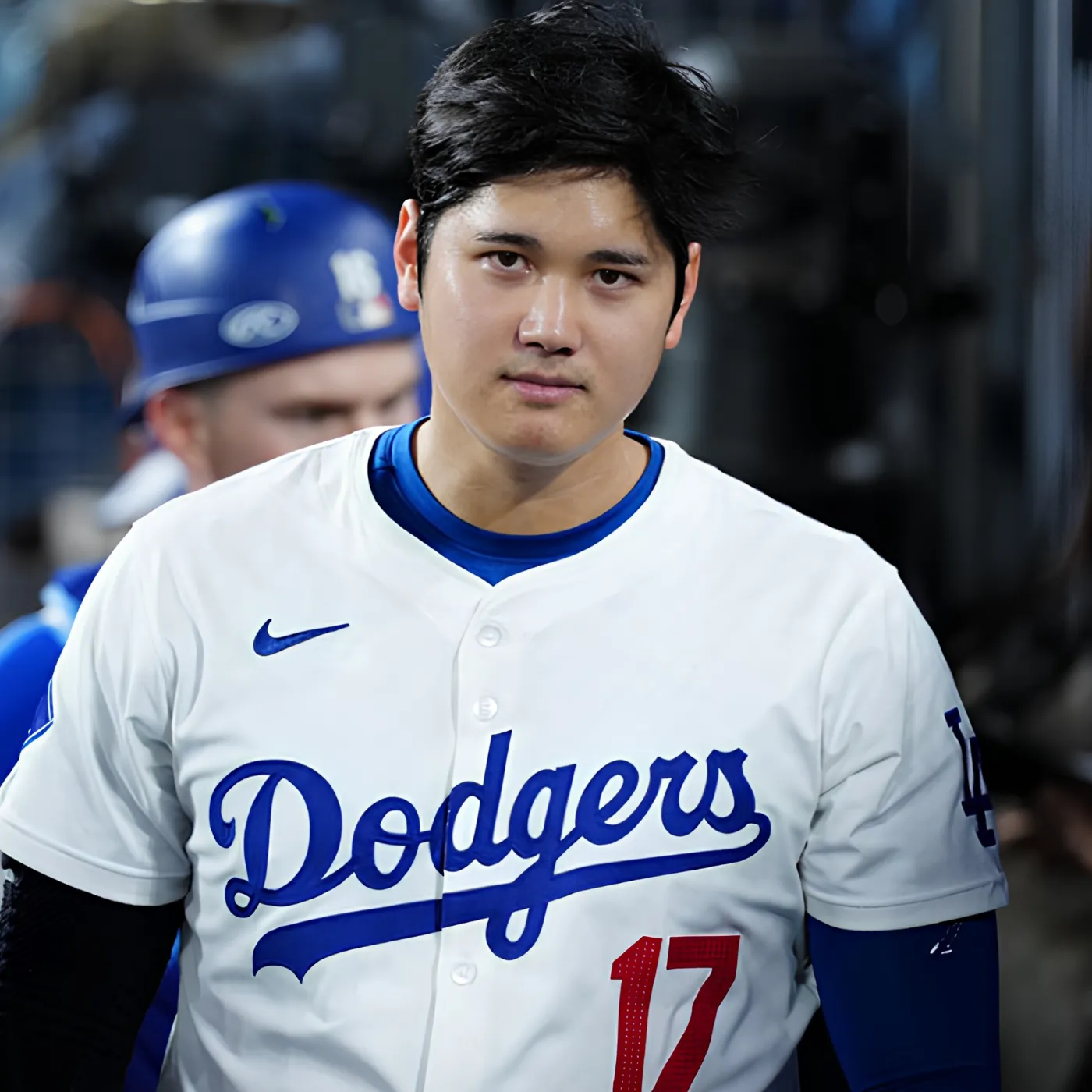
In a surprising move that left fans buzzing across social media and sports talk shows, the Los Angeles Dodgers made the bold decision to bench Shohei Ohtani from the leadoff spot in their lineup for the first time this season. As the Dodgers prepared to close out their series against the Milwaukee Brewers, few expected to see a lineup card missing Ohtani’s name at the top. The news sent shockwaves through Dodger Nation, not only because of what it means on the field, but because it raises deeper questions about the superstar’s health, performance, and even managerial strategy as the postseason looms closer.

Ohtani’s Role as Dodgers’ Leadoff Spark Plug
Since arriving in Los Angeles following his record-shattering free agency signing, Shohei Ohtani has been an integral part of the Dodgers’ offensive firepower. Batting leadoff—a spot not typically reserved for power hitters—Ohtani brought a rare combination of speed, discipline, and slugging percentage that made him one of the most dangerous top-of-the-order threats in all of Major League Baseball. His presence at the top consistently gave the Dodgers early momentum, forcing pitchers into high-pressure situations right out of the gate.
In fact, Ohtani’s .297 batting average, coupled with his .946 OPS, has been among the top marks for leadoff hitters across the league. His ability to start rallies, draw walks, and even go yard in the first inning helped define the team’s offensive identity for much of the 2025 season. His name atop the lineup was a given—a symbol of consistency and excellence that fans and teammates relied on.
That is, until now.
An Unexpected Shift Before the Brewers Finale
The decision to bench Ohtani from the leadoff spot came just hours before the Dodgers’ final game against the Milwaukee Brewers. In his place, Mookie Betts was slotted back into the familiar leadoff role he once owned, prompting immediate speculation from fans, analysts, and insiders alike. Social media exploded with questions: Was Ohtani injured? Was this a disciplinary action? Was it simply rest? Or is something more strategic at play?
Dodgers manager Dave Roberts, known for his carefully calculated roster decisions, was quick to address the media. “It’s nothing serious,” he said. “We’re just giving Shohei a bit of a reset. He’s been grinding, and this is an opportunity to give him a breather from the leadoff responsibilities.”
But that explanation didn’t quite quell the concerns.
Reading Between the Lines: Is It Really Just Rest?
In professional sports, especially at this level, rest days are normal, particularly during long stretches of games with limited off-days. However, this case feels different. For one, Ohtani wasn’t removed from the lineup entirely—he was simply moved down to the third spot, an unusual adjustment for someone who has anchored the leadoff all season. That begs the question: if rest was truly the goal, wouldn’t sitting him for a game altogether have made more sense?
Furthermore, Ohtani’s recent performance adds another layer of complexity. While his overall stats remain elite, his production has dipped slightly over the past two weeks. He’s posted a .235 average in his last 10 games, with increased strikeout numbers and a noticeable drop in his usual aggressiveness on the basepaths. Could this minor slump be the real reason behind the shuffle?
Some analysts believe that Roberts is trying to shake things up before the postseason by testing how the lineup performs with different configurations. It could be a way to prepare the team for varied matchups, especially if Ohtani draws tougher pitching assignments in the playoffs. Moving him to the third spot allows the Dodgers to maximize his ability to drive in runs rather than just get on base.
Still, there are those who suspect something more is brewing.
The Health Factor: Unspoken Concerns About Fatigue
Ever since he joined the Dodgers, Shohei Ohtani’s physical workload has been a topic of intense focus. Though he is currently not pitching due to the recovery from his second Tommy John surgery, his workload as a designated hitter remains substantial. Few hitters log the kind of effort Ohtani does—from explosive swings to sprinting out infield singles. Over time, even elite athletes feel the grind.
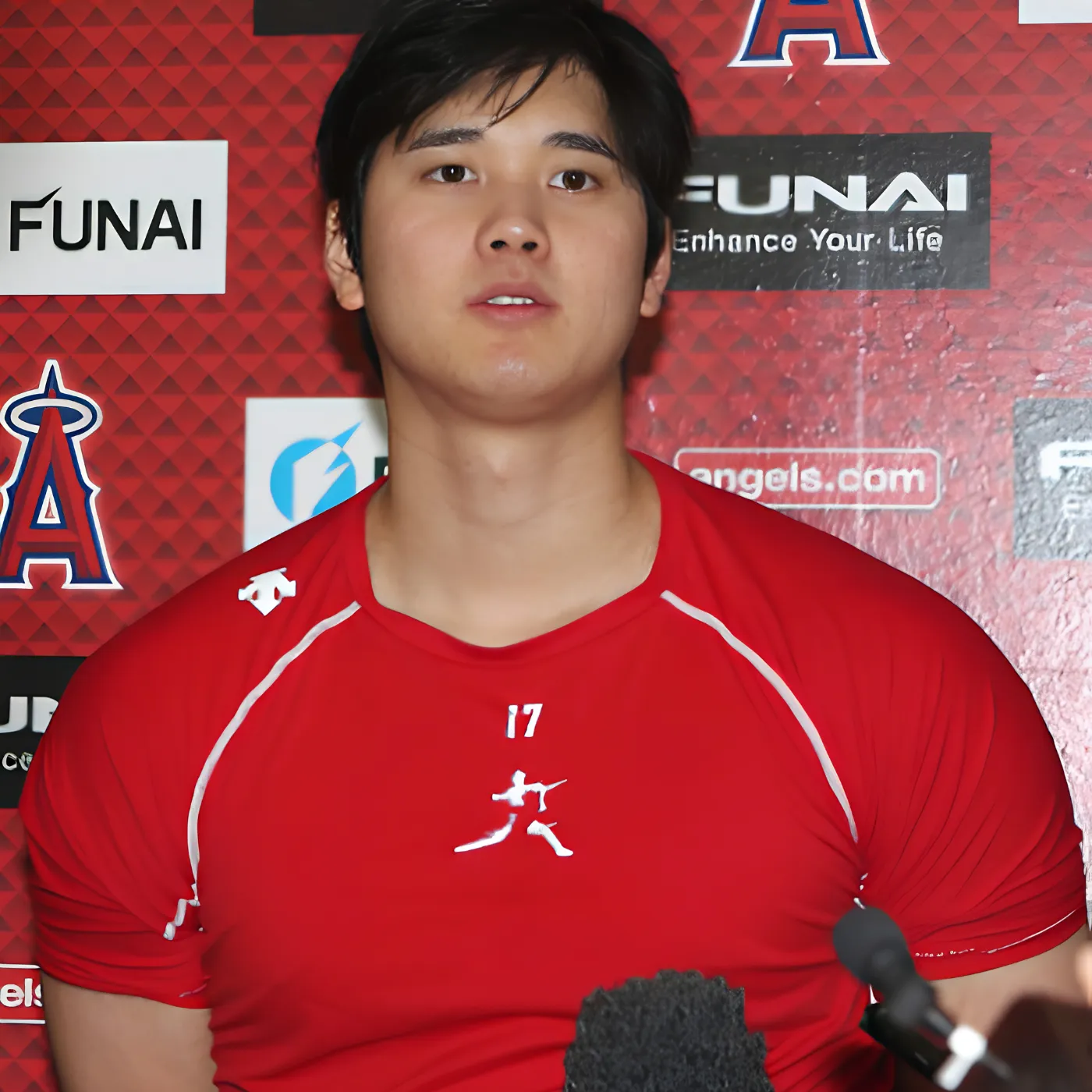
Ohtani himself has alluded to “general fatigue” in recent post-game interviews, though he’s always quick to downplay its impact. Yet, the Dodgers’ training staff has reportedly monitored him closely, particularly as he ramps up for a full two-way return in 2026. Could this temporary move out of the leadoff spot be a subtle load management tactic to preserve Ohtani’s energy?
It’s worth noting that Ohtani has not taken a full game off in over a month, a testament to both his durability and the Dodgers’ reliance on his presence. But in a league where strategic rest is increasingly common, pulling him from the high-pressure leadoff spot—where he’s guaranteed at-bats against the game’s best pitchers—could be a smarter long-term strategy than giving him a full day off.
Chemistry and Lineup Fluidity: The Bigger Picture
Another aspect to consider is the team’s chemistry and overall lineup versatility. With a roster stacked with talent including Freddie Freeman, Will Smith, Teoscar Hernández, and of course, Mookie Betts, the Dodgers have the luxury of experimenting with different combinations. Betts, a former MVP and experienced leadoff hitter, brings a different flavor of offense—more contact-oriented, less power but more consistency in OBP.
By moving Ohtani to the third spot, the Dodgers are effectively sandwiching their three biggest stars at the top of the lineup. Betts leads off, followed by Freeman, and then Ohtani. This trio could form an elite run-producing engine if the chemistry clicks.
More importantly, this configuration creates headaches for opposing pitchers. While leadoff Ohtani is intimidating, third-spot Ohtani could be downright terrifying—especially if he comes to the plate with two men on and nobody out. Strategically, it opens the door to higher leverage at-bats, where Ohtani can do maximum damage.
Of course, with this change being a first for the season, it’s uncertain whether the Dodgers plan to keep it long-term or if it’s merely a test case. Roberts hasn’t committed to either approach, saying only that the team is “always looking at ways to improve and stay fresh.”
Fan Reactions: Confusion, Concern, and Curiosity
Unsurprisingly, fans had a lot to say. On Twitter, the news trended under hashtags like #OhtaniBenched, #DodgersLineup, and even #WhatIsRobertsDoing. Some interpreted the move as a panic signal; others saw it as a positive evolution in strategy.
“I love Ohtani but moving him to 3rd might help the team get more runs,” one fan posted. Another said, “If Ohtani’s hurt, just tell us. Don’t play games with the lineup.”
For Japanese fans, who follow Ohtani religiously regardless of time zone, the move raised alarms. In Japan, where Ohtani is not just a player but a national hero, sports headlines speculated whether an undisclosed nagging injury or emotional stress was at play. Ohtani has long borne the weight of expectations from two countries—Japan and the U.S.—and even the smallest change in his routine sends ripples through the fanbase.
Is This the Beginning of a New Strategy?
Whether this lineup change becomes a one-off anomaly or the beginning of a new strategic era remains to be seen. What’s clear is that the Dodgers, with the postseason on the horizon, are making moves with October baseball in mind. This is the time when teams test their theories, challenge the status quo, and prepare for the kind of adaptive thinking that championship runs demand.
If Ohtani flourishes in the third spot, don’t be surprised to see him remain there. If not, a return to the leadoff role might come as quickly as the next series. The flexibility is part of what makes the Dodgers so dangerous. And with players like Ohtani capable of excelling anywhere in the lineup, Roberts has options that most managers would envy.

Final Thoughts: Beyond the Numbers
At the heart of this story is a reminder that baseball is as much about nuance as it is about data. On the surface, the decision to remove Shohei Ohtani from the leadoff spot might seem like a minor adjustment. But for a player of his caliber, it sends a message—one about adaptability, about trust, and perhaps about future roles.
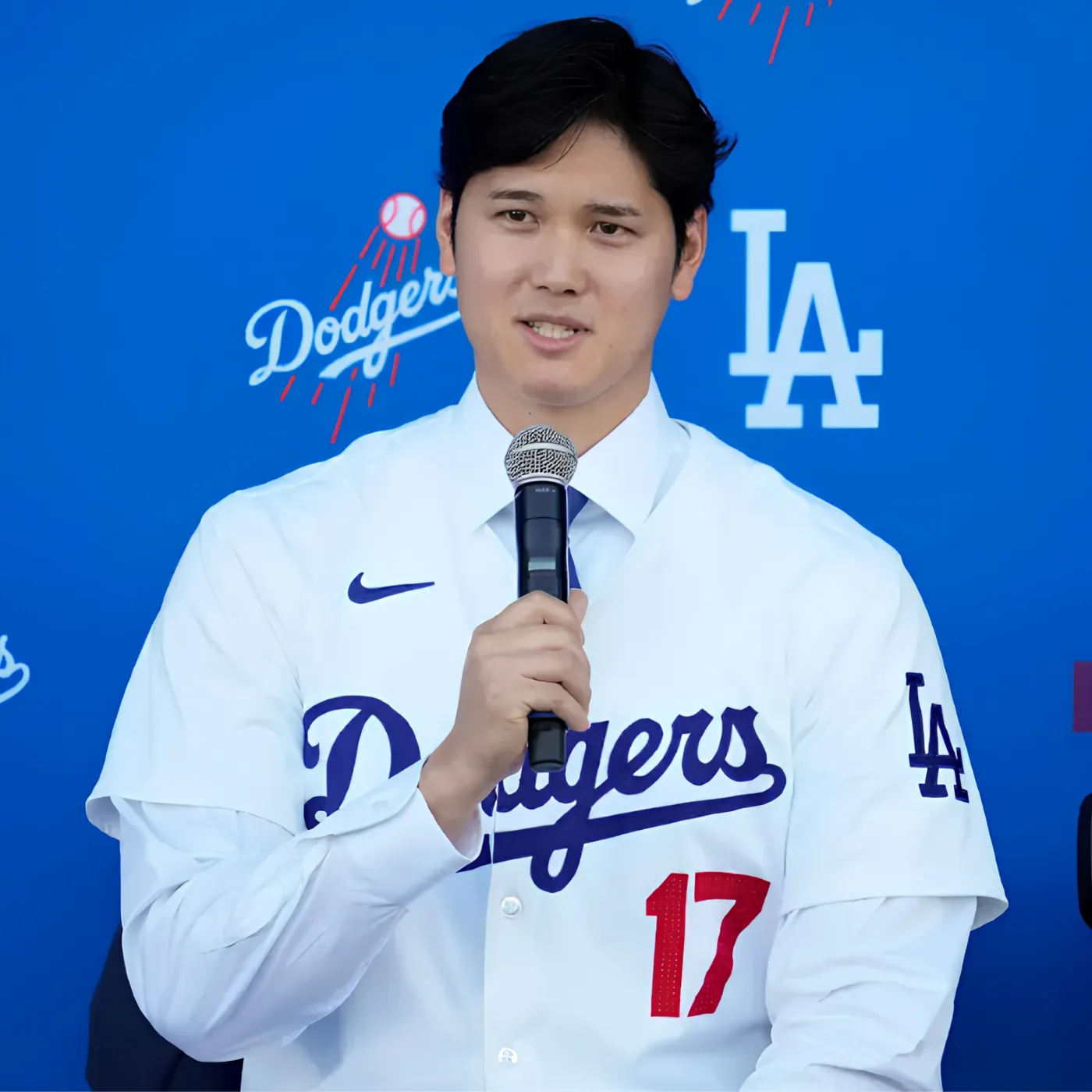
Ohtani, for his part, handled the change with typical grace. “Whatever helps the team win, I’m here for it,” he told reporters post-game. That attitude, combined with his generational talent, is exactly why he remains the centerpiece of this Dodgers squad.
So what’s really going on?
Perhaps it’s a bit of everything: fatigue, strategy, preparation, and maybe even a little bit of experimentation. But one thing is certain—when Shohei Ohtani’s name isn’t at the top of the lineup, everyone notices.
And that, more than anything, speaks to his impact on the game.