







Novak Djokovic Opens Up About the Childhood Struggles That Shaped the Champion He Is Today
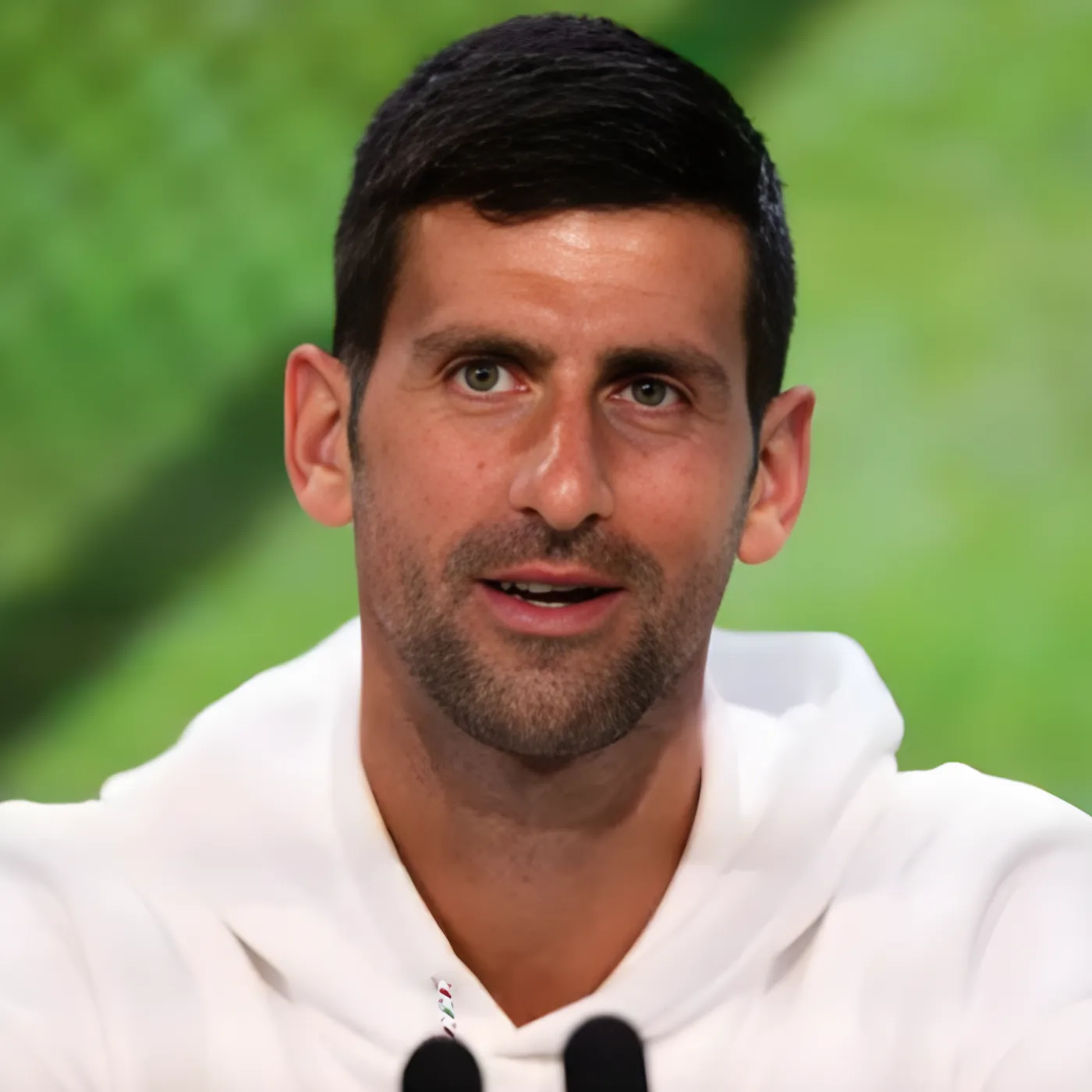
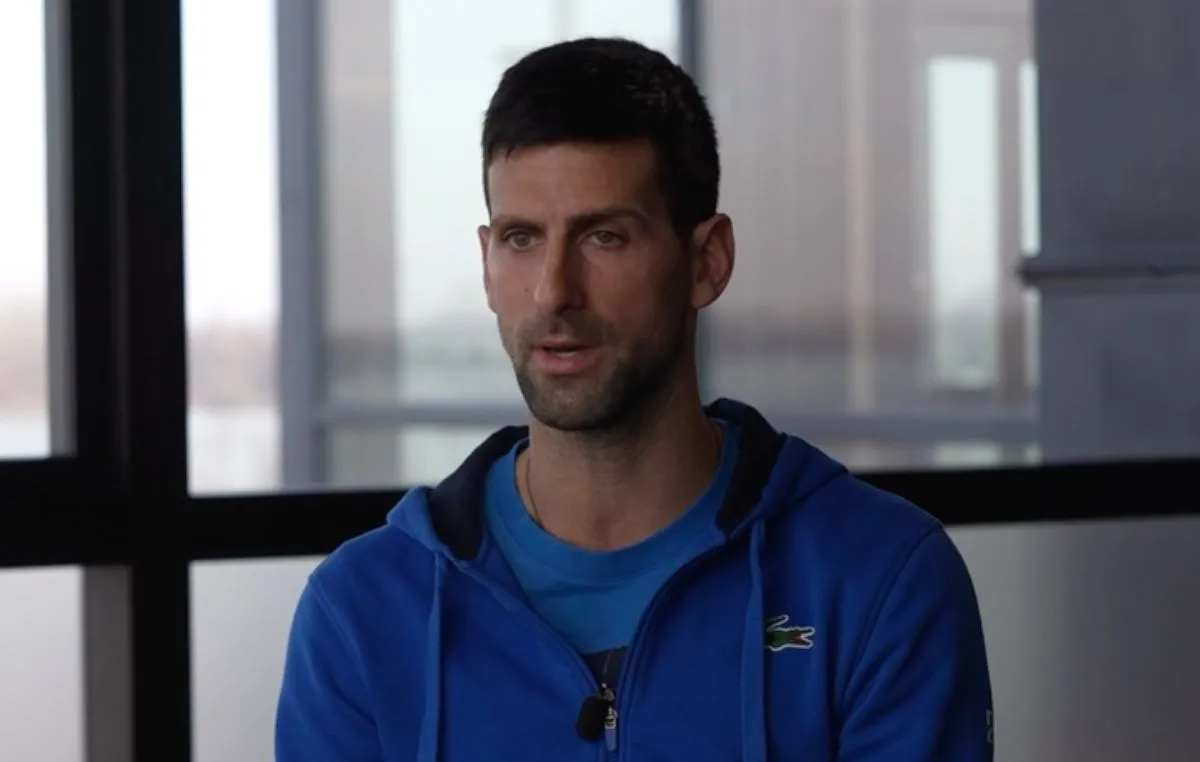
In the realm of modern tennis, Novak Djokovic is more than just a household name — he is a symbol of excellence, resilience, and mental strength. With more than two decades on the professional circuit, multiple Grand Slam titles, and countless accolades to his name, Djokovic is often regarded as one of the greatest tennis players of all time. However, behind the dazzling trophies and roaring crowds lies a story that is both heartbreaking and inspiring. The road to becoming a world-renowned athlete was never smooth for the Serbian superstar. In various interviews and public statements, Djokovic has opened up about the harrowing challenges he faced during his childhood, revealing how they profoundly shaped not just his game, but also his character and worldview.
Growing Up Amidst War and Uncertainty
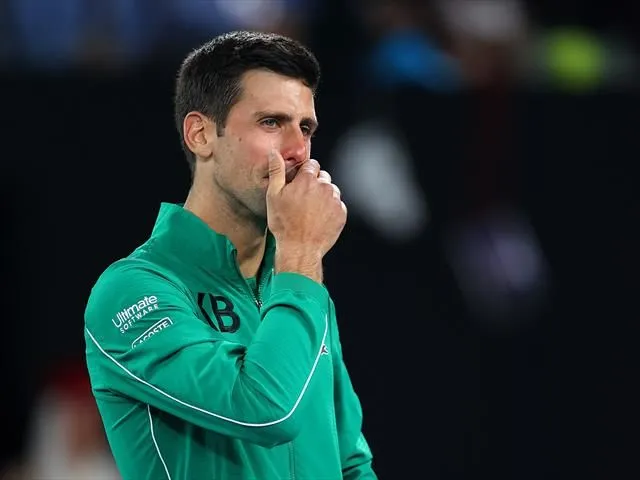
Born on May 22, 1987, in Belgrade, Serbia, then part of the former Yugoslavia, Djokovic’s formative years were marked by one of the most violent periods in the Balkans. The early 1990s were a time of brutal conflict, with wars erupting across the region. As a child, Novak witnessed bombings, food shortages, and frequent blackouts. His hometown was often under threat, and the sound of air raid sirens was far more common than laughter in the streets. In interviews, Djokovic has recalled how his family had to hide in basements and shelters while fighter jets roared overhead. It was in this atmosphere of fear and instability that his passion for tennis took root.
Despite the turmoil, Djokovic’s parents, particularly his father Srdjan Djokovic, made incredible sacrifices to support their son’s budding dreams. They believed that tennis could be his escape — not just from poverty, but from a life defined by war. With limited resources, they scraped together enough money to buy Novak a racquet and enroll him in lessons. His early training often took place on courts that had seen better days, with cracked surfaces and makeshift nets, but Djokovic’s determination was unwavering. It was not just about winning — it was about surviving.
Tennis as a Lifeline and Identity
During those difficult years, tennis was more than just a sport for Djokovic. It was his refuge. When the world outside was falling apart, the tennis court became a sanctuary where he could focus, dream, and exert some form of control over his life. He has described how practicing for hours in harsh winter conditions, often without electricity or heating, taught him the value of discipline and sacrifice. These early lessons would go on to form the bedrock of his future career.
At age six, Djokovic caught the attention of Jelena Genčić, a legendary Yugoslav tennis coach who had also worked with players like Monica Seles. Genčić immediately recognized his extraordinary talent and described him as “the greatest talent I’ve seen since Monica.” However, what impressed her even more was Djokovic’s mental fortitude. In her memoirs, she recounted how Novak would train without complaint, even as bombs exploded in the distance. Under her guidance, Djokovic developed not only his technical skills but also a profound inner strength — one that would become his trademark on the professional tour.
The Struggles of Being an Outsider
As Djokovic progressed through the ranks and began playing internationally, another layer of difficulty emerged. Coming from Serbia — a country often demonized in the Western media due to the Balkan conflicts — meant that Djokovic often felt like an outsider on the global tennis scene. He was not welcomed with the same enthusiasm as some of his European or American counterparts. Crowds were colder, sponsorships harder to come by, and media coverage often skewed.
Djokovic has spoken candidly about how these experiences made him feel alienated. He knew that many fans rooted for his opponents, even when he was winning. Rather than allowing bitterness to consume him, he chose to let this fuel his competitive spirit. In his own words, “Every time they booed, I used it as energy. Every time they doubted me, I used it as motivation.” The psychological resilience he built during his youth became a critical weapon in his mental arsenal.
Creating a Champion’s Mentality
Perhaps what separates Djokovic from other elite players is his ability to thrive under pressure. Whether facing hostile crowds, grueling five-set matches, or top-ranked opponents, Djokovic has consistently shown an almost supernatural ability to stay calm, focused, and composed. Many attribute this to his unique training, which includes meditation, mindfulness, and visualization techniques.
These practices, he says, are deeply rooted in his early life experiences. When you grow up dodging bombs and living in constant uncertainty, a match point against Rafael Nadal starts to seem a lot less daunting. Djokovic often says that perspective is everything. His difficult past has taught him to be grateful, to remain humble, and to stay grounded, no matter how high he climbs.
This mindset was particularly evident during the 2012 Australian Open Final, a nearly six-hour epic against Nadal that is widely considered one of the greatest matches in tennis history. Djokovic, exhausted and battered, refused to give in. In the post-match interview, he cited his childhood struggles as the reason he was able to dig so deep: “When you grow up in circumstances like mine, you learn that giving up is never an option.”
Family, Identity, and Purpose
Throughout his journey, family has remained a cornerstone of Djokovic’s life. He frequently acknowledges the role his parents and two younger brothers played in keeping him focused and motivated. His wife Jelena Djokovic, whom he met in high school, has also been a pillar of support. Together, they run the Novak Djokovic Foundation, a philanthropic organization dedicated to improving early childhood education in Serbia and beyond.
For Djokovic, success is not measured solely in trophies. He sees his career as a platform to bring about positive change, particularly in the Balkans. He often speaks with pride about his roots, and he has used his visibility to shine a light on the struggles of the Serbian people, especially children. Through his foundation, he aims to ensure that future generations do not have to endure the same hardships he did. In a world where athletes are often detached from social realities, Djokovic stands out as someone deeply connected to his origins.
Battles With Public Perception
Despite his accomplishments, Djokovic’s relationship with the public and media has been complicated. While Roger Federer and Rafael Nadal are adored almost universally, Djokovic has often struggled to win the same level of affection. Some critics have accused him of being too calculated or too emotional, too polished or too rebellious. The truth, as always, is more nuanced.
Djokovic has acknowledged these challenges and continues to wrestle with them. However, he remains steadfast in his belief that authenticity matters more than popularity. He has said, “I don’t need everyone to love me, but I want to be respected for who I am and what I’ve overcome.” As time has passed, more and more fans have come to appreciate the complexity and courage of Djokovic’s story.
Legacy Beyond the Court
Now in his late 30s, Djokovic continues to break records and redefine what is possible in men’s tennis. With each passing season, he closes in on milestones that were once thought untouchable — most weeks at World No. 1, most Grand Slam titles, and the coveted Career Grand Slam completed multiple times. Yet, for those who know his story, his greatest achievement is not just athletic dominance. It is the triumph of the human spirit.
The young boy who once practiced tennis in bombed-out courts has become a symbol of hope for millions. His journey from the war-torn streets of Belgrade to the global tennis stage is a powerful reminder of what can be achieved with grit, discipline, and purpose. Djokovic’s story transcends sport. It is about perseverance in the face of adversity, about staying true to one’s roots, and about using personal success as a force for collective good.

Conclusion: A Champion Forged by Struggle
In the glittering world of professional sports, where glamor often overshadows grit, Novak Djokovic’s story stands as a raw and honest testament to what it truly takes to be great. His childhood was marred by violence, scarcity, and social exclusion — but these very challenges forged a man of unparalleled strength and integrity. The boy who once ran from bombs now runs toward history, armed not just with a racquet, but with a purpose. As Djokovic himself once said, “Tennis is my life’s passion, but my mission goes beyond the court.”
Through every ace, every comeback, and every moment of triumph, Djokovic carries the weight of his past — not as a burden, but as a badge of honor. And in doing so, he continues to inspire a new generation of dreamers, not just to win, but to overcome.
Related News